Stop listening to influencers telling you that you need a “capsule collection” of expensive linen trousers and $200 organic cotton shirts to look professional. It’s a lie designed to make you feel like your current closet is a failure. Most of those “essentials” are just overpriced marketing, and honestly, if you’re looking for how to build a work wardrobe cheaply, you shouldn’t be looking at a shopping cart at all. You should be looking at your local charity shop’s rack and the seam allowance on a second-hand blazer. I spent two years pinning hems in a basement studio, and I can tell you: a £5 vintage wool skirt that actually fits your waist will always look more expensive than a £60 polyester blend that’s pulling at the hips.
I’m not here to give you a list of brands to buy; I’m here to give you a strategy. I’m going to show you how to spot fabrics that actually survive a weekly wash cycle, which specific alterations are worth your money, and how to use a tailor to turn a bargain find into a custom-fit masterpiece. We are going to focus on the maths of style, not the hype.
Understanding How to Build a Work Wardrobe Cheaply
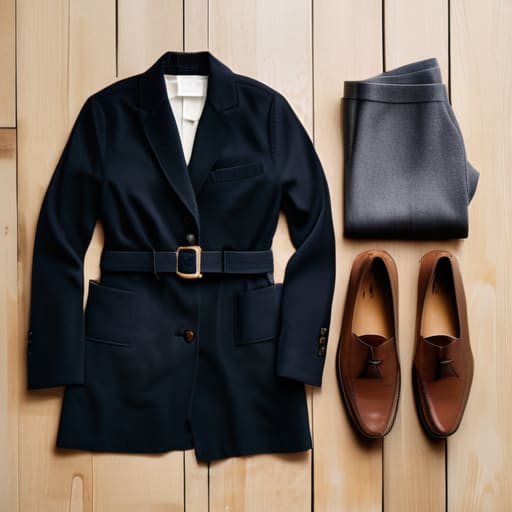
First, we need to kill the idea that a professional look requires a massive credit card limit. Most people approach this by scrolling through “workwear” collections online, which is just a fast way to buy five versions of the same polyester blazer that will pill before your first performance review. If you want a cost-effective professional style, you have to stop looking at trends and start looking at your actual calendar. A real capsule wardrobe for professionals isn’t about having fifty items; it’s about having ten items that actually play well together.
The secret isn’t in the brand name; it’s in the fabric composition and the seam construction. I’d rather see you find a secondhand wool trouser at a charity shop—even if the waist is a bit high—than buy a “budget” synthetic blend that loses its shape by lunchtime. When you’re building a versatile clothing collection, you’re looking for the heavy hitters: a crisp cotton shirt, a structured knit, and trousers with enough seam allowance to actually be taken in if your weight fluctuates. If the fabric feels thin or looks shiny under office lights, leave it on the rack. It’s not a bargain if you have to replace it in three months.
Key Things to Know
First, we need to talk about the “investment piece” lie. Most people think building a capsule wardrobe for professionals means dropping a month’s rent on a single designer blazer. It doesn’t. It means knowing that a $20 vintage wool blazer from a charity shop is infinitely more valuable than a $200 polyester one from a high-street giant if the former has enough seam allowance to actually be tailored to your shape. If you can’t take it to a tailor to nip the waist or shorten the sleeves, you aren’t buying an investment; you’re just buying expensive landfill.
Second, learn to read a care label like your career depends on it. If you’re aiming for business casual on a budget, stay away from anything that says “dry clean only” unless you actually have the budget for the dry cleaner. I’m talking about fabrics—look for natural blends that hold their structure. A heavy cotton poplin or a decent wool mix will survive a Wednesday, a Thursday, and a Friday without looking like a crumpled napkin by lunchtime. Fabric weight is everything when you’re trying to look put-together without spending a fortune.
Practical Tips and Steps
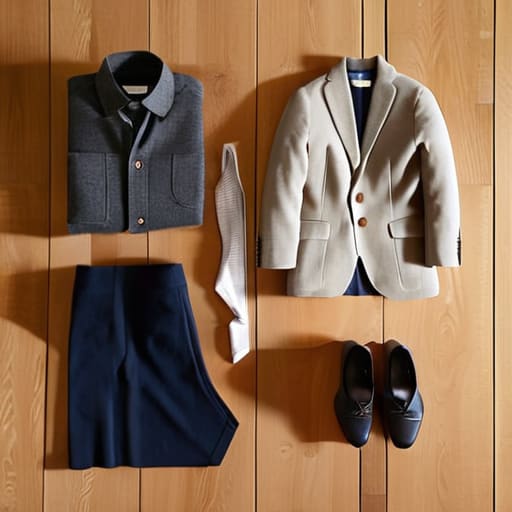
First, stop looking at your closet as a collection of individual items and start seeing it as a math problem. To achieve business casual on a budget, you need to prioritize “interchangeability.” This means every single top you own must work with at least three different bottoms. If you buy a beautiful patterned skirt that only works with one specific blouse, you haven’t bought a garment; you’ve bought a problem. When you are building a versatile clothing collection, aim for a neutral base of heavy-weight cottons and wool blends. These fabrics hold their shape through a thousand washes, whereas the thin, polyester-heavy “workwear” you see in fast-fashion windows will pill and lose its structure by your third Wednesday of the month.
Second, embrace the thrift store, but do it with a tailor’s eye. My best thrift store fashion tips always come back to the shoulder seam. If the shoulders of a blazer fit perfectly, I can fix almost anything else—the waist, the sleeve length, even the hem—for about £15 to £20. It is much cheaper to buy a high-quality, secondhand wool blazer that is two sizes too big and have it nipped in, than it is to buy a cheap, poorly constructed one that fits “fine” off the rack but looks flimsy.
Common Mistakes to Avoid
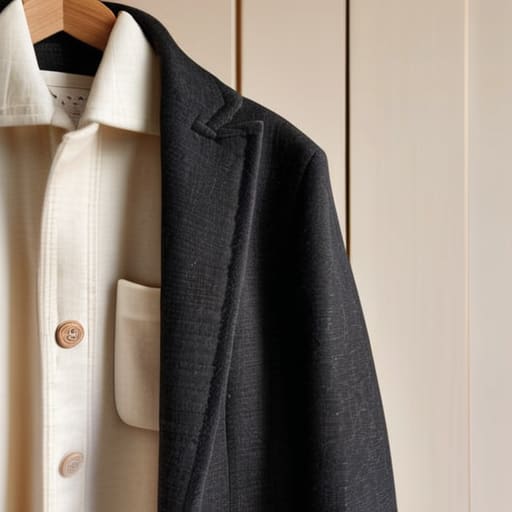
The biggest mistake I see is the “trend trap.” People head to the high street because they see a specific silhouette on Instagram, buy five cheap polyester blazers, and then wonder why they look like they’re wearing cardboard boxes. If the fabric doesn’t have any weight to it and the seams feel scratchy, it’s not a bargain; it’s a waste of money. You can’t build a capsule wardrobe for professionals out of items that lose their shape after three washes. Stop chasing the “look” and start looking at the fiber content on the care label.
Another massive blunder is ignoring the math of alterations. I see people spend sixty pounds on a “steal” from a charity shop, only to realize the shoulders are two inches too wide. If you have to spend another forty pounds to make it fit your frame, you haven’t found a deal—you’ve just bought an expensive project. When you are focusing on business casual on a budget, remember that a twenty-pound trouser with a ten-pound hem looks infinitely more expensive than a hundred-pound pair that drags on the floor.
Final Thoughts
Look, at the end of the day, building a functional work wardrobe isn’t about a massive credit card bill or hunting down every “must-have” piece from a seasonal lookbook. It’s about knowing your own measurements and understanding that a £15 polyester blazer from a charity shop can look like a thousand pounds if the shoulders actually sit where they’re supposed to. Stop treating your closet like a math problem you can’t solve; treat it like a series of small, strategic repairs and smart swaps.
If you focus on building a versatile clothing collection based on fabric weight and seam integrity rather than brand names, you’ve already won. You don’t need fifty mediocre shirts; you need five that don’t turn translucent after three washes. Whether you’re aiming for a strict corporate look or trying to master business casual on a budget, the secret remains the same: buy for the fabric, fix for the fit, and stop letting marketing departments tell you that your style is broken just because your bank account isn’t.
The Neve Method: 5 Ways to Cheat the System
- Stop buying “sets” and start buying separates that actually play well together. A cheap blazer and a pair of trousers only work if you can wear them with three other things already in your closet. If a piece only works in one specific outfit, it’s not a bargain; it’s a waste of thirty quid.
- Learn to read a care label like your life depends on it. If that “professional” blouse is 100% polyester and feels like a plastic bin bag, it’s going to pill and trap sweat by Tuesday. Look for natural blends—cotton, linen, or a bit of wool—because they breathe and they actually age with you rather than disintegrating in the wash.
- Budget for the “Tailor Tax.” If you find a gorgeous vintage wool blazer for ten pounds but the sleeves are three inches too long, you aren’t spending ten pounds; you’re spending thirty after the alteration. Always factor in the cost of the machine work before you tap your card.
- Ignore the “Trend” section entirely. Trends are designed to make last year’s clothes look obsolete, which is a scam to get you back in the shop. Stick to classic silhouettes—straight-leg trousers, crisp shirts, structured knits—things that look just as good on a Wednesday in 2026 as they do today.
- Thrift the heavy stuff. Don’t waste your money buying a cheap, flimsy trench coat from a high-street giant. Go to a charity shop and look for the heavy, structured coats that have been sitting there for years. They usually have better seam allowances and much thicker fabric, which means they’ll actually keep you warm without looking like a shapeless sack.
The Math of Style
Stop treating your bank account like a solution to a bad fit. You can spend five hundred pounds on a ‘professional’ blazer that sits weirdly on your shoulders and makes you look like you’re wearing a costume, or you can spend forty on a secondhand piece with good fabric and twenty on a tailor to make it actually fit your frame. One is a shopping problem; the other is a wardrobe.
Neve Okonkwo-Barr
The Bottom Line
Look, building a work wardrobe doesn’t require a massive credit limit or a subscription to a luxury fashion magazine. It requires you to stop looking at the price tag and start looking at the seam allowance and the fiber content. If you focus on natural fabrics that won’t pill after three washes, prioritize the fit over the brand name, and aren’t afraid to spend fifteen quid at a local tailor to make a second-hand blazer look like it was made for you, you’ve already won. It’s about the math: a £20 vintage wool skirt with a £15 waist adjustment is a better deal than a £120 polyester blend that loses its shape by lunchtime. Stop shopping for trends and start shopping for construction.
At the end of the day, your clothes are just tools to help you get through a Wednesday, a big presentation, or a long commute. They shouldn’t be a source of financial stress or a constant feeling of being “unpolished” because something fits slightly wrong. You don’t need a closet full of “investment pieces” to look like you have your life together; you just need a handful of reliable, well-fitted items that actually work for your body and your budget. Style isn’t something you buy—it’s something you maintain. Now, go check your labels and find that tailor.
Frequently Asked Questions
If I find a high-quality wool blazer at a charity shop but the sleeves are too long, is the cost of shortening them actually worth it compared to buying something new?
Absolutely. If it’s real wool, you’ve already won the hardest part of the battle. Synthetic blends pill and trap heat; good wool breathes and lasts decades. Shortening sleeves usually costs between £15 and £25 depending on your local tailor, and if you snagged that blazer for £10, you’ve built a £150 look for £35. That is actual maths. Don’t let a sleeve length stop you from owning a piece that actually fits your life.
Which specific fabric blends should I be looking for in the thrift bins that won't pill or lose their shape after three washes?
Look for high-percentage natural fibers. If it’s 100% wool or heavy cotton, grab it; those are the gold standards. If you’re seeing blends, aim for at least 70% natural (like wool, cotton, or linen) mixed with a small amount of synthetics like nylon or elastane for stretch. Avoid anything that’s mostly acrylic or polyester—that’s just plastic masquerading as knitwear, and it’ll pill before you even finish your first week of work.
How do I know if a garment is actually "fixable" by a local tailor, or if the construction is too cheap to bother with?
Turn the garment inside out. If you see raw, fraying edges or loose threads where the seams should be joined, walk away. Cheap fast fashion uses “overlock” stitching that’s basically just a glorified safety pin; there’s no seam allowance left to work with. If you want to take in a waist or shorten a hem, you need actual fabric inside that seam to grab onto. If it’s just a thin web of polyester thread, it’s a lost cause.
