Stop letting brands convince you that you need a specialized, $50 “premium leather revitalizer” every time you see a scuff. It’s absolute nonsense. Most of those fancy kits are just overpriced moisturizers wrapped in pretty packaging, and honestly, they’re usually a waste of your money. If you’re looking for a complete guide to shoe care that actually respects your bank account, you need to stop treating your footwear like delicate museum artifacts and start treating them like what they are: tools for living. I spent two years in a basement studio watching people throw away perfectly good leather boots just because the salt from a winter walk left a mark, and it infuriates me.
I’m not here to sell you a lifestyle or a twelve-step ritual that takes an hour every Sunday. I’m here to tell you how to keep your soles from falling off and how to tell the difference between a scratch you can buff out for the price of a coffee and a structural failure that actually needs a cobbler. This is the real math of longevity—knowing which fabrics can handle a damp cloth and when it’s actually worth paying for a professional resole.
Understanding Complete Guide to Shoe Care
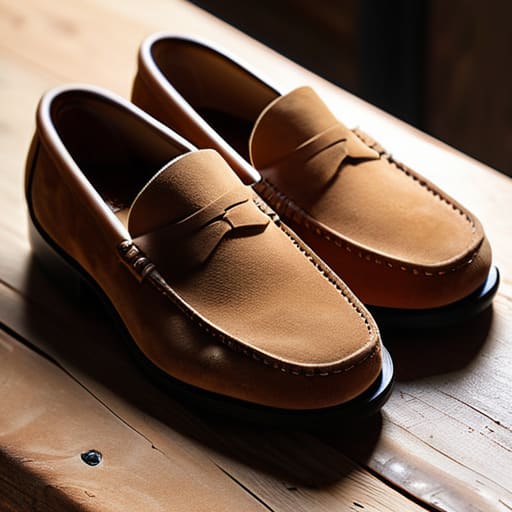
Before we get into the actual scrubbing and polishing, we need to stop treating all shoes like they’re made of the same indestructible plastic. A “complete guide to shoe care” is useless if you try to treat a pair of delicate suede loafers the same way you treat your heavy-duty leather boots. If you use the wrong liquid on suede, you aren’t cleaning it; you’re effectively murdering it. You need to learn specific suede cleaning techniques, like using a dry brush or a specialized eraser, rather than reaching for a damp cloth and hoping for the best.
It’s also about understanding the biology of the material. Leather is skin; it breathes, it dries out, and it cracks if you ignore it. Proper leather conditioner application isn’t just a luxury step for people with too much time—it’s the difference between a boot that lasts five years and one that looks like a dried-up raisin by next Christmas. If you invest in a decent conditioner, you’re essentially paying for the maintaining footwear longevity that prevents you from having to replace the whole pair in six months. Stop looking for magic sprays and start looking at the material composition.
Key Things to Know
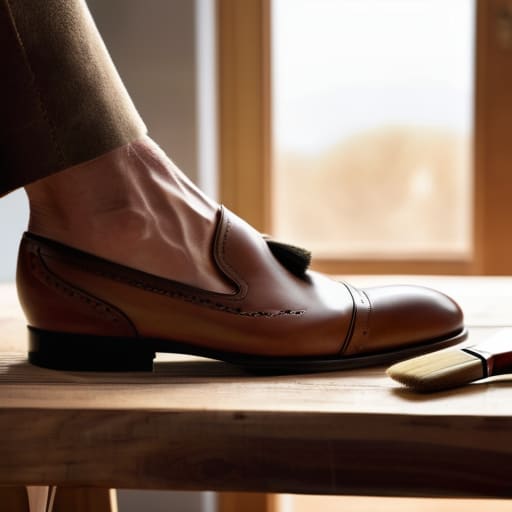
First off, stop treating your shoes like they’re disposable. The biggest mistake I see is people waiting until a shoe is literally falling apart before they even think about maintenance. If you want to actually succeed at maintaining footwear longevity, you have to understand that different materials have different rules. You wouldn’t put heavy grease on a silk blouse, so don’t treat your suede like it’s rugged cowhide. Suede is a magnet for grit; if you aren’t using specific suede cleaning techniques like a proper crepe brush, you’re just grinding the dirt deeper into the nap.
Second, let’s talk about the stuff you can’t see. Most people focus on the shine, but they forget about the interior. Preventing shoe odor isn’t about spraying expensive perfume into them; it’s about moisture management and letting the material breathe. If you’re wearing leather, a regular leather conditioner application is non-negotiable to stop the surface from cracking, but that only works if the leather isn’t already structurally compromised. It’s not about buying the most expensive kit; it’s about using the right tool for the specific fabric you’re holding.
Practical Tips and Steps
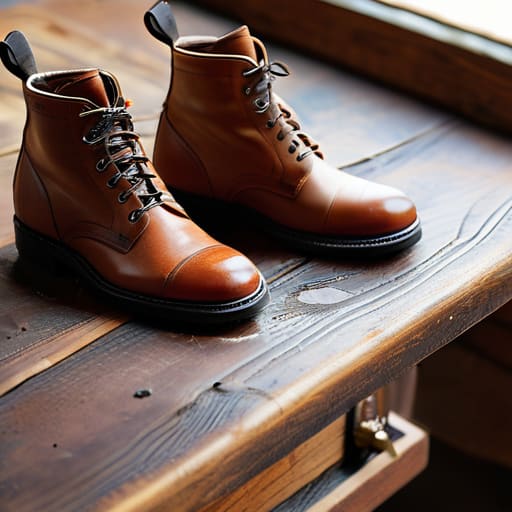
First, let’s talk about the stuff you actually need to buy. You don’t need a twenty-step ritual, but you do need the best shoe cleaning supplies that actually work—specifically a decent horsehair brush and a neutral cream. If you’re working with leather, the goal is leather conditioner application once every few months to stop the skin from cracking. If you skip this, you’re basically asking your shoes to turn into expensive paper scraps by next season. For suede, stop using water; you need a dedicated brush and a protector spray. It’s about protecting delicate materials before the rain ruins them, not trying to perform surgery after the damage is done.
Finally, if you want to stop the cycle of “I need new shoes because these smell,” start using cedar shoe trees. They aren’t just for show; they pull out moisture and help with preventing shoe odor while keeping the shape from collapsing. If you treat your shoes like tools rather than disposable accessories, you’ll find that maintaining footwear longevity is actually just a matter of five minutes of effort once a month.
Common Mistakes to Avoid
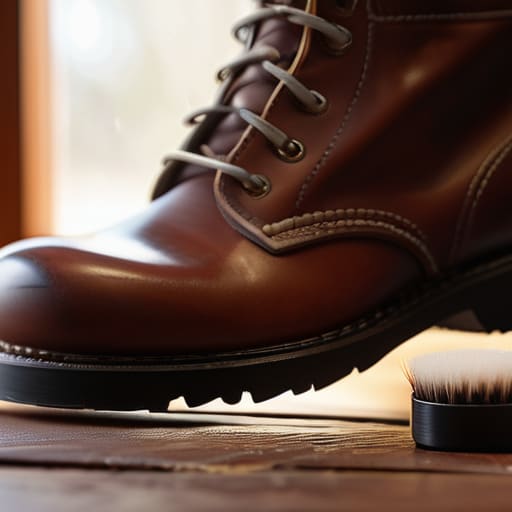
The biggest mistake I see? People treating their shoes like they’re disposable, when the reality is they’re usually just being mistreated. The most common offender is the “over-cleaner”—someone who uses harsh, supermarket-brand soaps that strip the natural oils right out of the hide. If you aren’t careful with your leather conditioner application, you’re basically turning a beautiful pair of boots into cracked, brittle cardboard within six months. It’s not about scrubbing them until they shine; it’s about feeding the material so it can actually do its job.
Then there’s the “one-and-done” crowd. They wear the same pair of heavy leather brogues three days straight without a break. Your feet sweat, and that moisture needs time to evaporate. If you don’t give them a rest day, you’re not just preventing shoe odor, you’re actually destroying the structural integrity of the shoe from the inside out. Also, please, for the love of everything holy, stop using a standard brush on your suede. If you don’t use specific suede cleaning techniques, you’ll just mash the nap down and turn a soft texture into a shiny, ruined mess.
Final Thoughts
Look, I’m not telling you to go out and buy a twelve-step professional kit just because a brand told you it’s “essential.” Most of that is just expensive marketing designed to make you feel like your current rotation is failing you. If you can master a simple leather conditioner application once every few months and actually use a brush, you’re already doing more than 90% of the people I see walking down the street. It isn’t about perfection; it’s about not being wasteful.
At the end of the day, my goal isn’t to turn you into a cobbler, but I want you to stop treating your shoes like they’re disposable. Whether you’re mastering specific suede cleaning techniques for those delicate loafers or just learning how to rotate your boots so they actually dry out, you are maintaining footwear longevity one small decision at a time. Stop looking for the next “must-have” pair and start looking at what you already own. A little bit of maintenance costs less than a takeaway, and your bank account—and your feet—will definitely thank you for it.
Five ways to stop treating your shoes like disposable plastic
- Stop wearing the same pair two days in a row. It feels like a time-saver, but it’s actually killing the leather. Materials need twenty-four hours to breathe and fully dry out from the moisture your feet produce. If you rotate two pairs, you’ll get twice the life out of both; if you wear one pair until it’s damp and salty, you’re basically inviting the structure to collapse.
- Get a cedar shoe tree, and don’t call it an “investment” if you’re buying a cheap plastic one. A real cedar tree does two jobs: it maintains the shape so the toe box doesn’t curl like a dried leaf, and it pulls moisture out of the lining. A good set of trees costs about what you’d spend on a few takeaway coffees, but they’ll save you from having to buy new shoes every six months.
- Learn to tell the difference between “cleaning” and “destroying.” If you’re using a harsh chemical spray on suede, stop immediately. Suede is a living texture; you need a soft brush and a dedicated eraser, not a chemical bath that turns it into stiff cardboard. For smooth leather, a bit of cream polish is fine, but if you’re applying it like you’re painting a fence, you’re just clogging the pores.
- Don’t ignore the soles until you see the floor through them. A cobbler can replace a worn-down rubber sole or add a thin Topy layer to protect expensive leather soles for a fraction of the cost of a new shoe. If you wait until the welt—the part where the upper meets the sole—starts to fray or crack, you’ve moved from a simple repair to a structural nightmare that’s rarely worth the maths.
- Watch the weather, not the trend. If it’s pouring rain, leave the nice leather loafers at home. I know, it’s annoying, but salt stains from winter slush are a nightmare to get out of leather and can permanently degrade the finish. If they do get wet, stuff them with newspaper—not a hairdryer, which will crack the leather—and let them dry naturally. It’s slow, but it’s the only way to keep the shape.
The Real Cost of a New Pair
Stop letting a scuffed heel or a dry leather surface trick you into thinking your shoes are dead; a $15 tin of conditioner and twenty minutes of your time will do more for your wardrobe than any ‘must-have’ seasonal drop ever could.
Neve Okonkwo-Barr
The Bottom Line
Look, at the end of the day, shoe care isn’t about performing some sacred ritual or buying a twelve-piece luxury cleaning kit that just sits in your cupboard gathering dust. It is about basic maintenance: letting them dry naturally, brushing off the grit before it eats your leather, and knowing when to take them to a professional cobbler instead of trying to DIY a structural disaster. If you treat your footwear with a bit of respect—and invest the tenner or twenty quid it costs to get a proper resole—you stop being a person who constantly replaces cheap, poorly made things. It’s about understanding that longevity is a choice you make every time you walk through the door.
I know the marketing tells you that the “new shoe feeling” is the only way to feel stylish, but that is a lie designed to keep your bank account empty. There is a specific, quiet confidence that comes from wearing a pair of boots that have actually molded to your feet and developed a bit of character through years of real life. A well-maintained shoe tells people you know who you are and that you don’t need a seasonal trend to hold you up. Stop chasing the next box on your doorstep and start loving the things you already own; I promise you, they have much more to offer than a pristine, unlived-in pair ever will.
Frequently Asked Questions
Is it actually worth paying a cobbler to fix a heel, or am I just throwing good money after bad on a pair of cheap boots?
It depends entirely on the construction. If it’s a cheap, glued-together boot with a synthetic sole, don’t bother—the moment you fix the heel, the upper will likely fall apart. But if there’s a stitched welt or decent leather, yes, pay the cobbler. A heel replacement is usually around £25–£40; if the boots cost more than a week’s groceries, that’s a win. Don’t let a worn heel ruin a good silhouette.
How can I tell if a leather shoe is actually high quality or just heavily coated in plastic to hide a bad grain?
Look at the grain, not the shine. If it looks like a perfect, repetitive pattern, it’s likely a plastic coating hiding cheap, corrected leather. Real leather is alive; it has tiny, irregular pores and slight variations. Press your thumb into it—real leather will develop soft, fine wrinkles like skin, whereas plastic-coated stuff just feels stiff and bounces back like a yoga mat. If it feels like a car seat, walk away.
If I've already ruined the shape of my shoes by wearing them every single day, is there any way to actually bring them back?
Look, if you’ve been wearing the same pair every single day, you haven’t just worn them down; you’ve crushed the structure. If the leather is creased and the heel is collapsing, you’re fighting an uphill battle. A professional resole and a heavy-duty cedar shoe tree can help, but if the internal shank is snapped, it’s dead. Don’t waste money on “restoration” creams for a structural failure. Sometimes, the math says it’s cheaper to replace them.
