Stop letting luxury brands convince you that you need a specialized, twenty-pound “leather rejuvenation kit” just to keep your daily driver from looking like a dried-out sponge. It’s a total scam. I spent two years in a basement studio pinning hems for people who thought a scuff meant a garment was dead, and I can tell you right now: most of that high-end maintenance marketing is just noise designed to make you feel unqualified to own nice things. If you actually want to learn how to care for a leather bag without draining your bank account, you need to stop looking at the glossy ads and start looking at the actual grain and the way the leather reacts to moisture.
I’m not here to give you a lecture on “lifestyle preservation”; I’m here to give you the practical math of longevity. I’ll tell you exactly which conditioners are worth the spend, why some “quick fixes” actually ruin your seam allowance, and how to spot the difference between a patina that looks expensive and a surface that’s just falling apart. We’re going to keep your bag in rotation for years, not just until the next trend cycle hits.
Understanding How to Care for a Leather Bag
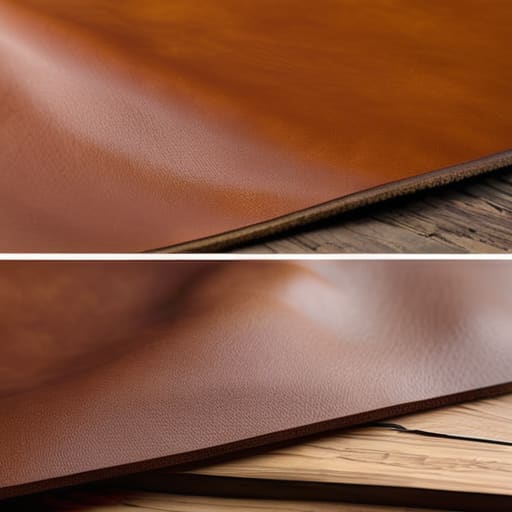
First, we need to talk about what you’re actually holding. Not all leather is created equal, and treating a buttery, aniline lambskin tote the same way you treat a stiff, corrected grain work bag is a one-way ticket to a ruined texture. If you’ve bought something high-end, the leather is likely porous and thirsty; if it’s a cheaper, heavily coated “genuine leather,” it’s basically wearing a plastic raincoat. Knowing which is which dictates your entire maintenance strategy.
The biggest mistake I see—and I’ve seen it in a thousand thrifted bags—is neglect leading to dehydration. When the natural oils evaporate, you get those tiny, spiderweb fractures that eventually turn into deep splits. Preventing leather cracks isn’t about some magical, expensive ritual; it’s just about consistent, sensible leather conditioner application every few months. Think of it like moisturizing your own skin. If you skip it, you aren’t saving money; you’re just shortening the lifespan of the item by a year or two. You want to feed the material so it stays supple, rather than letting it turn into a brittle, cracking mess that belongs in a landfill.
Key Things to Know
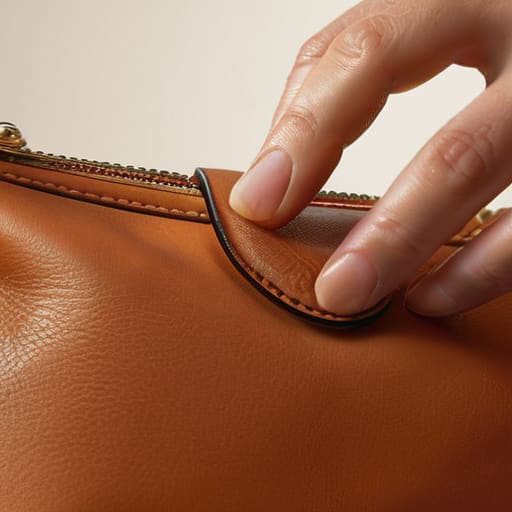
First, let’s talk about the physics of it. Leather is essentially skin; it’s porous, it breathes, and most importantly, it dries out. If you aren’t regular with your leather conditioner application, you’re basically asking for trouble. Once the natural oils evaporate, the fibers become brittle, and that’s when you see those tiny, ugly fissures. Preventing leather cracks isn’t about buying some expensive, branded “miracle elixir”—it’s about consistency. A decent, unfragranced cream applied every few months is usually enough to keep the material supple without making it feel greasy or heavy.
Second, stop treating your bag like it’s indestructible. If you catch a downpour, don’t panic, but don’t just leave it damp on a radiator either—that’s the fastest way to ruin the grain. If you’re serious about longevity, the best way to store leather goods is to keep them stuffed with acid-free tissue paper so they don’t lose their shape, tucked away in a dust bag. Avoid plastic bins at all costs; leather needs to breathe, or you’ll end up with a mildew problem that no amount of cleaning can fix.
Practical Tips and Steps
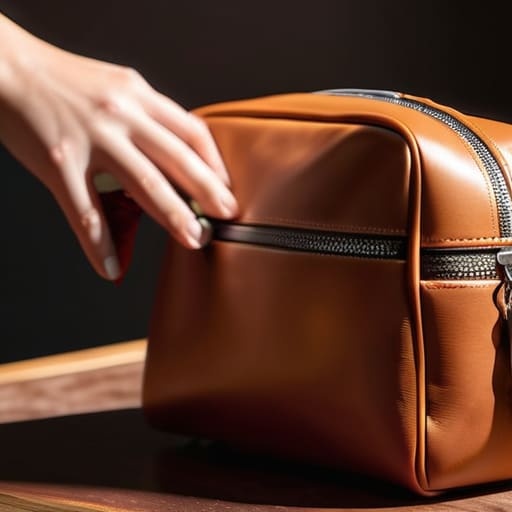
First things first: stop treating your bag like an afterthought. If you want to avoid the dreaded peeling or splitting, you need a regular leather conditioner application routine. Think of it like moisturizer for your skin; if the leather gets too dry, it loses its elasticity and starts to snap. I usually recommend doing this every three to six months depending on how much you actually use the piece. It’s a ten-minute job that is significantly cheaper than replacing a bag because the surface texture failed you.
When it comes to daily survival, a decent leather protection spray is your best friend, especially if you live somewhere where the weather can’t make up its mind. It creates a thin barrier that helps with preventing leather cracks and keeps grime from settling deep into the grain. And please, for the love of all things sartorial, if you do get caught in a downpour, don’t panic. Don’t use a hairdryer—that’s a one-way ticket to ruined leather. Just blot it gently with a soft cloth and let it air dry naturally away from any heaters.
Common Mistakes to Avoid
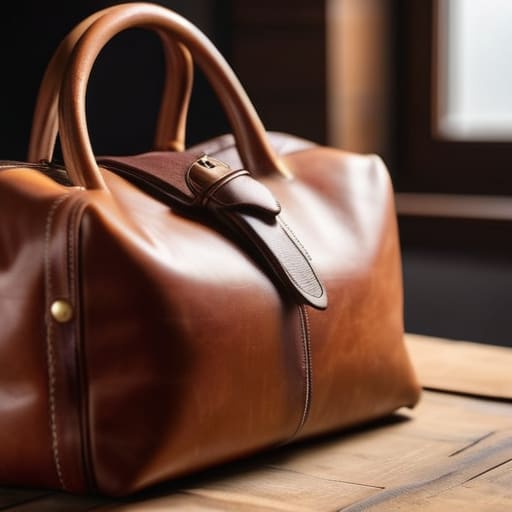
The biggest mistake I see—and it breaks my heart every time—is people treating leather like it’s indestructible plastic. I’ve seen beautiful, mid-range bags turned into peeling, sad-looking scraps because someone thought a wet wipe or a harsh dish soap would do the trick. Please, for the love of your wardrobe, stop using anything with alcohol or heavy chemicals on your bags. When you’re cleaning leather handbags, you want to be gentle; you aren’t scrubbing a kitchen counter. If you strip the natural oils out with aggressive cleaners, you are essentially inviting the surface to dry out and fail.
Another huge one is the “set it and forget it” mentality regarding storage. Shoving a bag into a dark, cramped closet or, even worse, hanging it by a thin strap, is a recipe for disaster. This is how you end up with permanent structural warping or, eventually, preventing leather cracks becomes an impossible battle because the material has been stressed for months. If you want your pieces to actually last, the best way to store leather goods is to stuff them lightly with acid-free paper to help them keep their shape and let them breathe in a cool, dry spot.
Final Thoughts
Look, I’m not telling you this so you can turn your closet into a museum of high-maintenance objects. I’m telling you this because a well-kept bag is a mathematical win. When you commit to regular leather conditioner application, you aren’t just “cleaning”; you are extending the lifespan of that item by years. If you treat your leather like a piece of equipment rather than a disposable trend, you stop being a consumer and start being a curator.
The goal isn’t perfection; it’s longevity. You don’t need a professional kit every weekend, but you do need to be mindful. If you find yourself worrying about preventing leather cracks or how to handle a sudden downpour, remember that most damage is just neglected maintenance. Stop looking for the next “must-have” and start looking at what you already own. If you take ten minutes a month to give your favorite pieces some love, you’ll realize that the most stylish thing you can wear is something that actually lasts.
The five ways you’re actually ruining your leather
- Stop treating your bag like it’s made of plastic. Leather is skin; it needs moisture to stay supple, or it’ll crack like a dried-up riverbed. Get a decent leather conditioner—not some scented mystery cream from a supermarket—and use it every few months. It’s a ten-minute job that saves you from having to replace a bag that should have lasted a decade.
- Watch the weather, seriously. I don’t care if it’s a “water-resistant” finish; if you leave your bag out in a downpour, the water is going to find the seams. If it does get soaked, don’t you dare put it next to a radiator to dry. That’s the fastest way to warp the shape and ruin the grain. Just stuff it with paper and let it dry naturally in the shade.
- Stop overstuffing the seams. I see this all the time in the studio—people trying to cram a laptop, a lunchbox, and three books into a structured tote. You’re stretching the leather and putting insane tension on the stitching. Once those threads snap, a tailor can fix it, but it’ll cost you more than the bag was worth in the first place.
- Learn the difference between your finishes. If you’ve got a high-shine patent bag, you can’t just slather it in heavy oils meant for a rugged biker jacket, or you’ll turn it into a greasy mess. Check the leather type first. Using the wrong product is just as bad as using nothing at all.
- Keep it away from the “cheap” stuff. If you’re carrying a bag next to a cheap, dye-heavy polyester scarf or a garment that hasn’t been properly set, that dye is going to migrate. I’ve seen more ruined luxury bags from color transfer than from actual wear and tear. If the fabric is bleeding, keep it away from your leather.
The real cost of neglect
A leather bag isn’t a disposable accessory; it’s a living thing that reacts to your life. You can spend five hundred pounds on a ‘designer’ piece, but if you let it crack because you were too lazy to condition it, you’ve just bought an expensive piece of landfill. Real style isn’t about the brand on the hardware, it’s about the patina you earn by actually looking after what you own.
Neve Okonkwo-Barr
The Long Game
Look, at the end of the day, caring for a leather bag isn’t about buying a ten-step ritual of expensive, branded creams that promise miracles. It’s about the basics: keeping it away from the rain, avoiding the temptation to overstuff the seams until they strain, and giving it a quick wipe or a bit of conditioning when the leather starts looking thirsty. If you respect the material—meaning you actually understand what it’s made of—you won’t need to replace it every time a new micro-trend hits the high street. It really comes down to being consistent rather than complicated; a little bit of maintenance every few months beats a total rescue mission once the leather has already cracked.
I want you to stop looking at your bags as disposable accessories and start seeing them as things that actually live with you. A bag that has a few scuffs from a rainy Tuesday or a slight patina from years of your hands gripping the handle isn’t “ruined”—it’s documented. That’s the real math of a good wardrobe: the cost-per-wear drops to almost nothing when you stop treating your things like they’re meant to be replaced. Buy better, fix what you can, and stop letting marketing tell you that “new” is better than “well-loved.”
Frequently Asked Questions
I found this amazing vintage bag at a charity shop, but it feels really stiff and dry—can I actually save it or is it too far gone?
It’s almost certainly not too far gone. Stiff, dry leather just means the natural oils have evaporated, leaving the fibers thirsty. If it’s not cracking or peeling like a sunburn, you can save it. Get a decent leather conditioner—not a cheap spray that’s mostly silicone—and work it in with your fingers. It’ll take a few rounds, but once those fibers soften, that vintage find will actually start behaving like a bag again.
Is it worth paying a professional to clean a designer bag, or can I just use a basic conditioner from the supermarket without ruining the finish?
Look, if it’s a £20 high-street bag, don’t bother with a pro. But if you’re talking about a piece with actual construction—think heavy grain leather or a delicate calfskin—stay away from that supermarket conditioner. Most of those are just cheap oils that sit on the surface, clog the pores, and eventually make the leather look greasy and fake. If it’s a serious piece, pay the professional. It’s cheaper than replacing a ruined finish.
How do I know if a leather bag is actually high quality or just a cheap split leather that's going to peel in six months?
Look for the grain. If it looks like a perfect, repeating pattern of tiny pores, it’s likely a “corrected” split leather with a plastic coating—that’s what peels. Real leather has tiny imperfections and a natural, slightly irregular texture. Do the scratch test: a light graze with a fingernail might darken the surface slightly; if it feels like cold, stiff plastic, walk away. If it smells like a chemical factory instead of a tannery, it’s not an investment.
