Stop letting brands convince you that you need a fifteen-step ritual and a specialized “leather rejuvenation kit” just to prevent a scuff. It’s a total racket. I spent two years in a cramped basement studio watching people spend a week’s grocery budget on “premium” cleaning foams that do nothing more than add unnecessary chemicals to the leather. If you want to know how to keep shoes looking good, you don’t need a subscription service; you need to understand the actual physics of the materials you’re wearing. Most of that expensive marketing is just expensive water in a fancy bottle, designed to make you feel like your footwear is more fragile than it actually is.
I’m not here to sell you a lifestyle or a miracle product; I’m here to give you the actual maths of maintenance. I’ll show you which cheap protectors are worth the five pounds and which ones are a waste of time, and exactly how much a professional resole costs compared to just buying a new pair of fast-fashion sneakers. We’re going to talk about fabric resilience and practical care that works on a rainy Tuesday, not just for a curated Instagram feed.
Understanding How to Keep Shoes Looking Good
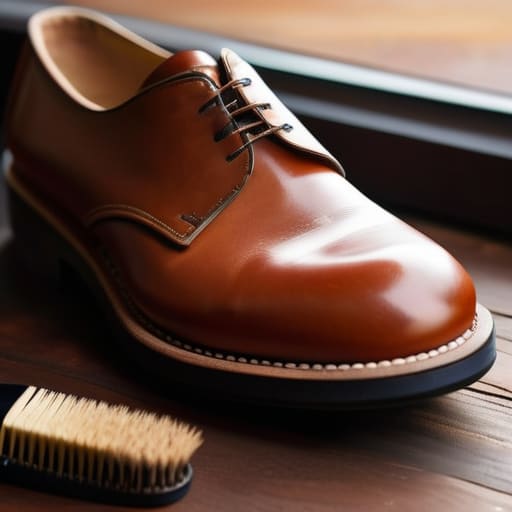
First, we need to stop treating shoes like they’re disposable, even the ones that feel like it. The biggest mistake I see is people assuming that once a scuff appears, the life of the shoe is over. It isn’t. Whether you’re dealing with a stiff derby or a beat-up trainer, the secret to extending footwear lifespan isn’t a magic product; it’s understanding the material you’re actually holding. If it’s leather, it needs moisture so it doesn’t crack like a dry riverbed. If it’s suede, you need to treat it like a delicate antique, not a piece of gym equipment.
You also have to look at the structural side of things. I spend half my life looking at people’s feet and seeing how their footwear has collapsed because they didn’t use shoe trees or even just some crumpled paper to hold the shape. If you want to avoid that sad, slumped look, you need proper shoe storage solutions that actually support the silhouette. It’s the difference between a shoe that looks like it’s been lived in and one that looks like it’s been abandoned.
Key Things to Know
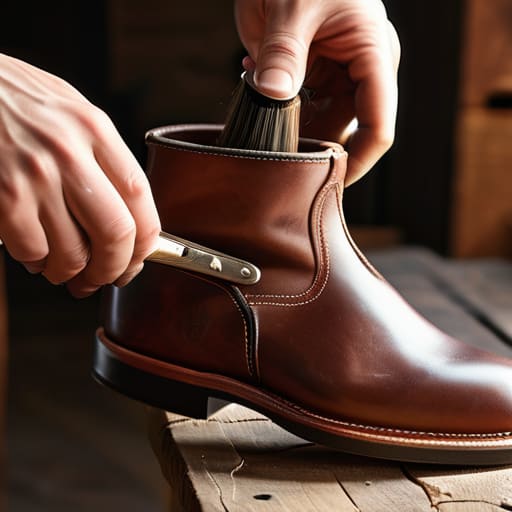
First, stop treating your footwear like an afterthought. If you want to actually succeed at extending footwear lifespan, you have to respect the chemistry of the materials. A high-street trainer and a pair of Goodyear-welted boots require entirely different levels of respect. For leather, it’s about moisture; if you let the hide dry out, it cracks, and once a crack hits the structural part of the vamp, no amount of polish is saving you. You aren’t just “cleaning” them; you are performing basic preventative maintenance to stop the material from degrading.
Second, let’s talk about the specific misery of texture. If you own suede, stop hovering near the rain clouds and learn how to clean suede shoes using a dedicated brush and eraser rather than a damp cloth. Water is the enemy of nap. Similarly, if you’re obsessed with your kicks, preventing sneaker creases isn’t about magic; it’s about using shoe trees or even just stuffing them with paper when they aren’t on your feet to maintain the shape. It costs nothing, but it stops that “tired” look that makes even expensive shoes look cheap.
Practical Tips and Steps
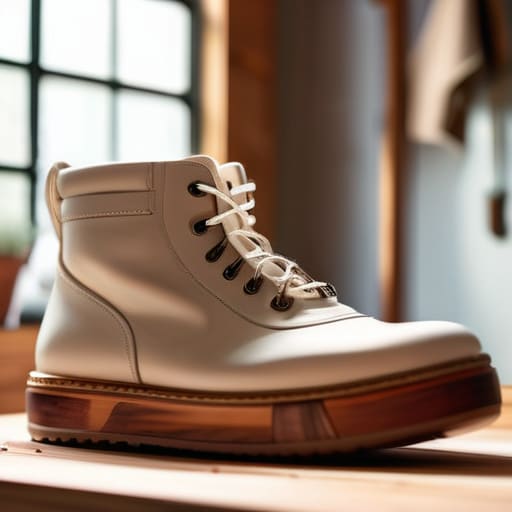
First, stop treating your shoes like an afterthought and start treating them like a structural project. If you’re wearing leather, stop buying those cheap, chemical-heavy wipes that dry out the hide; you’re essentially asking for cracks. Instead, invest in a decent conditioner. Think of it as moisturizer for your feet’s foundation. For the sneaker crowd, the biggest enemy is the fold. If you want to commit to preventing sneaker creases, you need to use cedar shoe trees or even just stuff them with acid-free tissue paper when they aren’t on your feet. It keeps the shape from collapsing under its own weight.
When it comes to the tricky stuff, like suede, please don’t reach for a wet cloth. That is a one-way ticket to a permanent stain. You need a dedicated suede brush and a rubber eraser to lift the nap without flattening it. For everything else, extending footwear lifespan comes down to two things: rotation and storage. Never wear the same pair two days in a row; they need twenty-four hours to breathe and shed the moisture from your feet. Keep them in a cool, dry spot—not a damp hallway—and you’ll actually get your money’s worth.
Common Mistakes to Avoid
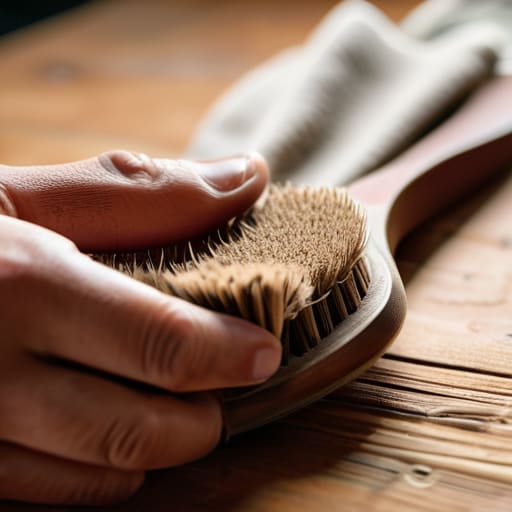
The biggest mistake I see is treating every material like it’s made of indestructible plastic. People grab a generic brush and some random soap, then wonder why their expensive loafers look like they’ve been through a car wash. If you are working with suede, for heaven’s sake, stop using water. You need to learn how to clean suede shoes using a dedicated brush and eraser, or you’re just turning a minor scuff into a permanent, fuzzy disaster. It’s the same with leather; using cheap, oil-heavy conditioners can actually clog the pores and cause the material to crack over time.
Another one that breaks my heart is the “one-and-done” rotation. If you wear the same pair of boots every single day, you aren’t just wearing them out; you’re letting moisture sit in the fibers without a chance to breathe. Investing in proper shoe storage solutions, like cedar shoe trees, is the cheapest way to ensure you’re extending footwear lifespan by maintaining the shape and absorbing that deep-seated dampness. Don’t let your shoes die just because you were too lazy to give them a night off.
Final Thoughts
Look, I’m not asking you to become a professional cobbler or spend your entire Saturday buffing loafers. That’s not realistic for anyone with a job or a life. My point is that style isn’t about having a fresh box of shoes every season; it’s about the respect you show the things you already own. If you invest ten minutes a month into basic leather shoe maintenance tips—like a quick wipe down or a bit of conditioner—you are essentially tricking the clock. You aren’t just delaying the inevitable; you are actually extending your footwear lifespan by years, not just months.
Stop waiting for a catastrophic tear to happen before you care about your kit. Whether it’s learning how to clean suede shoes without turning them into a felted mess or simply being mindful of how you kick your sneakers off at the door, the small habits are what matter. If you treat your shoes like they have value, they’ll actually behave like they do. It’s much cheaper to buy a decent protector spray now than to replace a ruined pair of boots in December.
The non-negotiables for making your shoes actually last
- Stop wearing the same pair two days in a row. It sounds like a chore, but leather needs time to dry out from the moisture your feet sweat every single day. If you don’t give them a twenty-four-hour break, the leather stays damp, loses its shape, and starts to crack. It’s the difference between a pair that lasts three years and a pair that dies in six months.
- Get yourself some cedar shoe trees. I know, they feel like something your grandad would use, but they are the only way to fight the structural collapse that happens when shoes sit empty. They pull out the moisture and hold the shape so you aren’t fighting a permanent crease in the toe box every time you put them on.
- Learn the difference between a brush and a rag. You can’t just wipe expensive leather with a damp kitchen towel and call it a day. You need a soft brush to get the grit out of the stitching—because that grit is what acts like sandpaper and eats your seams—and then a proper conditioner to keep the fibers from becoming brittle.
- Treat your soles before they become a problem. If you’ve spent a decent amount on a pair of boots, spending twenty quid on a cobbler to add a thin rubber protector sole is the smartest math you’ll ever do. It stops the leather sole from being eaten away by the pavement, and it’s much cheaper than a full resole later.
- Don’t let “cleaning” become “destroying.” If you’re cleaning suede, stop using anything that involves a heavy amount of water. Suede is temperamental; you want a dedicated crepe brush and a gentle eraser. If you soak it, you’ve just turned a nice texture into a matted, stained mess that no amount of brushing will fix.
The Real Cost of Maintenance
Stop waiting for your shoes to fall apart before you give them a bit of love; spending ten quid on a decent protector and a brush now is a lot cheaper than replacing a scuffed heel because you thought ‘durability’ was something you could just buy in a box.
Neve Okonkwo-Barr
The Bottom Line
At the end of the day, keeping your shoes in rotation isn’t about buying a ten-step luxury care kit that sits gathering dust on your shelf. It is about the small, boring stuff: rotating your pairs so the leather actually has time to dry out, brushing off the grit before it acts like sandpaper on your seams, and knowing when a $15 cobbler visit is more valuable than a $100 replacement. Whether you are dealing with scuffed loafers or salt-stained boots, remember that maintenance is cheaper than replacement. If you treat your footwear like a tool rather than a disposable accessory, you stop being a victim of the “buy-and-toss” cycle.
We have been conditioned to think that looking polished requires a constant stream of newness, but that is just clever marketing designed to keep your bank account empty. Real style isn’t found in a brand-new box; it’s found in the character of a well-loved, well-maintained shoe that actually fits your life. Stop worrying about that tiny scratch and start focusing on the structural integrity of what you already own. When you master the art of the upkeep, you aren’t just saving money—you are building a wardrobe that actually has something to say.
Frequently Asked Questions
Is it actually worth paying a professional cobbler to resole my boots, or am I just throwing good money after bad?
It depends entirely on the construction. If those boots are glued together—what we call cemented construction—stop right there. You’re throwing money into a furnace because once the sole delaminates, the upper is usually toast. But if they’re Goodyear welted? Absolutely. A resole might cost you £50 to £80, but it turns a dying boot into a decade-long companion. Check the welt; if it’s stitched, pay the cobbler. If it’s glue, walk away.
How can I tell if a leather shoe is actually high quality or if it’s just a cheap split-leather finish that’s going to crack in three months?
Don’t let a shiny finish fool you; that’s usually just plastic coating hiding mediocre split-leather. To find the real stuff, look at the edges and the grain. If the “leather” looks perfectly uniform, like it was printed by a machine, run. Real full-grain leather has tiny, irregular pores and imperfections. Also, check the smell—if it smells like a chemical factory instead of a workshop, it’s going to crack the second it hits a puddle.
If I buy second-hand shoes from a charity shop, what specific signs should I look for to know if they're even fixable?
Check the sole first. If the rubber is crumbling or peeling away from the upper, walk away—that’s a structural death sentence. Look at the heel; if the lift is worn down at a sharp angle, it means the wearer was dragging their feet, which ruins the gait and the shoe’s shape. Most importantly, check the interior lining. If it’s shredded and sweaty, it’s a hygiene nightmare that’s more expensive to fix than the shoe is worth.
