I spent three years in a basement studio pinning hems for people who were convinced they were “getting too big,” when in reality, the brand had just decided a size 10 should suddenly fit like a size 6. I’ve watched grown adults stand in changing rooms, staring at a label with genuine shame, because they can’t understand how sizing became meaningless in the span of a single season. It isn’t your body that’s failing the garment; it’s the industry’s obsession with vanity sizing and inconsistent grading that has turned every shopping trip into a psychological battlefield.
I’m not here to sell you a new capsule wardrobe or tell you to “embrace your curves” with a generic platitude. I’m here to pull back the curtain on the math of manufacturing and tell you why that “investment piece” you saw online is actually a structural nightmare. I will show you exactly where the seams are failing, how to spot a cheap pattern before you tap your card, and how to use a tailor to turn a “maybe” into a perfect fit for the price of a few lattes.
The Great Label Lie How Sizing Became Meaningless
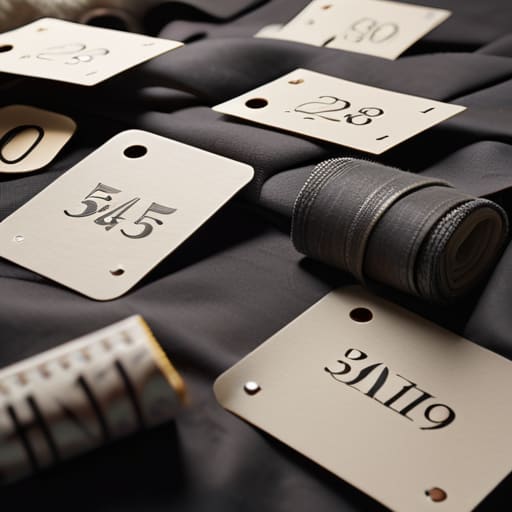
Here is the truth: that “Size 8” you just tried on in a high-street shop is a complete fiction. It has nothing to do with your actual body and everything to do with a chaotic mess of garment manufacturing variations. One brand’s 8 is another brand’s 12, and honestly, sometimes it’s a 6 if the fabric has too much stretch. We like to pretend there’s a logic to it, but there isn’t. Most of these labels are just guessing, or worse, they are intentionally shifting the numbers to play with the psychology of vanity sizing.
When brands realize that seeing a higher number on a tag makes us feel terrible, they quietly nudge the measurements up. It’s a shell game. This creates massive retail sizing discrepancies that make getting dressed feel like a math exam you didn’t study for. You aren’t “getting bigger”; the industry just stopped using any semblance of standardized apparel measurements. Instead of designing for human shapes, they design for a spreadsheet, leaving us to fight with zippers and waistbands that were never meant to cooperate in the first place.
Vanity Sizing the Psychology of Making You Feel Small

Here is the psychological trick they play on us: brands realized early on that if they make a size 12 feel like a size 10, you’re more likely to walk out of the shop feeling good rather than defeated. This is the psychology of vanity sizing in action. It’s a clever way to mask the fact that there are zero standardized apparel measurements across the board. Instead of fixing the chaotic way clothes are actually cut, they just manipulate the numbers on the tag to give you a temporary hit of dopamine.
The problem is that this hit is fake. When you go from a size 10 at one shop to a size 14 at another, it doesn’t mean your body changed; it means the brand is playing games with the math. This constant shifting has a massive impact of sizing on consumer confidence, leaving most people feeling like they’re failing a test they never signed up for. You aren’t “getting bigger,” you’re just navigating a landscape of intentional retail sizing discrepancies designed to keep you chasing a number that doesn’t actually exist.
Manufacturing Chaos and Wild Retail Sizing Discrepancies
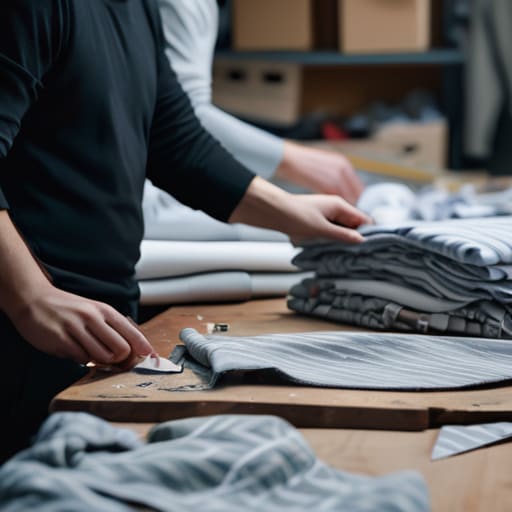
The real nightmare starts when you realize there is no actual “rulebook” being followed behind the scenes. We like to imagine there are standardized apparel measurements that every factory respects, but in reality, it’s a free-for-all. One brand’s “Medium” is built on a block pattern from the nineties, while another’s is slashed for a slim-fit aesthetic that ignores anyone with actual ribs or hips. These garment manufacturing variations aren’t just accidents; they are the result of brands chasing different silhouettes without any regard for a universal baseline.
When you jump from a high-street staple to a boutique label, you aren’t just changing styles—you are navigating a minefield of retail sizing discrepancies. I’ve spent hours in my studio looking at two “Size 10” trousers that couldn’t look more different if they were made of different planets. One has a generous seam allowance that allows for a quick adjustment, while the other is cut so narrow that a tailor can’t save it without ruining the entire drape. It’s not you; it’s just manufacturing chaos.
Standardized Apparel Measurements vs Real Human Bodies
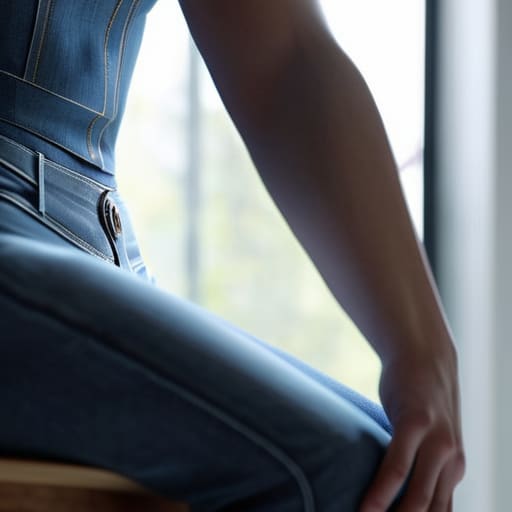
The problem is that brands treat “standardized apparel measurements” like they’re working with mannequins made of plastic and math, rather than actual people with hips, shoulders, and varying degrees of posture. They use a static set of numbers to represent a moving target. When a brand says a Medium is a 36-inch waist, they aren’t accounting for the fact that humans breathe, sit down, and actually move. They are designing for a geometric ideal that doesn’t exist in the wild.
This disconnect creates massive garment manufacturing variations that make every shopping trip feel like a gamble. You can buy the exact same shirt in the exact same size, but because the cutting room floor was slightly off or the fabric tension was different in that batch, it fits like a tent or a second skin. We’ve been taught to blame our bodies for these mathematical failures, but the truth is that the industry is trying to fit a diverse, living population into a narrow, rigid grid. If the clothes don’t fit, it isn’t because you’ve changed; it’s because the standard is a lie.
Ignore the Number Reclaiming Your Confidence Through Fit
Once you accept that the number on that little white tag is basically a random guess, something shifts. You stop walking into a dressing room with a sense of impending doom, wondering which “size” is going to fail you today. The impact of sizing on consumer confidence is massive; we’ve been conditioned to think a tight waistband is a personal moral failing rather than a simple result of garment manufacturing variations. When you realize that a Size 10 in one shop is a Size 14 in another, the number loses its power to make you feel small.
The trick is to stop shopping for a label and start shopping for geometry. I tell my clients all the time: look at the shoulder seam, check the fabric drape, and ignore the digits. If the hips fit but the waist is gaping, don’t put it back on the rack in shame. That’s a £15 dart adjustment away from being your favorite pair of trousers. We are fighting against massive clothing industry standard deviations, so stop letting a broken metric dictate how you feel when you catch your reflection on a Wednesday morning.
How to Shop When the Labels Have Lost Their Minds
- Buy for the widest part of your body, not the “ideal” one. If you have hips that demand a size 14 but a waist that fits a 10, buy the 14. It is significantly cheaper and easier for me to take in a waist than it is to try and magically engineer extra fabric into your hips.
- Get a soft measuring tape and stop looking at the tag. A ‘Medium’ at one shop is a ‘Small’ at another, but your actual bust and waist measurements don’t change just because a brand wants to feel inclusive. Keep those numbers in your phone notes; they are the only truth you have.
- Check the fabric composition before you even look at the price. If it’s 100% polyester with zero stretch, that size is going to be a cage. Look for a bit of elastane or a weave that actually moves with you, otherwise, you’re paying for a garment that will fight you every time you sit down.
- Treat the price tag as a starting point, not a final verdict. If you find a gorgeous wool blazer that fits perfectly in the shoulders but is gaping at the stomach, factor in a £15–£25 alteration cost. If the math still works, it’s a win; if not, leave it on the rack.
- Focus on the shoulder seam, not the waistline. You can fix almost anything from the waist down—hems, darts, tapering—but if the shoulder seam is drooping halfway down your arm, that garment is structurally broken for your frame and usually isn’t worth the fix.
The Math of the Myth
Stop treating a size number like a personality trait or a measurement of your worth; it’s just a random variable assigned by a factory that cares more about your impulse buy than your actual waistline. If the label says 10 but the seam is pulling across your hips, the label is wrong, not your body.
Neve Okonkwo-Barr
The End of the Size Struggle
Look, we’ve established that the number on that little white tag is essentially a random digit assigned by a marketing department to make you feel something—usually something bad. Between vanity sizing, manufacturing chaos, and the fact that “standard” measurements were never actually designed for real, breathing humans, the system is fundamentally broken. You cannot win a fight against a moving target. Instead of trying to shrink yourself to fit a label that changes every season, start looking at the actual construction of the garment. Check the shoulder seams, feel the weight of the fabric, and look at how the drape hits your hips. Stop asking “Am I a size 10?” and start asking “Does this fabric work for my life?”
At the end of the day, your clothes are meant to serve you, not the other way around. If you find a piece that makes you feel like a person rather than a mannequin, but the waist is gaping or the hem is dragging, don’t walk away. Take it to a tailor. A twenty-pound alteration is a much better investment than a hundred-pound piece of fast fashion that sits in your closet because it doesn’t sit right. Stop letting a piece of polyester scrap dictate your worth. The fit is the goal, not the number, and once you realize that, you stop being a consumer and start being a person with a wardrobe.
Frequently Asked Questions
If the numbers on the labels are basically random, how am I supposed to know what to actually look for when I'm browsing online?
Stop looking at the number and start hunting for the measurement chart. If a site doesn’t list specific centimeters or inches for the bust, waist, and hips, close the tab—they’re guessing, and you’ll be too. Grab a measuring tape, find a garment you already love that fits perfectly, and compare those numbers to the listing. It’s extra work, but it beats the heartbreak of a return shipment.
At what point does a garment become "unfixable" by a tailor, and when is it just a waste of money to try and save it?
If the structural integrity is gone, walk away. If the shoulder seams are too wide or the armholes are sliced too low, you’re fighting physics, and the tailor will lose. It’s a money pit. Also, watch out for cheap, synthetic blends; they don’t hold a stitch well once you start deconstructing them. If an alteration costs more than half what the garment is worth, it’s not a “fix”—it’s a bad investment. Just leave it on the rack.
Is there a way to tell if a piece of clothing is actually high-quality or just well-sized before I commit to the alteration cost?
Look, don’t let a perfect fit trick you into buying junk. Before you pay a tailor to fix a seam, check the guts. Run your hand along the inside: is it finished with clean, bound seams, or is it just raw edges and loose threads? Check the fabric weight—does it feel substantial or like tissue paper? If it’s 100% polyester with zero drape, no amount of tailoring will make it look expensive.
