I spent two years in a damp basement studio pinning hems for a bridal shop, and if there is one thing I learned, it’s that the fashion industry is lying to you. They want you to believe that if a pair of trousers pulls at the hip or a blazer makes your shoulders look like a linebacker’s, you simply need to spend more money on a different brand. That is nonsense. Most of your “style” issues aren’t actually about your body or your bank account; they are about construction and seam allowance. I’ve realized that a complete guide to fit shouldn’t be a list of expensive brands to buy, but a manual on how to actually make clothes behave on a human frame.
I’m not here to sell you a capsule wardrobe or tell you to “invest” in a designer piece that’s going to fall apart after three washes. Instead, I’m going to show you the math behind a good garment. I’ll tell you exactly which fabrics hold their shape, which alterations are worth your time, and how to spot a well-cut shoulder from across the room. This is a no-nonsense roadmap to making what you already own—or what you can actually afford—look like it was made specifically for you.
Understanding Complete Guide to Fit
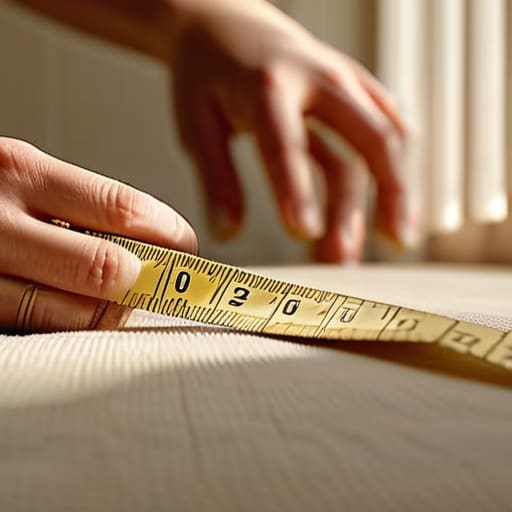
Before you even look at a price tag, you have to stop thinking in terms of “Small, Medium, or Large” and start thinking about geometry. Most brands use a sizing system that is essentially a suggestion rather than a rule, which is why you can be a size 10 in one shop and a 14 in another. To actually get this right, you need to master how to measure yourself for clothes using a soft tape, focusing on your high bust, natural waist, and the widest part of your hips. Don’t trust the number on the label; trust the actual inches.
Once you have your numbers, it’s about understanding garment silhouettes and how they interact with your frame. A structured blazer creates a different visual line than a fluid silk blouse, and that distinction dictates how much work a tailor will eventually have to do. You aren’t looking for a garment that fits perfectly off the rack—that’s a myth designed to make you spend more. You are looking for a piece with enough seam allowance and good fabric weight to allow for tailoring alterations later.
Key Things to Know
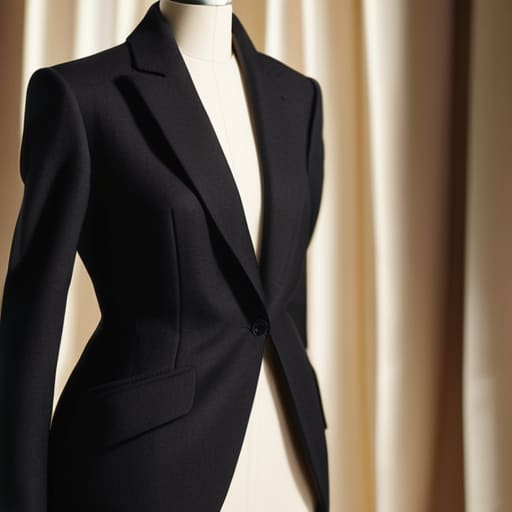
Before you even touch a measuring tape, you need to understand that a size tag is a suggestion, not a law. Brands use different grading scales, which is why a size 10 in one shop feels like a tent and a size 14 in another feels like a second skin. Instead of obsessing over the number, focus on understanding garment silhouettes and how they interact with your actual frame. Are you looking for a structured, architectural shape that holds its own, or something fluid that moves with you? If you don’t know the difference, you’re just guessing in a dressing room.
The real secret to looking put-together isn’t finding the “perfect” size off the rack—it’s knowing how to measure yourself for clothes accurately so you can shop for the widest part of your body and let a tailor handle the rest. I always tell my clients: buy for the hips or the shoulders, and fix the gaps later. It is much cheaper to take in a waist than to try and let out a seam that doesn’t have the extra fabric.
Practical Tips and Steps
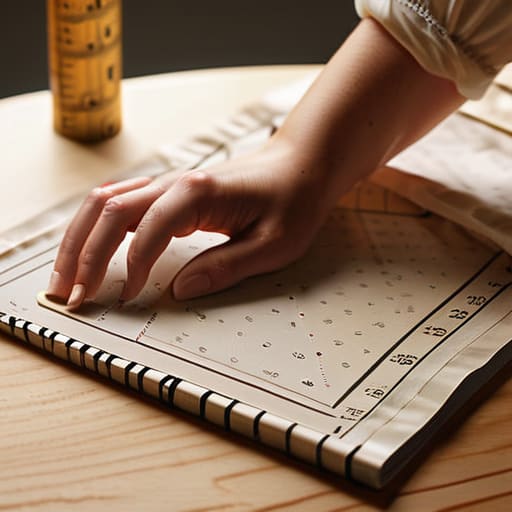
First, stop guessing your size based on a label. Sizing is a lie invented by brands to make you feel inconsistent. If you want to stop the cycle of returning half your wardrobe, you need to learn how to measure yourself for clothes using a soft tape and a mirror. Focus on your high bust, your natural waist (where you actually bend), and your hips. Don’t just write down a number; write down the measurements. When you know your actual dimensions, you stop shopping for a “Size 10” and start shopping for a garment that actually has enough fabric to accommodate your frame.
Once you have those numbers, look at the construction. You need to start understanding garment silhouettes—is it an A-line that skims the hips, or a structured blazer that needs a shoulder adjustment? If you find something you love but the waist is gaping, don’t walk away. That is where tailoring comes in. A simple dart or a tapered seam can turn a “maybe” into a “hell yes” for about twenty quid. Always buy for the widest part of your body and let a professional handle the rest.
Common Mistakes to Avoid
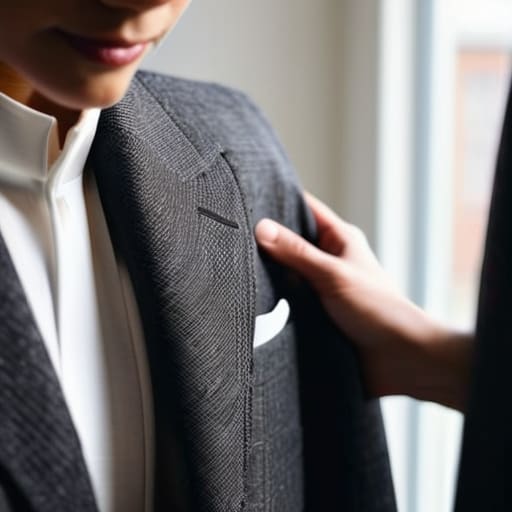
The biggest mistake I see—and I see it every single day in the studio—is people buying for the body they wish they had rather than the one they actually have. We’ve been conditioned to think that if a waistband is digging in or a shoulder seam is drooping, we just need to “size up” to find comfort. That is a trap. Sizing up usually just means you’re buying more fabric that you’ll eventually have to pay a tailor to remove. Instead of chasing a magic number, you need to start understanding garment silhouettes and how they actually sit on your frame. A size 12 in a structured wool blazer is a completely different beast than a size 12 in a jersey wrap dress.
Another massive blunder is ignoring the math of the fabric. People will find a “perfect” piece on sale, only to realize it’s made of a synthetic blend so thin that it has zero structural integrity. You can attempt all the tailoring alterations for better fit you want, but you can’t tailor a piece of fabric that has no soul or substance. If the material is flimsy, the shape won’t hold, no matter how much you pin it. Stop looking for the “right” size and start looking for the right construction.
Final Thoughts
Look, at the end of the day, your wardrobe shouldn’t be a source of stress or a collection of “maybe one day” pieces hanging in the dark. If you’ve spent any time understanding garment silhouettes or learning how to spot a decent seam, you’re already ahead of 90% of the people walking down the street. Style isn’t about having a massive budget or a closet full of designer labels; it’s about the relationship between the fabric and your actual, moving, living body.
Stop waiting for the “perfect” item to appear on a rack. It rarely exists in its final form. Instead, start looking at every piece as a work in progress. Whether you are mastering tailoring alterations for better fit or just learning how to navigate a size chart without losing your mind, remember that the goal is utility. You want clothes that work on a rainy Tuesday just as well as they do at a wedding. Buy for the fabric, fix for the shape, and stop letting marketing departments tell you that you’re the problem. The clothes are the problem; the fix is usually just a quick trip to the tailor.
Five ways to stop fighting your clothes and start wearing them
- Check the seam allowance before you buy. If you find a vintage blazer or a high-quality wool trousers with at least an inch of extra fabric inside the seam, buy it even if it’s a size too big. That extra fabric is your “math insurance”—it means a tailor can actually let it out to fit your body. If the seam is cut close to the fabric, you’re stuck with it forever.
- Stop buying “stretchy” to hide a bad fit. People think Lycra is a magic wand for comfort, but it’s actually a structural nightmare. Once that elasticated weave loses its memory, the garment sags in all the wrong places—usually at the knees or the seat—and no amount of pinning can fix a fabric that has physically given up. Stick to stable fabrics like heavy cotton, linen, or wool; they hold their shape, and shape is what makes you look put-together.
- Learn the “Shoulder Rule” for jackets and coats. You can fix a waist that’s too wide or a sleeve that’s too long for about £15-£25, but if the shoulder seam is drooping down your arm or pinching your collarbone, run. Altering a shoulder is a structural overhaul that often costs more than the garment itself. If the shoulders don’t work, the whole silhouette is a lost cause.
- Look at the weight, not the label. A “luxury” silk blouse that weighs nothing is going to cling to every single thing you’re self-conscious about and show every wrinkle from sitting in a car. I’d rather you have a mid-range, heavy-weight crepe that drapes straight down the body than a designer piece that acts like cling wrap. Weight equals stability, and stability equals a better fit.
- The “Sit Test” is non-negotiable. Never buy trousers or a fitted skirt based on how they look while you’re standing still in a brightly lit changing room. Sit down. If the waistband digs into your ribs or the fabric pulls horizontally across your hips, they aren’t “slim fit”—they’re just too small. A garment that looks great standing up but makes you hold your breath sitting down is a garment you will never actually wear.
The Real Cost of a Good Fit
Stop looking at the price tag to tell you if a garment is worth it; look at the seam allowance and the fabric weight instead. Most people think they need a bigger budget to look better, but they actually just need a better tailor and the willingness to stop buying clothes that are designed to fit a mannequin instead of a human life.
Neve Okonkwo-Barr
The Bottom Line
Look, we’ve covered a lot of ground, from identifying high-quality fabric weights to knowing exactly when a seam allowance gives you enough room to breathe. The takeaway is simple: stop looking at your clothes as finished products and start seeing them as raw materials. A pair of trousers that hits your hips perfectly but drags on the floor isn’t a “bad find”—it’s just a twenty-pound alteration away from being your new favorite outfit. Remember, the difference between looking expensive and looking like you’re wearing a costume isn’t the price tag on the receipt; it’s the precision of the silhouette and how much respect you show the construction of the garment.
At the end of the day, I want you to stop apologizing to your body for the clothes you’re wearing. Most of the time, the clothes are the problem, not you. When you master the math of fit—understanding how a shoulder should sit or how a hem should fall—you reclaim your agency from brands that design for mannequins instead of humans. Don’t let a bad fit convince you that you don’t have style. Buy the thing you love, find a local tailor who actually cares about their tension settings, and make it work for your life, not the other way around.
Frequently Asked Questions
I found a vintage blazer that fits my shoulders perfectly, but the waist is huge—is it actually worth paying to have it taken in?
If the shoulders fit, you’ve already won the jackpot. Shoulders are the most expensive and difficult part of a blazer to fix—if they’re off, the whole garment is dead to me. Taking in a waist is much simpler. Depending on the construction, expect to pay anywhere from £20 to £40 to have it tapered. If the blazer is high-quality wool, that’s a bargain. If it’s polyester, skip it; the fabric won’t hold the new shape.
How can I tell if a fabric is too thin or cheap to actually hold a tailored shape once it's been altered?
Hold it up to the light. If it looks like a spiderweb or you can see the distinct outline of your hand through it, run. Thin, low-twist synthetics lack the “memory” needed to hold a new seam. A good tailor can move a hem, but they can’t force a flimsy, limp fabric to behave like it has structure. If the fabric feels lifeless and doesn’t spring back when you scrunch it, it’s a lost cause.
At what point does a garment become "unfixable" because the seam allowance is just too small?
It’s a heartbreak, but you have to look at the seam allowance first. If there’s less than half an inch of extra fabric inside the seam, you’re basically out of luck. Once you hit that limit, there’s no more “math” to do; you can’t create fabric that isn’t there. If the garment is tight in the hips or bust and lacks that extra buffer, stop trying to force it. Save your money and find something that actually has room to grow.
