I spent three years in a basement studio pinning hems for a bridal shop, and if there is one thing I learned, it’s that most people are being lied to by marketing departments. They want you to believe that building a functional closet requires a massive, seasonal rotation of “must-have” outerwear, but let’s be real: that is just a way to make you spend money you don’t have. When people ask me how many coats a wardrobe needs, they’re usually looking for permission to stop overbuying. The truth is, you don’t need a different jacket for every possible micro-climate or social event; you just need a few pieces that actually work with your life and your body.
I’m not here to sell you on a “capsule collection” trend or tell you to drop a month’s rent on a single designer trench. Instead, I’m going to give you the actual math. I’ll break down the specific fabric weights you should look for, which layers are worth the extra fifty bucks for a tailor to adjust, and how to build a system that covers you from a rainy Tuesday to a formal dinner. We’re going to focus on utility and fit, not hype.
Understanding How Many Coats a Wardrobe Needs

Stop trying to build a “collection” like you’re curating a museum. You aren’t. You’re just trying to stay warm without looking like a lumpy marshmallow. When I look at someone’s closet, I don’t count the total number of items; I look at the gaps in their seasonal coat rotation. Most people have three versions of the same heavy wool overcoat they only wear in January, and zero things they can actually wear when it’s 12 degrees and raining in mid-April.
A functional setup isn’t about quantity; it’s about covering your bases. You need a heavy hitter for the deep freeze, a mid-weight layer for that awkward transition period, and a shell that actually keeps the wind out. If you’re building a functional coat collection, the math is simple: one for extreme cold, one for daily commuting, and one for when you want to look like a human being rather than a survivalist. Anything more is usually just clutter that takes up space in your hallway and your head.
Key Things to Know
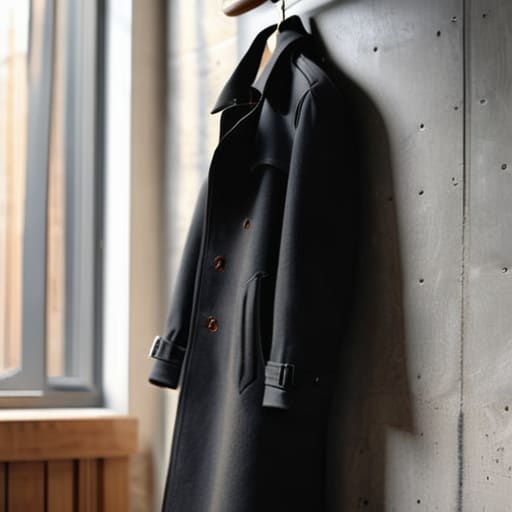
First, stop looking at the “must-have” lists on TikTok. They want you to think you need a different heavy wool coat for every specific shade of beige. You don’t. When you’re building a functional coat collection, you aren’t collecting outfits; you’re collecting utility. You need to look at your life in terms of weather protection, not aesthetic moods. If you spend forty quid on a trendy puffer that has zero seam reinforcement, you’ll be replacing it by February. That isn’t an investment; it’s a tax on being impatient.
The real trick is mastering your seasonal coat rotation. You don’t need five heavy layers; you need one heavy-duty beast for the deep freeze and one mid-weight layer that works for those annoying transitional months. I always tell my clients to prioritize the fabric weight and composition over the brand name. A high-quality wool blend that’s slightly too big in the waist is a win because I can take it in for thirty pounds. A cheap, poorly constructed coat that fits perfectly today is a disaster because there’s no seam allowance left to play with when you actually need it to move with your body.
Practical Tips and Steps
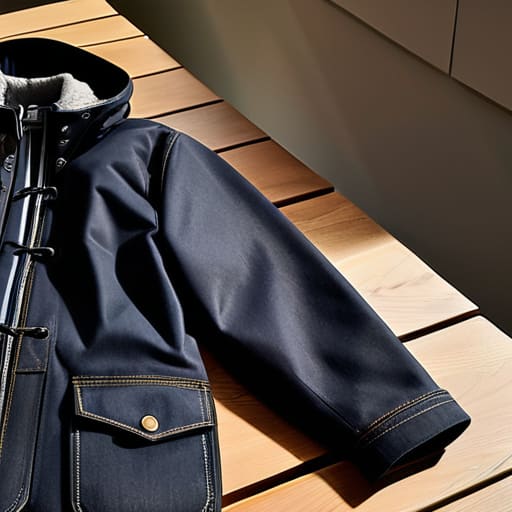
Stop trying to build a massive, sprawling collection and start looking at your actual life. When I’m helping someone curate an essential outerwear capsule wardrobe, I always ask: what is your “Wednesday reality”? If you spend your week commuting in the rain, you don’t need a delicate wool overcoat as your primary layer; you need something with a tight weave that actually sheds water. Instead of buying five mediocre jackets, aim for a seasonal coat rotation that covers three specific weather scenarios: a lightweight windbreaker for those weirdly warm spring days, a mid-weight denim or utility jacket for layering, and one heavy-duty piece that can actually handle a real freeze.
Before you tap your card, check the construction. A cheap coat with a polyester lining that doesn’t breathe will make you sweat the moment you step into a heated shop, and no amount of “style” fixes that discomfort. If you find a vintage wool piece at a charity shop that’s a bit too big in the torso, don’t walk away—that’s a win. A simple tapered side seam alteration usually costs less than a decent lunch and will make a twenty-dollar find look like a thousand-dollar piece.
Common Mistakes to Avoid
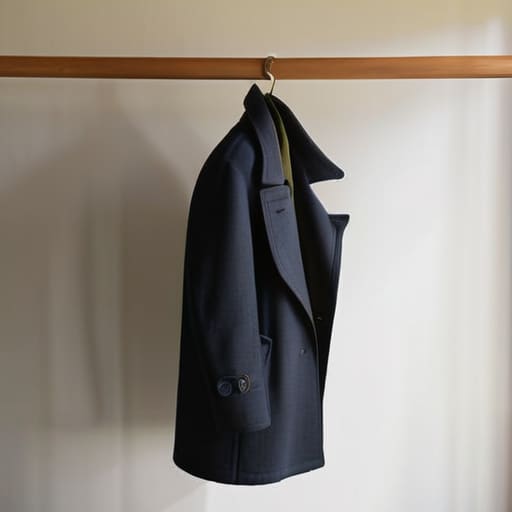
The biggest mistake I see is people treating their closet like a showroom instead of a toolkit. They buy three different “statement” coats that all serve the exact same purpose—usually just looking good in a mirror—and then wonder why they’re freezing in November. If you have three heavy wool overcoats but nothing lightweight for a rainy April morning, your seasonal coat rotation is broken. You don’t need more options; you need more utility. Stop buying for the “vibe” and start buying for the weather.
Another trap is falling for the “investment piece” lie. I see people drop five hundred pounds on a designer trench only to realize the shoulder seams are too stiff or the fabric is so thin it offers zero warmth. A high price tag doesn’t mean a garment is durable or functional. Instead of chasing a brand name, focus on building a functional coat collection by checking the fabric composition first. If it’s a synthetic blend that pills after three wears, it’s not an investment; it’s an expensive mistake. Always budget an extra thirty quid to get the sleeves hit at the right spot.
Final Thoughts
At the end of the day, stop looking for a magic number in a magazine and start looking at your actual calendar. A wardrobe isn’t a collection of trophies; it’s a toolkit for living. Whether you end up with three heavy hitters or a more expansive seasonal coat rotation, the goal is the same: never feeling like you’re fighting your clothes just to get out the door. If you have a coat that makes you feel confident and keeps the wind out, it’s doing its job.
Don’t let the “must-have” lists make you feel like your closet is failing. Building a functional coat collection is about math, not mania. It’s about knowing that a mid-weight trench covers your spring needs and a sturdy wool blend handles the January freeze. If you focus on fabric quality and the ability to tweak the fit at a local shop, you’ll realize that a few well-chosen pieces are worth more than a mountain of polyester. Focus on the utility of the layer, and I promise you’ll stop overthinking the count.
The Real-World Math: 5 Rules for Not Overbuying Outerwear
- Stop trying to own a “special occasion” coat that you only wear twice a year; if you don’t have a life event on the calendar for next Tuesday, you probably only need one heavy-duty winter layer and one mid-weight transitional piece.
- Check the fabric weight before you check the price tag; a heavy wool blend will survive three years of commuting, while a thin, trendy polyester blend will pill and lose its shape by the first frost, making it a waste of money regardless of how many you own.
- Prioritize the shoulder fit above everything else because if the seam is dropping down your arm, an alteration will cost you more than the coat itself, and you’ll end up with a silhouette that looks like you’re wearing a tent.
- Build your collection around “utility tiers” rather than “styles,” meaning you need one wind/rain shield for damp days, one insulated layer for the deep freeze, and one decent blazer or light jacket for when you actually want to look like a person in a meeting.
- Run the “Wednesday Test” on every new purchase—if you can’t see yourself wearing it on a random, unglamorous Wednesday morning while running to catch a bus, it’s a decorative piece, not a wardrobe staple, and you don’t need it.
The Real Math of Your Coat Rack
Stop trying to curate a “capsule collection” of five different heavy wool coats just because a magazine told you to. You don’t need variety; you need a system. One heavy-duty shell that actually holds its shape, one mid-weight layer that doesn’t make you look like a marshmallow, and one lightweight option for when the weather can’t make up its mind. If you can’t wear it over your thickest sweater on a Tuesday in February, it’s not a coat—it’s just expensive fabric taking up space in your closet.
Neve Okonkwo-Barr
The Bottom Line
At the end of the day, the “perfect” number of coats isn’t a magic digit you’ll find in a magazine; it’s a calculation of your actual life. You don’t need a different trench for every mood if you have one solid, heavy-weight cotton version that actually fits your shoulders and survives a rainy Tuesday. Stop looking at your closet as a collection of trends and start looking at it as a toolkit. If you have a heavy wool piece for the freeze, a versatile mid-weight layer for the transitional months, and a reliable shell for the rain, you’ve already won. Everything else is just clutter masquerading as style, and quite frankly, most of it is just taking up space where a better-fitting garment should be.
Please, stop letting marketing departments convince you that a “complete” wardrobe requires a constant stream of new silhouettes. Real style isn’t about having the most options; it’s about having the right options. If you find something you love that’s just a little bit off in the waist or the sleeve length, don’t toss it—take it to a tailor. A well-fitted, twenty-dollar thrift find will always outwork a thousand-dollar “investment” piece that hangs poorly off your frame. Build your wardrobe for the person you are on a regular Wednesday, not the person you pretend to be on Instagram. The math always favors the fit.
Frequently Asked Questions
If I find a vintage wool coat at a charity shop that’s a bit too big in the shoulders, is it actually worth paying a tailor to fix, or am I just throwing good money after bad?
It depends on the construction. If it’s a high-quality, heavy wool with a clean seam, fix it. But check the shoulder: if the excess fabric is buried deep in the sleeve head, a tailor will charge you a premium to reconstruct the whole armhole, and it’s rarely worth the math. If it’s just a slight overhang, spend the £30–£40 to nip it in. A vintage wool piece with a perfect fit beats a cheap polyester “new” coat every time.
How can I tell if a "heavyweight" coat is actually made of decent fabric or if it's just thick, cheap polyester that’s going to pill after three wears?
Do the “scrunch test.” Grab a handful of the fabric and squeeze it hard for five seconds. If it bounces back, you’re looking at decent wool or a high-quality blend. If it stays wrinkled like a discarded receipt, it’s likely cheap synthetics. Also, look at the nap. If the surface feels fuzzy but looks “flat” or plastic-y, it’s going to pill by Tuesday. Real weight comes from fiber density, not just a thick layer of polyester fluff.
Is it better to have one really expensive, high-quality parka or three cheaper, decent-quality jackets that cover different weather scenarios?
Go for the three decent jackets. A single “investment” parka is a massive gamble; if the zipper fails or the down clumps after one season, you’re left with a very expensive paperweight. Three mid-range jackets—say, a sturdy trench, a technical rain shell, and a heavy wool coat—give you actual utility. Plus, you can spend $30 at a tailor to fix the sleeves on the cheaper ones, and they’ll suddenly look twice as expensive.
