Stop letting brands convince you that building a professional wardrobe requires a massive credit limit and a closet full of “must-have” seasonal capsules. Most people think learning how to choose workwear separates means hunting for that one perfect, overpriced blazer that somehow solves everything, but that’s just marketing nonsense. I spent two years in a basement studio pinning hems for people who were just as frustrated as you are—people who realized that a £200 wool blend that pills after three washes is actually more expensive than a sturdy, mid-range cotton trouser that actually fits. Style isn’t about buying more; it’s about knowing which pieces can actually survive a Tuesday morning commute without falling apart at the seams.
I’m not here to sell you a lifestyle or a trend; I’m here to show you the math of a functional wardrobe. In this guide, I’m going to break down exactly how to spot high-quality fabric weights, which seams are worth paying a tailor to fix, and how to pick pieces that actually play well together. We are going to focus on durability and fit over labels, so you can stop stressing about what to wear and start wearing clothes that actually work for your life.
Forget Shopping Lists How to Choose Workwear Separates via Fabric Math
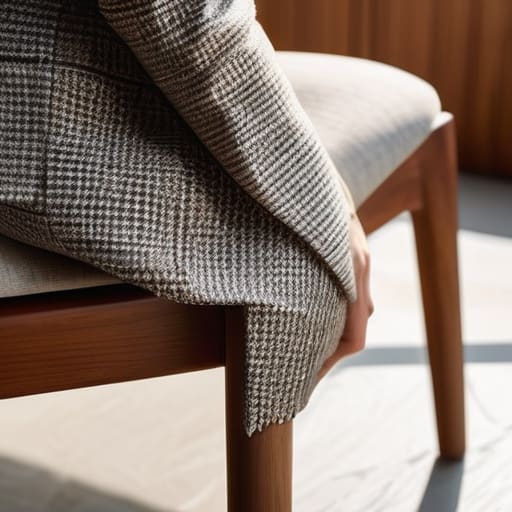
Stop looking at “must-have” lists on Pinterest; they are designed to make you feel incomplete so you’ll click ‘add to cart.’ Instead, I want you to look at the fiber content tag. If you are building a versatile work wardrobe and that blazer is 100% polyester, walk away. Polyester doesn’t breathe, it traps sweat, and after six months of sitting in office chairs, it develops this permanent, shiny sheen that makes you look like you’re wearing a costume. I’m looking for natural blends—wool, cotton, or even a heavy viscose—that actually hold their shape. A wool-blend trouser might cost £40 more upfront, but it survives the wash and the commute, whereas a cheap synthetic version will be pill-ridden and sad by mid-October.
The math is simple: durability plus versatility equals value. When you’re styling professional separates, every piece needs to pass the “three-way test.” Can I wear this trouser with a knit, a blouse, and a blazer? If the answer is no, it’s not a staple; it’s a single-use item disguised as an essential. Don’t let marketing convince you that a “capsule wardrobe for office” life requires twenty new items. It requires five items that actually work together because the fabric weight and texture are compatible.
The Capsule Wardrobe for Office Success Durability Over Trends
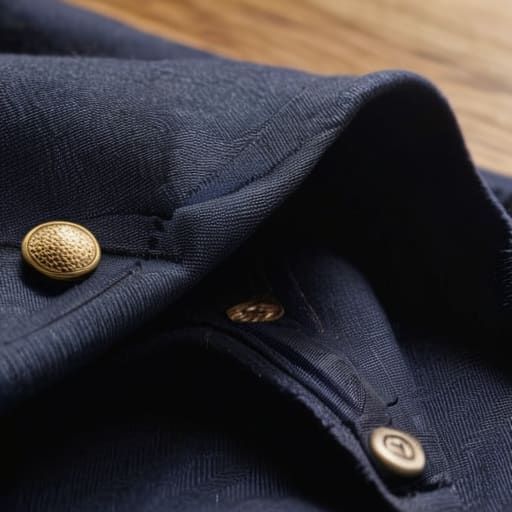
When people talk about a capsule wardrobe for office use, they usually show you a Pinterest board of perfectly color-coordinated linen sets that look great for exactly one Tuesday. That’s not a wardrobe; that’s a costume. If you want to actually build a versatile work wardrobe, you have to stop looking at the “aesthetic” and start looking at the fiber content. I want to see high-twist wools, heavy cotton poplins, and Tencel blends. I want pieces that can survive a spilled coffee and a frantic commute without looking like a crumpled paper bag by 10:00 AM.
Real styling professional separates isn’t about buying a matching set; it’s about ensuring every single piece plays well with at least three others. If that new blazer only works with one specific pair of trousers, it’s not an essential piece—it’s a liability. I look for structural integrity in the seams and enough fabric weight to hold a shape. If you buy three high-quality, mid-weight separates that you can mix and match, you’ve saved more money—and look better—than if you bought ten “trendy” pieces that lose their shape after three washes.
Mastering Professional Clothing Combinations Without Breaking the Bank
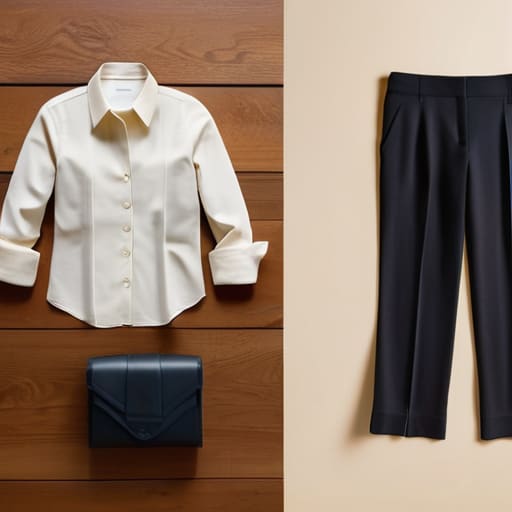
Here is the truth about building professional clothing combinations: most people think they need more clothes, when they actually just need better math. You don’t need twenty different outfits; you need three solid trousers and two tops that actually play well together. When I’m helping someone with building a versatile work wardrobe, I tell them to stop looking at the individual item and start looking at the intersection. If that navy blazer only works with one specific skirt, it’s not a piece; it’s a liability. A real winner is a garment that can be styled three different ways before you’ve even finished your morning coffee.
Don’t get caught up in the “business casual color coordination” trap where you feel forced to buy entire matching sets just to look put together. That is how brands trick you into spending double. Instead, focus on the weight of your fabrics so your textures don’t clash. A heavy wool trouser paired with a light cotton shirt creates a visual balance that makes you look intentional, not like you’re wearing a uniform. If you focus on versatile, high-quality basics that share a common color story, you can rotate through a massive amount of looks without ever feeling like you’re repeating yourself.
Business Casual Color Coordination the Science of Versatile Pieces
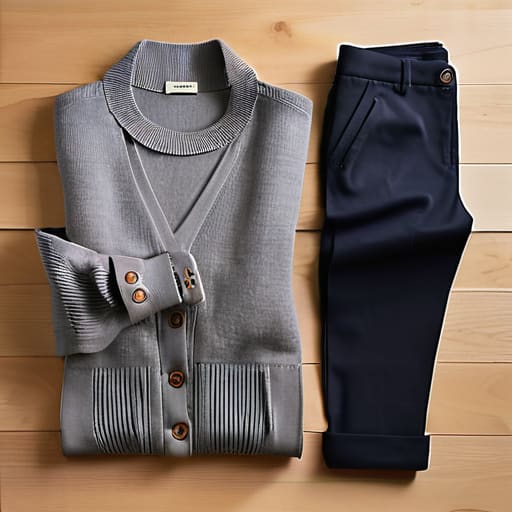
Most people approach business casual color coordination like they’re playing a high-stakes game of roulette, hoping a bright patterned blouse won’t clash with their navy trousers. Stop that. If you want a functional capsule wardrobe for office life, you need to stop thinking about “matching” and start thinking about interchangeability. This means your base layer—the trousers, skirts, or heavy-weight chinos—should almost always be in a neutral, low-saturation tone like charcoal, olive, or navy. These are your anchors. When you build a versatile work wardrobe around these heavy-hitters, you aren’t just picking colors; you’re ensuring that every single top you own can technically work with every single bottom.
The math is simple: if you buy a vibrant, trendy mustard sweater that only works with black trousers, you haven’t bought a piece; you’ve bought a hostage. Instead, focus on styling professional separates by layering tones. A forest green knit over a cream silk shirt works with grey, navy, and black. Stick to a palette where the “math” always adds up to at least three different outfit combinations. If a color choice limits your options to one specific pairing, it’s not a versatile piece—it’s a decorative mistake.
Building a Versatile Work Wardrobe One Perfect Fit at a Time
Here is the hard truth: you can own twenty “essential office attire pieces” and still feel like you have nothing to wear if they all sit wrong on your frame. Most people treat building a versatile work wardrobe like a scavenger hunt for new items, but I treat it like a construction project. Before you even think about a new purchase, look at what you already own. Does that blazer pull at the button? Do those trousers bunch at the ankle? If the foundation is wonky, no amount of clever styling professional separates will save the look.
Instead of buying more, I want you to start thinking about the architecture of the garment. A high-quality wool trouser that needs a £15 waist nip is infinitely more valuable to your capsule wardrobe for office than a trendy polyester blend that fits “fine” but loses its shape by lunch. When you prioritize structural integrity over the initial fit, you aren’t just buying clothes; you are investing in a silhouette that actually stays put from your 9:00 AM meeting to your 6:00 PM commute.
The Neve Okonkwo-Barr Cheat Sheet: 5 Rules for Not Wasting Your Money
- Check the seam allowance before you hit the till. If a blazer or a pair of trousers has zero extra fabric inside the seam, you are buying a hostage, not a garment. You won’t be able to let it out if your body changes or if you need a bit more breathing room on a stressful Tuesday. A good piece has enough “meat” in the seams to allow for a tailor to actually work their magic.
- Stop falling for the “Luxury Blend” trap. Marketing will tell you a polyester-heavy blend is “durable,” but if it doesn’t breathe, you’ll be sweating through your meeting by 11 AM. Look for natural fibers like wool or cotton that hold their shape; they might cost more upfront, but they don’t pill and turn into fuzzy lint-balls after three washes like the cheap synthetic stuff.
- The “Shoulder Test” is non-negotiable. You can fix a waist, you can fix a hem, and you can even fix a sleeve length, but if the shoulder seam of a jacket is hanging off your natural bone structure, walk away. Fixing shoulders is an expensive, structural nightmare that often costs more than the jacket itself. If the shoulders don’t fit now, it’s a lost cause.
- Do the “Crinkle Math” on every shirt. Take a handful of the fabric in your fist and squeeze it tight for five seconds. If it looks like a crumpled paper bag the moment you let go, it’s going to look like a disaster by lunch. You want separates that can survive a commute and a desk chair without looking like you slept in them.
- Budget for the “Alteration Tax.” When you are calculating if a pair of trousers is a bargain, add £15–£25 to the price tag immediately. That is what a decent local tailor will charge to nip the waist or shorten the hem so they actually look like they were made for you. If the math doesn’t work with the alteration cost included, it isn’t a bargain—it’s just a piece of clothing that’s going to sit in your closet looking sad.
The Math of a Good Work Week
Stop looking at the price tag and start looking at the seam allowance and the fiber content; a £40 wool-blend trouser that can be tailored to your hips for twenty quid will outwork a ‘luxury’ polyester blend that loses its shape by lunch every single time.
Neve Okonkwo-Barr
Stop Shopping, Start Building
Look, we’ve covered a lot of ground, but if you remember nothing else, remember this: your work wardrobe isn’t a collection of “looks,” it’s a system of moving parts. Stop looking at mannequins and start looking at the seam allowance and the fiber content on that care label. If you prioritize natural fibers that can actually breathe and handle a mid-week commute, and if you budget twenty quid for a tailor to nip in the waist of a blazer, you’ve already won. A wardrobe of five high-quality, well-fitted separates will always outperform a closet full of “investment” polyester that loses its shape after three washes. It’s just basic wardrobe math.
At the end of the day, clothes are just tools to help you navigate your life. You shouldn’t be spending your Sunday nights worrying if your trousers are too tight or if your shirt looks cheap; you should be thinking about your actual job. Style isn’t about how much you spent or how closely you follow a trend report—it’s about the confidence of a perfect fit. Build a wardrobe that works for a Wednesday morning, not a runway, and I promise you’ll spend less time in front of the mirror and more time actually getting things done.
Frequently Asked Questions
If I find a great pair of trousers at a charity shop but the waist is two inches too big, is the alteration cost actually worth the saving?
It depends on the construction. If they’re high-quality wool or a heavy cotton with a clean waistband, yes—it’s a steal. Taking in a waist usually costs between £15 and £25 depending on your local tailor. If the trousers were £5, you’ve spent £25 to make a £30 pair of perfect trousers. That’s better than buying a £60 pair of fast-fashion polyester that fits “okay” but falls apart by November. Do the math.
How can I tell if a blazer is made of cheap polyester that will pill by Friday, or if it's a high-quality blend that can actually handle a commute?
Don’t just look at the tag; look at the light. Hold the fabric up—if it has that oily, plastic sheen, it’s cheap polyester that’ll pill the second you rub against a desk. Give it the “scrunch test”: squeeze a handful tight for five seconds. If it stays looking like a crumpled napkin, the fibers are weak. You want a tight, bouncy weave that springs back, ideally with a bit of wool or heavy viscose to handle the commute.
I have a specific body type that makes "off the rack" separates look terrible; which parts of a work outfit are easiest to fix without spending a fortune at the tailor?
Prioritize trousers and shirts. A waist that’s too big or a hem that’s too long is a cheap, standard fix—usually £15–£25. If the torso is weird, a dart or a side-seam adjustment can work wonders. Avoid buying blazers or structured coats if the shoulders don’t fit; fixing a shoulder seam is a nightmare that costs more than the garment is worth. Buy for the shoulders, then let me handle the rest.
