I spent two years in a basement studio pinning hems for a bridal shop, and if there is one thing I learned, it’s that most people think “style” means having a different outfit for every single mood swing. Marketing gurus want you to believe that building a wardrobe is a high-stakes scavenger hunt, but they’re lying to you. They want you to think that understanding how uniform dressing works requires a massive budget and a rotating door of “must-have” trends. In reality, the industry is just trying to sell you a solution to a problem you don’t actually have. Style isn’t about the volume of clothes you own; it’s about the reliability of the pieces you actually wear.
I’m not here to give you a list of seasonal trends that will look dated by next October. Instead, I’m going to show you how to find the heavy-weight cottons and structured wools that actually hold their shape after ten washes. We’re going to talk about the real math of a wardrobe: why a perfectly tailored, mid-range blazer is worth more than three “investment” pieces that don’t even fit your shoulders. I promise to tell you exactly what to look for in a seam and when it’s worth spending the extra twenty quid at the tailor to make a uniform actually feel like you.
Understanding How Uniform Dressing Works
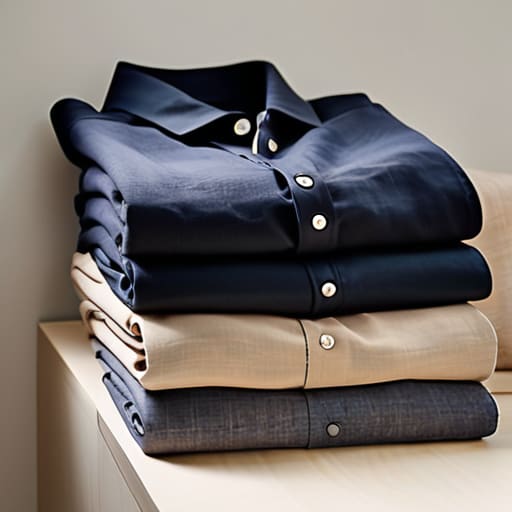
The core of the method isn’t about wearing a costume; it’s about decision fatigue reduction. We have a finite amount of mental energy every morning, and I hate seeing people waste it debating whether a specific shade of navy clashes with a particular polyester blend. When you adopt a uniform, you aren’t stripping away your personality—you are automating the boring parts of getting dressed so you can actually focus on your life. It’s about finding a repeatable silhouette that respects your body and your schedule.
This isn’t just a trick to save time, though; it’s about visual cohesion. When your clothes actually speak the same language—meaning the weights of your fabrics align and the seam placements are consistent—you stop looking like a collection of random purchases and start looking like someone who knows exactly who they are. This is where the real capsule wardrobe benefits kick in. You stop buying “emergency” pieces to fix a bad outfit and start investing in the three or four high-quality items that make every single morning feel like a win, rather than a negotiation.
Key Things to Know
First off, forget the idea that a uniform means wearing the exact same outfit every day like a cartoon character. It’s actually about decision fatigue reduction. When you stop waking up and staring at a pile of “nothing to wear” (which is usually just a pile of clothes that don’t fit or don’t talk to each other), you reclaim your brain for things that actually matter. You aren’t limiting your personality; you’re just removing the friction.
Second, you need to look at the math of your fabric. A uniform only works if the pieces are durable enough to handle the rotation. If you’re leaning into minimalist dressing principles, don’t buy five cheap polyester blends that pill after three washes just because they look okay on the hanger. You want natural fibers—wool, heavy cotton, linen—that hold their shape. A uniform relies on visual cohesion, and you can’t achieve that if your navy trousers look different every time they hit the light because the dye quality is rubbish. Build it on pieces that actually survive a Tuesday.
Practical Tips and Steps
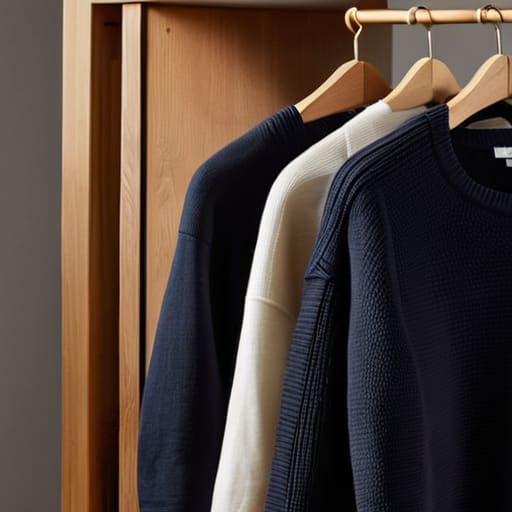
First, stop trying to build a “capsule wardrobe” out of things you think you should like and start looking at what actually survives a wash cycle. Go to your closet and pull out the three outfits you reach for when you have zero brainpower left. Is it a specific pair of heavy-weight cotton trousers and a tucked-in tee? Or a mid-weight knit and denim? That’s your baseline. The goal here is decision fatigue reduction; you want to eliminate that frantic 7:00 AM scramble by identifying the silhouettes that don’t make you feel like you’re wearing a costume.
Once you have your silhouette, check the construction. If your “uniform” relies on a flimsy polyester blend that loses its shape after three wears, you aren’t building a system, you’re just cycling through waste. Look for natural fibers with enough weight to hold a seam. If the waist is slightly off or the hem hits at a weird spot, don’t bin it—take it to a tailor. Spending £15 to nip in a waistline is what actually creates visual cohesion in fashion, making a basic outfit look intentional rather than accidental.
Common Mistakes to Avoid
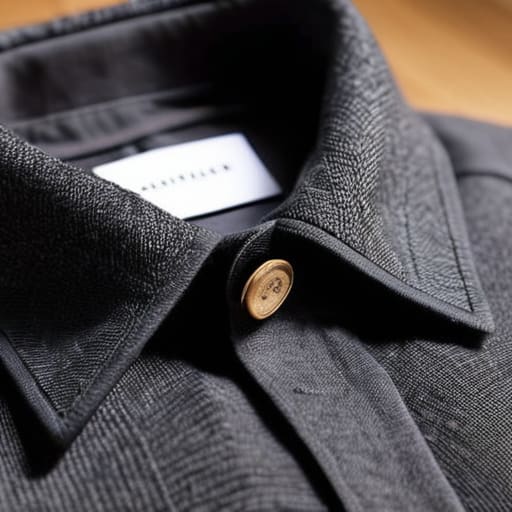
The biggest mistake I see is people treating a uniform like a costume. They think they need to buy a “set” of ten identical black turtlenecks just to check a box. That isn’t a uniform; that’s a lack of imagination and a waste of money. A real uniform relies on visual cohesion in fashion, meaning the pieces actually talk to each other. If you buy a “capsule” where the textures clash—like a heavy boiled wool blazer paired with a flimsy, cheap polyester trouser—the whole illusion of effortless style falls apart by noon.
Another trap is ignoring the physics of your body in favor of the aesthetic. You’ll see people trying to force a minimalist aesthetic by buying oversized, shapeless linen sacks because they saw it on a mood board. Listen: if the shoulder seam is drooping two inches past your natural bone, you don’t look “relaxed,” you look like you’re wearing your older brother’s clothes. True decision fatigue reduction only happens when you trust that your clothes actually fit. If you have to fight your waistband every time you sit down, you haven’t built a uniform; you’ve built a daily chore.
Final Thoughts
Look, I’m not asking you to turn into a robot or wear the exact same grey sweatshirt every single day. That’s not what this is about. This is about reclaiming the mental energy you usually waste staring at a pile of clothes that don’t actually make you feel good. When you lean into decision fatigue reduction, you aren’t losing your personality; you’re just stopping the daily argument with your closet. You’re deciding that your identity is more important than the frantic, low-quality choices you make at 7:00 AM.
If you take one thing away from this, let it be that a “uniform” is just a set of boundaries. It’s about finding the silhouette that respects your body and the fabrics that won’t pill after three washes. Once you master the visual cohesion of a few reliable pieces, you stop being a victim of the trend cycle. You stop buying “filler” and start investing in the stuff that actually survives a Tuesday. Build a kit that works, fix the fit, and then go live your life.
The Real-World Math of a Uniform
- Stop looking for a “set” and start looking for a silhouette. A uniform isn’t a costume; it’s just a reliable shape. If you know that a high-waisted wide-leg trouser and a tucked-in jersey knit always make you feel human, buy that shape in three different fabric weights.
- Check your seam allowances before you commit. When you’re building a uniform, you need pieces that have enough extra fabric inside to be adjusted. If a blazer is too tight in the shoulders, it’s a paperweight, not a uniform. Look for “room to grow” or “room to slim” so your staple pieces actually last.
- Prioritize fabric integrity over “aesthetic.” A uniform fails the moment it starts pilling or losing its shape after three washes. If you’re buying a capsule of five identical black tees, make sure they are heavy-weight cotton or a sturdy blend, not that thin, translucent stuff that looks like a wet paper towel by Thursday.
- The “Cost-Per-Wear” Reality Check. I don’t care if a shirt was 70% off if the collar loses its structure after two wears. A uniform piece is only a bargain if you can wear it twice a week for a year. If the maintenance (like dry cleaning a delicate silk every single time) costs more than a coffee, it’s not a uniform; it’s a liability.
- Build for your “Worst Wednesday.” Don’t pick a uniform based on how you feel when you’ve had a full night’s sleep and a professional blowout. Pick the version that works when you’re running late, it’s raining, and you’ve had zero caffeine. If it doesn’t work in that scenario, it’s not a uniform—it’s an outfit.
The Math of a Uniform
A uniform isn’t a boring capsule wardrobe you bought from a lifestyle influencer; it’s a tactical decision to stop fighting your clothes every morning. It’s about finding the three silhouettes that actually respect your proportions and the fabrics that won’t pill after three washes, so you can spend your brainpower on your life instead of wondering why your trousers feel like a personal insult.
Neve Okonkwo-Barr
The Bottom Line
Look, building a uniform isn’t about stripping away your personality or turning into a beige-clad robot. It’s about doing the heavy lifting upfront—checking your seam allowances, vetting your fabric weights, and finding those core pieces that actually respect your body—so you don’t have to do it every single morning at 7:00 AM. We’ve talked about avoiding the trap of buying “trends” that fall apart after three washes and why a well-tailored, mid-range trouser will always outperform a luxury piece that fits like a sack. If you focus on the math of your wardrobe—the cost per wear versus the cost of a quick hem—you stop being a victim of marketing and start being the boss of your own closet.
At the end of the day, your clothes should be the least stressful part of your Tuesday. When you stop treating style like a shopping problem and start treating it like a functional toolkit, everything changes. You aren’t just “getting dressed”; you are equipping yourself for the day with gear that works, stays put, and looks intentional without trying too hard. Stop waiting for a massive wardrobe overhaul to feel put together. Just find the few things that work, fix the fit, and let your clothes get out of your way so you can actually get on with your life.
Frequently Asked Questions
If I pick a "uniform" that's too rigid, am I going to end up looking like I'm wearing a costume instead of actual clothes?
If it feels like a costume, it’s because you’ve prioritized an “aesthetic” over how the clothes actually move with you. A real uniform isn’t a costume; it’s a formula. If you pick a rigid silhouette that fights your body or fabrics that feel itchy and performative, you’ll look like you’re playing dress-up. Focus on the architecture—the way a waistband sits or how a sleeve hits your wrist—rather than the “vibe.” If you can’t breathe in it, it’s not a uniform; it’s a trap.
How do I transition my uniform from a casual Tuesday to a professional meeting without having to buy an entirely new wardrobe?
You don’t need a new wardrobe; you need better layers and sharper lines. If your Tuesday uniform is a high-quality knit and relaxed trousers, swap the sneakers for a structured loafer and throw on a blazer with decent shoulder pads. Check the fabric—synthetic blends pill and look “cheap” under office lights, so stick to cotton or wool. A quick hem on those trousers to hit just at the ankle makes them look intentional, not accidental.
Is it actually cheaper to build a uniform from scratch, or should I just start altering the pieces I already own?
Look, if you’re starting from zero, you’re going to get burned by “investment” marketing. Unless you have a massive budget for high-quality natural fibers, don’t buy a whole new uniform. It’s almost always cheaper to shop your own closet first. Take those existing pieces to a tailor, fix the waistlines, and shorten the hems. A £15 alteration on a shirt you already own beats a £60 “essential” polyester blend any day.
