I spent two years in a cramped basement studio pinning hems for a bridal shop, and if there is one thing I learned, it’s that the fashion industry is lying to you. They want you to believe that looking “expensive” is a luxury reserved for people with bottomless credit cards, but that is total nonsense. Most people think the secret to style is just buying more, when the real trick to how to make cheap clothes look better has nothing to do with your budget and everything to do with fabric weight and seam allowance. You don’t need a designer label; you need to stop letting a poorly placed shoulder seam or a sagging hemline do all the heavy lifting for your outfit.
I am not here to sell you a “capsule wardrobe” or some overpriced aesthetic trend that will be dead by next Tuesday. Instead, I’m going to give you the actual maths of style. I’ll show you which polyester blends are worth the gamble, which specific alterations will cost you less than a fancy latte but make a £10 shirt look custom-made, and how to spot a quality construction from across a crowded charity shop. We are going to build a wardrobe that actually works on a Wednesday, without the marketing fluff.
Stop Shopping Your Way Out of Bad Style How to Make Cheap Clothes Look Bett
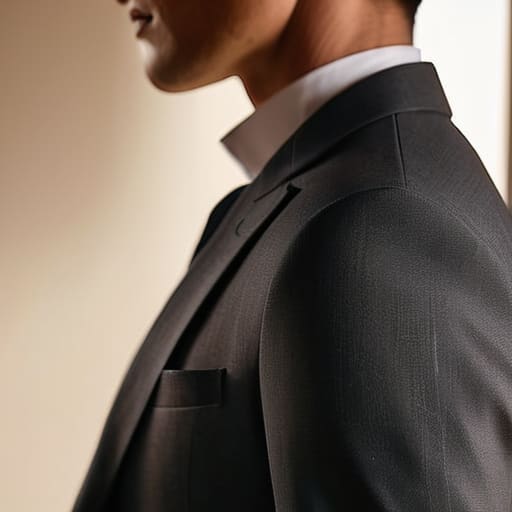
The biggest lie marketing tells you is that “looking expensive” requires a bigger credit limit. It doesn’t. Most people I see in the changing rooms are trying to solve a silhouette problem by buying a different silhouette, which is just a cycle of wasting money. If you want a luxury aesthetic on a budget, you have to stop looking at the price tag and start looking at the construction. A twenty-pound polyester blend that actually sits correctly on your shoulders will always beat a three-hundred-pound silk blouse that hangs like a wet paper bag because the proportions are off.
Real style is actually about improving garment fit rather than accumulating more items. I tell my clients all the time: if you find a piece at a charity shop or a high-street sale that is almost perfect, buy it. Then, take it to a tailor. Taking in the waist of a thrifted blazer might cost you the price of a decent lunch, but it transforms a shapeless rag into something that looks custom-made. You aren’t just buying clothes; you are managing how they interact with your body.
The Tailors Secret Improving Garment Fit for the Price of Coffee
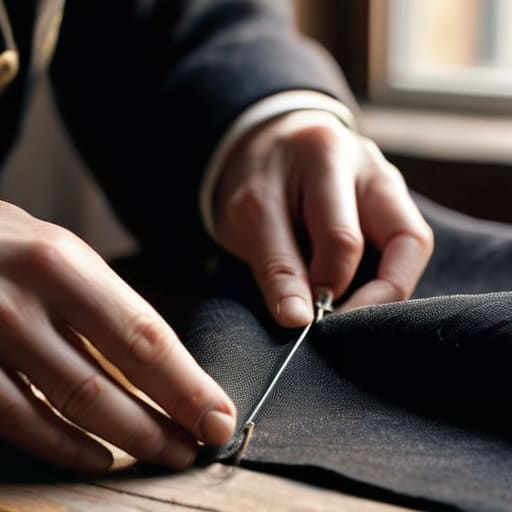
Here is the reality: most people walk out of a high-street shop with a piece that is “fine,” but “fine” is what makes an outfit look cheap. The difference between a garment that looks like it was made for you and one that looks like you’re wearing a costume is usually just two inches of fabric. If you want to achieve a luxury aesthetic on a budget, stop looking at the price tag and start looking at the seams. I’ve spent more time in a basement studio pinning hems than I have in actual showrooms, and I promise you, a £15 hem adjustment on a £20 pair of trousers will do more for your silhouette than a £200 designer belt ever could.
When I’m looking at improving garment fit, I always tell my clients to check the shoulder seam first. If the shoulder of a cheap blazer drops too far down your arm, it’s a lost cause—that’s an expensive fix. But if the waist is a bit boxy or the sleeves are hitting your knuckles? That is a quick, cheap win. A local tailor can usually nip a waist or shorten a sleeve for the price of a decent latte, and suddenly, that “budget” find looks like a custom piece.
Fabric Over Fame Affordable Fashion Styling Tips for Longevity
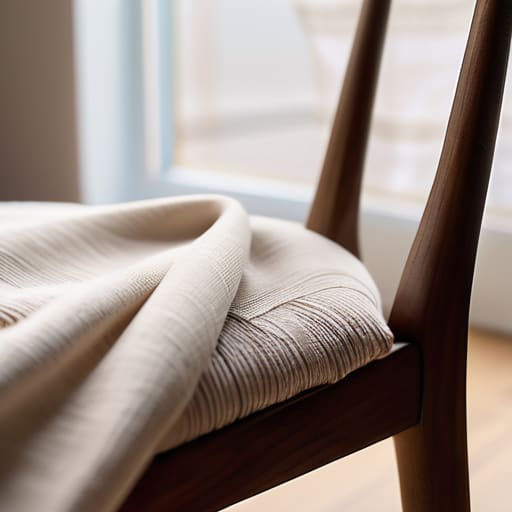
If you want to achieve a luxury aesthetic on a budget, stop looking at the brand name and start looking at the fiber content on that tiny white tag. Most fast fashion is essentially glorified plastic; polyester and acrylic are fine for a quick workout, but they pill the second you move, they trap sweat, and they have that tell-tale shiny, cheap sheen under sunlight. If you’re hunting through charity shops or high-street racks, look for natural blends—cotton, linen, or even a decent viscose. These fabrics drape against the body rather than standing away from it like a stiff cardboard box.
Beyond the initial buy, your real secret weapon is actually fabric care for inexpensive clothing. If you throw every cheap knit in a high-heat dryer, you’re basically paying to turn your wardrobe into rags. I tell my clients all the time: wash cold, air dry, and invest in a decent fabric shaver. Removing those tiny fuzz balls from a £15 sweater can instantly make it look like it cost eighty. It’s not magic; it’s just basic clothing maintenance techniques that keep your pieces looking intentional rather than accidental.
The Maintenance Math Essential Fabric Care for Inexpensive Clothing
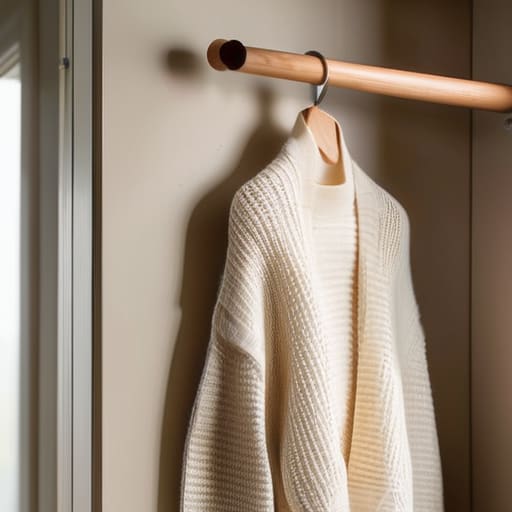
If you want a luxury aesthetic on a budget, you have to stop treating your clothes like they’re disposable. Most people buy a cheap polyester blend, wear it three times, and then toss it because it’s gone pilled or lost its shape. That isn’t a fashion problem; it’s a math problem. If a £15 shirt survives six months of rough washing, it’s actually more expensive than a £60 cotton shirt that lasts three years. One of my favorite clothing maintenance techniques is simply learning to stop using the dryer. Heat is the absolute enemy of inexpensive fibers; it cooks the elasticity right out of your waistbands and makes cheap knits look like fuzzy, sad sponges.
Instead, invest in a decent fabric shaver and some cedar hangers. A quick five-minute session with a shaver can make a budget sweater look brand new, and proper hanging prevents the shoulder distortion that makes even the best tailoring look cheap. When you prioritize fabric care for inexpensive clothing, you aren’t just saving money—you’re actually making your wardrobe work for you.
Beyond the Trend Wardrobe Capsule Building for a Luxury Aesthetic on a Budg
The biggest mistake I see people make is trying to build a “trend” wardrobe. You buy a micro-trend top because it’s cheap, wear it twice, and then it’s just clutter. If you want a luxury aesthetic on a budget, you have to stop thinking about what is “in” and start thinking about what actually works together. A capsule isn’t about owning twenty identical white shirts; it’s about owning three pieces in different fabric weights that can actually survive a Tuesday, a Wednesday, and a Friday night.
When you’re doing wardrobe capsule building, look for the “connectors”—those neutral, sturdy pieces that bridge the gap between your cheap finds and your more reliable staples. I always tell my clients to look at the construction of a blazer or a trouser before they even look at the price tag. If the silhouette is solid, you can use affordable fashion styling tips like monochromatic layering to trick the eye into seeing high-end cohesion. It’s much easier to make a $20 skirt look like it cost $200 when it’s part of a deliberate, well-fitted system than when it’s just a lonely, shapeless piece of polyester fighting for attention.
The Quick-Fix Cheat Sheet: 5 Ways to Elevate Your Wardrobe Without Buying Anything New
- Check the hardware before you commit. Most cheap fast-fashion pieces come with flimsy, shiny plastic buttons that scream “I was made in a factory last Tuesday.” Spend ten minutes and maybe ten pounds at a haberdashery to swap them out for heavy brass, matte horn, or real wood. It changes the entire visual weight of the garment.
- Master the art of the “intentional tuck.” If a cheap shirt is made of thin, shapeless fabric, don’t let it hang like a tent. Use a French tuck or a neat fold to create structure. It creates a silhouette where there isn’t one, making a ten-pound top look like it actually has a design intended for a human body.
- Watch your lint and fuzz. Cheap synthetic blends are magnets for static and pill almost immediately. Keep a decent fabric shaver and a lint roller in your bag; a garment that looks “fuzzy” looks old, regardless of how much you paid for it. Smooth fabric reflects light better, which is the easiest way to fake a high-end finish.
- Use structure to fight limpness. If a budget blazer or dress lacks substance, use heavy-duty safety pins or even a tiny bit of hem tape on the inside to create sharper lines. If the shoulder seam is drooping because the fabric is too light, you can sometimes “cheat” a better shape by layering a structured camisole underneath.
- Mind the “tension points.” Cheaply made clothes often pull at the buttons or the seams when you move. If you see a gap between buttons, don’t just ignore it—that’s a dead giveaway of poor construction. A quick stitch to reinforce a button or a tiny hidden stitch to close a gap makes the garment look intentional rather than just “ill-fitting.”
The Real Cost of Style
Stop looking at the price tag and start looking at the seam allowance; a twenty-pound blazer looks like a hundred when the shoulders actually sit where they’re supposed to, but a five-hundred-pound designer jacket looks like a mistake if it’s drowning your frame.
Neve Okonkwo-Barr
The Bottom Line
At the end of the day, looking polished isn’t about how much you spent at a flagship store; it’s about how much you actually respect the garment once it’s in your hands. We’ve covered the heavy lifting: choosing natural fibers over plastic-feeling synthetics, understanding that a twenty-dollar hem adjustment can make a ten-dollar skirt look like a designer piece, and actually reading the care labels so your clothes don’t pill after two washes. It’s a shift in mindset from being a passive consumer to being an active curator. Stop looking for the next “must-have” item and start looking at the seam allowance, the fabric weight, and the silhouette of what you already own.
The fashion industry spends millions trying to convince you that your wardrobe is broken and only a credit card can fix it. Don’t fall for the math. Real style is built in the small, intentional moments—the decision to take that blazer to the tailor or the choice to invest in a sturdy cotton over a flimsy, trendy polyester blend. You don’t need a massive budget to have a wardrobe that works for you on a Tuesday, a Wednesday, or any day in between. Style is a skill, not a transaction, and once you learn how to work with what you have, you become much harder to manipulate.
Frequently Asked Questions
If I’m buying second-hand or cheap, how can I tell if the fabric is actually going to hold its shape after three washes?
The “hand feel” test is a lie; you need the “scrunch test.” Grab a handful of the fabric and squeeze it hard for five seconds. If it stays a crumpled mess, it’s going to look like a discarded napkin after one wash. Also, check the weight. If a cheap knit feels airy and hollow, it’ll lose its shape by Tuesday. Look for density—if it feels substantial, it’s got the structural integrity to survive your washing machine.
At what point does the cost of an alteration actually make a budget item more expensive than just buying something better from the start?
It’s a math problem, not a magic trick. If you’re buying a £15 polyester top that needs a £20 hem and a £15 seam adjustment just to stop it from looking like a sack, you’ve spent £50 on a garment that’s still going to pill by Tuesday. Stop there. If the alteration cost exceeds 50% of the item’s original price, you aren’t “saving” money—you’re just subsidizing bad manufacturing.
Which specific parts of a garment are "dealbreakers" that even a talented tailor can't actually fix?
Look, I love a challenge, but I’m not a magician. If the shoulder seams are drooping halfway down your arm, walk away. Shifting a shoulder line involves deconstructing the entire sleeve and bodice, and it’ll cost more than the shirt is worth. Same goes for the rise in trousers—if they’re too tight in the crotch or the hips, no amount of letting out the seams will save the silhouette. If the bones of the garment are wrong, leave it on the rack.
