I spent two years in a cramped basement studio pinning hems for a bridal shop, and if there is one thing I learned, it’s that most people treat layering like a game of “add more fabric until you feel covered.” They see a Pinterest board of a girl in a chunky knit, a denim jacket, and a trench coat, and think that’s the blueprint. It isn’t. Most of the time, they’re just fighting a losing battle against unmanageable bulk that makes them look like they’re wearing a costume rather than an outfit. If you don’t understand how layering works structurally, you aren’t building a look; you’re just stacking problems on top of each other that end up bunching at the armpits or pulling awkwardly at the hips.
I’m not here to sell you a new capsule wardrobe or tell you that you need a five-hundred-pound cashmere sweater to pull this off. I want to show you the actual physics of fabric—how to manage seam allowances, weight distribution, and sleeve diameters so your clothes actually move with you. We’re going to talk about why a thin merino base layer is worth more than a thick, cheap wool one, and how to use what you already own to stop the structural collapse of your silhouette.
The Math of Bulk How Layering Works Structurally
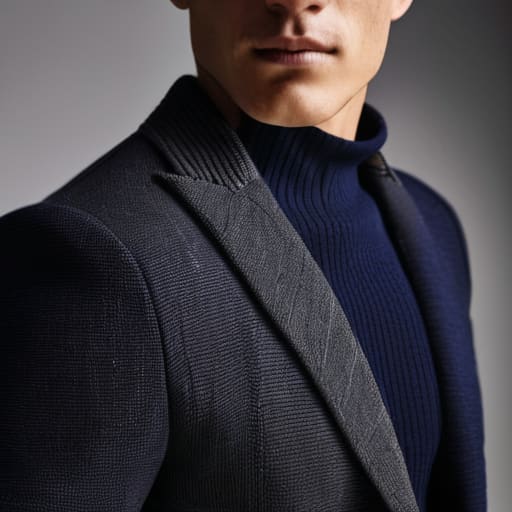
Think of your outfit as a series of stacked planes rather than just “putting things on.” When you pile a heavy wool sweater under a slim-cut blazer, you aren’t just adding warmth; you are fighting the structural integrity of layers. If the base layer is too thick, it pushes the outer layer away from your body, creating weird, tent-like voids at the armpits and waist. That’s not “oversized style”—that’s just bad math. You have to manage the volume so the outermost piece still follows the actual lines of your frame.
To get this right, you need to respect material thickness and load bearing. A lightweight silk camisole can support a heavy leather jacket, but a chunky cable-knit sweater will almost always defeat a structured trench coat. If the inner layer is too bulky, it acts like a structural wedge, forcing the seams of your jacket to pull and distort. Instead of buying a bigger jacket to accommodate the sweater, look for a knit with a tighter gauge. It’s the difference between looking intentional and looking like you’re wearing a costume made of upholstery.
Material Thickness and Load Bearing Why Your Silhouette Collapses

Here is the problem with most people’s approach to layering: they treat every piece like it has the same weight. If you try to shove a heavy, chunky cable-knit sweater under a slim-cut denim jacket, you aren’t “styling”; you’re fighting a losing battle against physics. This is where the material thickness and load bearing of your garments actually matters. When you stack heavy fabrics on top of other heavy fabrics, the outer layer loses its ability to hold its own shape. Instead of looking intentional, the weight of the inner layers crushes the silhouette, making your clothes look like they’re melting off your frame.
To keep your shape, you have to respect the structural integrity of layers by working from thinnest to thickest. Think of it like building a house: you don’t put the brickwork over the insulation without a solid frame to hold it up. A lightweight silk blouse or a fine merino wool base provides the foundation, allowing a structured blazer or a heavy wool coat to sit cleanly on top. If you ignore this hierarchy, you end up with a silhouette that collapses the second you actually move.
Architectural Layering Techniques to Prevent Midday Disarray
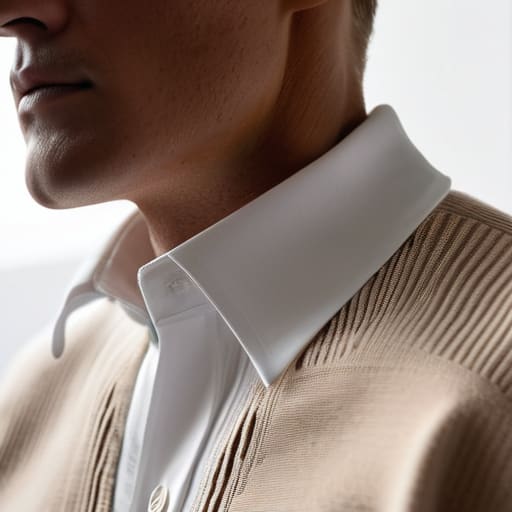
If you’ve ever felt like your outfit is slowly sliding off your body by 2:00 PM, you aren’t crazy—you’re just fighting physics. To stop the “midday meltdown,” you have to look at your outfit as a series of anchors rather than just a stack of fabrics. The secret to maintaining the structural integrity of layers is ensuring each piece has a clear purpose in holding the next one in place. For example, a crisp, heavyweight poplin shirt acts as a foundation; it provides a rigid base that prevents a flimsy silk blouse from bunching up and creating weird lumps under your knitwear.
Don’t just throw things on; think about compositional balance in layering by alternating your textures and weights. If you pair a chunky, oversized cardigan with a heavy denim jacket, you’re asking for a silhouette that looks like a pile of laundry. Instead, pair that heavy knit with a structured, lightweight trench. You want to create spatial depth through layering without adding unnecessary volume that fights against your natural movement. It’s about managing the tension between the pieces so they work together instead of competing for space.
Compositional Balance in Layering Avoiding the Bulky Mistake
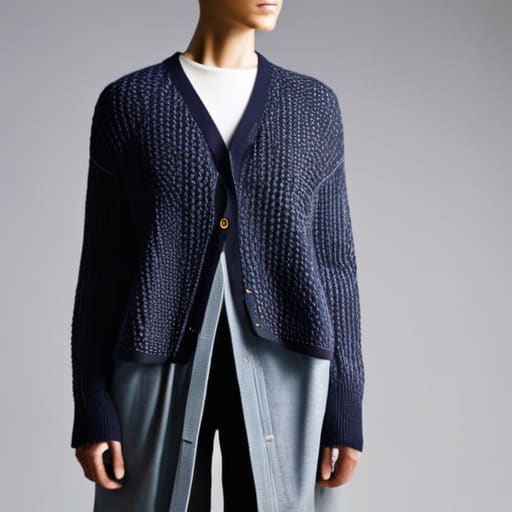
The reason most people look like they’re wearing a duvet instead of an outfit is that they ignore the concept of compositional balance in layering. They treat every piece like a standalone hero, forgetting that clothes are a system. If you put a chunky, heavy-gauge knit over a thick flannel shirt, you aren’t “styling”; you are just stacking bricks. You lose all sense of your body’s shape because you’ve created a single, massive block of fabric that has no way to taper or define your frame.
To get this right, you have to think about the visual weight of each piece. You want to create spatial depth through layering by alternating textures and densities. Think of it like a sandwich: you need a thin, stable base—like a fine-gauge merino or a crisp poplin—to act as the foundation. If your base layer is too thick, the structural integrity of layers fails immediately, and you’ll spend the whole day fighting a silhouette that looks more like a structural accident than a deliberate choice. Stop stacking bulk on bulk; start managing the transition between weights.
Achieving Dynamic Movement in Layered Structures Without Looking Messy
The problem with most layered outfits isn’t that they look bad; it’s that they look stiff. You walk into a room and you don’t move like a person; you move like a cardboard cutout because your clothes are fighting each other for dominance. To get dynamic movement in layered structures, you have to stop thinking about clothes as static objects and start thinking about how they swing. If you pair a heavy, rigid denim jacket over a thick cable-knit sweater, you’ve essentially built a suit of armor. Nothing is going to drape; it’s just going to hinge at your elbows and waist, making you look like you’re wearing a costume rather than an outfit.
The secret is managing the tension between weights. You want one layer to provide the anchor—something with enough structural integrity to hold its shape—while the layers underneath or on top provide the flow. If your base layer is a fluid silk or a lightweight jersey, it can move independently of a structured wool coat. This creates spatial depth through layering that feels intentional rather than accidental. It’s the difference between looking like you’ve just thrown everything on because you were late, and looking like you actually understand how fabric behaves when you’re actually living your life.
The Tailor’s Cheat Sheet: 5 Structural Rules for Layering
- Check your armholes before you commit. If your base layer has a low, baggy armhole, your sweater is going to bunch up in your armpit like a crumpled receipt, and no amount of styling will fix that structural disaster. Look for high, tight armholes in your shirts to keep the movement clean.
- The “Seam Alignment” test. If you’re layering a blazer over a cardigan, make sure the shoulder seams aren’t fighting for territory. If the cardigan seam sits an inch outside the blazer seam, you’re going to look like you’re wearing a costume of a larger person rather than a deliberate outfit.
- Manage your fabric tension. Never put a heavy, structured wool coat over a thick, chunky knit that doesn’t have any stretch. You’ll end up pulling at the buttons all day, and eventually, you’ll blow a button or warp the buttonhole. If the knit is thick, the outer shell needs to be oversized or unlined.
- Watch the hemline hierarchy. To keep your silhouette from looking like a pile of laundry, ensure your layers have a logical progression in length. A long tunic under a cropped jacket works because it creates a vertical line; a long sweater under a long coat usually just creates a heavy, shapeless block of fabric.
- Mind the weight distribution. If you’re wearing a heavy denim jacket, don’t try to tuck a thick flannel shirt into high-waisted trousers underneath it. You’re adding too much volume to your midsection, which shifts your center of gravity and makes your trousers feel like they’re sliding down. Keep the bulk at the top or the bottom, not both.
The Geometry of the Wardrobe
Stop treating layering like a game of adding more stuff until you’re warm; it’s actually a structural math problem where every extra centimeter of fabric has to be accounted for, or you’ll end up looking like a pile of laundry rather than a person with a silhouette.
Neve Okonkwo-Barr
The Final Stitch
Look, layering isn’t some magical styling hack you find on a mood board; it is a mechanical process of managing volume and fabric weight. If you understand how to balance a heavy wool overcoat against a thin silk base, or how to prevent your mid-layer from bunching up and ruining your silhouette, you stop fighting your clothes and start wearing them. Remember that it’s all about the structural math: managing the bulk so you don’t look like a walking duvet, and ensuring your seams actually sit where they are supposed to. If a layer feels too thick, don’t just buy a bigger size—that’s how you end up with a garment that hangs off your shoulders like a sack. Fix the physics, not the wardrobe.
At the end of the day, your clothes should serve your life, not the other way around. You don’t need a closet full of “statement pieces” that are impossible to move in; you need a collection of reliable fabrics that play well together. Style isn’t about how much you spend on a new trend; it’s about knowing exactly how a garment will behave when you actually have to live in it on a Tuesday afternoon. Stop chasing the aesthetic and start respecting the construction. Once you master the architecture of what you’re wearing, you’ll realize that the best version of your style isn’t something you buy—it’s something you build.
Frequently Asked Questions
I found a vintage wool blazer that’s perfect, but the shoulder pads are massive—can a tailor actually slim these down without ruining the whole structure?
Yes, but it’s not a “quick fix.” To do it right, a tailor has to deconstruct the shoulder—rip the lining, remove the pads, and potentially re-cut the sleeve head to ensure the fabric doesn’t pucker. It’s more about reconstruction than just trimming. Expect to pay anywhere from £40 to £80 depending on the construction. If they quote you less, they’re probably just cutting the foam, and you’ll end up with a lumpy, structural nightmare.
Is it actually worth paying £20 to have a heavy knit sweater tapered, or am I just fighting a losing battle against the fabric weight?
If it’s a chunky, heavy-gauge wool, don’t waste your £20. You aren’t just fighting the fit; you’re fighting the physics of the knit. Tapering a heavy sweater often results in “puckering”—the seams pull the fabric into weird, wavy lines that make you look like you’re wearing a lumpy sack. If the fabric is too thick to lay flat against your ribs, the alteration is a lost cause. Save your money.
How do I layer a heavy coat over a structured shirt without the collar looking like it’s being crushed by a hydraulic press?
The problem isn’t the coat; it’s the collar’s structural integrity. If your shirt collar is flimsy, a heavy wool coat will treat it like a piece of scrap paper. Stop trying to layer a soft, unstructured cotton shirt under a heavy overcoat. You need a shirt with a substantial collar stand or a stiff interfacing. If the shirt is already a lost cause, spend £15 at a tailor to add some interfacing—it’s cheaper than buying a new coat.
