I spent two years in a basement studio pinning hems for a bridal shop, and if there is one thing those silk slip dresses taught me, it’s that a garment’s soul is in its construction. I’ve seen more “luxury” pieces fall apart at the seams than I care to admit, and it’s because we’ve been lied to about what makes a piece worth owning. Everyone wants to talk about trends, but no one wants to talk about how fast fashion changed clothing quality by prioritizing a silhouette that looks good on a mannequin over a fabric that can actually survive a washing machine. We aren’t just buying cheaper clothes; we are buying clothes that are engineered to fail.
I’m not here to tell you to stop shopping or to preach about “slow fashion” like it’s a personality trait. I’m here to show you the maths. I’ll tell you exactly which polyester blends are a waste of your money, how to spot a cheap seam before you hit the changing room, and why a £15 alteration can turn a budget find into a lifelong staple. This isn’t about buying more; it’s about finally knowing what to look for.
The Math Behind the Mess How Fast Fashion Changed Clothing Quality
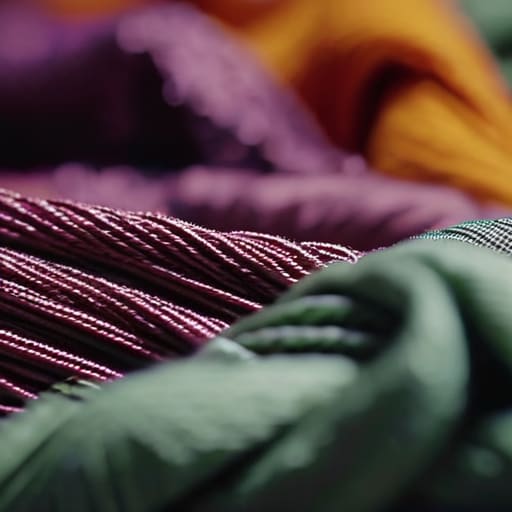
Here is the math they don’t want you to do. When a brand drops a new collection every week, they aren’t just moving fast; they are actively stripping away the structural integrity of your wardrobe. We’ve moved from clothes designed to be mended to clothes designed for the bin. This is planned obsolescence in apparel disguised as a “haul.” Instead of using generous seam allowances or reinforced stitching, manufacturers are cutting it so close to the edge that one aggressive wash cycle or a single snagged thread sends the whole thing to the landfill.
The real culprit is the shift in textile manufacturing processes. To keep prices low enough to justify a “buy it once and forget it” mentality, brands have leaned heavily into the impact of cheap synthetic fabrics. We’re talking about ultra-thin polyesters that don’t breathe and, more importantly, don’t hold their shape. When I’m at my machine, I can see the difference immediately: a natural fiber has a certain “give” and resilience, whereas these cheap synthetics are essentially plastic sheets. They don’t age; they just degrade.
Why Your Clothes Die Early Planned Obsolescence in Apparel
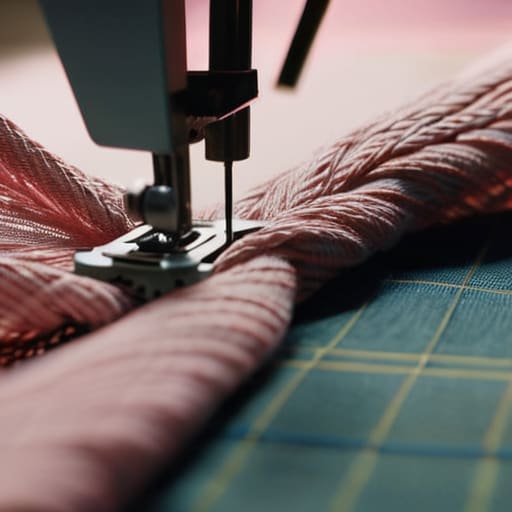
Here is the reality: your clothes aren’t just breaking; they are designed to fail. This isn’t an accident; it’s planned obsolescence in apparel disguised as a “new season.” When I’m at my machine, I see the evidence every day. I see overlocked seams that are so loose they practically unravel if you breathe on them, and lightweight fabrics that have zero structural integrity. They use the cheapest possible textile manufacturing processes to shave off pennies, resulting in garments that look fine on a mannequin but lose their shape after exactly three washes.
It’s a cycle of intentional fragility. They use high-percentage synthetic blends because they’re cheap, but those fibers don’t have the memory that natural ones do. Once a polyester-heavy knit stretches out or pills, it’s dead—there is no fixing that. You can’t take a shapeless, pilled sweater to a tailor and expect a miracle. The industry has traded garment durability and lifespan for a constant stream of “newness,” banking on the fact that you’ll rather spend £15 on a replacement than £30 on something that actually lasts.
The Synthetic Lie the Real Impact of Cheap Synthetic Fabrics
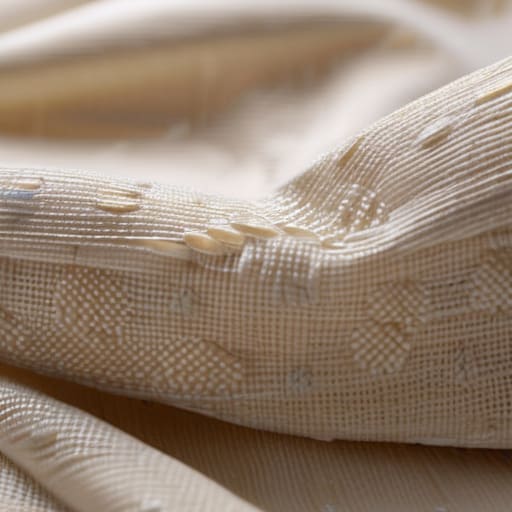
Here is the problem with the “soft touch” marketing you see online: they’re selling you a lie made of plastic. Most fast fashion brands have swapped natural fibers for cheap synthetics because they’re easier to mass-produce, but they feel nothing like the real thing. When you pick up a polyester blouse that feels like a glorified sandwich bag, you aren’t just feeling a lack of luxury; you are feeling the impact of cheap synthetic fabrics firsthand. These materials don’t breathe, they don’t age gracefully, and they don’t hold a shape. Unlike wool or heavy cotton, which can be steamed, brushed, or even slightly mended, synthetics tend to pill or melt the moment they hit a hot iron.
Because these fibers are essentially glorified oil byproducts, they have zero structural integrity over time. You might think you’re getting a deal on a stretchy knit top, but that stretch is often a temporary illusion. As the elastic fibers snap, the garment loses its shape entirely, making it impossible for even the best tailor to save. This isn’t just a quality issue; it’s a fundamental failure in garment durability and lifespan. You aren’t buying a piece of clothing; you’re buying a temporary rental that’s destined for a landfill.
Decoding the Stitch Better Garment Construction Techniques to Look for
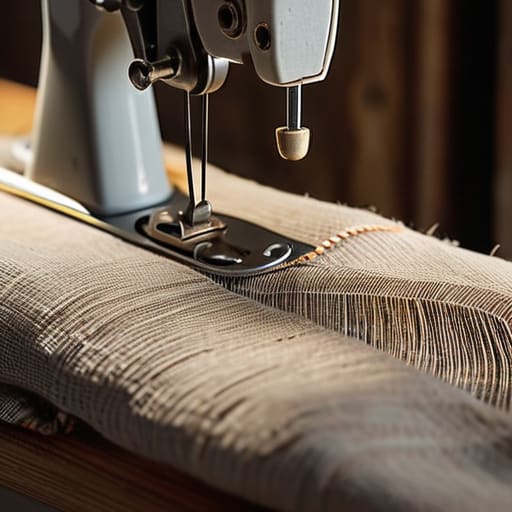
Since I spent two years hunched over a sewing machine in a basement, I don’t care about the brand name on the tag; I care about what’s happening on the inside. If you want to actually judge garment construction techniques, you have to turn the item inside out. I’m looking for finished seams—think French seams or even just a decent overlock that isn’t fraying the second you touch it. If the interior looks like a bird’s nest of loose threads, that piece isn’t going to survive a single heavy wash cycle. You aren’t just buying a look; you’re buying how many times that seam can take a tug before it gives up the ghost.
Next, check the weight and the hardware. A cheap zipper that feels like it’s made of recycled soda cans is a massive red flag for planned obsolescence in apparel. Similarly, look at the hem allowance. If a skirt has a tiny, skimpy hem, the manufacturer has intentionally stripped away the ability for a tailor to let it out if it shrinks or if you want a different length. A generous hem is a sign of respect for the wearer and the garment’s longevity.
Beyond the Trend Sustainable Fashion Alternatives That Actually Last
Look, I’m not going to tell you to go out and drop a month’s rent on a “conscious collection” from a big-name brand. Most of that is just expensive greenwashing. If you want to actually fight the cycle of planned obsolescence in apparel, you have to stop looking at the brand name and start looking at the composition label. The most effective sustainable fashion alternatives aren’t always found in a boutique; they’re found in the second-hand section of a charity shop or in the back of your grandmother’s closet. You’re looking for natural fibers—wool, linen, heavy cotton—that have the structural integrity to handle a seamstress’s needle.
When you do decide to buy something new, treat it like a math problem. Ask yourself: “If I spend £15 on a tailor to nip this waist, does the garment durability and lifespan increase enough to justify the cost?” If the answer is yes, buy it. If you’re buying a polyester blend that will pill after three washes, you aren’t “investing,” you’re just subsidizing a landfill. Real sustainability is about buying less, but buying better construction.
The Neve Okonkwo-Barr Cheat Sheet: How to Spot a Garment That Won't Quit by Tuesday
- Check the seam allowance before you head to the till. If the fabric is cut so close to the stitching that there’s no room to let it out or even fix a popped thread, walk away. That’s not “sleek design,” it’s a manufacturer saving three cents on fabric, and it means the garment is essentially disposable.
- Do the “Light Test” on any thin knit or cotton. Hold it up to the light; if you can see the distinct shape of your hand through it, that fabric has zero structural integrity. It might look fine on a mannequin, but after three washes, it’s going to lose its shape and start looking like a dishcloth.
- Stop trusting the “Premium” labels and start feeling the weight. A heavy, dense weave in a cotton shirt or a substantial weight in a blazer usually means more fibers per square inch. Cheap, lightweight versions are often just “air-filled” textiles that feel good for five minutes in the fitting room but pill the second you sit down in a car.
- Look at the hardware, not the hangtag. If a jacket has a plastic zipper that feels flimsy or buttons that are glued on rather than sewn with a sturdy shank, the brand is telling you exactly how much they value the longevity of that piece. A £15 alteration to replace a dodgy zipper is a real cost you need to factor into the “bargain.”
- Inspect the tension of the stitching. If the thread looks like it’s straining or pulling the fabric into tiny puckers even when the garment is lying flat, the machine was running too fast or the tension was wrong. That tension will snap the moment you actually move your body in it, and a tailor can’t fix a fundamental construction error.
The Cost of the 'New'
“We’ve been tricked into thinking a low price tag is a win, but when you realize that a twenty-pound polyester blend loses its shape after three washes and costs more in replacements than one decent wool blazer would have, the math stops making sense. Fast fashion isn’t selling you style; it’s selling you a subscription to a wardrobe that’s constantly breaking.”
Neve Okonkwo-Barr
The Bottom Line
Look, we’ve covered a lot of ground, from the way thin, synthetic fibers are literally disintegrating in your wash to the predatory math of planned obsolescence. The takeaway isn’t that you should stop buying clothes entirely—that’s not realistic for most of us—but that you need to stop letting marketing departments do your thinking for you. When you start looking at seam allowances, fabric weight, and construction instead of just the price tag or the latest trend, you stop being a victim of the cycle. You realize that a slightly more expensive natural fiber piece with decent stitching will always be cheaper in the long run than three polyester tops that lose their shape before you’ve even finished the season.
At the end of the day, building a wardrobe that actually works for your life isn’t about having a massive closet; it’s about having a reliable one. Stop chasing the “new” and start looking for the “sturdy.” If you find something you love that fits almost perfectly, don’t toss it because the hem is an inch too long—take it to a tailor and spend the twenty quid to make it yours. Style isn’t a shopping problem you can solve with a credit card; it’s a maintenance and fit problem that you can solve with a bit of intention and a better understanding of how things are actually made.
Frequently Asked Questions
If I find a high-quality vintage piece at a charity shop, how can I tell if the fabric is actually durable or just looks good on the hanger?
Don’t just trust your eyes; trust your hands. Grab the fabric and give it a firm, quick tug—if it doesn’t snap back or if you see the weave pulling apart, walk away. Then, do the “scrunch test”: ball it up tight in your fist for five seconds. If it stays a crumpled mess, it’s low-grade. You want fibers that have some bounce and weight, not something that feels like a glorified plastic bag.
I know cheap clothes fall apart, but how much should I realistically expect to pay a tailor to fix a garment that's slightly off-fit?
Look, don’t let the “luxury” labels scare you; most of the time, a fix is just the price of a few coffees. Taking in a waist or shortening a hem usually runs you £15–£25. If you’re looking at something more complex, like tapering trousers or adjusting a shoulder, expect £30–£50. Always ask for the quote before they touch the fabric. If the alteration costs more than the garment is worth, it’s not a bargain—it’s a donation.
Is it actually possible to find decent natural fabrics like cotton or wool in high-street shops now, or is everything just a polyester blend?
It’s a hunt, honestly. You can find them, but you have to stop looking at the mannequin and start looking at the internal care label. High street brands love hiding polyester in “cotton” blends to save a few cents on production, but that’s how you end up with a shirt that pills after three washes. Look for 100% linen or heavy-weight cotton. It’s harder to find, but it’s worth the extra tenner to avoid the plastic feel.
