I spent two years in a basement studio pinning hems for a bridal shop, and if there is one thing I learned, it’s that most people are being lied to. The fashion industry wants you to believe that if a pair of trousers doesn’t look perfect the second you walk out of the fitting room, you simply need to buy a more expensive version. That is total rubbish. Most of the “style” you see in magazines isn’t about the brand; it’s about the construction and the adjustment. If you want to stop wasting money on clothes that just sit on you rather than living with you, you need a complete guide to finding a tailor who actually knows the difference between a seam allowance and a prayer.
I’m not here to sell you on “wardrobe optimization” or some vague idea of luxury. I’m going to tell you exactly how to spot a professional from a hobbyist, what you should actually be paying for a hem versus a waist adjustment, and how to avoid the shops that will ruin your favorite silk blouse by trying to “fix” it. This is about making your clothes work for your life, not the other way around.
Stop Buying Style a Complete Guide to Finding a Tailor
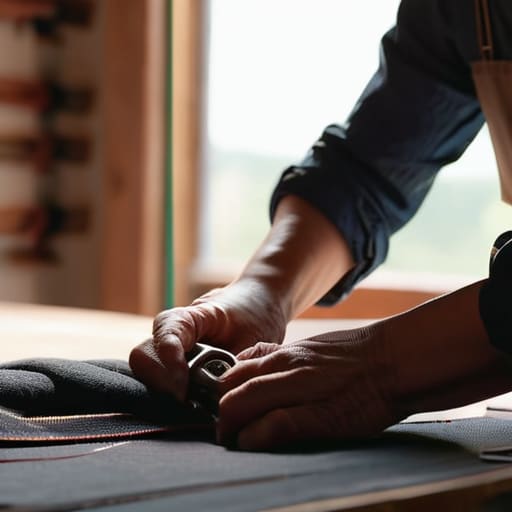
First, we need to clear up a massive misconception: you don’t need a new wardrobe; you need a better relationship with your local seamstress. Most people walk into a shop, see a sleeve that’s two inches too long, and think, “Well, I guess I’ll just buy a different shirt.” That is a lie designed to keep you spending. Instead, look for clothing alteration services that don’t look like they’re operating out of a dusty basement (though, having worked in one, I know some of the best magic happens there). You aren’t looking for a luxury boutique; you’re looking for someone who understands how fabric moves when you actually sit down in a chair.
When you’re vetting someone, don’t just look at their window display. The real way to practice how to check tailor quality is to look at their finishing. Ask to see a garment they’ve worked on—check the tension of the stitching and whether the hem looks heavy or natural. If they can’t explain a tailoring cost breakdown to you without sounding condescending, walk away. A good tailor should be able to tell you exactly why a certain adjustment costs more, usually because of the labor involved in deconstructing a seam rather than just the thread itself.
Bespoke vs Made to Measure Knowing What Your Wallet Actually Needs
Listen, the industry loves to throw around these terms like they’re interchangeable, but they aren’t, and the price gap between them is massive. When you’re looking at bespoke vs made to measure, you’re essentially deciding if you want a garment built from scratch around your body or a pre-existing pattern that’s been tweaked to fit you better. Made to measure is like a high-end template; it’s great for most people who just want their trousers to stop dragging on the floor or their blazer to actually hit at the hip. It’s efficient, and for most of us, it’s more than enough.
Bespoke, however, is a different beast entirely. This is where a tailor drafts a completely unique paper pattern from your specific measurements and spends dozens of hours hand-stitching every single seam. It is a staggering amount of labor. Unless you have a very specific postural quirk or a budget that feels bottomless, you probably don’t need a full bespoke commission. Most of the time, you just need a skilled professional who understands how to manipulate fabric to flatter your shape, not a piece of wearable art that costs three months’ rent.
How to Check Tailor Quality Without Getting Ripped Off
Don’t just walk into a shop, hand over a pile of silk, and pray. You need to do a bit of reconnaissance first. When you’re looking into clothing alteration services, look at the garments hanging in the window or on the racks. Are the hems straight? If you see a jacket with a puckered seam or a hem that’s slightly uneven, walk out. That’s the equivalent of seeing a chef serve a burnt steak; it tells you everything you need to know about their attention to detail.
When you actually sit down for a consultation, ask them the hard questions. A good tailor won’t just nod; they’ll tell you why a certain adjustment might ruin the drape of the fabric. Ask for a rough tailoring cost breakdown before they touch a single pin. If they can’t give you a ballpark figure for a simple hem or a waist nip, they aren’t being transparent, and that’s a massive red flag. You aren’t looking for a magician who can fix anything for cheap; you’re looking for a professional who knows exactly where the structural limits of your clothes lie.
The Real Tailoring Cost Breakdown Math Over Marketing
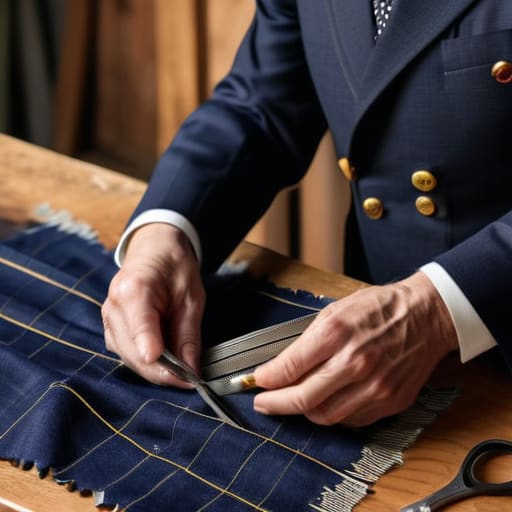
Let’s talk numbers, because “investment piece” is usually just marketing speak for “this is expensive and you’ll feel guilty wearing it.” When you’re looking at a tailoring cost breakdown, you need to separate the labor from the luxury. A simple hem on a pair of heavy denim jeans should cost you about the same as a fancy latte; if they’re quoting you thirty quid, walk away. However, if you’re looking at something more complex, like taking in the waist of a structured blazer or adjusting a shoulder, the price jumps because they’re actually deconstructing the garment. That isn’t a scam; it’s skilled labor.
The math only works if you know what you’re paying for. If you’re comparing bespoke vs made to measure, you aren’t just paying for a better fit—you’re paying for the hours of hand-stitching that a machine simply can’t replicate. My rule of thumb? Always ask for the price before they touch the fabric. If they can’t give you a straight number for a standard alteration, they aren’t being “artisanal,” they’re being vague. A good tailor knows exactly how much time a seam allowance takes, and they should be able to tell you that, too.
Finding Local Seamstresses and Mastering the Custom Suit Fitting Process
When you move past the big-name shops, you’ll find that finding local seamstresses is where the real magic happens. I’m not talking about the high-street chains that treat your vintage blazer like a chore; I mean the people working out of a studio or a small shop in a neighborhood you usually drive right past. These are the people who actually care about how a seam sits against your skin. Don’t be intimidated by a “dry cleaner with a sewing machine” in the window—check their work first. If they can’t handle a simple hem without the fabric puckering, they aren’t the ones for your heavy wool coats.
Once you’ve found your person, you need to navigate the custom suit fitting process without feeling like you’re being interrogated. A good tailor doesn’t just want your measurements; they want to know how you actually move. Do you sit with your legs crossed? Do you carry a heavy bag on one shoulder? If they aren’t asking about your daily movement, they aren’t fitting for a life, they’re fitting for a mannequin. Be honest about your body, not the version of yourself you see in filtered Instagram photos.
Five Things to Check Before You Hand Over Your Clothes (and Your Cash)
- Look at the machines, not the mood lighting. If you walk into a studio and it looks like a boutique with scented candles but there isn’t a heavy-duty industrial Serger or a professional steam iron in sight, walk out. You aren’t paying for an aesthetic; you’re paying for tension control and crisp seams.
- Test their “fabric literacy” with a question. Ask them, “Can you take this silk slip dress in at the waist without puckering the seam?” If they give you a vague “we’ll see when you get here,” they don’t actually know how that fabric behaves. A good tailor knows exactly how much weight a specific weave can take before it loses its shape.
- Watch how they handle the pins. A pro doesn’t just pin the excess fabric and call it a day; they check the drape, look at the grainline, and make sure the garment isn’t being pulled diagonally. If they aren’t checking the balance of the garment while you’re standing there, they’re just doing a quick fix, not real tailoring.
- Demand a “stress test” on the quote. When they tell you a price, ask specifically what it covers—does it include the thread matching, the pressing, and the final fitting? I’ve seen too many people get hit with a “small adjustment fee” at the end because the initial quote only covered the actual stitching and not the finishing work.
- Check their specialty against your problem. Don’t take a bridal specialist who spends all day on delicate lace to fix the heavy denim of a vintage chore coat. Different fabrics require different needles and different foot pressures; if they try to tell you they “can do anything,” they are likely lying to get your business.
The Truth About Your Wardrobe
Stop looking at the price tag and start looking at the seam allowance; a twenty-pound thrift store find with a ten-pound hem adjustment will always outwear a five-hundred-pound jacket that fits you like a cardboard box.
Neve Okonkwo-Barr
The Bottom Line on Fit
At the end of the day, finding a tailor isn’t about finding a magic wand that turns a thrift store find into a designer piece; it’s about finding a skilled partner who understands the mechanics of your body. We’ve covered the math, from knowing why a £15 hem is a steal while a £50 one is a scam, to spotting the difference between a cheap overlock stitch and a proper French seam. Remember: check the shoulder seams, ask about the fabric weight, and never be afraid to walk away if they can’t explain how they plan to fix a structural issue. A good tailor doesn’t just make clothes smaller; they realign how a garment sits on your frame, and that is where the real value lies.
Stop looking at your wardrobe as a collection of things you “can’t wear” because the waist is too tight or the sleeves are too long. Most of those “lost causes” are actually just a few pins and a sewing machine away from being your favorite outfit again. When you stop viewing style as a constant cycle of buying and start viewing it as a process of refinement, you stop being a victim of the trend cycle. You don’t need a bigger closet; you just need better relationships with the people who sew. Go find your person, get those hems done, and start wearing what you actually own.
Frequently Asked Questions
I found a vintage blazer at a charity shop that looks amazing, but the shoulders are slightly too wide—can a tailor actually fix that, or am I just wasting my money?
Honestly? That’s the “boss level” of alterations. Fixing shoulders means deconstructing the entire sleeve and armhole, which is labor-intensive. It’s not a quick hem; it’s surgery. If the blazer is high-quality wool and the price was a steal, go for it—but expect to pay a premium. If it’s a polyester blend, don’t bother. You’ll spend more on the tailor than the jacket is worth, and the math just won’t track.
How do I know if a tailor is actually good with delicate fabrics like silk or linen versus just being able to patch up heavy denim?
Don’t just look at their heavy-duty denim patches; that’s easy work. Ask them specifically about their needle sizes and thread types. If they’re working on silk, they should be talking about microtex needles and fine silk thread, not just “a good needle.” Better yet, ask to see a finished hem on a lightweight fabric. If the seam looks puckered or the tension is wonky, walk away. Delicate fabrics require a steady hand, not just a heavy machine.
Is there a way to tell if a tailor is overcharging me for a simple hem versus a more complex structural change like taking in a waist?
Look, if they’re quoting you fifty quid for a straight hem on a pair of cotton chinos, walk out. A hem is just a straight line and a fold; it shouldn’t cost more than a decent lunch. Taking in a waist is a different beast—that involves deconstructing the waistband, adjusting the darts, and potentially moving pockets. That’s structural work. If the price gap between a hem and a waist adjustment isn’t at least triple, they’re either underselling or overcharging.
