I spent two years in a basement studio pinning hems for a bridal shop, and if there is one thing I learned, it’s that most “complete guide to suits” articles are lying to you. They want you to believe that looking sharp is a matter of finding the right brand or dropping a month’s rent on a “luxury” label. They won’t tell you that a $1,500 wool blend with a cheap polyester lining is a total waste of money, or that a $200 vintage find can look like a million bucks if you know where the seam allowance is. Most people think they need a bigger budget to look better, but they actually just need a better tailor and a basic understanding of fabric weight.
I’m not here to sell you on a lifestyle or some unattainable aesthetic; I’m here to show you the maths. This isn’t a fashion magazine spread; it’s a manual for making clothes actually work for your life. I’m going to break down exactly which fabrics won’t pill after three wears, how much you should actually expect to pay for a sleeve shortening, and how to spot a well-constructed shoulder from across the room. We are going to build a suit strategy that survives a Tuesday morning meeting and a Thursday night drink, without you having to go bankrupt to do it.
Understanding Complete Guide to Suits
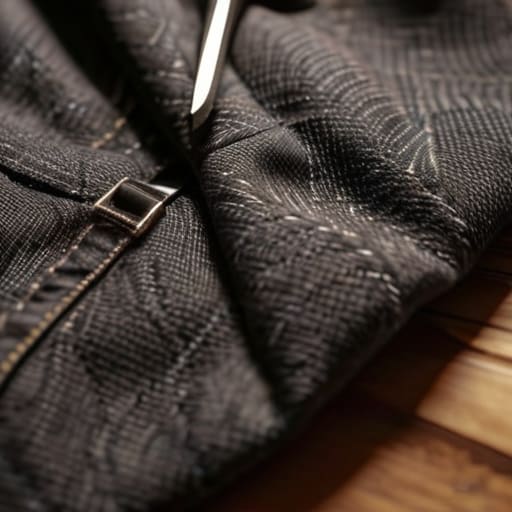
Before you even look at a price tag, you need to understand that a suit is a structural feat, not just a set of matching trousers and a jacket. Most people treat it like buying a t-shirt, but you’re actually managing architecture for your body. The foundation of everything comes down to menswear tailoring basics, specifically how the garment interacts with your natural frame. If the skeleton of the suit is wrong, no amount of styling is going to save you.
The absolute non-negotiable is the suit jacket shoulder fit. If the shoulder seam hangs off your natural edge or pulls tight enough to create “X” shaped wrinkles across your chest, walk away. You can fix a waist, and you can even shorten a hem, but fixing a ruined shoulder is a structural nightmare that often costs more than the suit itself.
You also need to stop ignoring the math of the material. I see people dropping hundreds on “designer” pieces only to realize the fabric is a polyester blend that breathes like a plastic bag. When choosing between wool vs linen suit fabrics, remember that wool is your workhorse for durability and drape, while linen is a beautiful, wrinkly mess that’s strictly for specific climates.
Key Things to Know
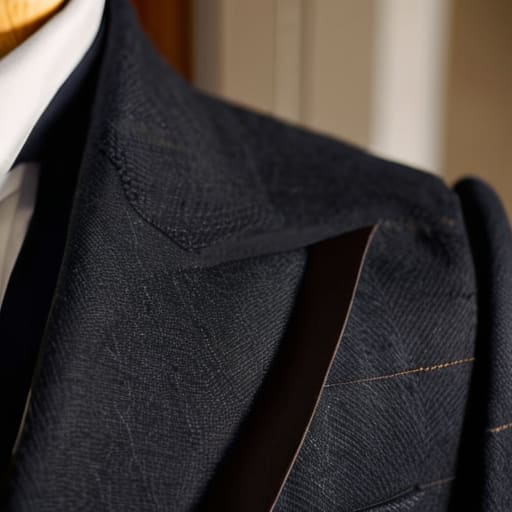
First, let’s talk about the one thing that will ruin your entire silhouette if you get it wrong: the suit jacket shoulder fit. You can spend three months’ rent on a designer piece, but if the shoulder seam is hanging off your arm or pulling tight against your collarbone, you’ll look like a child playing dress-up in their dad’s closet. A tailor can fix a waist, and they can even shorten a hem, but fixing a shoulder is a structural nightmare that usually costs more than the jacket is worth. If the shoulders don’t sit flush, walk away.
Next, stop letting marketing departments dictate your seasonal wardrobe. You need to understand wool vs linen suit fabrics before you tap your card. If you’re looking for something that survives a rainy commute and looks sharp through a long dinner, go for a high-twist wool; it breathes, it hangs well, and it doesn’t wrinkle the second you sit down. Linen is lovely for a summer wedding, sure, but it’s going to look like a crumpled paper bag by the time the cake is cut. Choose your fabric based on how much actual work you need the clothes to do.
Practical Tips and Steps
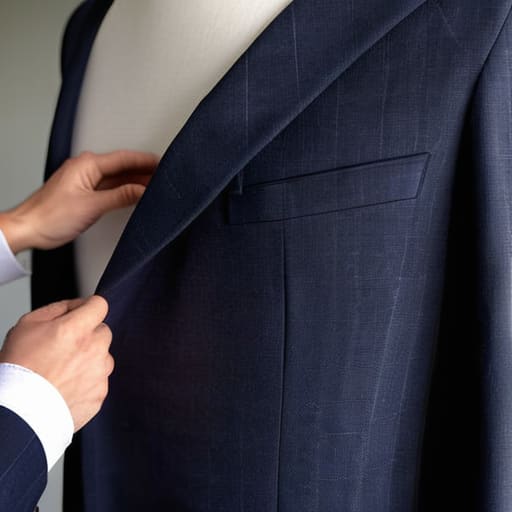
First, stop looking at the price tag and start looking at the shoulders. If you can’t get the suit jacket shoulder fit right, you’re essentially buying an expensive paperweight. The shoulder is the anchor of the entire garment; if it overhangs or pulls, it’s a structural nightmare that even the best tailor will struggle to fix without eating your entire budget. I always tell my clients: if the shoulders don’t sit flush against your natural frame, walk away. You can hem a trouser leg for twenty quid, but fixing a ruined shoulder is a different beast entirely.
Next, let’s talk about the reality of your environment. Don’t get caught in the “investment” trap by buying a heavy, structured wool suit for a summer wedding just because it looks “classic.” You’ll be sweating through your shirt in twenty minutes. When choosing between wool vs linen suit fabrics, remember that linen wrinkles—it’s part of the charm—but wool holds its shape through a long day of sitting and standing. Check the fiber content on the inner tag; if it’s more than 20% polyester, it’s not going to breathe, and it won’t age well.
Common Mistakes to Avoid
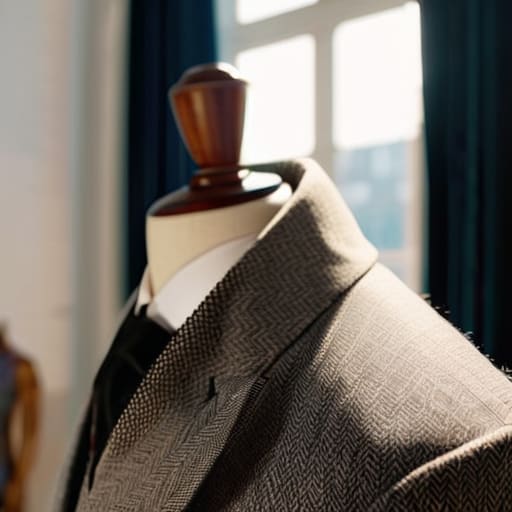
The biggest mistake I see—and it breaks my heart every time—is people buying a suit that fits “well enough” right off the rack. They see a sharp silhouette in the mirror and walk straight to the till, forgetting that suit jacket shoulder fit is the one thing a tailor can’t magically fix without charging you more than the jacket is worth. If the shoulder pads are hanging off your natural frame or creating a divot, walk away. You aren’t “growing into it”; you’re just paying for a garment that will always look like it’s wearing you.
Another trap is falling for the “luxury” label without checking the composition. I see people dropping hundreds on a blend that is 40% polyester, thinking they’ve made a smart move. In reality, that synthetic sheen is going to pill and trap heat within three wears. If you want longevity, learn the difference between wool vs linen suit fabrics; wool breathes and holds its shape, while cheap blends just lose their soul after a single dry clean. Stop chasing the brand name and start looking at the seam allowance and fiber content instead.
Final Thoughts
Look, at the end of the day, a suit shouldn’t feel like a costume you’re putting on to pretend you’re someone else. If you’ve spent any time reading through these basics, you know that the goal isn’t to look like a mannequin; it’s to look like a person who actually belongs in their clothes. Whether you are navigating the nuances of bespoke vs made to measure or just trying to figure out if a specific fabric is going to pill after three wears, remember that the most expensive item in your closet is the one that fits poorly.
Don’t get paralyzed by the “rules” of menswear. You don’t need a perfect library of every single variation of suit lapel styles explained to look decent on a Wednesday or at a wedding. You just need to know your numbers, understand your fabric, and—most importantly—find a tailor who doesn’t roll their eyes when you ask for a hem. Stop treating style like a math equation you can’t solve and start treating it like maintenance. Buy for the bones, fix the rest, and stop letting marketing departments tell you what you “need.”
Five Real-World Rules for Not Wasting Your Money on a Suit
- Stop obsessing over the brand name and start looking at the shoulder seam. If the shoulder pads are drooping or creating a weird hump, the suit is structurally broken. You can spend a fortune on a designer label, but if the shoulder doesn’t sit flush against your natural frame, no amount of tailoring is going to save you from looking like you’re wearing your dad’s hand-me-downs.
- Check the fabric weight before you tap your card. If it feels like thin, crunchy polyester that makes a swishing sound when you walk, walk away. You want wool, wool blends, or linen—fabrics that actually breathe and hold their shape. A cheap synthetic suit might look okay under harsh shop lights, but after three hours of wear, it’ll cling to your sweat and lose its silhouette entirely.
- Buy for the widest part of your body and let the tailor handle the rest. If you have broader shoulders or a bigger seat, buy the suit that fits those areas comfortably. Do not—I repeat, do not—buy a size too small hoping it will “stretch out.” It won’t. It’s much cheaper to pay a tailor £25 to take in a waist than it is to try and fix a jacket that’s pulling at the buttons.
- Look at the lining, not just the exterior. A good suit has a decent lining that allows the garment to glide over your shirt rather than catching on it. If the lining feels paper-thin or feels like it’s going to rip the first time you sit down, the whole construction is shoddy. A suit is an engineering project, not just a piece of cloth.
- The “Investment” Math: Before you buy, calculate the Cost Per Wear. If you’re buying a £500 suit for a wedding you’ll attend once, that’s a bad deal. If you’re buying a £300 wool suit that you can wear to work, funerals, and interviews for the next three years, you’re actually winning. If the suit can’t survive a Wednesday afternoon in a cramped office, it isn’t an investment; it’s a costume.
The Truth About the "Perfect" Suit
Stop looking for the “perfect” suit on a mannequin; it doesn’t exist. A suit is just a collection of expensive fabric and seams until you pay a tailor to make it actually respect your proportions. If the shoulders fit and the fabric isn’t a paper-thin polyester blend, you’ve already won half the battle.
Neve Okonkwo-Barr
The Bottom Line
Look, we’ve covered a lot of ground, from decoding fabric weights to why that “designer” silhouette might actually be a structural nightmare. If you take nothing else away from this, remember that a suit is not a costume you put on to pretend you’re someone else; it is a piece of engineering that needs to work with your actual body. Don’t get distracted by the brand name or the marketing fluff. Focus on the shoulder alignment, the drape of the wool, and the reality of what a tailor can actually achieve with the seam allowance. If the bones of the suit are wrong, no amount of expensive steam or “luxury” labeling will save it. Prioritize the construction over the label, every single time.
At the end of the day, I want you to stop viewing a suit as a daunting obstacle or a massive financial sinkhole. It’s just clothes, and clothes are meant to serve you, not the other way around. Whether you’re buying secondhand and heading straight to my studio for a hem, or saving up for that one perfect navy blazer, do it with your eyes open. You don’t need a massive budget to look put-together; you just need a bit of common sense and the willingness to fix what doesn’t fit. Build a wardrobe that makes you feel steady on a Tuesday morning, and I promise, you’ll never feel like you’re wearing a disguise again.
Frequently Asked Questions
I found a vintage wool suit for next to nothing, but is it actually worth the cost of taking it to a tailor to fix the shoulders?
Honestly? Probably not. The shoulders are the soul of a suit. If they’re too wide, you’re looking at a complete reconstruction—deconstructing the sleeve head, resetting the armhole, the works. That’s not a “quick fix”; that’s a massive labor cost that will likely double your “next to nothing” price tag. Unless the fabric is divine and the rest fits like a dream, don’t chase a bargain that ends up costing you a fortune in seam allowances.
How can I tell if a suit is made of cheap, synthetic fabric that’s going to pill after three wears versus something that actually breathes?
Stop looking at the brand name and start looking at the composition tag. If it’s more than 20% polyester or nylon, run. Synthetics trap heat like a plastic bag and pill the second they rub against your skin. Do the “scrunch test”: grab the fabric in your fist and squeeze. Natural wool or linen should spring back; if it stays a wrinkled mess, it’s cheap. If it feels oily or suspiciously shiny? It’s plastic.
If I only have the budget to alter one thing on a suit to make it look expensive, should I focus on the sleeve length or the trouser hem?
Go for the trouser hem. It’s the difference between looking like you’re wearing your dad’s hand-me-downs and looking like the suit was made for you. A clean break at the shoe instantly elevates the silhouette. Sleeve length matters, but if the trousers are pooling around your ankles like a heavy curtain, the whole outfit looks cheap regardless of your wrists. For £15 at a local tailor, a tapered hem buys you a lot of dignity.
