I spent two years in a damp basement studio pinning hems for a bridal shop, and if there is one thing I learned, it’s that the fashion industry is lying to you. They want you to believe that “comfort” is a synonym for shapeless, oversized sacks of polyester that make you look like you’ve surrendered to life. They sell you the myth that you have to choose between looking sharp and being able to actually breathe, but that is a marketing lie designed to make you buy more. Learning how to dress for comfort without giving up your sense of self isn’t about buying a new “loungewear” collection; it’s about understanding fabric weight, seam placement, and why your favorite trousers feel like a torture device.
I’m not here to give you a list of aesthetic trends that will be dead by next Tuesday. Instead, I’m going to show you the actual mechanics of a wearable wardrobe. We are going to talk about which natural fibers actually move with your body, why a twenty-pound alteration can make a cheap linen shirt feel like silk, and how to build a rotation that works on a Wednesday without feeling like you’re wearing pajamas. No fluff, no “investment” buzzwords—just the practical math of looking put-together while feeling entirely at ease.
The Myth of the Uncomfortable Icon How to Dress for Comfort Without Giving

We’ve been sold this lie that looking “put together” requires a certain level of physical suffering. We see these images of stiff, high-waisted trousers that look great in a still photo but make sitting down at a desk feel like a hostage situation. That isn’t style; it’s a costume. The truth is, you don’t need to choose between looking like a professional and feeling like you can breathe. The secret isn’t more clothes; it’s better construction. When I’m looking at fabrics for all day wear, I’m not looking for “stretchy” (which often means cheap polyester that pills after three washes), I’m looking for natural fibers with a bit of give, like a heavy Tencel or a wool-elastane blend.
If you want to master smart casual comfort, stop trying to force your body into rigid silhouettes and start styling oversized silhouettes with intention. An oversized blazer doesn’t look sloppy if the shoulder seam actually sits where it should; it looks like a choice. If the garment is too big, don’t just drown in it—take it to a tailor. Spending £15 to nip in the waist of a secondhand oversized shirt makes it a wardrobe staple rather than a pajama substitute.
Stop Chasing Trends and Start Choosing Fabrics for All Day Wear
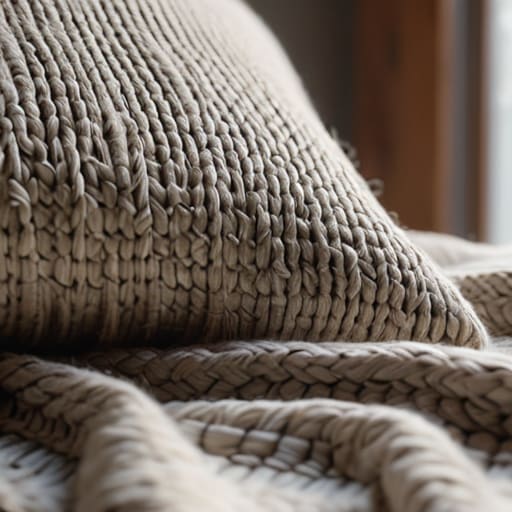
Trends are designed to make you feel temporary, but fabric is what makes you feel permanent. Most people chase a “look” only to realize halfway through a Tuesday that their polyester blend is trapping heat like a greenhouse or, worse, itching like a cactus. If you want fabrics for all day wear, you have to look past the shiny marketing and check the composition tag. Natural fibers like cotton, linen, and wool aren’t just “old school”—they breathe, they move, and they actually age with you rather than pill after three washes.
I see so many people trying to force smart casual comfort by wearing stiff, synthetic blazers that look great in a mirror but feel like cardboard by lunch. If you want to look put-together without the physical tax, look for mid-weight knits or Tencel blends. They drape better and don’t fight your body. Stop looking for what’s “in” on TikTok and start looking at the seam strength and fiber content. A well-made organic cotton trouser might cost more upfront, but it won’t lose its shape by 4 PM, which makes it the only real math that matters.
Smart Casual Comfort Why Your Fit Matters More Than the Label
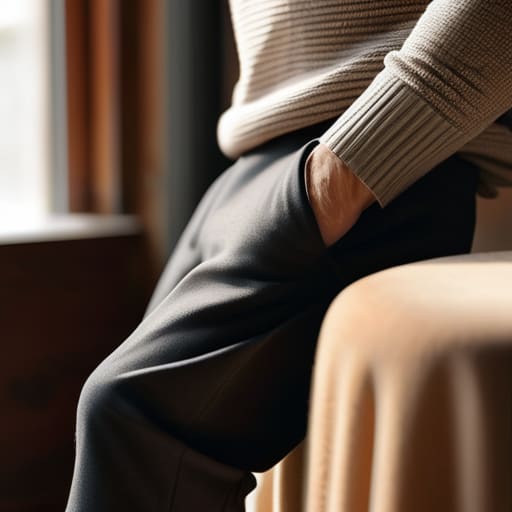
We need to have a serious talk about the term “smart casual,” because most brands use it as a license to sell you stiff, polyester-blend trousers that feel like wearing a cardboard box. You don’t need a designer label to look put-together; you just need to understand how a garment sits on your frame. The secret to smart casual comfort isn’t found in the price tag, it’s found in the seam allowance. If you buy a pair of trousers that looks great but pinches your waist every time you sit down, you aren’t “dressed up”—you’re just in pain.
Instead of chasing that high-end look, focus on styling oversized silhouettes with intention. A heavy cotton shirt or a well-structured knit can look incredibly polished if the proportions are right, rather than just looking like you rolled out of bed. If you find something that fits your shoulders but is too wide in the waist, don’t abandon it. Take it to a tailor. Spending £15 to take in a waist is a much better mathematical decision than spending £150 on a “luxury” item that actually fits.
Mastering Elevated Loungewear Without Looking Like You Just Woke Up
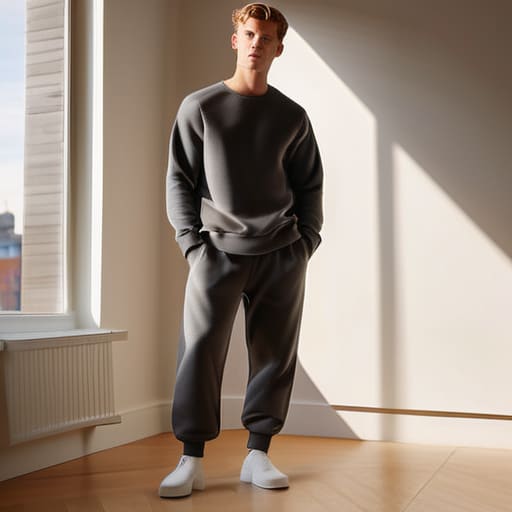
The problem with most elevated loungewear is that it’s marketed as “luxury,” but it’s usually just thin, synthetic jersey that loses its shape after three washes. If you’re wearing a sweatshirt that has gone limp and a pair of joggers that have lost their structural integrity, you don’t look “effortless”—you look like you’ve given up. To pull this off, you need to stop looking at the price tag and start looking at the weight of the knit. A heavy-weight cotton or a structured loopback fleece will hold a shape, which is the difference between looking intentional and looking disheveled.
The secret to styling oversized silhouettes without looking like you’re drowning in fabric is all about the “one-structure rule.” If your trousers are wide and soft, your top needs a bit of a backbone—think a slightly heavier cotton tee or a structured knit rather than a flimsy tank. It’s about creating a visual anchor. If you find a pair of high-quality lounge trousers at a charity shop, spend £15 getting the hem hit perfectly; a trouser that hits exactly where it should makes even the softest fabric look like a deliberate style choice rather than a Sunday morning accident.
The Math of Capsule Wardrobe Comfort and Styling Oversized Silhouettes
People love to talk about capsule wardrobes like they’re some spiritual journey, but I look at them as a math problem. If you buy ten items that only work in one specific, rigid way, you haven’t built a wardrobe; you’ve bought ten tiny, expensive problems. True capsule wardrobe comfort comes from the ratio of “utility to outfit.” You need pieces that can pivot from a desk chair to a grocery run without needing a full wardrobe change. I always tell my clients: if a garment requires a specific bra, a specific shapewear, or a specific mood to look “right,” it’s a bad investment. Look for the math of versatility—a mid-weight wool trouser that works with a knit sweater or a structured tee.
Then there is the issue of volume. Everyone is styling oversized silhouettes right now, but most people are just drowning in excess fabric because they don’t understand scale. An oversized coat can look intentional and expensive, or it can look like you’re wearing your older brother’s hand-me-downs. The secret isn’t buying “big” clothes; it’s about balancing proportions. If you’re wearing wide-leg trousers, your top needs a defined shoulder or a bit of structure so you don’t lose your shape entirely. It’s about controlled volume, not just buying a size up and hoping for the best.
Five Ways to Stop Suffering for Your Style
- Check the fiber content before you hit the till. If it’s 100% polyester and feels like wearing a plastic bin bag, it’s going to trap heat and make you miserable by 2 PM. Look for natural blends—cotton, linen, or even a bit of viscose—that actually breathe. A cheap cotton shirt that moves with you beats a “luxury” synthetic blend that pinches every time you sit down.
- Learn the “Sit Test” in the changing room. Don’t just stand there looking in the mirror like a mannequin; sit down, cross your legs, and reach for a high shelf. If the waistband digs into your stomach or the thighs feel like they’re about to split, walk away. A garment that looks great standing up but feels like a cage sitting down is a waste of your money.
- Budget for the “Tailor Tax.” If you find a pair of trousers that fits your hips perfectly but are two inches too long, don’t scrap them. Spend £15 to get them hemmed. It’s cheaper than buying a new pair that fits “okay” and having them trip you up every morning. A perfect fit is usually just a cheap alteration away.
- Stop fighting your body with shapewear and start using structure. Instead of squeezing yourself into something that requires constant tugging and adjusting, look for garments with intentional construction—like a blazer with a bit of weight or a skirt with a proper waistband. If you spend your day pulling your clothes back into place, you aren’t “wearing” the outfit; the outfit is wearing you.
- Prioritize seam placement over “slimming” marketing. The industry loves to sell us “shaping” fabrics that are actually just stiff, uncomfortable nonsense. Look for clothes where the seams actually follow your natural lines. If a seam is digging into your shoulder or pulling at your hip, no amount of “magic” fabric is going to make it comfortable. Real style is about ease of movement, not how much you can compress yourself.
The Real Cost of Looking Good
If you’re spending your entire lunch break tugging at a waistband or adjusting a shoulder strap just to look ‘put together,’ you haven’t achieved style—you’ve just paid a premium to be distracted. True style isn’t about enduring discomfort for the sake of an aesthetic; it’s about finding the right fabric and spending twenty quid at a tailor to make sure the clothes actually work for your life, rather than you working for them.
Neve Okonkwo-Barr
The Bottom Line on Comfort
At the end of the day, dressing well isn’t about performing for a camera or buying into a “look” that requires you to hold your breath all afternoon. It is about understanding that a well-chosen natural fabric, a silhouette that actually allows for movement, and the simple magic of a properly hemmed trouser will do more for your confidence than any high-street trend. We’ve looked at why the math of a capsule wardrobe works, why your fabric choices dictate your comfort levels, and why you should never be afraid to take a garment to a tailor to make it truly yours. Stop treating your clothes like costumes you have to endure and start treating them like tools for living your actual life.
My grandmother taught me that looking good isn’t a luxury reserved for people with endless bank accounts; it is a matter of respect for yourself and the things you own. You don’t need a massive budget to stop feeling uncomfortable in your own skin—you just need to stop letting marketing departments convince you that “style” has to hurt. If a piece of clothing makes you want to hide or fidget, it isn’t working, no matter how much it cost. Real style is when you can actually exist in your clothes from your morning coffee through to a late Wednesday night, feeling entirely like yourself. Go find a tailor, check your labels, and start building a wardrobe that actually serves you.
Frequently Asked Questions
If I find a high-quality piece in a charity shop that’s a bit too baggy or shapeless, is it actually worth the money to have a tailor take it in, or am I just throwing good money after bad?
Check the fabric first. If it’s a natural fiber—wool, heavy cotton, or linen—it’s almost always worth it. A £5 charity shop blazer in 100% wool that needs a £25 waist nip is a steal; that’s a bespoke-feeling piece for thirty quid. If it’s cheap, thin polyester that feels like a bin bag, run. Don’t waste money trying to engineer structure into fabric that has none. If the bones are good, fix them.
How can I tell if a "comfy" fabric like a synthetic blend is actually going to hold its shape after three washes, or if it's just going to turn into a shapeless rag by next month?
Do the “scrunch test.” Grab a handful of the fabric, squeeze it hard for five seconds, and let go. If it bounces back immediately, you’re good. If it stays a crumpled mess, that’s a sign the fibers are weak and won’t hold a silhouette. Also, check the tag: if it’s more than 30% cheap polyester, it’ll likely pill and lose its structure. You want natural blends—cotton or wool with a tiny bit of elastane—for longevity.
I love the look of structured blazers for work, but they always feel like they're wearing me—is there a way to alter them for more movement without ruining the silhouette?
The problem isn’t the blazer; it’s the armholes. Most high-street blazers have low, restrictive armholes that pull the whole jacket up when you move. Ask a tailor to “raise the armscye”—it’s a bit more technical, but it frees your range of motion instantly. If the shoulders are too stiff, see if they can let out the seam allowance slightly. It’ll cost you about £25–£40, but it’s better than a stiff jacket that makes you look like a mannequin.
