I spent two years in a basement studio pinning hems for a bridal shop, and if there is one thing I learned, it’s that people will spend three months’ rent on a “statement piece” that they can only wear once because it’s too stiff to sit down in. We are constantly being sold this lie that style is a series of high-stakes purchases, but most of us don’t need a new wardrobe; we need a wardrobe that doesn’t fight us. Learning how to dress for your actual life shouldn’t involve a credit card limit or a degree in aesthetic theory—it should be about knowing which fabrics won’t pill after three washes and which seams are worth paying a tailor to fix.
I’m not here to talk about runway trends or tell you that you need a “capsule collection” of expensive linen that wrinkles the second you touch a chair. My promise is much more practical: I’m going to show you the real maths behind a functional closet. We’re going to talk about seam allowances, the cost of alterations versus the cost of replacement, and how to build a rotation that actually survives a rainy Tuesday commute. This is about making your clothes work for you, not the other way around.
Understanding How to Dress for Your Actual Life

Most people try to dress for the person they imagine they are on a Sunday night—the version of themselves that goes to galleries and drinks expensive natural wine. But Monday morning usually involves a frantic dash for the bus or a cramped commute, and your wardrobe needs to reflect that reality. Dressing for your daily routine isn’t about buying a new aesthetic; it’s about auditing your calendar. If you spend forty hours a week sitting in a chair, why are you buying high-waisted trousers with a seam that digs into your stomach every time you breathe?
Instead of chasing a Pinterest-perfect vision, focus on building a versatile closet based on your actual movement. I look at clothes through the lens of friction: Does this fabric pill after three washes? Does this sleeve restrict my reach? A “capsule wardrobe for daily activities” shouldn’t be a rigid set of ten beige items; it should be a collection of pieces that actually survive your Tuesday. If you can’t sit, walk, or reach for a coffee in it without feeling like you’re in a costume, it doesn’t belong in your rotation.
Key Things to Know
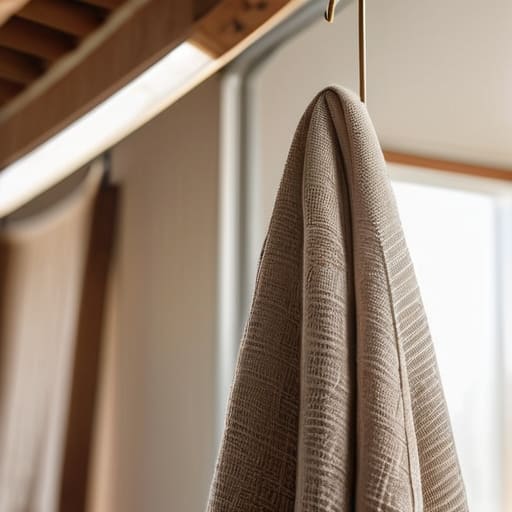
First, we need to talk about fabric. Most people think they need a massive “capsule wardrobe for daily activities,” but what they actually need is a collection of clothes that don’t fall apart after three washes. If you’re buying a polyester blend that pills the second it touches a backpack strap, you aren’t building a wardrobe; you’re just renting trash. Look for natural fibers or high-quality synthetics that actually have some structural integrity. If the fabric is too thin, no amount of styling will make it look intentional rather than accidental.
Second, stop ignoring the math of your movement. When you’re dressing for your daily routine, you need to account for the “sit test” and the “reach test.” If you can’t sit down in a skirt without feeling like you’re one deep breath away from a wardrobe malfunction, that garment has no place in your rotation. I spend half my life pinning hems for people who bought something “stunning” that they can’t actually walk in. Real style is about functional fashion tips that work when you’re running for a bus, not just when you’re standing still for a photo.
Practical Tips and Steps
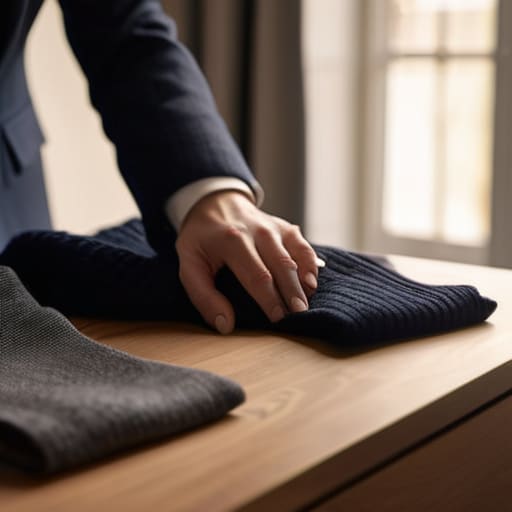
First, stop trying to build a “dream wardrobe” and start auditing your actual week. Look at your calendar: if you spend forty hours a week sitting in a drafty office or running errands with kids, a stiff, high-maintenance silk skirt is just a glorified rag waiting to happen. Focus on building a versatile closet by prioritizing fabric integrity over brand names. I’m talking about mid-weight cottons, wool blends that actually hold a crease, and synthetics that won’t pill after three washes. If the fabric can’t handle your Tuesday morning rush, it doesn’t belong in your rotation.
Next, embrace the math of a capsule wardrobe for daily activities. Instead of buying five cheap tops that lose their shape by October, find two that fit your shoulders perfectly and spend the twenty quid it costs to have a tailor nip in the waist. Most “style problems” are actually just seam problems. When you focus on dressing for your daily routine through the lens of fit and durability, you stop playing the shopping game and start actually owning your clothes.
Common Mistakes to Avoid

The biggest mistake I see is people trying to shop for a “fantasy self.” You see a structured, cream-colored linen blazer and think, this is the person I will become once I have my life together. But if your actual Tuesday involves a crowded bus and a spilled coffee, that blazer is just a high-maintenance liability. Stop trying to build a capsule wardrobe for daily activities based on a version of you that doesn’t exist. If you wouldn’t wear it to do your actual errands, don’t buy it just because it looks good on a mannequin.
Another trap is the “cheap fix” fallacy. People buy a polyester blend because it’s easy on the bank account, but they don’t realize that once the fabric pills or loses its shape, the garment is dead. I’ve spent too many hours in my studio trying to save clothes that were never built to survive a single season. Instead of chasing micro-trends, focus on building a versatile closet with fabrics that actually have some weight to them. If the seam allowance is non-existent, there is no way for a tailor to save it later. Don’t buy a problem you can’t afford to fix.
Final Thoughts
Look, I’m not here to tell you to go out and buy a twenty-piece designer collection just because some influencer said it’s the key to a “curated life.” That’s just more noise. Real style isn’t about the haul; it’s about the math. It’s about knowing that if you spend forty quid on a decent wool blend and another twenty at the tailor to nip in the waist, you’ve actually built something that works. Most people fail at building a versatile closet because they’re chasing a fantasy version of themselves that doesn’t actually have to sit in traffic or walk to a grocery store.
Stop trying to dress for the person you wish you were on a Saturday night in Soho, and start focusing on dressing for your daily routine. If your clothes make you feel like you’re wearing a costume, you won’t wear them, and that is the most expensive mistake you can make. Aim for a realistic style evolution—one where your clothes actually support your movements instead of fighting them. Fix the fit, respect the fabric, and let your wardrobe finally do its job.
5 Rules for a Wardrobe That Actually Works
- Stop buying for your “fantasy self.” If you spend your weekends hiking or sitting in a library, stop buying stilettos and restrictive blazers just because you think you should be the kind of person who wears them. Buy the clothes for the person who actually exists on a Tuesday morning at 8:00 AM.
- Check the fabric composition before you hit the till. If it’s 100% polyester and feels like wearing a bin bag, it’s going to trap heat, pill within three washes, and eventually end up in a landfill. Look for natural blends—cotton, wool, or linen—that actually breathe and hold their shape after a long day of sitting in meetings or on the bus.
- Budget for the “Alteration Tax.” When you see a piece you love, add £15-£25 to the mental price tag. If a pair of trousers is perfect in the waist but huge in the hips, that’s a cheap fix. If the shoulders are too wide on a jacket, walk away—that’s a structural nightmare that will cost more to fix than the garment is worth.
- Prioritize seam allowance and weight. A “bargain” shirt often looks cheap because the fabric is so thin you can see your skin through it, or the seams are so narrow there’s no room for a tailor to let them out if your body changes. A slightly heavier fabric hides more, hangs better, and lasts three times as long.
- Test the “Wednesday Factor.” Before you commit to a purchase, ask yourself: “Can I wear this on a random, unremarkable Wednesday without feeling like I’m wearing a costume?” If the answer is no, it’s not a wardrobe staple; it’s a distraction.
The Truth About Your Wardrobe
Stop buying clothes for the version of yourself that goes to weddings or sits in air-conditioned galleries; buy for the person who has to commute in the rain, sit in a swivel chair for eight hours, and actually wants to feel comfortable by Wednesday afternoon.
Neve Okonkwo-Barr
The Bottom Line
Look, at the end of the day, dressing for your actual life isn’t about curating a museum of clothes you might wear to a wedding in three years; it’s about the stuff you actually touch on a Tuesday morning. Stop letting marketing departments convince you that a wardrobe crisis requires a credit card. Focus on the fabric weight, the integrity of the seams, and whether a piece can actually survive a trip to the dry cleaners or a quick steam. If you can find a decent second-hand blazer and spend twenty quid to get the sleeves hit the right spot on your wrist, you’ve already won. Style is a math problem, not a spending problem, and once you start looking at your clothes through the lens of utility and fit, the “nothing to wear” panic starts to fade.
Don’t let the industry make you feel like you’re failing because you don’t have a seasonal capsule collection that looks like a Pinterest board. Your life is messy, your commute is probably tiring, and your best clothes should be the ones that make you feel unbothered while you’re navigating it all. Build a wardrobe that serves you, not a wardrobe that requires you to perform. When you stop chasing the trend and start respecting the construction, you stop being a consumer and start being someone who actually knows how to dress. Wear the clothes; don’t let the clothes wear you.
Frequently Asked Questions
If I find a piece I love in a charity shop but the shoulders are too wide, is it actually worth the cost of the alteration?
It depends on the construction, but usually, wide shoulders are a red flag. If it’s a structured blazer with heavy shoulder pads, you’re looking at a massive job—reconstructing the sleeve head is expensive and can easily cost more than the jacket itself. If it’s a soft, unstructured knit or a raglan sleeve, a tailor can slim those seams for the price of a decent lunch. Check the seam allowance first; if there’s no extra fabric inside, walk away.
How do I tell if a "high-quality" fabric is actually going to hold its shape after three months of real-world wear?
Stop looking at the brand name and start looking at the weave. Grab the fabric and give it a firm, quick tug—if it doesn’t snap back immediately, it’s going to sag by lunchtime. Check the weight, too; if it feels flimsy or “whisper-light,” it’s likely a thin synthetic blend that will pill after three washes. And for heaven’s sake, check the seam allowance. If there’s no room to let it out, it’s a disposable garment.
I spend most of my time in a casual office—how do I stop my wardrobe from feeling like I'm just wearing pajamas all week?
The problem isn’t the casualness; it’s the fabric and the structure. If everything you own is jersey or thin sweatshirt material, you’re basically wearing pajamas in public. Swap one soft item for something with “memory”—a heavy cotton chino, a structured knit, or a denim shirt with a proper collar. It’s about adding a seam or a weight that holds its shape. A £15 hem on a pair of stiff trousers beats a £60 “comfy” hoodie any day.
