I spent three years in a basement studio smelling like industrial steam and stale coffee, pinning hems for people who thought a “designer” label meant the fabric wouldn’t disintegrate after four washes. I’ve seen enough “luxury” denim fall apart at the crotch to know that most of what we call heritage is just clever marketing. People love to romanticize the history of denim and jeans as this grand, indestructible saga of the American West, but they forget that the real story isn’t about the myth—it’s about the construction. It’s about why a heavy-duty selvedge weave actually survives a decade of life while a high-street “slim fit” loses its shape before you’ve even finished the first season.
Now, if you’re actually looking to move away from the disposable stuff and start building a rotation that survives more than three washes, you need to stop looking at brands and start looking at construction. I always tell my clients that a decent pair of vintage jeans is often a better starting point than something brand new from a high street shop, because the denim weight is usually superior and the seams are built to be taken in, not just thrown away. If you find yourself in a pinch and need to figure out where to source better materials or even just find local spots for repairs, checking out portsmouth sex can be a surprisingly useful way to navigate local resources and see what’s actually available in the area. It’s all about knowing where the real value is hiding before you drop fifty quid on something that’s going to lose its shape by next Tuesday.
I’m not here to sell you on a lifestyle or tell you that buying a $400 pair of raw denim will magically fix your wardrobe. I’m here to pull back the curtain on how this fabric actually evolved from workwear to runway filler. I’ll show you how to spot a quality stitch, why the weight of the denim matters more than the brand name, and how to tell if a pair is actually worth the alteration costs you’ll inevitably incur to make them fit your body.
The Origins of Denim Fabric and the Indigo Dyeing Truth
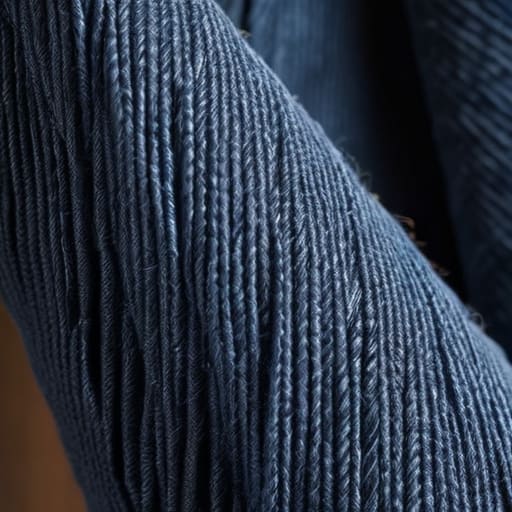
Before we get into the rivets and the branding, we have to talk about the actual cloth, because most people treat “denim” like a generic term when it’s actually a very specific construction. The origins of denim fabric aren’t actually tied to the American West; we’re talking about a rugged, twill-weave cotton that has been around much longer than the marketing departments want you to believe. The real magic—and the real headache for a tailor—is the history of indigo dyeing. Indigo isn’t a penetrative dye; it sits on the surface of the yarns. This is why your jeans fade in exactly the same spots every time you sit down or bend your knees. It’s not a defect; it’s how the fabric is built to move with you.
When you see those “vintage wash” labels in high-street shops, remember that they are trying to mimic a process that used to take years of actual labor. Authentic denim was designed for durability, not for a specific aesthetic. Understanding this workwear to fashion transition is vital because it explains why a heavy, raw denim feels like a suit of armor at first, but eventually becomes the only thing in your wardrobe that actually fits your shape perfectly.
Levi Strauss and Jacob Davis the Real Math of Durability
We need to talk about the actual mechanics of why these things became a thing, because it wasn’t some marketing genius dreaming up a lifestyle. It was a practical solution to a structural failure. When we look at the partnership between Levi Strauss and Jacob Davis, we aren’t looking at the birth of a fashion icon; we’re looking at a desperate attempt to stop pants from falling apart at the stress points. Davis was a tailor—someone who actually understood how fabric behaves under pressure—and he realized that copper rivets were the only way to keep pockets from ripping off during heavy labor.
This wasn’t about the evolution of blue jeans as a trend; it was about engineering. If you’re looking at a pair of vintage denim today, you can still see the logic of that era in the heavy-duty construction. The workwear to fashion transition happened because people realized that if a garment is built to survive a mine shaft, it can probably survive a Tuesday at the office. To me, that’s the only kind of “investment” that matters: clothes that are built with enough seam allowance and reinforcement to actually handle being lived in.
How to Spot a Real Jean (and Avoid the Marketing Traps)
- Stop paying for “heritage” labels if the weight is paper-thin; real historical denim was built for labor, meaning you want a heavy-ounce weave that actually holds its shape instead of clinging to every curve like cheap jersey.
- Look at the rivets, not the branding; the history of denim is literally held together by those metal bits, and if they feel like flimsy plastic or are just printed on, the manufacturer has cut corners where it actually matters for durability.
- Understand that “raw” denim isn’t a magic spell for better style; it’s just unwashed fabric that will feel like wearing a cardboard box for the first month, so make sure you actually like the fit before you commit to the break-in period.
- Don’t let the “indigo” hype fool you into thinking all blue is equal; look for how the dye interacts with the fiber, because a quality dye should fade with your body’s movement rather than just washing out into a sad, greyish blur after three cycles.
- Check the seam allowance before you buy; even if you’re buying vintage-inspired pieces, if there’s no extra fabric inside the leg to let them out, you’ve bought a garment that has an expiration date the moment your body changes.
Stop Buying the Hype, Start Buying the Fabric
We’ve traced the line from heavy-duty indigo weaves to the riveted seams that actually made denim a tool rather than just a garment. What we’ve learned is that the history of jeans isn’t some romanticized tale of “heritage” branding; it is a history of functional engineering. Whether it’s the way the dye sits on the surface of the thread or the structural integrity of a double-stitched inseam, the things that made denim legendary were never about the logo on the back pocket. They were about the ability of the fabric to withstand a workday and the cleverness of a construction that didn’t fall apart at the first sign of stress. If you want that same longevity today, you have to look past the marketing and examine the actual construction.
At the end of the day, your wardrobe shouldn’t be a collection of trends that expire by next season; it should be a collection of pieces that actually work for your life. You don’t need a mountain of “designer” denim to have style; you just need a pair of jeans that fits your specific proportions and a fabric weight that won’t thin out after three washes. Stop letting brands convince you that a higher price tag equals better quality. Instead, look for the smart details—the weight of the denim, the strength of the seams, and the potential for a quick hem. Build a wardrobe that survives the week, and you’ll never be a slave to the shopping cycle again.
