I spent two years in a cramped basement studio pinning hems for a bridal shop, and if there is one thing those silk gowns taught me, it’s that you can spend three months’ rent on a designer piece and still look like you’re wearing a costume. Most people think they need a complete wardrobe overhaul when a look feels “off,” but usually, it’s just a fundamental misunderstanding of how proportion affects an outfit. You don’t need a new silhouette; you usually just need to stop letting your clothes wear you. I’ve seen women look absolutely incredible in a £10 charity shop blazer simply because the shoulder seam actually sat where it was supposed to, while others look lost in $500 jackets because the visual weight is all wrong.
In this guide, I’m not going to give you any vague “style rules” or tell you to buy a specific trend to fix your shape. Instead, I’m going to show you the actual mechanics of balance—where a hemline should hit, why your tucked-in shirt matters more than the brand name, and when a quick trip to the tailor is cheaper than a new purchase. We’re talking about real-world math, not marketing fluff.
Understanding How Proportion Affects an Outfit
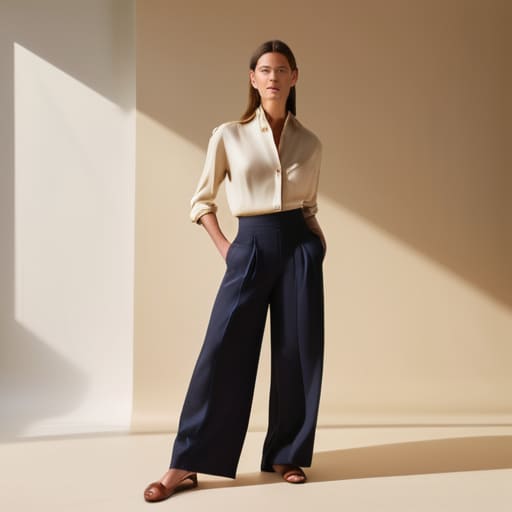
Think of your body as a canvas, not a mannequin. When we talk about proportion, we aren’t talking about your weight or your shape—we are talking about where the lines of your clothes fall. If you wear a long, shapeless tunic over wide-leg trousers, you aren’t “hiding” anything; you’re just creating a solid block of fabric that swallows your frame. This is where the rule of thirds in fashion becomes your best friend. Instead of splitting yourself exactly in half like a sandwich, aim for a 1/3 to 2/3 ratio. Tuck in your shirt or use a belt to define where your legs actually start; it’s the fastest way to create a flattering silhouette without spending a penny.
It’s also about managing visual weight. A heavy, chunky knit sweater has more “gravity” than a silk camisole. If you’re balancing oversized clothing, you have to realize that if the top is massive, the bottom usually needs some structure to keep you from looking like a pile of laundry. It’s not about being “skinny”; it’s about where the eye rests.
Key Things to Know
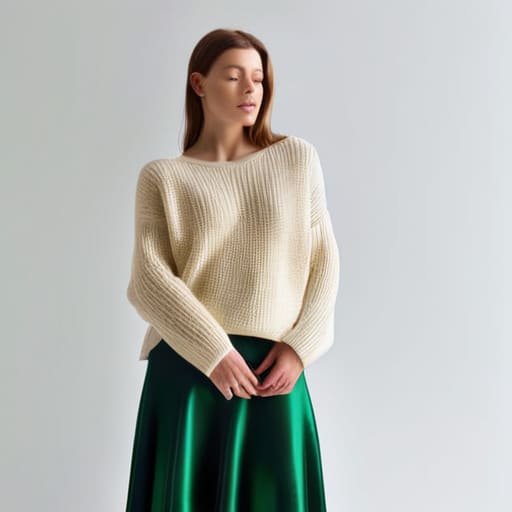
First, let’s talk about visual weight in styling. This isn’t some abstract concept from a textbook; it’s the reality of how a heavy, chunky wool sweater interacts with a thin, silk slip skirt. If you pair two heavy items together, you don’t look “editorial”—you look like you’re being swallowed by a duvet. The goal is to distribute that weight so your frame doesn’t disappear. This is where the rule of thirds actually becomes useful. Instead of bisecting your body exactly in half with a belt or a hemline—which can make you look boxy and truncated—try aiming for a 1/3 to 2/3 ratio. It’s the difference between looking like a rectangle and looking like you actually have a shape.
Second, stop panicking when you want to wear something baggy. Balancing oversized clothing isn’t about wearing tight leggings underneath every single thing you own (that’s a dated look and, frankly, uncomfortable). It’s about structural intentionality. If you have a massive, oversized blazer, pair it with a trouser that has enough structure to hold its own, or ensure the waistline is defined enough that you aren’t just a shapeless mass of fabric. It’s about managing volume, not hiding from it.
Practical Tips and Steps
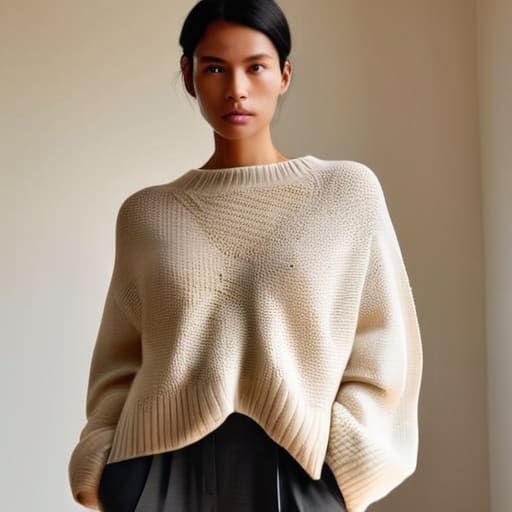
First, stop trying to hide your body under a mountain of fabric. One of the biggest mistakes I see is people thinking that “oversized” means “shapeless.” If you’re wearing a massive, heavy knit, you need to anchor it by showing where your limbs actually exist. This is the easiest way to master balancing oversized clothing without looking like you’re wearing a tent. Try a quick French tuck into your trousers or roll up your sleeves to expose your wrists. It creates a focal point and prevents the fabric from swallowing your frame whole.
Next, let’s talk about the math of where your clothes actually sit. I’m a huge advocate for the rule of thirds in fashion because it’s much more pleasing to the eye than splitting yourself exactly in half. Instead of a long top over long trousers, tuck your shirt into high-waisted bottoms to create a 1/3 to 2/3 ratio. This shifts the visual weight and makes your legs look longer instantly. If you have a piece that feels “off,” it’s rarely the item itself; it’s usually just that the hem is hitting at the widest part of your hip instead of the narrowest part of your waist. Fix the line, fix the look.
Common Mistakes to Avoid
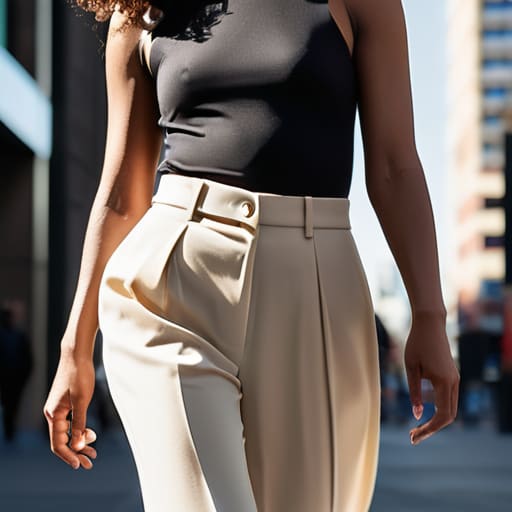
The biggest mistake I see is the “shapeless sack” trap. People think that because they want to be comfortable, they should just wear oversized things from head to toe. But if you aren’t intentional about balancing oversized clothing, you don’t look relaxed; you just look like you’re being swallowed by a heavy curtain. If your trousers are wide and voluminous, you need a more structured or fitted top to anchor the look. Without that contrast, you lose your frame entirely, and that’s when the outfit starts wearing you instead of the other way around.
Another massive blunder is ignoring how your waistline dictates your entire silhouette. I see so many people struggle with the transition between their torso and hips because they’re fighting their own biology. Whether you’re navigating high waisted vs low rise proportions or trying to figure out where a skirt should actually hit, the goal is to avoid cutting yourself in half at the widest part of your body. Stop trying to force a specific “look” if the seam is sitting in a place that makes you feel boxy. It’s not a body issue; it’s just a misplaced hem.
Final Thoughts
Look, I don’t want you to walk away from this feeling like you need to go out and buy a whole new capsule wardrobe just to “get” the concept. The whole point of understanding how proportion affects an outfit is realizing that you probably already own the pieces; you just haven’t learned how to play with the geometry yet. Whether you are experimenting with the rule of thirds in fashion to elongate your legs or just trying to figure out why that one specific blazer makes you feel swallowed whole, remember that it’s all about intentionality.
Stop treating your clothes like a set of rules to be obeyed and start treating them like tools. If you’re struggling with balancing oversized clothing, don’t panic and throw it all away—just find the one point of structure, like a cinched waist or a tucked hem, that gives your body a place to land. Style isn’t about being perfect; it’s about knowing where the fabric should hit and being brave enough to take it to a tailor when it doesn’t. Real style is found in the adjustments, not the receipts.
Five Ways to Stop Fighting Your Clothes and Start Using Proportions
- The Rule of Thirds (and why the 50/50 split is ruining your shape): Stop cutting yourself exactly in half with a long shirt over long trousers. It makes you look like a block. Aim for a 1/3 top to 2/3 bottom ratio—tuck in that shirt or use a belt to raise your waistline. It creates a longer line and actually makes your legs look like they belong to a human being.
- Balance the Volume: If you’re wearing those massive, wide-leg trousers that feel like wearing a tent, do not pair them with an oversized, chunky knit. You’ll disappear. If the bottom is big, keep the top closer to the body. It’s not about being “skinny,” it’s about creating a focal point so you don’t look like a pile of fabric.
- Mind the Hemline vs. the Shoe: A cropped trouser that hits at the widest part of your calf is a disaster—it chops your leg off mid-way. Either go for a full length that skims the shoe or a deliberate crop that hits just above the ankle. If you’re stuck with the wrong length, a quick hem at the tailor (usually about £12-£15) will do more for your silhouette than a new pair of shoes ever will.
- Shoulder Seams are Your North Star: If the shoulder seam of a blazer or shirt is drooping down your arm, the whole proportion of your torso is gone. It makes you look slumped and unkempt. If you find a vintage piece with great fabric but won’t stop looking “small” in it, check if the shoulders can be taken in. If they can’t, leave it on the rack.
- Use Weight to Anchor the Look: Don’t pair a heavy, structured wool coat with a flimsy, gossamer-thin silk skirt unless you’re prepared to look top-heavy. If your top layer is substantial, your bottom layer needs enough “heft” or structure to balance it out. It’s about visual weight—if one side is dragging the whole outfit down, you need to compensate.
The Silhouette Lie
Stop blaming your body when the problem is actually just a bad ratio; you don’t need a new wardrobe to fix a silhouette, you just need to stop letting a hemline or a shoulder seam dictate where your shape begins and ends.
Neve Okonkwo-Barr
The Bottom Line
At the end of the day, getting your proportions right isn’t about following some arbitrary rulebook or buying a whole new capsule wardrobe. It’s about understanding the geometry of what you’re already wearing. Whether you’re balancing a heavy oversized knit with a slim trouser or finally realizing that a high-waisted hem can completely change how your legs look, it all comes down to where the lines hit. Don’t let a bad silhouette convince you that you’re the problem; usually, it’s just a matter of adjusting the volume or, more likely, taking ten minutes to a tailor to nip in a waist or shorten a hem so the fabric actually behaves.
Stop waiting for a shopping spree to feel like yourself again. Style isn’t something you purchase in a poly-blend box; it’s something you curate through observation and a little bit of technical know-how. If an outfit feels “off,” don’t reach for your credit card—reach for a safety pin or look for a seam that needs moving. When you master the math of your own proportions, you stop being a victim of fast-fashion trends and start building a wardrobe that actually works for your life. You don’t need more clothes; you just need the ones you own to finally fit the way they were meant to.
Frequently Asked Questions
I found a vintage blazer that looks amazing on the hanger, but the shoulders are too wide; can a tailor actually fix that without ruining the whole shape?
The short answer is: yes, but it’s a heavy lift. Fixing shoulders means deconstructing the sleeve head and the armhole, which is basically open-heart surgery for a blazer. It’s not a “quick hem” job; expect to pay significantly more than you did for the find. If the shoulder seam is too far past your natural bone, it’ll look like you’re wearing a costume. Get a pro to check the seam allowance first—if there’s no fabric to work with, walk away.
Is it worth paying for professional alterations on high-street pieces, or am I just throwing good money after bad fabric?
It depends entirely on the fiber content. If it’s a 100% wool blazer from a high-street brand, yes—pay the £25 to nip the waist. That’s a win. But if it’s a polyester-blend nightmare with zero stretch, stop. You’ll spend £30 trying to fix a garment that’s going to pill or lose its shape in three months anyway. Don’t waste tailoring money on cheap fabric; save it for the natural fibers that actually deserve a second life.
How do I balance proportions when I'm wearing heavy, oversized knits that make me feel like I'm drowning in fabric?
You aren’t drowning; you’re just losing your shape to a lack of structure. If the knit is huge, the bottom half needs to be intentional. Don’t try to match “big with big” unless you want to look like a pile of laundry. Pair that heavy wool with something slim—straight-leg denim or a structured skirt—to create a visual anchor. If it’s still too much, tuck just the front hem into your waistband. It costs nothing and instantly finds your waist.
