I spent three years in a basement studio pinning hems for people who thought a “vintage find” was a miracle, when really, it was just a garment with a bad shoulder seam and a heavy price tag. Most influencers will give you a “complete guide to vintage clothing” that focuses on aesthetic vibes and curated Pinterest boards, but they never mention that a 1970s polyester blend is going to feel like wearing a plastic bag. They want you to believe you need a massive budget to look “retro,” but they’re ignoring the actual mechanics of how clothes were built back then versus the flimsy, fast-fashion scraps we see today.
I’m not here to sell you on a lifestyle; I’m here to give you the technical truth. This isn’t a guide for collectors looking to hoard museum pieces, but for anyone who wants to know if that $40 wool blazer is actually worth the $30 alteration fee to make it fit your frame. I’ll show you how to spot reinforced seams, how to read fabric weights like a pro, and exactly when to walk away from a “bargain” that’s just a future landfill candidate. Let’s talk about real quality.
Understanding Complete Guide to Vintage Clothing
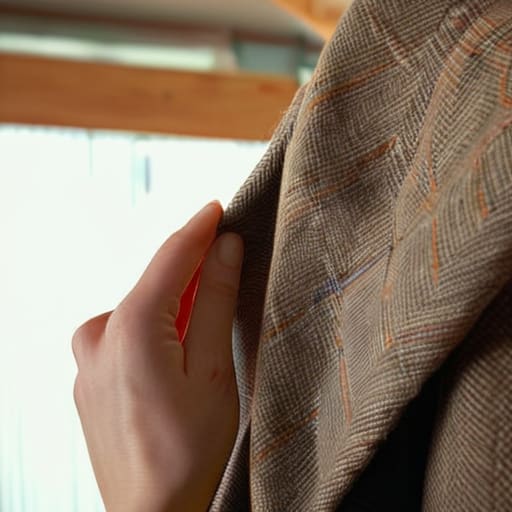
Before you go diving into a bin of old clothes, let’s get one thing straight: “vintage” isn’t a magical spell that makes a garment high-quality. To a marketing department, it’s a vibe; to me, it’s a technical assessment of construction. If you’re just starting with thrifting for beginners, stop looking at the brand name and start looking at the construction. I don’t care if it says “Designer” on the label if the shoulder pads are disintegrating or the polyester is so thin it feels like a grocery bag. You need to understand era specific fashion styles not just for the aesthetic, but because the way a 1970s wool coat is cut is fundamentally different from a 1990s fast-fashion imitation.
The real secret lies in identifying vintage garment tags and checking the seam allowances. A true vintage piece usually has enough extra fabric inside the hem to actually be let out if you gain a bit of weight—that’s real value. If the tag is printed directly onto the fabric or the stitching is a single, loose thread, walk away. You aren’t buying a piece of history; you’re buying future landfill.
Key Things to Know
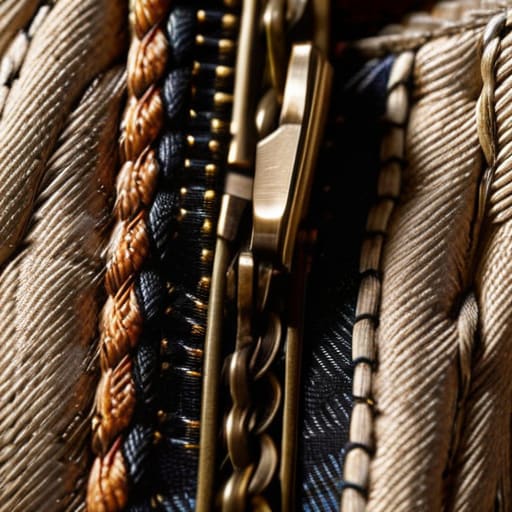
First, stop looking for “vibes” and start looking at the construction. If you’re just starting with thrifting for beginners, your eyes need to move away from the brand name and straight to the seams. I spent two years in a basement studio looking at the inside of garments, and let me tell you: the truth is always on the reverse side. Check the hem depth and the weight of the zipper. A heavy, metal zipper usually means the piece has some actual life left in it, whereas a flimsy plastic one on a “vintage” find is a red flag that it’s either a cheap reproduction or has been poorly repaired.
You also need to get comfortable with identifying vintage garment tags to know what you’re actually holding. A care label printed on a silky, synthetic material tells a very different story than a woven, scratchy union label from the 60s. Don’t let a “designer” tag fool you into thinking a polyester blend is a holy grail; if the fabric is too thin, it won’t survive a single professional cleaning. Know your fibers before you commit your cash.
Practical Tips and Steps
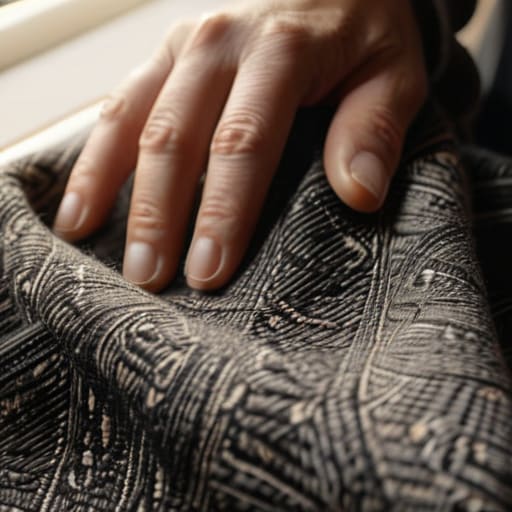
First, stop looking at the “vintage” label and start looking at the construction. If you’re thrifting for beginners, your best tool isn’t a trend report; it’s your hands. Feel the weight of the fabric. A heavy wool crepe or a thick cotton drill will outlast a polyester blend from a fast-fashion outlet every single time. While you’re at it, practice identifying vintage garment tags—the way a label is sewn in, the font used, and even the material of the thread can tell you if you’re looking at a genuine 1960s piece or a 2010s “retro” knockoff.
Second, always factor in the “alteration tax.” I see people fall in love with a gorgeous silk slip dress only to realize the side seams are finished so poorly that a tailor will charge more to fix the fit than the dress actually cost. Before you tap your card, check the seam allowance. If there isn’t enough extra fabric inside the garment to let it out or take it in, walk away. A bargain isn’t a bargain if you can’t actually wear it on a Wednesday.
Common Mistakes to Avoid
The biggest mistake I see people make is falling in love with the “vibe” before they look at the construction. You see a gorgeous 1970s disco shirt and think it’s a steal, but if you don’t start identifying vintage garment tags and checking the fiber content, you’re just buying a very expensive rag. If that tag says “polyester” but it feels like sandpaper, it’s going to trap heat and pill within three washes. Don’t let the aesthetic blind you to the reality of the textile; if the fabric can’t breathe, you won’t wear it, no matter how much it screams “era-specific fashion style.”
Another trap is assuming every vintage find is a “save.” I see so many people practicing thrifting for beginners by grabbing anything with a cool print, only to realize later that the shoulder seams are so narrow they’d need a structural rebuild to fit a modern body. Unless you have a generous seam allowance to work with, a “bargain” that costs $40 to tailor is just a bad math equation. Stop buying things that require a miracle to wear; buy things that actually have the structural integrity to be fixed.
Final Thoughts
Look, I’m not going to tell you that you’re going to walk into a charity shop and find a pristine, designer silk slip for five pounds. That’s the fantasy they sell you on TikTok. The reality is that most of what you’ll find is going to need a bit of love—maybe a hem taken up or a button replaced—but that’s where the magic happens. If you approach this as a way to build a wardrobe that actually belongs to you, rather than just a collection of old things, you’ll win.
Stop obsessing over whether a piece is “on trend” and start looking at the construction. Use these vintage clothing authentication tips to check the weight of the wool or the way the sleeves are set; if the fabric feels substantial and the seams are straight, you’ve found something worth the effort. Ultimately, sustainable fashion through secondhand shopping isn’t about perfection; it’s about being intentional. Buy the piece that fits your life, not the one that fits a specific era, and always, always budget a few extra pounds to make it fit your body perfectly.
The Real-World Math of Vintage Shopping
- Check the seam allowance before you fall in love. If you find a gorgeous 1970s wool blazer but the side seams are finished right at your hip, you’re stuck. If there’s an extra inch of fabric tucked inside the seam, a tailor can let it out for about £20, and suddenly that “too small” find is your new favorite jacket.
- Ignore the size tag; it’s a lie. A vintage size 12 is not a modern size 12, and it’s certainly not a size 12 in the way a fast-fashion brand thinks it is. Always carry a soft measuring tape in your bag. If the bust measurement doesn’t match your actual body, no amount of “styling” is going to make it look intentional.
- Do a “stress test” on the fabric. Hold the garment up to the light. If you see thinning patches or tiny pinpricks in the weave, that’0s silk is one more wear away from a catastrophic tear. You can’t patch a hole in sheer silk without it looking like a DIY disaster, so skip it.
- Beware of “dry clean only” traps that aren’t worth the cost. If you find a beautiful vintage piece but it requires a specialized, expensive chemical clean every time you wear it, you’ve just doubled the price of the garment. Look for sturdy natural fibers like heavy cotton or wool that can handle a gentle hand wash or a steam.
- Inspect the hardware like a detective. Are the zippers metal or that flimsy, scratchy plastic that breaks if you look at it wrong? Are the buttons loose? A heavy brass zipper is a sign of a garment built to last; a stuck plastic one is a sign that you’re about to spend more on repairs than the item was worth.
The Real Cost of "Vintage"
Stop looking for a ‘complete guide’ that tells you what’s trendy; look for the guide that tells you how to read a label. A vintage piece isn’t a win just because it has a story—it’s a win if the fabric weight can actually hold its shape and the seam allowance gives you enough room to make it actually fit your body. If you can’t fix the shoulders without spending more than the garment cost, you haven’t found a treasure, you’ve found a very expensive paperweight.
Neve Okonkwo-Barr
The Bottom Line
At the end of the day, navigating vintage isn’t about hunting for a magical, perfect item that exists in a vacuum; it’s about knowing how to read a garment’s DNA. You need to look past the “aesthetic” and check the seam allowances, feel the weight of the fabric, and—most importantly—budget for the tailor. A fifty-cent thrift find is only a win if you aren’t spending sixty dollars to make it actually sit right on your shoulders. Remember, a vintage piece is just a raw material until you’ve accounted for the math of the alteration and the reality of the wear.
Stop waiting for a wardrobe that arrives pre-packaged and perfect. That version of style doesn’t exist, and the marketing machines definitely don’t want you to know that. Real style is built in the messy middle—between the charity shop bin and the sewing machine. Use these rules to stop being a passive consumer and start being a curator of things that actually last. When you stop chasing trends and start respecting construction and fit, you stop shopping and start actually building a life you can live in.
Frequently Asked Questions
How much should I actually set aside for alterations when I find a piece that looks perfect but fits like a sack?
Stop looking at the price tag and start looking at the seams. If it’s a high-quality wool blazer that just needs the waist nipped, budget $30–$50. If you’re looking at a vintage dress that needs the shoulders taken in or a full hem, you’re looking at $60–$100. Always ask the tailor if there’s enough seam allowance to work with before you buy. If there’s no fabric left inside, that “steal” is actually an expensive mistake.
Can you tell the difference between a high-quality vintage wool blend and a cheap synthetic that's just been dyed to look old?
The easiest way? The “squeeze test.” Grab a handful of the fabric and crush it in your fist for five seconds. High-quality wool has a bit of “memory”—it’ll bounce back, even if it’s slightly rumpled. Cheap synthetics feel springy, almost plastic, and often have a weird, oily sheen under bright lights. Also, check the weight. Real wool has a heavy, honest drape; synthetics often feel suspiciously light and “crunchy” against your skin.
Is it worth paying a premium for "curated" vintage shops, or am I better off digging through the chaos of a local charity shop?
Look, it depends on what you’re actually buying. If you’re paying a premium for a “curated” shop, you aren’t just paying for the silk blouse; you’re paying for someone else’s time to filter out the polyester trash. If you have the patience and a sharp eye for seam construction, the charity shop wins every time. But if you’re short on time and need a specific silhouette that actually fits, the curation tax is sometimes worth the sanity.
