I spent two years in a basement studio pinning hems for a bridal shop, and if there is one thing those silk slips taught me, it’s that a “bargain” is a lie if the fabric is garbage. Most people approach a complete guide to shopping secondhand thinking it’s about hunting for a vintage designer label or scoring a miracle price tag, but they end up with a closet full of polyester ghosts that pill after two washes. I’m tired of seeing people get tricked into buying “pre-loved” items that are actually just disposable fast fashion being rebranded as sustainable.
I’m not here to teach you how to dig through bins for hours hoping to strike gold; I’m here to teach you how to read a seam and recognize a heavy wool blend from across the room. This is my no-nonsense approach to finding pieces that actually deserve a spot in your life. I’ll show you how to spot high-quality construction, which fabrics are worth the hunt, and exactly how much you should budget for a tailor to make a thrifted find actually fit your body.
Your Complete Guide to Shopping Secondhand Without Wasting Money
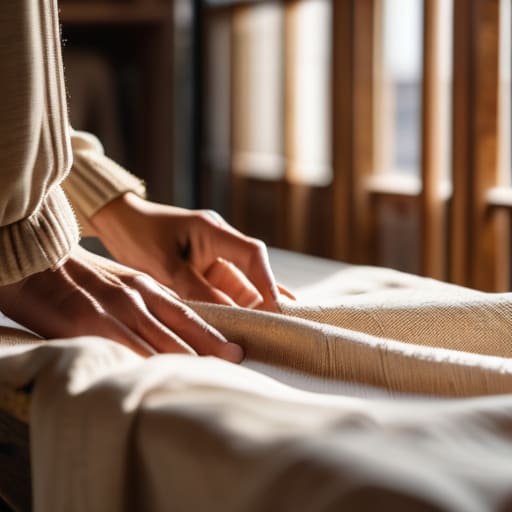
The biggest mistake people make when starting out with thrifting for beginners is treating a charity shop like a clothing store. It isn’t. It’s a scavenger hunt. If you walk in looking for a specific “vibe,” you’re going to walk out with a bag of polyester blends that pill after one wash. Instead, you need to develop a pre-loved clothing inspection routine that starts at the seams. Don’t just look at the color; grab the fabric between your fingers. If it feels thin, crunchy, or suspiciously stretchy in a way that suggests it’s lost its shape, leave it on the rack. You aren’t looking for “cute,” you are looking for structural integrity.
I spend half my life identifying quality vintage fabrics, and the secret is simple: look for weight and natural fibers. A heavy wool blazer from 1992 will almost always beat a “modern” fast-fashion piece from last month because the seam allowance is actually thick enough to let a tailor work their magic. If you find a beautiful silk blouse but the underarm is fraying, skip it. A repair often costs more than the garment is worth. Focus on the bones of the piece—the shoulders, the zippers, and the fabric density. If the foundation is solid, the rest is just a quick trip to my sewing machine.
Identifying Quality Vintage Fabrics Before You Reach the Register
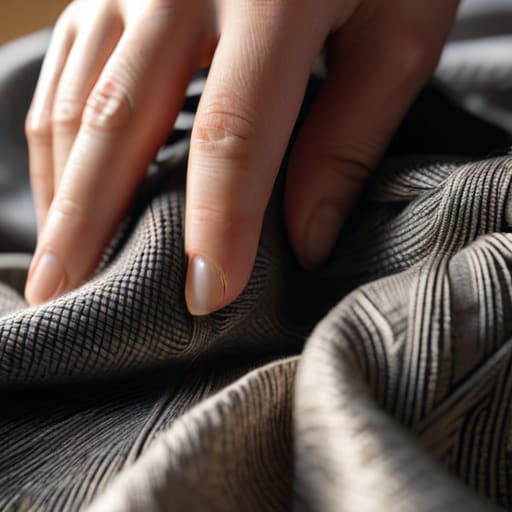
The easiest way to fail at thrifting is to fall in love with a silhouette before you’ve actually touched the fabric. I see it all the time: someone finds a gorgeous 90s blazer, but the moment they pick it up, it feels thin, limp, or slightly “crunchy.” That’s a sign of low-grade synthetic blends that will pill after three wears. When you’re identifying quality vintage fabrics, your hands are more important than your eyes. Look for weight and tension. A real wool coat should feel substantial and spring back when you squeeze it; a silk blouse should have a certain fluidity that polyester just can’t mimic.
Don’t get distracted by the brand name on the tag, either. A “designer” label on a high-polyester blend is just expensive trash. Instead, hunt for natural fibers—cotton, linen, wool, and silk. These materials breathe, they age beautifully, and most importantly, they are the only ones that actually respond well to a needle and thread. If you’re practicing pre-loved clothing inspection, check the seams. If the fabric is high-quality but the stitching is pulling or the hem is fraying, that’s a fixable cost. If the fabric itself is thinning or “shining” from wear, walk away. No amount of tailoring can fix a structural failure in the weave.
Thrifting for Beginners Avoiding the Fast Fashion Trap
The biggest mistake I see when people start thrifting for beginners is thinking that “secondhand” automatically means “high quality.” It doesn’t. Most charity shops are currently drowning in a tidal wave of polyester blends from the mid-2010s—basically just the leftover landfill of fast fashion brands. If you walk into a shop and see rows of thin, shiny, translucent tops that feel like a plastic bag, walk away. You aren’t finding gems; you’re just shopping in a different building for the same junk.
To actually build a wardrobe that lasts, you have to treat every piece like it’s under a microscope. I call it a pre-loved clothing inspection, and it’s non-negotiable. Don’t just look at the color; look at the seams. If the stitching is loose or the fabric is pilling heavily, no amount of “eco-friendly shopping habits” will save that garment from falling apart in three washes. You aren’t looking for a deal; you’re looking for structural integrity. If the fabric feels flimsy or the shape is fundamentally broken, leave it on the rack. Your future self—and your tailor—will thank you.
Pre Loved Clothing Inspection the Math Behind the Buy
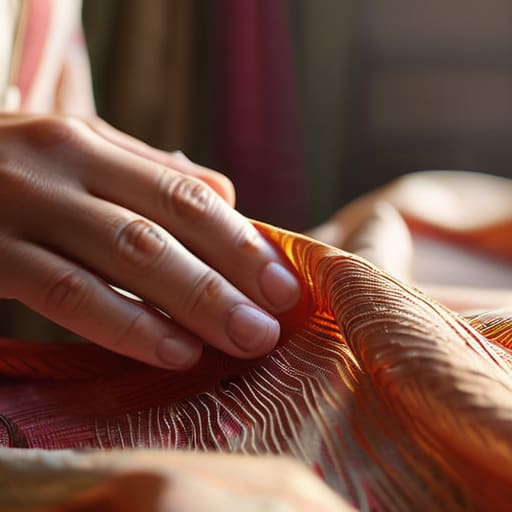
Here is where most people trip up: they see a “deal” and forget to do the mental math. If you find a gorgeous vintage silk blouse for £15, but the underarms are thinning and the side seams are puckering, you aren’t saving money. You’re buying a project. A proper pre-loved clothing inspection means looking past the pattern and checking the structural integrity. If a seam is pulling or a zipper is sticky, you have to add the cost of a tailor to that price tag immediately. If that £15 blouse needs a £20 repair, it’s actually a £35 shirt, and you’re better off looking elsewhere.
I always tell my clients to treat every thrift find like a math equation: Price + Alteration Cost + Wearability = True Value. Don’t get distracted by resale market trends or what looks “aesthetic” on a mood board. Check the weight of the fabric and the strength of the stitching. If the garment requires a specialist to fix a broken hem or a missing button, ask yourself if the fabric is actually high-quality enough to justify the extra spend. If the math doesn’t add up, walk away.
Sustainable Fashion Tips for Building a Real Wardrobe
The biggest mistake people make when trying to adopt eco-friendly shopping habits is treating a thrift trip like a scavenger hunt for “vibes” rather than a search for utility. You don’t need a closet full of “aesthetic” pieces that you can only wear once a month; you need a rotation that survives a Tuesday morning commute. When I’m helping someone build a real wardrobe, I tell them to stop looking for the trend and start looking for the structure. If the shoulder is wonky or the fabric is a thin, synthetic blend that will pill after three washes, walk away.
Building a wardrobe that actually lasts means understanding that sustainability isn’t just about the label; it’s about the lifecycle. Instead of chasing every new resale market trend, focus on the heavy hitters—the wool coats, the heavy denim, the silk blouses. These are the pieces that justify the cost of a tailor. If you find a high-quality vintage blazer for five pounds but the sleeves are too long, don’t panic. That’s not a flaw; it’s an opportunity. Budgeting for alterations is the secret to making secondhand look like luxury, and it’s the only way to ensure your “new” clothes actually fit your life.
The "Will It Actually Work?" Checklist
- Check the shoulder seams first. If you’re buying a blazer or a coat and the shoulder seam is drooping halfway down your arm, walk away. You can shorten a hem or take in a waist for £15, but rebuilding a shoulder is a structural nightmare that costs more than the jacket is worth.
- The “Sit and Squat” test is non-negotiable. Don’t just stand there looking in the mirror like a mannequin. Sit down in those thrifted trousers. If the fabric pulls tight across your thighs or the waistband digs in so hard you can’t breathe, you aren’t “growing into them”—you’re just buying discomfort.
- Look for the “Natural Fiber Math.” If a shirt is 100% polyester, it’s going to trap heat and start smelling like a gym locker after three wears. If it’s cotton, linen, or wool, it breathes. I’d rather have one slightly faded vintage cotton button-down that lasts five years than five polyester tops that pill after one wash.
- Inspect the “High-Stress Zones.” Turn the garment inside out and look at the armpits, the crotch, and the necklines. If you see thinning fabric or “pilling” in these areas, the fibers are already exhausted. No amount of steaming is going to bring that structural integrity back.
- Calculate the “Alteration Tax” before you tap your card. If you find a stunning silk skirt for £5 but it needs a zipper replacement and a hem adjustment, you’re actually looking at a £25 skirt. If that math makes the “bargain” feel more expensive than a high-street version, leave it on the rack.
The Real Cost of a Bargain
A five-pound vintage silk blouse is only a steal if the seams aren’t shredding and you aren’t looking at a thirty-pound tailoring bill to make it sit right on your shoulders. Stop shopping for prices and start shopping for construction; a cheap garment that fits perfectly is always more ‘sustainable’ than a luxury piece you end up hating because the fabric has no soul.
Neve Okonkwo-Barr
The Bottom Line
Look, shopping secondhand isn’t about hunting for a “hidden gem” to post on your story; it’s about being a detective for quality. We’ve covered the math: check the fiber content, feel the weight of the fabric, and for the love of everything, inspect the seams before you even think about heading to the till. Remember that a slightly oversized vintage blazer isn’t a “find” if the shoulder pads are crumbling and the cost to restructure it is more than the jacket itself. You aren’t just buying old clothes; you are curating a collection of things that actually work when you have ten minutes to get ready on a Tuesday morning. Don’t let the dopamine hit of a low price tag blind you to the reality of how much it will cost to make that piece actually fit your life.
At the end of the day, your wardrobe shouldn’t be a graveyard of “maybe one day” items or cheap polyester that loses its shape after three washes. It should be a toolkit. When you stop chasing trends and start looking for substance and structure, you stop being a consumer and start being a person with a style. Style isn’t something you buy; it’s something you build, one well-made, well-fitted, secondhand piece at a time. Now, get out there, keep your eyes on the stitching, and stop letting marketing tell you what you need.
Frequently Asked Questions
I found a vintage piece that's perfect but the waist is two inches too small—is that worth paying a tailor to let out, or am I just throwing money away?
Check the seam allowance first. Flip the garment inside out and look at the fabric next to the stitching. If there’s at least an inch of extra fabric on each side, you’re golden—a tailor can let it out for maybe £15–£20. If the seam is sewn right to the edge of the fabric, you’re stuck. Don’t pay for a miracle; if there’s no room to move, that “perfect” piece is just an expensive mistake.
How do I tell the difference between a "heavyweight" natural fabric and a cheap synthetic that’s just been treated to feel thick?
The “crunch test” is your best friend here. Grab a handful of the fabric and squeeze it hard. A heavyweight natural fiber—like a dense cotton drill or a real wool—will have a certain “memory” and feel substantial, almost slightly stiff. If it feels bouncy, suspiciously springy, or makes a faint, plastic-y crinkling sound, it’s a synthetic blend masquerading as quality. If it doesn’t breathe when you hold it to your face, walk away.
If I'm buying secondhand to save money, at what point do the cleaning and alteration costs make it more expensive than just buying something new?
The math is simple: if the cost of a professional dry clean plus a hem or waist adjustment exceeds the price of a new, decent-quality garment, walk away. I always tell people: a £5 vintage blazer is only a steal if the £15 alteration doesn’t make it a £20 headache. If you’re spending more on the “fix” than the item itself, you aren’t saving money—you’re just subsidizing someone else’s clutter.
