I spent two years in a basement studio pinning hems for a bridal shop, and if there is one thing those frantic, silk-clad mornings taught me, it’s that a “size medium” is a complete lie. We’ve been conditioned to treat online shopping like a high-stakes lottery where you buy three sizes of the same shirt just to see which one doesn’t make you feel like a stuffed sausage. It is exhausting, it is wasteful, and frankly, it’s a scam designed to make you feel like your body is the problem rather than the garment construction. I’m tired of seeing people treat returns like a part-time job; I want to show you how to shop online without endless returns by actually understanding what you’re clicking on.
I’m not here to give you a list of “must-have” trends or tell you to just “size up.” Instead, I’m going to teach you how to read a fabric composition label like a pro and how to use a measuring tape to outsmart a misleading size chart. I will show you exactly which details—like seam allowance and shoulder width—determine if a piece is a keeper or a future donation, and how to budget for a quick tailor visit so that even an “off-the-rack” find looks entirely custom.
Stop Buying Mistakes How to Shop Online Without Endless Returns
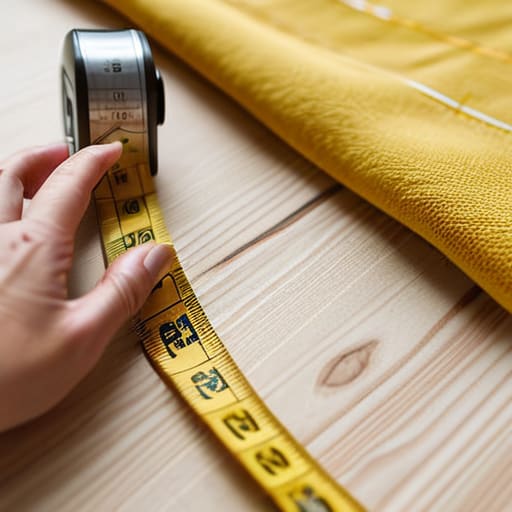
The biggest mistake you’re making is treating a size “Medium” like it’s a universal law. It isn’t. A Medium in a fast-fashion brand is a different creature entirely compared to a Medium in a vintage-inspired label. You have to stop guessing and start comparing brand sizing by looking at the actual numbers. Forget the label; find your measurements with a tape measure and cross-reference them with the accurate sizing charts provided in the product description. If the chart says the waist is 30 inches and yours is 32, that garment isn’t “true to size”—it’s just going to be a headache for you and a shipping fee for them.
While you’re at it, stop scrolling past the bottom of the page. Reading customer product reviews is where the real truth lives. I don’t care about the five-star reviews praising the “cute color”; I want the three-star reviews complaining that the seam allowance is non-existent or that the fabric feels like recycled sandpaper. Look for people mentioning how the garment holds up after one wash or if the hips are disproportionately wide. That’s the data you actually need to decide if a piece is worth your time.
The Lie of Labels Master Comparing Brand Sizing and Conversion Guides
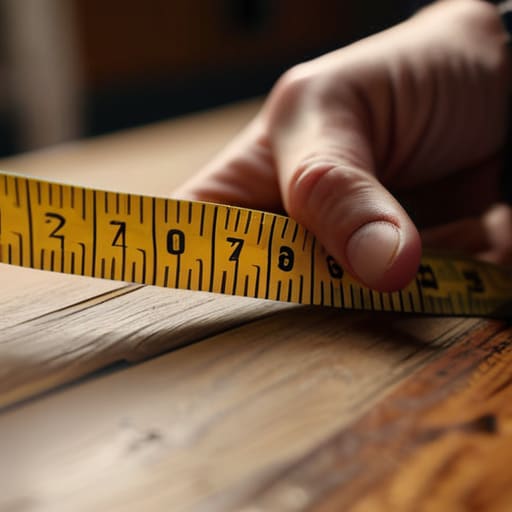
The biggest scam in e-commerce is the idea that a “Medium” is a universal constant. It isn’t. I’ve seen a size 10 in a high-street fast-fashion brand fit like a size 6, while a designer label’s 10 could swallow a small child. If you are relying on the dropdown menu alone, you are essentially playing Russian roulette with your bank account. You need to stop comparing brand sizing by the letter or number and start looking at the actual measurements.
Stop treating the “Size Guide” link like it’s optional fine print; it is your only defense. Most of these sites provide accurate sizing charts, but they expect you to do the math. Grab a measuring tape, measure your bust, waist, and hips, and compare those numbers to the garment’s specific dimensions—not just the generic brand guide. Also, do not sleep on reading customer product reviews specifically for “fit comments.” If five people in a row say the waist runs small, believe them. It is much cheaper to spend ten minutes measuring your body now than it is to spend twenty minutes boxing up a return later.
Beyond the Hype Decoding Fabric Composition and Fit for Longevity
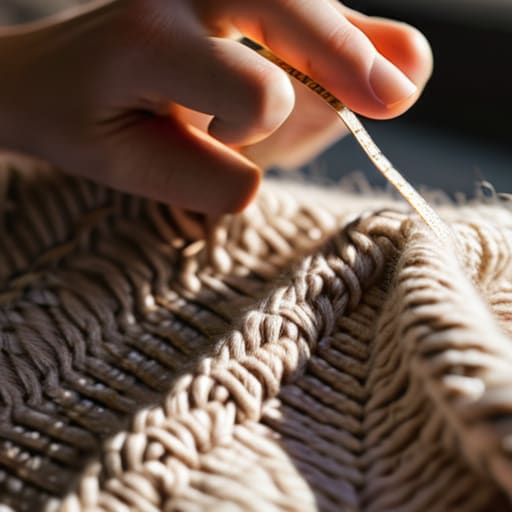
Stop looking at the model and start looking at the tag. I see it every week in my studio: someone brings in a “luxury” knit that looks like a spiderweb after three wears because it’s 90% acrylic. Marketing will call it “soft-touch” or “cloud-like,” but I call it a landfill candidate. If you want a piece to survive a Wednesday, a Thursday, and a rainy Friday, you need to prioritize natural fibers. Look for cotton, linen, or wool. If the fabric composition and fit are skewed toward high percentages of polyester or nylon, that garment is likely going to pill, lose its shape, or trap heat like a greenhouse.
The second thing you need to do is stop trusting the “vibe” of a photo and start reading customer product reviews—specifically the ones that mention how the fabric behaves after a wash. A photo can hide a thin, flimsy weave, but a reviewer will tell you if the seams are puckering or if the fabric is sheer. If the description says “stretch,” check the percentage. A little elastane is fine for comfort, but too much means the garment will lose its structure by next season. Check the math before you check out.
The Data Truth Using Accurate Sizing Charts and Real Customer Reviews
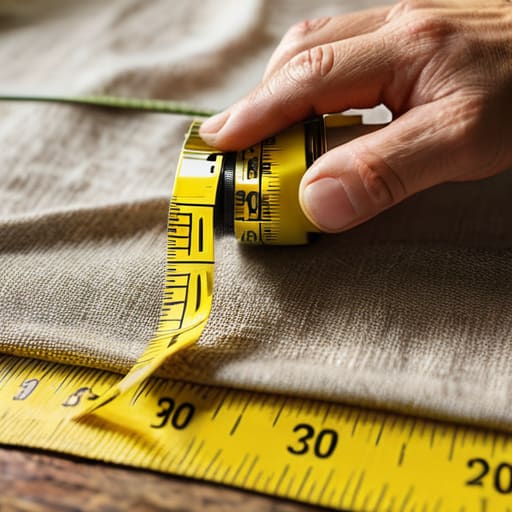
Forget the “Size M” or “Size 10” labels; they are basically decorative at this point. If you want to stop the cycle of ordering three versions of the same shirt just to see which one fits, you have to stop looking at the letter and start looking at the numbers. Find the accurate sizing charts—the ones that actually list the garment measurements, not just the body measurements—and grab a tape measure. Measure a piece of clothing you already own that fits you perfectly, then compare those numbers to the chart. It’s not extra work; it’s the only way to know if that waistline is actually going to sit where it should.
While you’re at it, start reading customer product reviews with a cynical eye. I don’t care about people saying “it’s cute”; I want to know if the person with a similar build says the armholes are too tight or if the fabric loses its shape after one wash. Look for the people complaining about the drape of the material or the length of the inseam. That’s where the real data lives, far away from the polished marketing photos that make everything look like it was molded to a human body.
Tech vs Reality Why Virtual Fitting Room Technology Isnt a Magic Bullet
Look, I get the appeal. We’ve all seen the ads for virtual fitting room technology promising that you can just scan your body with a phone and suddenly the “perfect fit” is just a click away. It sounds like magic, but as someone who spends my days staring at the actual geometry of a human torso, I’m telling you: it’s not. These algorithms are great at estimating your circumference, but they are terrible at understanding how a heavy wool crepe behaves differently than a flimsy polyester blend. A computer might tell you that you’re a size 10, but it can’t feel if the armhole is cutting into your skin or if the rise is going to be a nightmare when you actually sit down.
The truth is, tech can’t replace the nuance of fabric composition and fit. A digital model doesn’t know that a specific brand’s denim has zero stretch, or that a silk slip dress will drape like water rather than cling like a second skin. Don’t let a shiny interface trick you into thinking you’ve solved the puzzle. Instead of trusting a digital avatar, keep doing the heavy lifting: look at the actual measurements and, for the love of everything, keep reading customer product reviews to see if real people are complaining about the garment’s structural integrity.
The Neve Method: 5 Ways to Stop the Return Cycle Before You Hit 'Buy'
- Check the seam allowance before you checkout. If a garment is made with “raw edges” or has zero extra fabric in the seams, you are stuck with that fit forever. If you want the option to let it out later when your body changes or you want a different silhouette, look for pieces with a bit of breathing room in the construction.
- Do the math on the “Alteration Tax.” Before you buy, ask yourself: “If this is $10 too wide in the waist, am I willing to spend $25 at a tailor to fix it?” If the answer is no, put it back. Never buy something thinking you’ll ‘fix it eventually’—that’s just a polite way of saying you’re buying a mistake.
- Ignore the model’s height and look at the hem measurements. Models are usually 5’10” and wearing samples. If the description says the skirt is 28 inches long and you’re 5’4″, it’s going to be a midi, not a mini. Knowing the actual inch count of the garment is the only way to predict where it will actually hit your body.
- Prioritize “stable” fabrics over “stretchy” ones. High-percentage elastane or spandex might feel great in the box, but it loses its memory fast and can make a garment look cheap after three washes. If you want something that holds its shape and survives a year of wear, look for natural fibers with a bit of structural integrity like cotton twill or wool blends.
- Use your own “benchmark” garment as a ruler. Find the one pair of trousers or the one blazer you own that fits you perfectly. Measure them—flat on the floor—and keep those numbers in a note on your phone. When you’re looking at a size chart online, don’t compare your body to their numbers; compare their garment measurements to your favorite piece.
The Real Cost of a "Good Deal"
Stop treating returns like a hobby; if you aren’t looking at the fabric weight and the seam allowance before you hit ‘buy,’ you aren’t shopping, you’re just gambling with your time. A bargain isn’t a bargain if you have to spend forty dollars on a tailor just to make a polyester blend sit right on your shoulders.
Neve Okonkwo-Barr
The Bottom Line
Look, shopping online isn’t a game of luck, even if the algorithms want you to think it is. You’ve learned that the “size” on the tag is mostly a suggestion, that a high price tag doesn’t guarantee a high-quality weave, and that virtual fitting rooms are often just fancy ways to guess wrong. By obsessing over actual measurements and checking those fabric compositions for real substance—not just polyester blends that will pill after two wears—you are already ahead of 90% of the people clicking ‘add to cart.’ Remember: if the fabric looks thin or the seam allowance seems non-existent in the photos, walk away. It’s better to miss out on a mediocre trend than to spend your Sunday afternoon boxing up a return that never quite fit right anyway.
At the end of the day, building a wardrobe that actually works for your life isn’t about having the most clothes; it’s about having the right clothes. Stop letting marketing departments convince you that your body is the problem when the real issue is just poor construction. If you find something you love that’s slightly off, don’t panic—just budget twenty quid for a local tailor to fix the hem or take in the waist. A garment that is tailored to you will always outlast a “perfect” piece of fast fashion. Shop smarter, look at the math, and start building a closet that actually shows up for you on a Wednesday.
Frequently Asked Questions
If I find a piece that fits perfectly in the shoulders but is way too long in the sleeves, is it actually worth buying if the alteration cost is more than the item itself?
Mathematically? No. If the alteration costs more than the garment, you aren’t “saving” money; you’re just paying a premium for a mistake. A sleeve shortening is usually a $20–$30 job depending on the cuff complexity, so if that jacket was only $25, walk away. However, if the shoulders fit perfectly, you’ve already won the hardest battle. Only pull the trigger if the item is high-quality enough to justify the extra math.
Are there specific fabric blends that are notorious for losing their shape after one wash, making the "perfect fit" disappear anyway?
If you see “high percentage polyester” mixed with a tiny bit of elastane in a knit, run. That’s the recipe for a garment that looks great on the hanger but turns into a shapeless sack after three washes. Avoid anything with low-quality rayon or viscose blends that lack structural integrity; they tend to grow or sag. Look for natural fibers like cotton or wool with just enough stretch to move, not just to pretend they fit.
How do I tell if a customer review is actually helpful regarding fit, or if they're just saying "it's true to size" without giving any real detail?
If they just say “true to size,” they’ve given you nothing. That’s useless. I look for the “human data”: Did they mention their height/weight? Did they say the fabric has zero stretch, or that the armholes felt tight? A helpful review tells you if a garment is “boxy” or “fitted” in the bust. If they don’t mention how the fabric behaves when they move, skip the review and keep scrolling.
