Stop letting Pinterest boards convince you that a wedding guest outfit requires a small loan or a complete wardrobe overhaul. I’ve spent too many afternoons in a humid basement studio watching people panic because they bought a “statement piece” that actually just has a terrible silhouette and a polyester blend that breathes like a plastic bag. Most of the advice you see online is just a way to sell you more stuff, but my complete guide to wedding guest dressing isn’t about shopping; it’s about making sure you don’t spend four hours in a changing room feeling like a stranger in your own skin.
I’m not here to tell you which colors are “in” for the season—trends die faster than a cheap hemline. Instead, I’m going to show you how to spot a fabric that won’t wrinkle before the first toast, how to tell if a $150 dress is actually worth the $40 tailoring job it’ll inevitably need, and how to actually feel comfortable when you’re sitting through a two-hour ceremony. We are going to focus on the math of the outfit: weight, seam allowance, and the smart fixes that make a budget find look like a bespoke dream.
The Real Complete Guide to Wedding Guest Dressing Stop Shopping Start Fitti
Stop scrolling through those “must-have” lists for ten minutes and look at what is actually in your wardrobe. Most people approach a wedding invite by looking for a new item to buy, but that’s how you end up with a polyester dress that makes you sweat and a hemline that trips you up during the first dance. Instead, I want you to look at the construction. If you are navigating formal vs semi-formal wedding attire, the difference isn’t just the length of the skirt; it’s the weight and drape of the fabric. A heavy crepe or a structured silk will always look more expensive and intentional than a thin, shiny synthetic, regardless of the price tag.
Before you tap ‘buy’, check the seams. If you find a vintage piece or a sale item that fits your vibe but hangs weirdly at the waist, don’t panic. Budgeting $25 for a tailor to take in the sides or nip the waist is a better move than spending $200 on a “perfect” dress that still feels like a costume. Real style is found in the tension between the fabric and your body, not in a brand name.
Cracking the Code Wedding Dress Code Etiquette Without the Luxury Price Tag

Look, most people panic when they see “Black Tie” or “Semi-Formal” on an invitation because they think it’s a signal to go into debt. It isn’t. Decoding wedding dress code etiquette is less about how much you spend and more about understanding the hierarchy of fabric and structure. If the invite says Black Tie, don’t go hunting for a gown that costs three months’ rent; find a floor-length piece in a heavy crepe or silk blend that actually holds its shape. If it’s semi-formal, you aren’t looking for a cocktail dress that’s going to ride up every time you sit down for a three-course meal—you’re looking for a midi length with a decent seam allowance that allows for movement.
The real trick to mastering formal vs semi-formal wedding attire is looking at the setting. A “formal” dress in a garden is a disaster if the hem is dragging through the dirt, and a “casual” beach look fails if the fabric is so thin it becomes transparent in the sun. Don’t just follow the label; look at the environment. A $30 thrifted slip dress can look like a million bucks if the straps are tailored to sit exactly where they should, whereas an expensive designer piece will look cheap if it’s fighting against the wind or the terrain.
Formal vs Semi Formal Wedding Attire Why Fabric Quality Matters More Than L
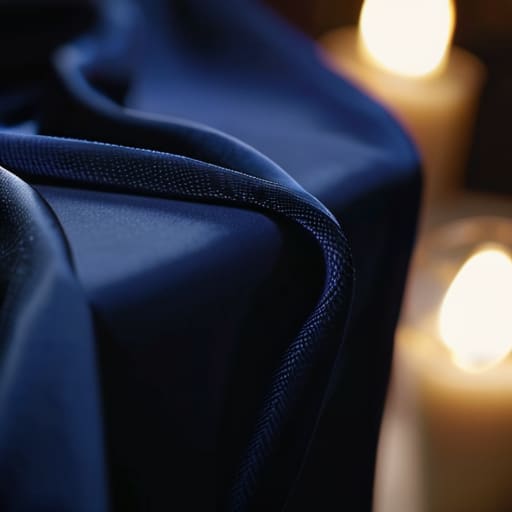
Here is the truth: a label that says “Formal” doesn’t mean much if the fabric looks like it was made from a recycled bin bag. When you’re navigating formal vs semi-formal wedding attire, the distinction isn’t just about how much skin you show; it’s about how the light hits the cloth. For a formal event, I want to see weight and structure. If you’re eyeing a polyester blend that has that cheap, plastic-y shine under camera flashes, walk away. It’s going to trap heat, show every single wrinkle by the time the cake is cut, and it will never, ever look expensive.
If the invite leans toward semi-formal, you have more breathing room, but don’t mistake “relaxed” for “flimsy.” This is where people usually mess up their seasonal wedding guest outfits by choosing fabrics that can’t handle the environment. A linen blend is great for a summer garden, but if the weave is so loose that it loses its shape the moment you sit down, you’ll spend the whole night looking like a crumpled paper bag. Look for natural fibers or high-quality viscose that holds a silhouette. Remember, a $40 dress in a heavy crepe fabric will always look more sophisticated than a $300 silk slip that’s so thin it’s practically transparent.
Black Tie Wedding Guest Style and Seasonal Wedding Guest Outfits That Last
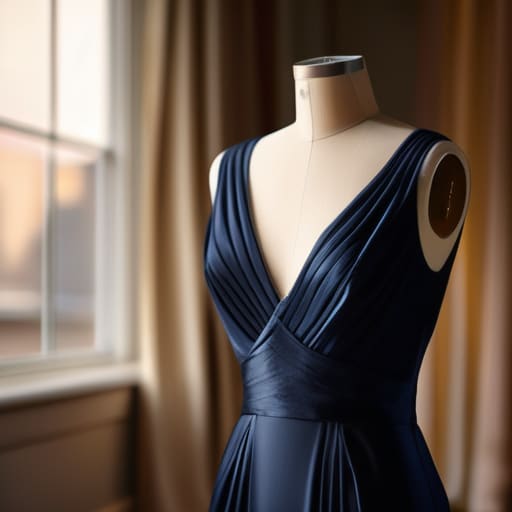
When you see “Black Tie” on an invitation, the marketing machine wants you to panic-buy a floor-length gown that costs more than your rent. Don’t. Black tie wedding guest style isn’t about the price tag; it’s about the weight and drape of the fabric. If you’re eyeing a polyester satin gown that feels like a plastic bag, walk away. It will catch the light in the worst way possible and won’t breathe. Instead, look for a heavy crepe or a structured silk blend. These fabrics hold their shape, meaning you won’t spend the entire reception adjusting a bodice that’s sliding down because the seam allowance was too thin to support the weight.
Seasonality matters just as much as the formality. For seasonal wedding guest outfits, your best friend is a smart layering plan that doesn’t ruin the silhouette. A summer wedding in a heavy velvet is a recipe for misery, just as a linen slip dress in a November chill is a mistake. If you’re dressing for a winter event, prioritize wool-blend skirts or heavier silks. If you’re wondering what to wear to a beach wedding, skip the formal structure entirely and look for breathable, high-quality cotton or viscose that can actually handle the humidity without looking like a crumpled mess by the time the cake is cut.
From Beach Wedding Attire to a Practical Wedding Guest Footwear Guide
If you’re figuring out what to wear to a beach wedding, please, for the love of all things practical, put the stiletto back on the shelf. I don’t care how much it cost; if you are sinking into two inches of sand, you aren’t “elegant,” you’re just struggling. For coastal or outdoor ceremonies, look for a block heel or a high-quality leather slide. If the wedding is more casual, a structured espadrille works wonders because the jute sole handles the terrain without looking like you’re heading to a backyard BBQ.
When we pivot to more structured events, your shoes need to respect the formal vs semi-formal wedding attire divide. For a semi-formal setting, a pointed-toe slingback in a breathable fabric like suede or matte leather is your best friend. If you’re aiming for black tie wedding guest style, that’s when you pull out the evening sandal, but check the construction first. A cheap, thin sole on a formal heel will give you blisters before the first course is served. Always budget about $15 for a professional cobbler to add grip to a smooth sole—it’s the best way to ensure you actually make it to the dance floor.
The Wedding Guest Survival Checklist: 5 Things to Check Before You Tap 'Pay'
- Check the seam allowance before you commit. If you’re buying a dress that looks great but has zero extra fabric inside the seams, you’re stuck. If you gain a pound or the wedding is in a warmer month, you can’t let it out, and you’ll be left with a very expensive, very tight mistake.
- Do the “Sit and Dance” test in the fitting room. A dress might look architectural and expensive while you’re standing still, but if the fabric pulls across the hips or the hem rides up too high when you sit down for a three-course meal, you’ll spend the whole night tugging at it. That’s not style; that’s discomfort.
- Budget for the ‘Invisible Fix.’ When you see a dress you love, immediately add $25–$40 to the price tag in your head. That is what a decent tailor will charge to nip the waist or shorten a hem so it doesn’t trip you up. If the dress can’t be altered to fit your specific body, it’s not a bargain, no matter how much it was marked down.
- Avoid the “Polyester Trap” for summer weddings. I see people buying $100 “formal” dresses that are 100% synthetic because they look shiny in the photos. In reality, you will be sweating through the armpits within twenty minutes. Look for linen blends or viscose; they breathe, they move, and they don’t hold onto heat like a plastic bag.
- Prioritize weight over shine. A cheap satin can look incredibly tacky because it’s too thin and shows every single line of your underwear. If you’re on a budget, go for a heavier crepe or a structured cotton. A heavier fabric hides the construction flaws and holds its shape, making a $50 find look like it cost $200.
The Math of Wedding Guest Style
Stop looking for the “perfect” dress in a shop window and start looking for the right seam allowance; a $40 thrifted slip dress with a $25 professional waist nip will always look more expensive and feel more comfortable than a $400 polyester disaster that fits like a paper bag.
Neve Okonkwo-Barr
The Bottom Line
At the end of the day, being a great wedding guest isn’t about showing up in the most expensive label or the latest trend that will be landfill by next season. It’s about understanding that a $40 thrifted slip dress with a perfectly tailored hem will always look more expensive and elegant than a $400 designer gown that pulls at the hips or drags on the floor. We’ve covered the dress codes, the fabric weights, and the footwear logic, but the common thread is always the same: respect the occasion by respecting the fit. If you can prioritize fabric integrity and seam allowance over a brand name, you’ve already won the style game.
Stop letting marketing departments convince you that your wardrobe is “incomplete” every time a wedding invitation hits your mailbox. You don’t need a new closet; you need a better relationship with the clothes you already own and the local tailor who can make them actually work for your body. Style isn’t a transaction, it’s a series of smart decisions made at the sewing machine and the dressing room mirror. Go to the wedding, eat the cake, and feel incredible—not because of what you spent, but because you actually fit into what you’re wearing.
Frequently Asked Questions
I found a beautiful vintage silk dress at a charity shop, but the shoulders are slightly too wide; is that a fixable alteration or a lost cause?
It’s a fix, but it’s not a “quick hem” fix. Because it’s silk, you need a tailor who actually knows how to handle delicate, slippery fabrics without puckering the seams. They’ll have to deconstruct the shoulder, adjust the armhole, and reset it. Expect to pay anywhere from £30 to £50 depending on the construction. If the dress was £5, it’s a win; if it was £50, the maths might not work.
How can I tell if a bridesmaid-style dress is made of cheap polyester that will pill after one wear versus a durable blend that actually holds its shape?
Don’t just look at the label; look at the light. Hold the fabric up—if it has a greasy, artificial shine, it’s cheap polyester that will pill the second you sit down. Give it a “scrunch test”: squeeze a handful tight for five seconds. If it stays a crumpled mess, it’s low-grade. You want a weightier blend that bounces back. If it feels like wearing a plastic bag, leave it on the rack.
If the dress code is "Cocktail," do I really need to spend money on a tailor to shorten the hem, or can I get away with a DIY fix?
Look, if you’re just pinning it with safety pins for a three-hour ceremony, fine. But for a cocktail dress? A DIY hem usually looks limp and uneven, which kills the whole “polished” vibe. If the fabric is silk or a heavy crepe, don’t touch it with a needle yourself—you’ll snag it. A professional hem will run you about $15–$25, and honestly, that’s the difference between looking like you’re wearing a dress and looking like you’re wearing a costume.
