I spent two years in a basement studio pinning hems for a bridal shop, and if there is one thing I learned, it’s that luxury labels are often just expensive ways to buy bad proportions. I’ve seen people drop two grand on a designer blazer only to walk out looking like they’re wearing their father’s hand-me-downs because they didn’t understand how a suit should fit at the shoulder. The industry wants you to believe that “fit” is something you find on a rack, but that is a lie designed to keep you spending. A suit isn’t a finished product when it leaves the store; it’s just a starting point for a tailor and a pair of scissors.
I’m not here to give you a lecture on seasonal trends or tell you which Italian silk is worth the hype. Instead, I’m going to show you the actual mechanics of a good silhouette—where the fabric should skim your ribs, how much room your jacket needs when you actually sit down, and exactly which seams are worth paying a professional to move. I’ll give you the real math on when a suit is a steal and when it’s just a waste of money.
Understanding How a Suit Should Fit

First, we have to talk about the shoulders, because if the shoulders are wrong, the whole thing is a lost cause. I’ve seen people drop hundreds on a designer label only to have the seam hanging halfway down their bicep. You want suit jacket shoulder alignment to be crisp; the seam should sit right where your natural shoulder ends. If there’s a divot or a bulge, you’re looking at an expensive structural nightmare that most tailors will tell you is impossible to fix without rebuilding the whole jacket.
Next, let’s look at the torso and the hands. When you button the jacket, check the suit jacket button tension. You aren’t looking for a tight hug, but if the fabric is pulling into an ‘X’ shape, it’s too small. You also need to see a sliver of your shirt—about half an inch—peeking out from the sleeve. If your jacket covers your shirt entirely, you look like you’re wearing your dad’s hand-me-downs. Finally, check the trousers. I’m a fan of a slight break where the fabric just kisses the top of your shoe; anything more and you’re just collecting lint and looking sloppy.
Key Things to Know
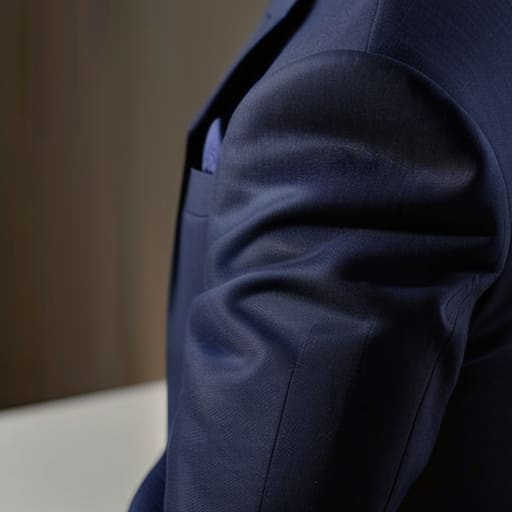
First, let’s talk about the non-negotiables. If the suit jacket shoulder alignment is off, walk away. I don’t care if it’s a designer label or half price; if the seam is drooping down your arm or bunching up toward your neck, it’s a structural nightmare. Correcting shoulders is the most expensive and difficult job a tailor handles, often costing more than the suit is worth. If the shoulders don’t sit right, the rest of the garment is just fighting a losing battle against your anatomy.
Next, check your tension and your wrists. When you button the jacket, there should be a slight pull, but if you see an ‘X’ shape forming in the fabric, you’ve outgrown the waist or the jacket is too small. You want just enough movement to breathe without looking like you’re wearing a corset. Also, keep an eye on your shirt cuff sleeve length peeking out from the jacket. You’re aiming for about half an inch of linen or cotton showing. If your sleeves swallow your hands, you look like a kid playing dress-up in your dad’s closet.
Practical Tips and Steps
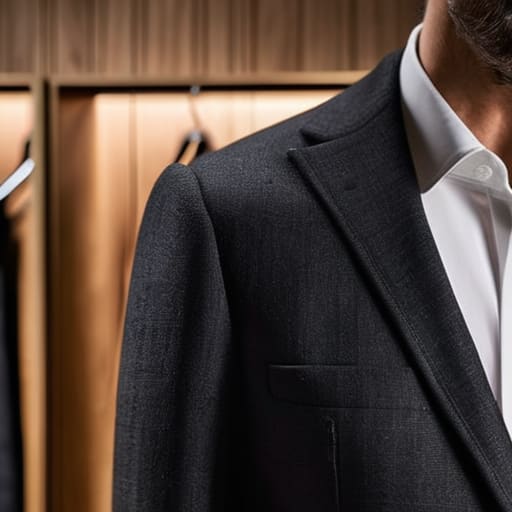
When you’re actually in the changing room, stop looking at your reflection in the mirror and start looking at the mechanics of the garment. First, check your suit jacket shoulder alignment; the seam should sit right where your shoulder ends and your arm begins. If there’s a divot or a bulge, you’re looking at a structural headache that most tailors will charge you a premium to fix, or worse, won’t be able to touch at all. Next, do the “button test.” If the suit jacket button tension looks like it’s fighting for its life, the jacket is too small in the waist. You want a slight pull, not a literal SOS signal from the fabric.
For the bottom half, don’t obsess over whether the trousers are “perfect” off the rack. Most aren’t. Focus on the proper trouser break—that’s how much the fabric folds where it hits your shoe. A slight break looks classic, while no break looks trendy (and often cheap). If you’re wondering about the difference between bespoke vs made to measure fit, remember that the former is a mathematical miracle and the latter is still just a starting point. Always budget an extra £30-£50 for the hem; it’s the cheapest way to make a mid-range suit look like a million quid.
Common Mistakes to Avoid
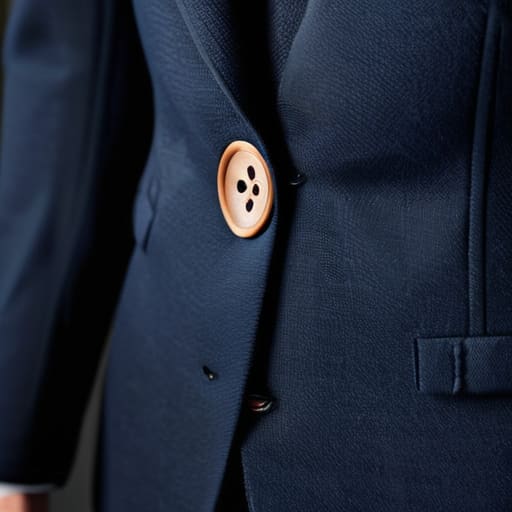
The biggest mistake I see—and it breaks my heart every time—is people buying for the “silhouette” they see on a mannequin rather than the body they actually have. Most people try to squeeze into a slim-fit jacket because it looks sharp on a 6-foot model, but they end up with terrible suit jacket button tension. If that single button is pulling so hard it creates an ‘X’ shape in the fabric, you aren’t looking “sharp,” you’re looking uncomfortable. That’s not a style choice; it’s a structural failure. You can’t tailor your way out of a jacket that is fundamentally too small in the torso without ruining the proportions of the whole garment.
Another trap is the “one size fits all” mentality regarding length. I see so many people walking around with trousers that pool around their ankles like they’re wearing oversized curtains. They think a heavy proper trouser break looks intentional, but usually, it just looks like you borrowed your dad’s clothes. Similarly, don’t ignore your suit jacket shoulder alignment. If the seam is hanging off your natural shoulder bone, it’s an expensive mistake. You can fix a waist, and you can fix a hem, but fixing a shoulder is a surgical procedure that costs more than the jacket is likely worth.
Final Thoughts
Look, I know the whole process feels overwhelming. You walk into a shop, see a price tag that looks like a phone number, and suddenly you’re terrified of making a mistake. But here is the truth: stop trying to find the “perfect” suit on the rack. It doesn’t exist. Even the most expensive off-the-rack piece is just a starting point. Whether you are debating bespoke vs made to measure fit or just trying to figure out if a clearance item is worth the hassle, remember that the magic happens in the adjustments, not the purchase.
If you take nothing else away from this, let it be this: prioritize the structural stuff. You can fix a proper trouser break or adjust a sleeve, but if the shoulders are wrong, you’re just wasting your money. A suit is a tool for your life, not a costume for a photoshoot. Buy for the fabric and the frame, then find a local tailor who actually cares about their tension and thread. Treat your wardrobe like an engineering project, not a shopping spree, and you’ll never feel underdressed on a Wednesday again.
The "Can I Actually Move In This?" Checklist
- Check the shoulder seam, not the chest. If the shoulder of the jacket is hanging off your natural bone line like a drooping flower, run. You can take in a waist, but fixing a shoulder that’s too wide is an expensive structural nightmare that usually costs more than the jacket itself.
- The “Sit Test” for trousers. Don’t just stand in front of the mirror looking snatched; sit down. If the waistband digs into your stomach like a dull knife or the crotch feels like it’s trying to escape, the rise is wrong for your body. A good tailor can move a waistband slightly, but they can’t manufacture more fabric where there isn’t any.
- The sleeve length math. You want about half an inch of shirt cuff showing. If your jacket sleeves are swallowing your hands, you look like a kid playing dress-up in your dad’s closet. It’s a quick, cheap fix—usually around £15-£25—and it’s the fastest way to make a high-street suit look bespoke.
- Beware the “Pulling” lines. If you see horizontal tension lines across your hips or your chest when you stand still, the suit is too tight. Those lines are screaming that the fabric is under stress, and once you pull at those seams, you’re looking at a permanent rip or a lost button.
- The trouser break reality check. Stop chasing the “no break” trend if it makes your legs look like toothpicks. Aim for a “slight break” where the trouser just kisses the top of your shoe. It looks intentional, it’s timeless, and it’s much easier for a local tailor to hem than trying to fight a trend that changes every six months.
The Real Cost of a Bad Fit
Stop looking at the price tag to tell you if a suit is high-quality; look at the shoulder seam and the drape. I’ve seen five-hundred-pound blazers that look like cardboard because the construction is rushed, and I’ve seen fifty-pound vintage finds that look like a million because the fabric has weight and the proportions actually respect a human body. You can’t shop your way into looking sharp, but you can definitely tailor your way there.
Neve Okonkwo-Barr
The Bottom Line on Your Suit
Look, if you’ve taken anything from this, let it be this: stop obsessing over the label and start looking at the seams. A suit isn’t a finished product when it leaves the shop; it’s just a starting point. Whether it’s the way the jacket shoulders hug your frame without a gap, or ensuring the trousers don’t swallow your shoes, the magic happens in the adjustments. Remember that a $400 suit that actually fits your specific proportions—thanks to a bit of clever tapering or a hem adjustment—will always outperform a designer masterpiece that looks like it was borrowed from your older brother. Fit is the only metric that actually matters when you’re standing in front of a mirror on a Wednesday morning.
At the end of the day, I don’t want you to feel intimidated by the architecture of a well-made suit. I want you to feel like you own it, rather than it owning you. Don’t let the fear of a “ruined” garment stop you from buying something with great fabric that just needs a little nudge in the right direction. Most of the time, the difference between looking sloppy and looking sharp is just a few strategic stitches and a trip to someone with a sewing machine. Go find that tailor, spend the extra twenty quid, and build a wardrobe that actually works for your life, not just for the brand’s ego.
Frequently Asked Questions
If I find a vintage blazer at a charity shop that fits my shoulders perfectly but is three sizes too big everywhere else, is it actually worth the cost to fix?
If the shoulders fit, you’ve hit the jackpot. Shoulders are the hardest, most expensive part of a garment to reconstruct; if they’re right, the rest is just math. You’re looking at taking in the side seams and potentially shortening the sleeves. Budget roughly £30–£50 for a decent job. If the blazer cost you £10, you’ve spent £60 on a custom-feeling piece. That’s a win. If it was £80, walk away.
How do I know if a suit is "too slim" or if the fabric just doesn't have enough stretch to move with me?
If you feel like you’re fighting the fabric just to sit down or reach for your phone, it’s too slim. Don’t mistake “technical stretch” for a license to buy a size too small. If the tension is pulling at the seams or creating those horizontal stress lines across your thighs or hips, the garment is struggling, not you. A little elastane is great for comfort, but it won’t fix a pattern that’s physically too tight.
At what point does a tailoring bill stop being a bargain and start making the whole outfit more expensive than if I'd just bought something better to begin with?
The math is simple: if the alteration bill hits 40% of the garment’s original price, stop. If you’re paying $60 to fix a $120 blazer, you’ve just spent $180 on a mediocre jacket. At that point, you aren’t “saving” money; you’re subsidizing a brand’s poor construction. Use that extra cash to find a better base layer with better fabric weight. A bargain isn’t a bargain if you have to engineer it into existence.
