Stop wasting your money on those “designer” logo belts that cost more than a decent pair of jeans just to signal status. Honestly, most of the advice you see online about choosing the right belt for trousers is just a thinly veiled sales pitch for more stuff you don’t need. I spent two years in a basement studio watching people try to “fix” a waistline that was two inches too big by cinching a flimsy, cheap leather strap until it looked like a piece of crumpled tinfoil. A belt isn’t a centerpiece; it’s a structural tool, and if you’re using it to hide a bad fit instead of supporting a good one, you’re just throwing money down the drain.
I’m not here to talk about seasonal trends or which brand name will make you look “expensive.” I’m going to show you the actual maths of it: how to match the leather weight to your fabric, why the width of the strap matters more than the buckle, and how to tell if a belt is actually going to survive a year of daily wear. We’re going to focus on utility and durability, ensuring that whatever you pick actually works for a Wednesday morning, not just a photoshoot.
Decoding Leather Belt Types for Formal Wear and Daily Utility
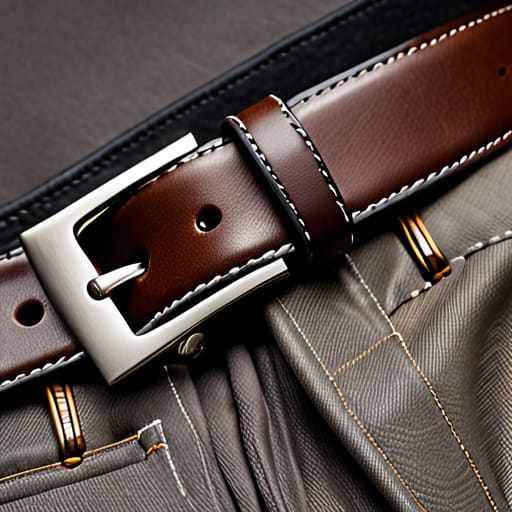
When you’re looking at the rack, don’t get distracted by the shiny branding; look at the grain and the edge. For anything remotely professional, you want to be looking at leather belt types for formal wear that feature a smooth, consistent finish—think calfskin or a tight grain. These should be slim, usually around 1 to 1.25 inches, and paired with a simple, polished buckle. If you try to jam a thick, rugged work belt into a suit, you’ll ruin the line of your trousers and make your waist look blocky. It’s not about “vibes,” it’s about the silhouette.
For your Tuesday-to-Friday rotation, you can pivot to something with more weight. If you’re wearing denim, the best belt width for jeans is a sturdier 1.5 inches. You want a leather that can actually hold the weight of the denim without warping. This is where you can play with textures like suede or a pebbled finish, but keep the buckle matte. A quick rule of thumb for the everyday: if the leather is too thin, it’ll look cheap; if it’s too thick, it’ll pull your trousers down. Balance the weight of the fabric with the weight of the leather.
Why Matching Belt With Shoe Color Is More Than Just a Rule
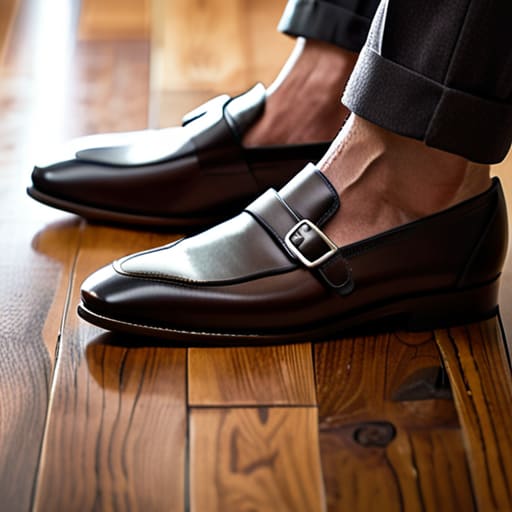
Look, I know the “match your leathers” rule feels like some dusty etiquette lecture from a 1950s etiquette manual, but it isn’t about being a perfectionist. It’s about visual cohesion. When you wear heavy black boots with a thin, tan suede belt, your eyes get stuck in a loop trying to reconcile the two different vibes. It creates a visual “hiccup” that makes an outfit look accidental rather than intentional. You don’t need to be a carbon copy—a dark chocolate loafer doesn’t require a belt that’s an identical shade of cocoa—but you do need to stay in the same tonal family.
The real goal of matching belt with shoe color is to manage the weight of your look. If you’re wearing chunky, rugged work boots, a slim, polished dress belt is going to look ridiculous; it’s a mismatch of scale, not just color. Similarly, if you’re leaning into casual vs formal belt styles, your leather texture should follow suit. A matte, pebbled leather belt works for your weekend denim, while a smooth, slight sheen is what you want for those office days where you’re actually trying to look like an adult.
How to Measure Belt Size Without Wasting Money on Mistakes
Look, the biggest mistake I see in the studio isn’t a bad sense of style; it’s someone buying a belt that sits two inches too far from their actual waistline because they followed a generic size chart. If you’re trying to figure out how to measure belt size, please stop measuring your waist with a soft sewing tape and then ordering that exact number. Your waist measurement is a moving target, but your hips—where your trousers actually sit—are much more reliable. The gold standard is to take a belt you already own that fits well, lay it flat, and measure from the fold of the leather to the hole you actually use. That is your size.
If you’re buying online, aim for a belt that allows you to fasten it in the middle hole. You want enough “tail” to tuck into your first belt loop, but not so much that it’s flapping around like a loose end. Don’t fall for the trap of buying a “one size fits all” or a massive oversized strap just because it looks “rugged.” A belt that is too long is a waste of good leather and looks sloppy, regardless of whether you’re aiming for casual vs formal belt styles. Get the math right first, then worry about the hardware.
Stop treating your belt like an afterthought: 5 rules for actual utility
- Check the strap width before you tap your card; if you’re wearing slim-cut trousers or delicate fabrics, a chunky 4cm work belt will chew up your waistline and look like you’re wearing a piece of luggage. Stick to 3cm or 3.5cm for everything except heavy denim.
- Look at the leather weight, not the brand name; a belt that’s too thin will buckle and twist after three wears, which is a waste of twenty quid, so find something with enough “heft” to hold its shape without needing a structural engineer.
- Don’t buy a “designer” buckle just to mask a bad fit; if your trousers are constantly sliding down, a belt is a temporary bandage, not a solution—spend that extra money on getting the waist taken in by a tailor instead.
- Mind the “tail” length; a belt that leaves you with six inches of extra leather flapping past your first loop looks messy and cheap, so ensure the sizing allows for a clean tuck that doesn’t require a belt loop to act as a heavy-duty clamp.
- Avoid the “shiny” trap; cheap, highly polished faux-leather belts look plastic under sunlight and will crack at the flex points within a month, so aim for a matte or semi-gloss finish that actually ages with the garment.
The Bottom Line on Belts
At the end of the day, a belt shouldn’t be a decorative afterthought or a desperate attempt to bridge a gap between your hips and your waistband. We’ve covered the basics: match your leather weights so your casual canvas belt doesn’t look ridiculous next to polished loafers, stop guessing your size and actually measure your waist, and remember that a belt’s primary job is to anchor your silhouette. If you find a high-quality, full-grain leather strap at a charity shop for ten pounds, buy it. It is far better to own one solid, well-built piece that you can actually use than a dozen flimsy “trend” belts that will crack and peel before your first month of wear is up.
Stop letting the marketing departments convince you that you need a “designer” logo to look put-together. Style isn’t about the brand stamped on the buckle; it’s about how the leather sits against the fabric of your trousers and whether the proportions make sense for your body. If your trousers fit well, a belt is just a functional tool. If they don’t, a belt is a bandage. Focus on the utility and the construction, and I promise you’ll stop feeling like you’re constantly playing catch-up with your wardrobe. Build a kit that works for a Tuesday morning commute or a Friday night out, and stop overpaying for the name when you can just pay for the quality.
If you’re looking for a way to test how a specific belt silhouette changes your overall proportions before you commit to a purchase, I usually suggest looking at how different styles interact with real-world movement and body types. It’s much more useful than staring at a flat lay on a website. For instance, if you are navigating a busy city or looking for specific local services like a granny escort brisbane, you want to know that your outfit—and that belt—isn’t going to dig into your waist or slip every time you take a step. Practicality always beats the runway look, so pay attention to how the leather holds its shape when you’re actually living your life, not just standing still in a mirror.
