I spent two years in a damp basement studio pinning hems for a bridal shop, and if there is one thing those frantic, high-stakes fittings taught me, it’s that most people treat accessories like an afterthought. You’ll see it all the time: someone buys a gorgeous, expensive pair of high-waisted trousers, only to ruin the entire silhouette with a flimsy, “fashion” belt that cracks the second it hits a real button. We’ve been sold this lie that choosing the right accessory is about matching colors or following a seasonal trend, but that is absolute nonsense. When it comes to how belts should be chosen, the secret isn’t in the brand name on the buckle; it’s in the structural integrity of the leather and how the width interacts with your waistband.
I’m not here to tell you which designer logo will make you look “expensive.” Instead, I’m going to show you how to spot a belt that actually survives a year of daily wear and how to tell if a buckle is going to dig into your hip. We’re going to talk about grain, strap thickness, and why sometimes a ten-pound trip to the cobbler is a better investment than a hundred-pound spree at the mall. This is about building a wardrobe that works on a Tuesday, not just something that looks good in a filtered photo.
Understanding How Belts Should Be Chosen
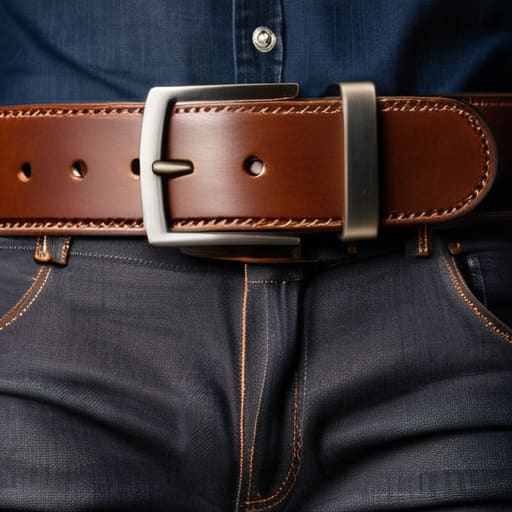
First, stop thinking about a belt as just a way to keep your trousers up; it’s a structural tool. If you’re looking at the difference between a dress belt vs casual belt, the distinction isn’t just about “looking fancy,” it’s about the weight of the material and the scale of the hardware. A thin, sleek leather strip with a discreet buckle is meant to sit flush against a suit or high-waisted trousers without creating a weird bulge. On the other hand, a wide, rugged piece of leather is designed to handle the tension of denim. If you try to wear a skinny dress belt with heavy workwear, you’re going to look like you’re wearing a piece of ribbon, and the leather will stretch out of shape within a month.
When you’re actually deciding on a purchase, look at the best leather types for belts—specifically full-grain. Avoid that “genuine leather” nonsense you see in fast-fashion windows; it’s just layers of scrap glued together that will crack the second you tighten it. Also, pay attention to belt width for formal vs casual settings. A 1-inch width is your gold standard for anything professional, while anything wider than 1.5 inches is strictly for your weekend jeans. If the buckle looks like it was stolen from a costume shop, walk away.
Key Things to Know
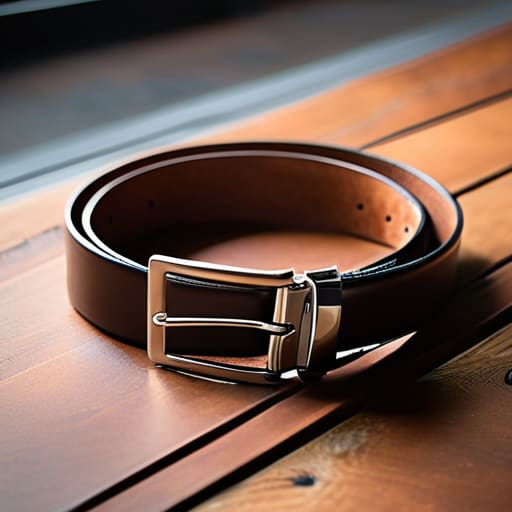
First, let’s talk about the material, because this is where most people get fleeced. If you’re looking at a “genuine leather” tag in a high-street shop, run. That’s usually just scraps glued together with a heavy coating of plastic that will crack the second you try to pull it through a loop. You want full-grain or top-grain leather; it’s thicker, it breathes, and it actually develops a patina instead of just falling apart. If you’re trying to figure out the difference between a dress belt vs casual belt, look at the finish. A dress belt should be smooth and polished, while a casual one can handle a bit of texture or a matte suede.
Then there is the math of the dimensions. A common mistake is ignoring the belt width for formal vs casual settings. A slim, 1-inch to 1.25-inch belt is your go-to for trousers and suits—it doesn’t look clunky or aggressive. For jeans or heavier chinos, you can go wider, maybe 1.5 inches. Also, stop guessing your size. Don’t just buy what you think you are; measure from the hole you currently use to the end of the buckle. If you’re between sizes, buy the larger one and take it to a local tailor to have the excess tail trimmed. It’ll cost you about tenner, but it looks infinitely more expensive.
Practical Tips and Steps
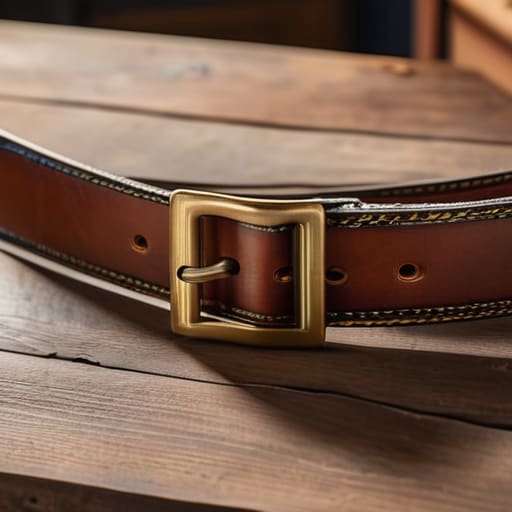
First, stop guessing your size based on your trouser waist; that is a recipe for a belt that either bunches up or drags on the floor. When you’re figuring out how to measure belt size, find the hole you currently use in your favorite pair of jeans and add that number to your measurement. If you’re buying a high-quality piece, you want enough “tail” to tuck into your first loop without it looking like a tailpipe.
Next, let’s talk about the actual utility of the thing. If you’re looking at a dress belt vs casual belt comparison, look at the edges. A formal belt should have a clean, finished edge, whereas a casual one can handle some distressing or a wider, more rugged build. Don’t get caught in the trap of matching belt with shoes perfectly—that looks a bit too “uniform” for my taste. Instead, aim for a tonal match. If you’re wearing dark brown boots, a medium brown leather belt is plenty. Just make sure the leather is thick enough to actually hold its shape instead of warping after three wears.
Common Mistakes to Avoid
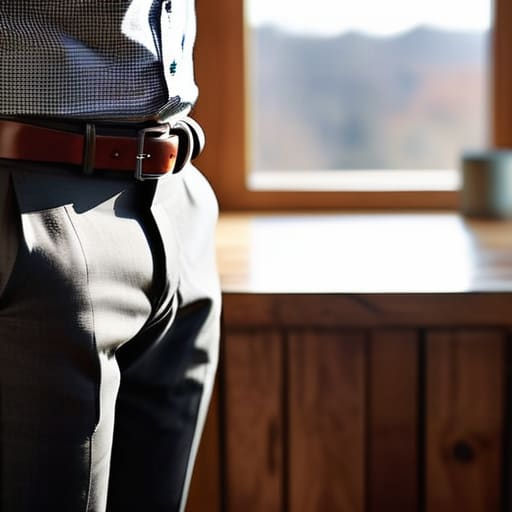
The biggest mistake I see—and it drives me up the wall—is people treating a belt like an afterthought or, worse, a piece of costume jewelry. Stop buying those ultra-thin, flimsy “fashion” belts that serve no purpose other than to sag under the weight of your trousers. If you’re looking at a leather belt, check the edges; if they look like they’re peeling or the material feels like cardboard, walk away. You want a sturdy grain that holds its shape. If you’re trying to navigate a men’s belt style guide, remember that a belt’s primary job is to hold your clothes up and provide a visual anchor, not to be the loudest thing in the room.
Another massive blunder is the “matchy-matchy” trap where people think they have to be perfect, or they ignore the dress belt vs casual belt distinction entirely. You don’t need to stress about a perfect color match, but you should aim for tonal harmony. If you’re wearing heavy boots, don’t try to squeeze in a sleek, polished dress belt; the scale will look ridiculous. Also, please, for the love of good tailoring, stop ignoring how to measure belt size correctly. If you’re between sizes, buy the larger one and take it to a local tailor to have the tail trimmed. It’ll cost you less than a latte and look infinitely better.
Final Thoughts
Look, at the end of the day, a belt shouldn’t be the loudest thing you’re wearing, but it shouldn’t be an afterthought either. If you stop treating it like a mere utility to keep your trousers up and start seeing it as a structural tool, your whole silhouette changes. Whether you are navigating the nuances of a dress belt vs casual belt or just trying to figure out why your current one makes your hips look wonky, remember that fit is the only metric that actually matters. If it’s too tight, it pulls the fabric in ways that look messy; if it’s too loose, it just looks like you’ve given up.
Don’t get caught up in the “matching” trap that high-street marketing pushes on you. While there is a logic to matching your belt with your shoes, it isn’t a law written in stone—it’s just a way to create visual cohesion. My real advice? Buy for the leather quality and the hardware weight. A cheap, thin strap will warp within a month, and no amount of styling can fix a belt that has lost its shape. Spend the extra few pounds on something substantial; it’s a better math equation in the long run.
The Real-World Belt Checklist
- Stop sizing by your waist measurement and start sizing by your hips; if you’re buying a belt to wear with trousers, you need enough length to go through the first loop and still have three holes left to play with, otherwise, you’re just wearing a strap that’s going to look strained and awkward.
- Check the “bend test” before you tap your card; grab the leather and flex it—if it feels like stiff, plastic-coated cardboard that makes a crinkling sound, it’s going to crack at the first hole within a month, and you’ll be back at the shops sooner than you think.
- Match the weight of the belt to the weight of the fabric, because wearing a heavy, thick bridle leather belt with a lightweight linen summer dress is a recipe for sagging, and a tiny, flimsy fashion belt will look ridiculous trying to hold up a pair of heavy denim jeans.
- Look at the edges, not just the buckle; a high-quality belt should have finished, burnished edges rather than just raw, fuzzy cuts, because those raw edges are where the layers start to delaminate and peel once they hit a bit of humidity or sweat.
- Don’t get obsessed with the brand name and start looking at the hardware; if the buckle feels light and hollow like it’s made of cheap pot metal, it’s going to snap or lose its plating, so look for something with a bit of heft that feels like it can actually handle being pulled through a loop every single day.
The Math of the Middle
Stop treating a belt like a piece of jewelry you just slap on at the end; it’s a structural tool. If you’re buying a ‘designer’ leather belt that’s too thin to hold its shape or so long that the tail drags like a sad noodle, you haven’t bought an accessory—you’ve bought a problem. Buy for the weight of your trousers, check the grain, and if the holes are off, don’t panic: a local cobbler can punch a new one for the price of a latte, and suddenly that ‘mismatched’ thrift find actually works for your waistline.
Neve Okonkwo-Barr
The Final Stitch
At the end of the day, choosing a belt isn’t about chasing a specific seasonal aesthetic or buying the one with the loudest logo. It’s about the mechanics of your outfit. Remember to check the leather grain so you aren’t buying something that peels by next Tuesday, and for the love of everything holy, make sure the width actually matches your loops. If you find a high-quality piece that is just a fraction too long, don’t scrap it—take it to a local cobbler to have it trimmed. It’ll cost you less than a fancy latte and you’ll end up with a piece that actually looks like it belongs on your body rather than just hanging off it.
Stop letting the marketing departments convince you that a “wardrobe refresh” requires a massive credit card statement. Real style isn’t found in a shopping bag; it’s found in the details that make your clothes feel like they were made specifically for you. A well-chosen, well-fitted belt is a tool, not just an accessory, and when it works, it makes everything else in your closet look more expensive than it actually is. Focus on the fit, prioritize the fabric, and stop overthinking it. You already have the pieces; you just need to make them behave.
Frequently Asked Questions
If I find a vintage leather belt at a charity shop that's way too long, is it actually worth paying a tailor to trim it, or will it ruin the proportions?
If it’s real leather, absolutely do it. A vintage belt with a heavy grain is a goldmine, and length is the easiest thing to fix. Ask the tailor to trim the end and add a new hole, or even better, swap the buckle if it’s looking tired. It’ll cost you about the price of a latte, and it’s much better than wearing a “luxury” brand that’s actually just bonded plastic. Go for it.
How can I tell if a belt is made of real, durable leather or that cheap "genuine leather" stuff that starts peeling after three wears?
Look, “genuine leather” is marketing speak for “this is the leftover scraps of the real stuff.” It’s usually just thin layers of bonded junk glued together with a plastic coating. If it feels light or smells like a chemistry lab, walk away. Real, durable leather—like full-grain or top-grain—will have a natural scent, a bit of weight, and tiny imperfections. If you can see a consistent, perfect “printed” pattern, it’s plastic. It’ll peel by Tuesday.
My trousers always gap at the waist even when I tighten my belt; should I be looking for a different belt or is this a structural fit problem with the pants?
It’s the pants, not the belt. If you’re cinching your waist until you can’t breathe just to stop that gap, you’re fighting a losing battle against bad construction. A belt is meant to hold your trousers up, not act as a structural corrective for a waistline that doesn’t match your hips. Look for a “curvy fit” or take them to a tailor to have the waistband taken in. A $20 alteration beats a $50 belt every time.
