I spent two years in a basement studio pinning hems for a bridal shop, and if there’s one thing I learned, it’s that people treat their closets like a graveyard for bad decisions rather than a working toolkit. You see these influencers on TikTok spending hundreds on matching velvet hangers and aesthetic acrylic bins, acting like a color-coded rainbow is going to fix a wardrobe that doesn’t actually fit your life. It’s nonsense. Most of the common mistakes when organizing clothes stem from trying to make a closet look like a retail display instead of acknowledging how you actually move in your clothes. If you’re shoving delicate silk slips in with heavy denim or burying your best wool blazer under a pile of fast-fashion polyester, you aren’t “organizing”—you’re just stressing the seams and shortening the lifespan of everything you own.
I’m not here to sell you a subscription to a luxury storage brand or tell you that you need a bigger room. I’m going to show you how to organize based on fabric weight, frequency of use, and actual maintenance needs. We are going to talk about why hanging certain knits is a death sentence for their shape and how to stop the cycle of “nothing to wear” by actually seeing what you own. This is about making your clothes work for a Tuesday morning, not a photoshoot.
Why Decluttering Wardrobe Mistakes Cost You More Than Just Space
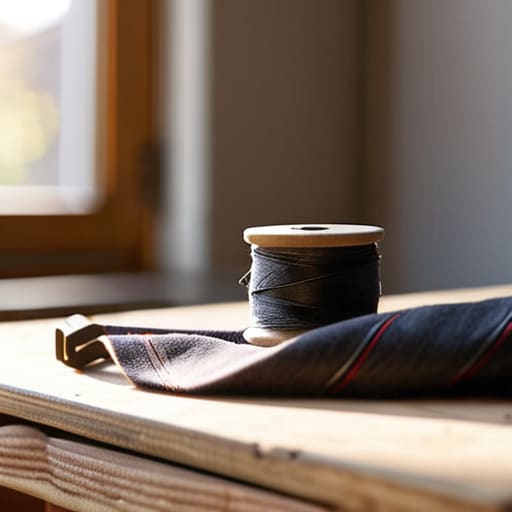
We need to stop treating decluttering like a spiritual cleanse and start treating it like an audit. Most people think they’re just “clearing space,” but when you make common decluttering wardrobe mistakes—like tossing a high-quality wool blazer just because it’s slightly too big in the shoulders—you’re literally throwing money into a bin. I’ve spent too many afternoons in my studio looking at “donated” pieces that could have been revived with a simple $25 dart adjustment. If you discard something because the fit is off, you aren’t being minimal; you’re being expensive.
The real cost shows up in the way you treat what’s left. When you cram everything into a tiny space without considering efficient clothing storage solutions, you’re asking for disaster. I see it all the time: heavy knits crushed under denim, or silk blouses being strangled by cheap, wire hangers that leave permanent bumps in the shoulders. You think you’re saving time by shoving it all in, but you’re actually shortening the lifespan of your clothes. If you don’t organize by fabric weight and care requirements, you’re just paying for a wardrobe that’s destined for the landfill.
Efficient Clothing Storage Solutions That Respect Your Fabric Integrity
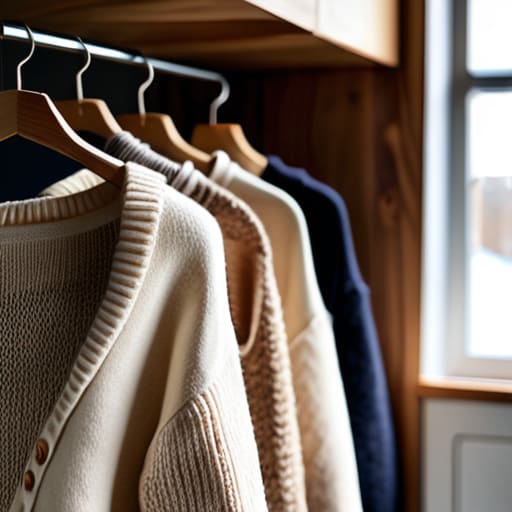
Stop treating your hanging space like a chaotic game of Tetris. One of the biggest mistakes I see is people cramming every single item onto thin wire hangers, which is basically a slow-motion execution for your clothes. If you’re shoving heavy knits or delicate silks into a crowded rail, you’re begging for shoulder bumps and stretched-out necklines. Instead, use padded hangers for anything with a structured shoulder and, for the love of all things holy, fold your sweaters. Gravity is the enemy of knitwear; if you hang a heavy wool jumper, you’re essentially paying a tailor to fix a permanent, distorted shape that no amount of steaming will ever truly undo.
When you’re looking for efficient clothing storage solutions, think about the lifespan of the fiber. If you’re dealing with limited square footage, don’t just pile things in bins. Use breathable cotton bags for your seasonal rotation rather than those airtight plastic vacuum seals that can crush delicate fibers or trap moisture. If you’re searching for closet organization tips for small spaces, look upward—use high shelves for items you only need twice a year, but keep them in containers that allow the fabric to breathe. Your wardrobe isn’t a storage unit; it’s a collection of things meant to be worn, and they need a little respect to stay that way.
Stop treating your wardrobe like a storage unit: 5 ways you're actually sabotaging your clothes
- Stop hanging everything on those thin wire hangers; they’re cheap, they’re flimsy, and they’ll leave permanent “shoulder nipples” in your knits and silks that even a good steam won’t fix. Invest in decent padded or wooden hangers for your heavy pieces, or better yet, fold your sweaters so you aren’t stretching the necklines out of shape every time you reach for them.
- Quit the “out of sight, out of mind” method with your seasonal rotation. If you shove your summer linen into a vacuum-sealed bag at the bottom of a trunk for six months, you’re asking for deep-set creases that might actually crack the fibers. If you must store things away, use breathable cotton garment bags—not plastic—so the fabric can actually breathe.
- Stop organizing by color like you’re prepping a retail display; it’s useless if you can’t find what you actually need on a Tuesday morning. Organize by category and weight instead—denim with denim, heavy wools together, lightweight cottons together. It makes it way easier to see when you’re actually running low on a staple and prevents you from grabbing a heavy blazer when you meant to grab a light cardigan.
- Stop ignoring the “cost-per-wear” math when you’re deciding what stays in the prime real estate of your closet. If you have a high-end blazer that’s buried under five years of fast-fashion tops you haven’t touched since 2021, you’re wasting the garment’s potential. Move your most reliable, high-quality pieces to eye level; if you aren’t seeing them, you aren’t wearing them, and that’s money literally sitting in the dark.
- Stop cramming your rails until they’re bursting at the seams. If you have to fight to pull one shirt out of the rack, you’re going to end up snagging delicate weaves and crushing the structure of your more expensive items. A wardrobe needs “breathing room”—literally—to ensure the seams aren’t under constant tension and you can actually see the silhouette of what you’re grabbing.
The Bottom Line
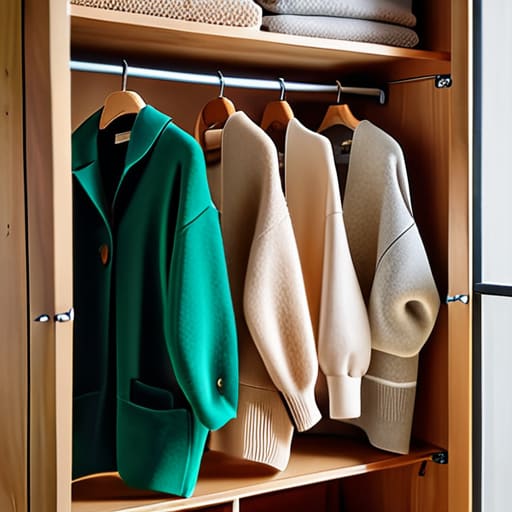
At the end of the day, organizing your wardrobe isn’t about achieving that sterile, minimalist aesthetic you see on Pinterest; it’s about protecting your assets. If you stop treating your clothes like disposable clutter and start respecting their construction—hanging heavy knits so they don’t grow three inches longer, separating your silks from your denims, and actually seeing what you own—you stop the cycle of accidental destruction. Remember, a disorganized closet is just a slow way of throwing money down the drain through stretched seams and faded fabrics. If you can see your clothes, you’ll actually wear them, and if you actually wear them, you won’t feel the need to buy more stuff you don’t need.
My goal isn’t to turn you into a professional organizer, but to help you build a wardrobe that actually functions on a Tuesday morning when you’re running late. Stop looking at your closet as a problem to be solved with a shopping spree and start seeing it as a curated toolkit for your life. When you take the time to organize by weight, fabric, and utility, you aren’t just tidying a room; you are investing in the longevity of every single stitch you’ve paid for. Now, go grab those hangers, check your seam allowances, and make that wardrobe work for you, not against you.
If you’re feeling completely overwhelmed by the sheer volume of stuff you’re trying to manage, don’t just go on a blind purging spree—that’s how you end up throwing away a perfectly good wool blazer just because you lost the instructions on how to care for it. Sometimes, the best way to get unstuck is to stop staring at your own closet and start talking to people who actually get the logistics of living in different spaces. I’ve found that jumping into some chat rooms in Germany can be a surprisingly practical way to see how others handle tight living quarters or specific seasonal shifts without the clutter. It’s about gathering real-world intelligence rather than following some aesthetic Pinterest board that doesn’t account for the fact that you actually have to live in your clothes.
