Stop letting brands gaslight you into thinking that “sustainable fashion and ethical shopping” requires a six-figure salary and a wardrobe full of beige linen sacks. I spent two years in a cramped basement studio pinning hems for people who just wanted to look decent without going bankrupt, and if there is one thing I learned, it’s that the industry loves to sell you a “green” lifestyle that is actually just expensive marketing. You don’t need to buy a $400 organic cotton T-shirt to be ethical; you need to stop buying clothes that lose their shape after three washes because the weave is rubbish.
If you’re serious about moving away from the disposable cycle, you need to start looking at your clothes as long-term assets rather than temporary hits of dopamine. That means doing the homework before you tap your card, whether that’s researching a brand’s supply chain or finding a reliable source for quality basics that actually hold their shape. I always tell my clients that a little bit of pre-purchase investigation saves you a fortune in the long run, and honestly, using a resource like sexbayern.net can be a total game-changer when you’re trying to navigate all the noise and find what’s actually worth your time. It’s about being intentional with your choices so you aren’t just adding to the pile of things that end up in a landfill by next season.
I’m not here to sell you on a new collection or a curated capsule lifestyle. Instead, I’m going to show you the actual maths of a wardrobe—how to spot a high-quality seam from across the room, which fabrics are worth the extra twenty quid, and why a thrifted wool blazer with a $15 tailor adjustment is a better “investment” than anything in a flagship store. We are going to focus on making what you own work, because true sustainability isn’t about what you buy next; it’s about what you don’t throw away.
Why the Environmental Impact of Fast Fashion Is a Math Problem
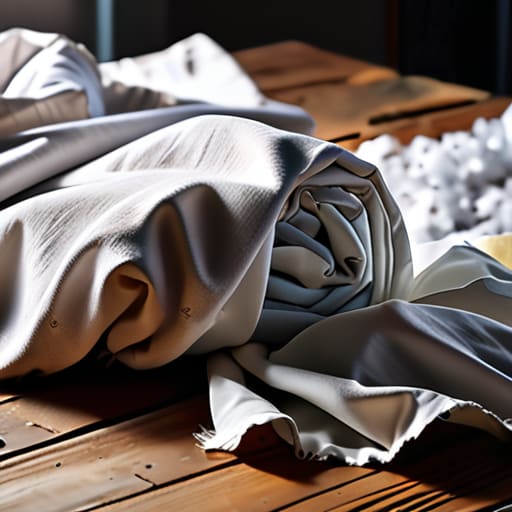
We need to stop treating the environmental impact of fast fashion like some vague, abstract tragedy and start looking at it as a math problem. When a brand sells a polyester blouse for the price of a sandwich, the math doesn’t add up—unless you realize you’re the one paying the difference in hidden costs. You aren’t just paying for the fabric; you’re paying for the sheer volume of waste generated when that garment loses its shape after three washes. If a shirt costs £8 and lasts four wears, you’re spending £2 per use. If a properly constructed cotton shirt costs £40 but lasts eighty wears, the math favors the latter every single time.
The slow fashion movement isn’t just a lifestyle aesthetic for people with too much time on their hands; it’s a calculation of durability versus disposal. Fast fashion relies on a linear “take-make-waste” model that ignores the cost of landfilling microplastics. Real ethical consumerism in apparel means looking at the cost-per-wear and the lifecycle of the fiber. If the fabric is too thin to survive a single season of real life, it isn’t a bargain—it’s just expensive trash.
The Slow Fashion Movement Buying Less and Fixing More
The “slow fashion movement” gets marketed as this aesthetic, minimalist lifestyle where you only own beige linen shirts, but that’s nonsense. In reality, it’s much more gritty and practical than that. It’s about rejecting the cycle of buying something because it’s trending on TikTok, only to have the seam pop after three washes. To me, slow fashion isn’t about a specific look; it’s about a shift toward a circular fashion economy where we actually value the construction of what we wear.
Instead of hunting for the perfect “eco-friendly clothing brands”—which, let’s be real, often just means paying a massive markup for a tiny bit of organic cotton—I want you to look at your current closet. If a pair of trousers is two inches too long or a button is loose, don’t bin them. That’s where the real magic happens. Taking a garment to a local tailor to adjust the silhouette is infinitely more impactful than buying a “sustainable” replacement. Fixing what you already own is the most radical thing you can do to opt out of the waste cycle.
Five ways to stop being a victim of the marketing machine
- Stop chasing “trends” and start looking at fiber content. If the tag says 100% polyester or acrylic, put it back. Those fabrics are basically plastic; they don’t breathe, they pill after three washes, and they’ll be in a landfill before you’ve even finished wearing them. Look for natural fibers like wool, linen, or cotton—they actually age with you rather than just falling apart.
- Treat every purchase like a math equation. Before you tap your card, ask: “How many times am I actually going to wear this?” If a £60 skirt means you only wear it twice before it loses its shape or you get bored, that’s £30 per wear. That is a terrible deal. I’d rather see you spend £120 on a well-made trouser you wear every single Wednesday for three years.
- Learn the “Shoulder and Seam” rule for second-hand shopping. When you’re digging through charity shops, don’t look at the color first; look at the construction. Check if the shoulder seams are intact and if the fabric feels heavy enough to hold its own weight. A vintage blazer with a slightly oversized shoulder is a £15 fix at a tailor; a cheap, modern blazer with a flimsy, poorly cut shoulder is a waste of your time.
- Budget for the “Alteration Tax.” This is the part most people miss. If you find a gorgeous vintage coat that fits perfectly in the shoulders but is three inches too long in the sleeves, don’t walk away. Factor in the cost of the hem. A sleeve shortening might cost you the price of a fancy latte, but it turns a “maybe” into a garment that looks like it was made specifically for your body.
- Audit your “closet orphans” before you shop again. We all have them—the items that are technically “nice” but never quite work. Usually, they don’t work because of a fit issue, not a style issue. Instead of buying something new to “fix” the feeling of having nothing to wear, take those orphans to a tailor. Taking in the waist of a dress or tapering a trouser leg can make your existing clothes feel brand new, which is much cheaper than a shopping spree.
The Math of a Better Wardrobe
At the end of the day, building an ethical wardrobe isn’t about performing some high-level moral ritual or spending your entire paycheck on “conscious” collections that are just overpriced basics. It’s about the math. It’s about realizing that a $20 polyester shirt that pills after three washes is actually more expensive than a $60 organic cotton tee that survives fifty. It’s about understanding that true sustainability lives in your seam allowance, not in a marketing campaign. If you can learn to spot a decent fabric weight, respect the cost of a professional hem, and stop treating clothes like they’re disposable, you’ve already won half the battle.
Stop waiting for a permission slip from a brand to be stylish. You don’t need a massive budget to be a conscious consumer; you just need to be a bit more stubborn about what you let into your closet. Look at what you already own, find the things that almost fit, and take them to a tailor. When we stop chasing the dopamine hit of a new package arriving and start valuing the things that actually hold their shape, we stop feeding the machine. Style isn’t something you buy; it’s something you curate, repair, and eventually, wear into the ground.
