I spent two years in a basement studio pinning hems for brides who were more worried about their dress size than the actual structure of the garment. Everyone keeps selling this lie that if you just buy the right “shapewear” or the most expensive silhouette, you’ll finally look put-together, but they are missing the entire point. The truth is, how fit changes everything isn’t about shrinking your waist or hitting a specific number on a scale; it’s about how your physical presence interacts with the fabric you choose to drape over it. You can spend three months at the gym or three hundred pounds on a designer blazer, but if you don’t understand the relationship between your body’s movement and a seam’s tension, you’re just throwing money at a ghost.
I’m not here to give you a workout plan or a list of “miracle” slimming fabrics that will pill after one wash. Instead, I’m going to show you the actual math of dressing a real, living body. We’re going to talk about how muscle tone affects how a heavy wool coat hangs on your shoulders, why certain fabrics hide more than they reveal, and how to stop fighting your shape and start working with it. This is about building a wardrobe that actually respects your frame, without the expensive, hollow promises of the fashion industry.
Understanding How Fit Changes Everything
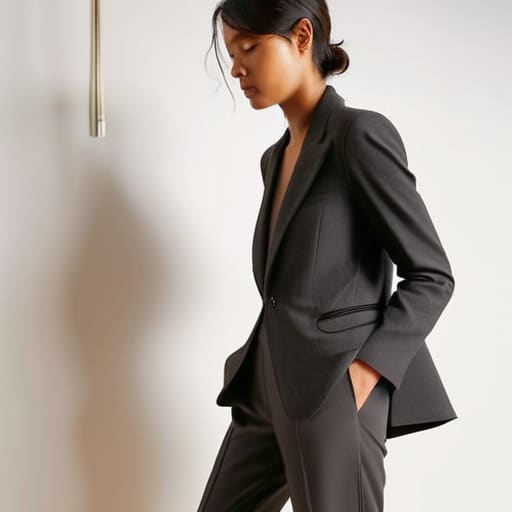
Look, we need to stop treating clothes like they’re supposed to be a second skin. Most people walk into a shop and think, “This doesn’t suit me,” when the reality is just that the shoulder seam is sitting two inches too low or the fabric is pooling at the ankles like a wet sponge. When we talk about the importance of garment silhouette, we aren’t talking about changing your shape; we’re talking about using structure to stop the clothes from wearing you. A well-placed seam can redirect the eye, making a garment look intentional rather than accidental.
There is a massive difference between “sizing up” to hide something and actually improving body proportions through clothing. If you buy a size larger to mask a midsection, you’re just adding bulk to the frame, which usually makes you look larger than you are. That’s not style; that’s just bad math. Real style happens when you find the pivot points—the waist, the hips, the collarbone—and let the fabric respect them. When the lines of a jacket actually follow the lines of your frame, you stop looking like you’re playing dress-up and start looking like you actually own the room.
Key Things to Know

First, let’s get one thing straight: you don’t need a new wardrobe; you need to understand the importance of garment silhouette. Most people buy clothes that fight their natural shape rather than working with it. If you’re wearing a heavy wool blazer that makes your shoulders look like they’re sloping toward your elbows, it doesn’t matter if it cost five hundred pounds—you’re going to look defeated. The goal isn’t to hide your body, but to use structure to manage how the eye moves across you.
This is where the psychology of well-fitted clothes kicks in. When a seam actually sits on your shoulder bone instead of sliding down your arm, your posture changes. You stop fidgeting with your hemline and start actually existing in the room. It’s not magic; it’s just geometry. By focusing on improving body proportions through clothing—like shortening a hem to show a bit of ankle or taking in a waist that’s swallowing you—you stop looking like you’re wearing a costume and start looking like you’re wearing clothes.
Practical Tips and Steps
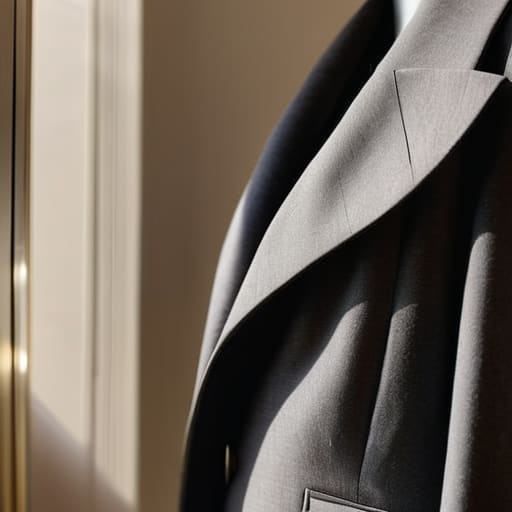
First, stop looking for the “perfect” item and start looking for the right foundation. When you’re standing in a changing room, ignore the brand name and look at the importance of garment silhouette. A dress might look incredible on a mannequin, but if the waist sits two inches too low for your torso, you’ll spend the whole day tugging at it. Instead, buy for the part of your body you want to highlight and leave the rest for the machine. A cheap blazer with a bit of extra seam allowance is infinitely more valuable than an expensive one that’s too tight in the shoulders; you can’t fix a shoulder seam without it costing more than the jacket itself.
Second, learn the math of your own frame. Improving body proportions through clothing isn’t about hiding yourself; it’s about using fabric to create balance. If you have broader shoulders, a heavier drape on the hips can ground the look. Don’t fall for the “buy your way to a better shape” trap. Most of the time, you just need to find a tailor who understands how to adjust a hem or take in a side seam to honor your actual shape rather than the industry’s standard one.
Common Mistakes to Avoid

The biggest mistake I see—and I see it every time I’m hunched over a sewing machine—is people trying to hide their bodies under “oversized” trends. There is a massive difference between a garment that is intentionally voluminous and one that is just drowning you. When you buy three sizes too big to mask your shape, you aren’t hiding anything; you’re just losing the importance of garment silhouette. You end up looking like a pile of fabric rather than a person, and no amount of styling can fix a lack of structure.
Another trap is the “it’s too expensive to fix” lie. I hear it constantly. People buy a beautiful blazer but ignore the fact that the shoulders hang two inches too low, then they wonder why they look sloppy. They think they can’t afford the custom tailoring benefits, but they’ll spend fifty quid on a fast-fashion top that falls apart in three washes. Stop treating your clothes like disposable napkins. If the fabric is decent, spend the extra twenty pounds to nip in the waist. It’s the difference between looking like you’re wearing a costume and looking like you actually own the room.
Final Thoughts
At the end of the day, stop looking at your body as something that needs to be “corrected” by a new shopping haul. Your clothes aren’t failing you because you changed size; they’re failing you because the architecture is wrong. Whether you’re trying to master the importance of garment silhouette or just trying to stop a pair of trousers from dragging under your heels, remember that the goal isn’t to look like a mannequin. It’s to look like yourself, just with better structural support.
If you take one thing away from this, let it be that confidence is a byproduct of geometry. When you understand how to use fabric to balance your frame, you stop fighting your clothes and start wearing them. Don’t let a bad seam or a heavy, cheap polyester blend dictate your mood for the day. Invest in the fix, not the replacement. Whether it’s a quick hem or a more complex adjustment, focusing on improving body proportions through clothing is the only way to make a wardrobe actually work for your life, rather than against it.
The Tailor’s Cheat Sheet: 5 Ways to Stop Fighting Your Clothes
- Stop buying for the “goal” body and start buying for the body you actually have on a Tuesday morning. If you buy a size 8 because you think you’ll be a size 8 by June, you’re just paying for a very expensive, very depressing piece of fabric that will sit in your closet mocking you. Buy for the current reality; I can usually take a waist in for about £15-£20, but I can’t magically make fabric appear where there isn’t any.
- Learn to read the “hang.” Before you head to the checkout, don’t just look in the mirror—look at how the fabric behaves. If a skirt is pulling horizontally across the hips, creating those little tension lines, it’s too tight. If a shoulder seam is drooping halfway down your arm, the structure is gone. A garment that fights your shape will always look messy, no matter how much it cost.
- Prioritize “fixable” silhouettes. When you’re shopping, look for pieces with enough seam allowance to actually move. If a blazer is so slim-cut that there’s zero extra fabric inside the side seams, a tailor won’t be able to help you if you gain an inch. You want clothes that have a little bit of “give” in the construction so they can grow or shrink with your life.
- Respect the weight of the fabric. A thin, cheap jersey will cling to every single thing you’re trying to hide, and no amount of “styling” will fix that. If you want a garment to look intentional and polished, look for fabrics with some heft—heavy cotton, wool blends, or structured linen. Weight provides its own architecture, which does half the work of a tailor for you.
- The “Sit Test” is non-negotiable. We spend most of our lives sitting down, not standing like mannequins in a shop window. If you put on a pair of trousers and they look great while you’re standing, but they dig into your stomach or pull uncomfortably at the crotch the second you sit, put them back. If it isn’t comfortable for a Wednesday afternoon at a desk, it isn’t a good fit.
The Reality of the Silhouette
You can spend three months’ rent on a designer silk slip dress, but if the garment is fighting your body instead of moving with it, you’re just wearing an expensive mistake. Style isn’t about the label on the neck; it’s about the math of how a fabric sits against your actual shape. A fifty-pound thrifted blazer that has been nipped at the waist and hemmed to the right length will always look more ‘luxury’ than a thousand-pound coat that hangs off you like a tent.
Neve Okonkwo-Barr
The Bottom Line
At the end of the day, stop looking at your reflection and blaming your body for why that blazer looks awkward. It isn’t your shape; it’s the seam allowance and the lack of structural integrity in the garment. We’ve covered the math: understanding how your body moves, knowing which fabrics hold their shape after a wash, and realizing that a twenty-pound alteration is almost always better than a hundred-pound impulse buy. If you can master the basics of how clothes actually sit on your frame, you stop being a victim of the changing room mirror and start becoming the architect of your own look. Style isn’t a shopping problem; it’s a geometry problem.
I want you to walk into your closet on a random, unremarkable Wednesday and actually feel like the person living inside those clothes. You don’t need a massive budget or a seasonal wardrobe overhaul to look put-together; you just need to respect the relationship between fabric and skin. Stop waiting for the “perfect” piece to arrive in the mail and start making the pieces you already own work for you. When you prioritize how a garment actually fits over how the marketing says it should look, you’ve already won. Build a wardrobe that works for your life, not for a trend cycle.
Frequently Asked Questions
If I’m working with a body that’s constantly changing, is it worth paying for tailoring or should I just stick to oversized pieces?
Oversized pieces are a great safety net, but they aren’t a strategy; they’re a hiding spot. If you’re in flux, buy clothes with “forgiving” construction—think elasticated back waistbands, wrap dresses, or fabrics with a bit of elastane. But don’t abandon tailoring. A £15 hem or a bit of waist nipping on a piece you actually love is better than a mountain of shapeless sacks. Tailor the things that anchor you; let the rest be loose.
At what point does a garment become "unfixable" regardless of how much I'm willing to spend at the tailor?
It’s usually a math problem involving seam allowance. If you’re trying to take a waist in by more than two inches, you’re likely going to hit the side seams or, worse, ruin the proportions of the pockets. Also, avoid “unfixable” fabrics like heavy, structured wools that lack drape, or cheap synthetics that don’t hold a new shape. If the structural integrity of the garment is gone, no amount of stitching will save the silhouette.
How can I tell if a piece of clothing is actually well-constructed versus just being marketed as a high-quality "investment"?
Turn the garment inside out. If the seams are raw, fraying, or held together by loose, single-thread overlocking, put it back. I’m looking for finished seam allowances and tight, consistent stitching. Check the weight, too; if it’s a “luxury” wool coat that feels like tissue paper, it won’t survive a winter. Real quality has structural integrity. If the brand calls it an “investment” but the hem is a rushed, single-stitch job, they’re lying to you.
