I spent my first two years in a basement studio pinning bridal hems, so I’ve learned one thing early: people will spend three months’ rent on a “luxury” item and then treat it like it’s made of sugar glass. I see it all the time—people terrified to actually wear their pieces because they think they need a specialized, expensive ritual for every movement. Honestly, the marketing around how to care for a watch is designed to make you feel like you need a concierge service just to keep time. You don’t. Most of the “expert” advice out there is just a way to sell you overpriced cleaning kits and unnecessary insurance policies that don’t actually cover the wear and tear you’re worried about.
I’m not here to sell you a lifestyle or a subscription to a boutique newsletter. I’m going to tell you what actually matters: the difference between a bit of dust and a genuine mechanical failure, how to stop your sweat from eating your leather strap, and when a $40 service from a real technician is better than a “certified” overhaul that costs a grand. This is about practical longevity, not prestige.
Understanding How to Care for a Watch
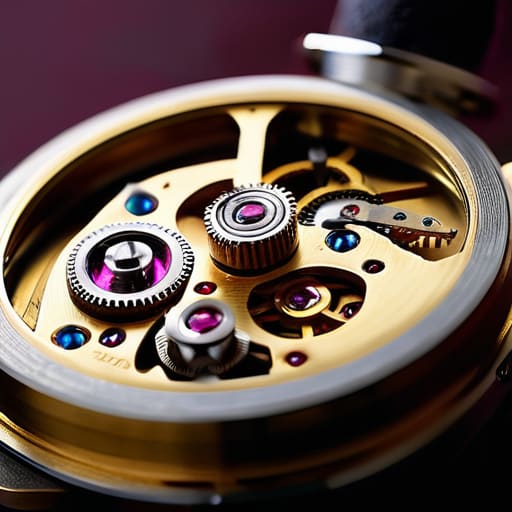
First, we need to stop treating watches like jewelry and start treating them like what they actually are: tiny, temperamental machines. Whether you’ve picked up a vintage piece from a flea market or a brand-new automatic, you’re essentially wearing a miniature engine on your wrist. The biggest mistake I see is people ignoring mechanical watch maintenance until the second hand actually stops moving. If you wait until it’s dead to seek help, you’re usually looking at a much steeper repair bill than a simple routine service would have cost.
You also need to understand that “water resistant” is a marketing term that people wildly misinterpret. I’ve seen people take a watch with a basic 30m rating straight into a swimming pool, and that is a one-way ticket to a ruined movement. Always look at the actual water resistance ratings explained in your manual; if it doesn’t explicitly say ‘diver’ or ‘ocean rated,’ keep it away from the sink. It’s not just about the seals, either—it’s about the pressure. Treat the mechanics with respect, and they’ll actually last long enough to become heirlooms.
Key Things to Know
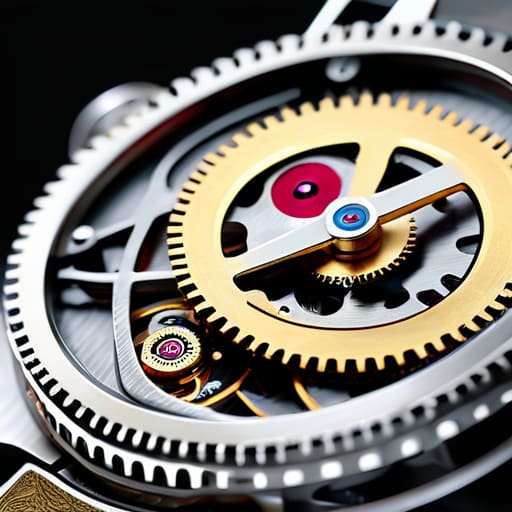
First, let’s talk about the physics of what’s happening on your wrist. Most people treat a watch like a piece of jewelry, but it’s actually a tiny, delicate engine. If you have a mechanical piece, mechanical watch maintenance isn’t just a luxury; it’s a necessity to keep those gears from grinding themselves into dust. Think of it like a car—you wouldn’t drive a thousand miles without checking the oil, so don’t expect a movement to stay accurate if you ignore the service intervals.
Next, we need to address the “waterproof” lie. You’ll see water resistance ratings explained on every box, but those numbers are often tested in static, laboratory conditions. Just because a watch says 5ATM doesn’t mean you should take it into a hot shower or a salt-water pool; the steam and chemicals can eat through the gaskets faster than you can say “oops.”
Finally, stop being afraid of a few marks. You can spend a fortune preventing watch scratches by keeping it in a velvet pouch, but eventually, life happens. A tiny surface scuff isn’t a tragedy; it’s just part of the story. Focus on the internals, and let the exterior live a little.
Practical Tips and Steps

First, stop treating your watch like a piece of costume jewelry. If you’ve got something with a heartbeat—a mechanical piece—you can’t just toss it in a drawer and forget it exists for six months. Mechanical watch maintenance isn’t about expensive rituals; it’s about movement. If it’s an automatic, give it some wrist time or use a winder so the oils don’t seize up. Think of it like a car; if it sits idle too long, it’s going to struggle when you finally try to drive it.
When it comes to the actual upkeep, keep it simple. You don’t need a specialized kit to start preventing watch scratches; just avoid wearing your favorite piece while you’re doing the dishes or gardening. If it gets grimy, a soft microfiber cloth and a tiny bit of distilled water is usually plenty. Most importantly, stop trusting those “water resistant” labels blindly. Water resistance ratings explained in a manual are often theoretical, not a guarantee that you can take your vintage piece for a swim in the ocean. Treat it like a delicate garment: respect the seals, or you’ll be paying a technician way more than a coffee to fix a flooded movement.
Common Mistakes to Avoid
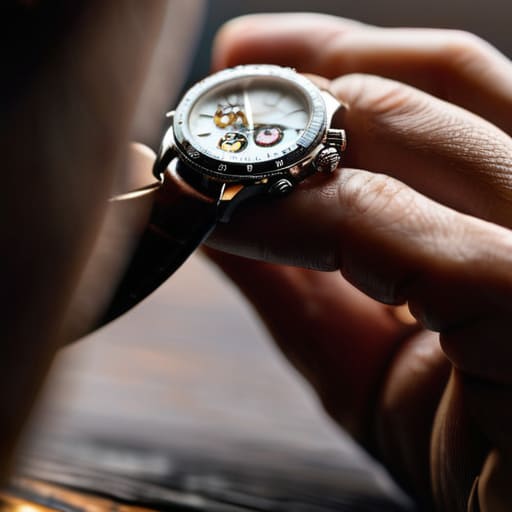
The biggest mistake I see—and it kills me because it’s so preventable—is treating a watch like a piece of costume jewelry. People see a shiny bezel and think they can scrub it with whatever dish soap is under the sink or, god forbid, a harsh chemical cleaner. Please, don’t. When you’re cleaning luxury timepieces, you want to stick to a soft cloth and maybe a tiny bit of specialized solution if it’s really grimy. If you use something abrasive, you aren’t just cleaning it; you’re micro-scratching the finish, and once that metal is compromised, there is no “fixing” it without a professional polish that actually eats away at the original shape of the case.
Another massive blunder is the “set it and forget it” mentality regarding water. I see people looking at a dial and assuming that because it looks “waterproof,” they can take it for a swim. You need to actually understand water resistance ratings explained on the back of the case. A rating of 30m or 50m is basically just “don’t get it wet while washing your hands.” If you dive into a pool with a watch meant for splashes, you’re inviting moisture into the gears, and that is a one-way ticket to a very expensive repair bill.
Final Thoughts
Look, at the end of the day, a watch shouldn’t be a museum piece that you’re too terrified to actually wear. If you’re keeping it tucked away in a velvet box because you’re scared of a tiny scuff, you’re missing the point of owning something well-made. Most of what people call “damage” is actually just character, and preventing watch scratches is much easier than trying to buff them out of a polished finish later. Treat it like a good pair of denim: it’s meant to live with you.
Don’t get caught up in the hype of buying more; instead, focus on watch movement longevity by simply paying attention to how it behaves. If it’s running slow or suddenly feels sluggish, don’t just ignore it and hope it fixes itself—that’s how a simple service turns into a very expensive headache. A little bit of regular mechanical watch maintenance is just basic math. You spend a bit of time and a small amount of money now, so you aren’t forced to replace the whole thing in three years. That is the only real way to build a wardrobe that lasts.
Five ways to stop treating your watch like an afterthought
- Stop treating your watch like it’s waterproof just because the box said ‘water resistant.’ That is a technical term for how much pressure it can take, not an invitation to wear it in the shower or the pool. Soap scum and chlorine are basically slow-motion acid for your seals and gaskets; if you want that seal to actually hold, keep the chemicals away from it.
- If you’re wearing a vintage piece or something with a leather strap, stop sweating it out. I see so many people with salt-stained leather that’s cracked because they wore the same strap to the gym every day. If the strap looks tired, don’t buy a whole new watch—just spend the £20 to swap the strap. It’s the cheapest way to make an old watch look brand new.
- Don’t be a hero with a paper towel. If you need to clean the face, use a soft microfiber cloth—the kind you use for glasses. Using a rough napkin or a cheap tissue can leave micro-scratches on the crystal that make the whole thing look dull and ‘cheap’ even if the movement is perfect.
- Magnetism is the silent killer of a good movement. If you leave your watch sitting right next to your laptop, your phone, or a bunch of magnetic clasps on your jewelry tray, you’re asking for it to start running fast or slow. Keep it in a dedicated spot, away from your tech, so the internal mechanics don’t get confused.
- The ‘set it and forget it’ mentality is a trap. If it’s a mechanical watch, it needs a service every few years to replace the oils, just like a car. If you wait until it stops ticking to take it to a professional, you’re likely paying for a much more expensive repair than if you’d just gone in for a routine check-up. Think of it as a £50 preventative cost versus a £500 disaster.
The real cost of a "set and forget" mentality
Stop treating a watch like a piece of disposable tech that you just throw in a drawer when it stops ticking; a quality timepiece isn’t a static object, it’s a mechanical relationship that requires a $50 service every few years to keep it from becoming an expensive, heavy paperweight.
Neve Okonkwo-Barr
The Bottom Line
Look, caring for a watch isn’t about being a collector or having a velvet-lined vault; it’s just about basic respect for the mechanics. If you remember to keep the crown screwed down tight, avoid the temptation to wear your timepiece in a hot shower, and actually take it to a real technician for a service every few years, you’ve already done more than most. You don’t need to spend a fortune on specialized cleaning kits or fancy winding boxes. Just treat the hardware with a bit of common sense and stop treating it like a disposable gadget. A little bit of preventative maintenance is always cheaper than trying to fix a shattered movement or a rusted case later on.
At the end of the day, the best piece of jewelry you own isn’t the one that costs the most, but the one that actually survives your life. Whether it’s a vintage piece you found in a dusty corner of a charity shop or a sturdy tool watch you saved up for months to buy, its value comes from its ability to keep up with you. Don’t let the marketing fool you into thinking you need a new one every season to stay relevant. Style is about longevity, and there is something deeply satisfying about wearing a watch that has a bit of history and a lot of resilience. Wear it, care for it, and let it tell your story.
Frequently Asked Questions
If I find a vintage watch at a charity shop that’s stopped ticking, is it worth paying a professional to service it, or am I just throwing good money after bad?
It depends on the math. If it’s a mass-produced quartz piece from the 90s, walk away; the parts aren’t worth the labor. But if it’s a mechanical piece with a decent movement, a service is an investment, not a loss. A $150 service on a solid vintage watch can give you another decade of life. Don’t just buy the “vibe”—check the brand. If the movement is respected, pay the professional. If not, leave it for the collectors.
Can I actually wear my "water-resistant" watch in the shower, or is that marketing nonsense that'll eventually ruin the seals?
Short answer: Don’t do it. “Water-resistant” is a technical rating, not a dare. Most consumer watches are built to handle a splash or a sudden downpour, but the steam and heat from a shower are different beasts entirely. Heat expands the seals, and soap scum eats away at the gaskets. If you want that watch to actually last, keep it on the dresser while you’re in the shower. It’s not worth the repair bill.
How do I know if a scratch on the glass is just a surface annoyance or a sign that the whole piece is losing its value?
Look, don’t panic. If it’s just a light scuff on acrylic or Hesalite, a little Polywatch can buff that right out for the price of a latte. But if you’re looking at a deep gouge in sapphire, that’s a different story—sapphire is tough, but once it’s nicked, it’s permanent. Check if the scratch catches your fingernail; if it does, it’s structural. It won’t kill the watch, but it might dent the resale value.
