Stop letting luxury marketing convince you that a watch is a “legacy piece” or a financial vault on your wrist. Most of these glossy magazines want you to believe that unless you’re spending five figures on a Swiss movement, you’re just wearing a toy, but that is absolute nonsense. I’ve spent years looking at the construction of garments and accessories, and I can tell you that a massive price tag rarely correlates with actual durability. If you’re looking for a complete guide to watches that actually respects your bank account, you won’t find it in a showroom designed to make you feel small. You need to stop looking at the brand name and start looking at the build quality—the lug width, the crystal type, and whether that strap is going to crack after three months of actual life.
I’m not here to sell you on the romance of horology; I’m here to show you the maths. In this guide, I’m going to strip away the hype and tell you exactly what makes a timepiece worth your hard-earned money and what is just an expensive paperweight. We’ll talk about case sizes that actually fit a human wrist, which movements survive a decade of daily wear, and how to spot a quality finish without needing a degree in engineering. This is about finding a tool that works on a Wednesday, not a trophy that sits in a box.
The Complete Guide to Watches Stop Buying Status and Start Buying Horology
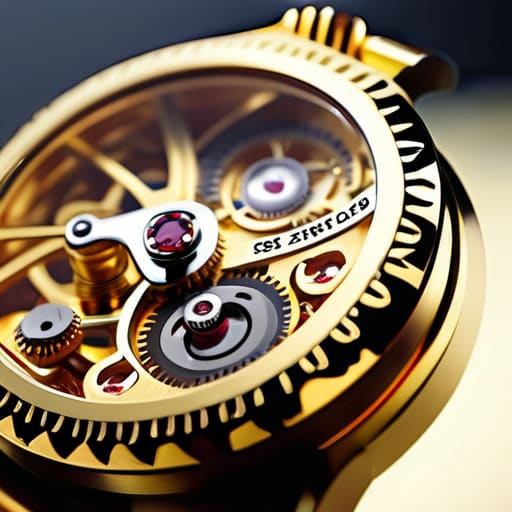
Stop looking at the logo on the dial and start looking at the movement through the case back. Most people walk into a boutique and pay a 400% markup just for a name that looks good in a filtered photo, but that’s not how you build a collection that lasts. If you want to understand horology fundamentals, you have to care about what is actually happening inside the metal. Is it a battery-powered quartz movement that’s accurate to the second but dead in five years, or a mechanical heart that requires a bit of soul and a little bit of winding?
I’m not here to tell you to spend your rent on a Swiss chronograph, but I am going to tell you that a $200 automatic watch with decent build quality is often a better “investment” than a $2,000 fashion brand piece made of cheap plating. You need to understand the difference between mechanical vs quartz movements before you hand over your card. One is a tool that needs a bit of care; the other is a disposable gadget. Learn the mechanics, and you’ll stop being a target for marketing.
Mechanical vs Quartz Movements Calculating the True Cost of Your Time
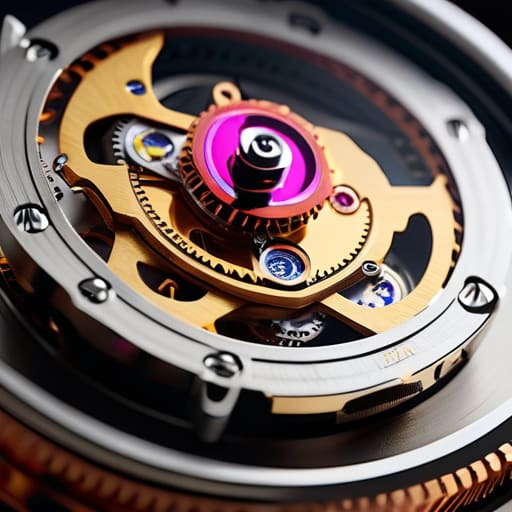
Here is the reality: marketing teams love to pit mechanical vs quartz movements against each other like they’re two different religions, but they’re actually just two different sets of math. A quartz watch is a battery and a circuit; it’s incredibly accurate, low-maintenance, and honestly, it’s the most practical tool for a Tuesday morning when you just need to know you aren’t late for a meeting. If you buy a quartz piece, you aren’t paying for “soul,” you’re paying for convenience.
On the other hand, a mechanical movement is a tiny, ticking ecosystem of gears and springs. It’s beautiful, yes, but it’s also a commitment. You need to factor in automatic watch maintenance—meaning you can’t just toss it in a drawer for five years and expect it to spring to life; it needs movement, or eventually, a service that will cost you more than the watch itself. Don’t let a salesperson tell you a mechanical movement is “better” just because it’s more complex. It’s only better if you actually enjoy the ritual of owning something that requires a bit of care.
Beyond the Dial Why Watch Complication Types Matter for Your Daily Life
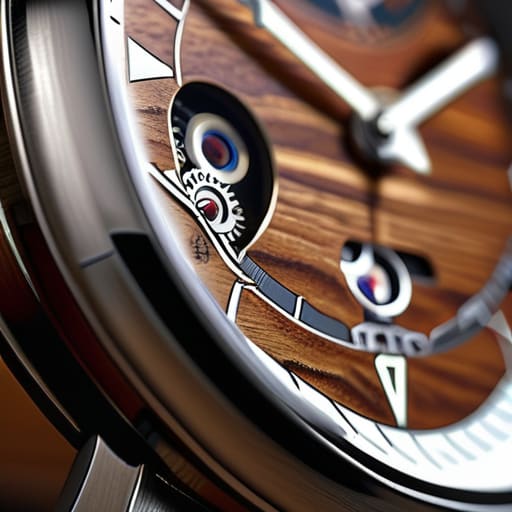
Look, most people see a “complication” and think it’s just a fancy extra feature to justify a higher price tag. In reality, a complication is just any function on a watch that does more than tell the time. If you’re looking at watch complication types, stop asking which one looks most expensive and start asking which one actually solves a problem in your Tuesday routine. A simple date window is a lifesaver if you’re prone to forgetting which day it is during a long meeting, whereas a moon phase is, quite frankly, a beautiful bit of wasted space if you aren’t an astronomer.
Then there’s the chronograph. It’s that stopwatch function that looks very “professional driver,” but if you aren’t timing laps or cooking pasta, it’s just extra dials making the face harder to read. My advice? Don’t let a salesperson convince you that a perpetual calendar is a “must-have” for a beginner. Unless you have the budget for the automatic watch maintenance that comes with those high-end movements, you’re just buying a very complicated headache. Stick to what you actually use.
Water Resistance Ratings Explained Dont Pay for Features Youll Never Use
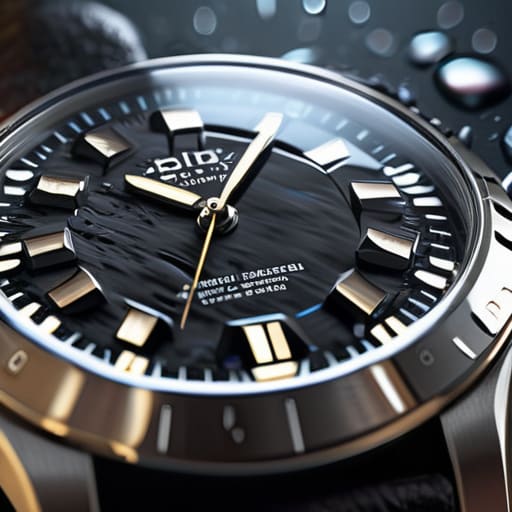
Here is the truth about those little numbers on the dial: most of them are marketing lies. When you see “100m water resistance,” your brain thinks you can go deep-sea diving with it. You can’t. In the world of horology fundamentals, that rating is usually just a fancy way of saying “you won’t die if you get caught in a rainstorm.” Unless you are actually a professional diver, paying a premium for ISO-rated professional equipment is just throwing money at a spec you’ll never stress-test.
If you’re just wearing a watch to the office or out for a Sunday roast, you really only need to worry about splash resistance. Anything rated for 30m or 50m is fine for washing your hands, but even then, I’d tell you to be careful with the crown. If you’re moving into luxury watch collecting tips, remember that the more complex the watch complication types, the more sensitive those seals become. Don’t pay for a submarine on your wrist when a sturdy, daily-driver diver is all you actually need to survive a Wednesday.
Luxury Watch Collecting Tips How Automatic Watch Maintenance Protects Your
Look, I’m going to be blunt: if you buy a mechanical piece thinking it’s a “set it and forget it” asset, you’ve already lost the math. Unlike a quartz movement that just sits in a drawer until the battery leaks, an automatic watch is a living, breathing machine with tiny parts that rely on actual lubrication to stay functional. If you let a high-end automatic sit untouched for three years, that oil turns into something resembling dried honey, and suddenly your “investment” needs a service that costs more than a decent pair of boots.
When I look at luxury watch collecting tips, the most important one isn’t about which brand has the best logo; it’s about the service interval. Proper automatic watch maintenance means budgeting for a service every five to seven years. I always tell people to treat a watch like a high-quality leather jacket or a well-made wool coat: if you don’t maintain the structural integrity, the value evaporates. You aren’t just paying for the steel and the dial; you are paying for the ongoing cost of keeping that machine running. If you can’t factor a service fee into your initial purchase price, you can’t afford the watch.
The "No-Nonsense" Checklist: How to spot a real timepiece before you tap your card
- Stop obsessing over the brand name and start looking at the lug width. If a watch has a weird, proprietary lug shape that makes it impossible to find a standard strap, you’re stuck with one look forever—and that’s a mistake that costs more than the watch itself.
- Check the bracelet construction like I check a seam allowance. If the links feel hollow or “jangly” when you shake your wrist, it’s cheap stamped metal that will stretch and fail within a year; you want solid links that have actual weight and structural integrity.
- Ignore the “luxury” marketing about heritage and look at the crystal. If it’s acrylic or mineral glass, it’s going to scratch the moment you encounter a doorframe, whereas sapphire is the only thing worth the extra spend if you actually want the watch to look decent in three years.
- Do the math on the strap replacement. A beautiful vintage watch is a terrible deal if the strap is so specialized that replacing it costs half the price of the watch—always ask if you can swap the band for something standard.
- Test the tactile reality of the crown and bezel. If the buttons feel mushy or the bezel doesn’t click with a sharp, mechanical precision, the internal engineering is likely sloppy, regardless of how many zeros are on the price tag.
The Real Math of a Wristwatch
Stop letting a glossy campaign convince you that a heavy gold casing equals quality; a watch is just a tiny machine on a strap, and if you don’t understand the movement inside or how the lug width affects the fit on your wrist, you aren’t buying a timepiece—you’re just paying a massive markup for a very expensive way to be late.
Neve Okonkwo-Barr
The Final Tally
At the end of the day, a watch isn’t a magic wand that changes your social standing; it’s a piece of engineering that sits on your wrist. We’ve looked at the math: you don’t need a gold-plated complication if you’re just checking the time between meetings, and you definitely don’t need to pay a premium for high water resistance if you aren’t planning on diving the Great Barrier Reef. Whether you choose the low-maintenance reliability of a quartz movement or the mechanical soul of an automatic, the goal is the same: buy for the reality of your life, not the fantasy of a brochure. Remember that a well-chosen, mid-range tool watch with a decent movement will outlast three ‘luxury’ pieces that were built more for the logo than the gears.
Stop letting marketing departments dictate what your wrist deserves. Your style isn’t defined by how much you spent at a boutique, but by how well your choices actually function when you’re out in the world. A watch should be like a perfectly tailored blazer—something that feels intentional, fits your lifestyle, and doesn’t require a second mortgage to maintain. Build your collection based on utility and longevity, not the hype cycle. If you can explain why you bought it—the movement, the durability, the actual use case—then you’ve already won. Now, go find something that actually works for you.
Frequently Asked Questions
I found a vintage mechanical watch at a charity shop for twenty quid, but is it actually a bargain if the service cost is going to be more than the watch itself?
It’s a classic trap. A twenty-quid mechanical watch is usually a “project,” not a bargain. If the movement is gummed up with dried oil, a full service will easily run you £150 plus parts. Suddenly, that “steal” is a £170 mistake. Unless you’re buying it because you love the specific patina or the case shape, walk away. Don’t let the low price tag blind you to the maintenance math.
Does the strap material actually affect the longevity of the watch, or is it just something brands use to jack up the price?
Look, brands will charge you a 300% markup just because a strap says “Italian leather,” but don’t mistake price for durability. A cheap, stiff leather strap will crack and peel within six months, ruining the look of a perfectly good watch. Conversely, a high-quality FKM rubber or a solid stainless steel bracelet can outlive the movement itself. Stop paying for the logo on the strap; pay for the material that won’t disintegrate by next summer.
If I'm buying a watch to wear every single day, how much does the weight of the metal actually matter for my wrist fatigue?
Look, I spend my days pinning heavy denim and delicate silk; I know exactly how weight changes a person’s posture. If you’re wearing a watch every single day, weight is everything. A heavy steel diver might feel “substantial” in a shop, but by Wednesday afternoon, it’s a literal anchor dragging on your wrist. If you have smaller wrists or a desk job, go for titanium or a lighter alloy. Don’t let marketing convince you that “heft equals quality.” Quality is how it feels after eight hours of movement.
