Stop letting tech brands convince you that a $60 silicone slab is a “lifestyle essential” just because it has a minimalist aesthetic. I spent two years in a basement studio watching people pay a premium for things that looked beautiful on a shelf but fell apart the second they actually had to work. It’s the same logic as buying a cheap polyester blazer that pill after three wears; you think you’re saving money, but you’re actually just buying trash. If you want to know how to choose a phone case that lasts, you have to stop looking at the color palette and start looking at the structural integrity of the edges and the quality of the material density.
I’m not here to sell you on a brand name or a trendy pattern that will peel off by next Tuesday. I’m going to show you how to spot the difference between a case that actually absorbs impact and one that just provides a false sense of security. We are going to talk about material science, button tactile feedback, and why that “luxury” leather finish is almost certainly going to crack within six months. Consider this your no-nonsense guide to spending your money on something that actually survives a Wednesday.
Understanding How to Choose a Phone Case That Lasts
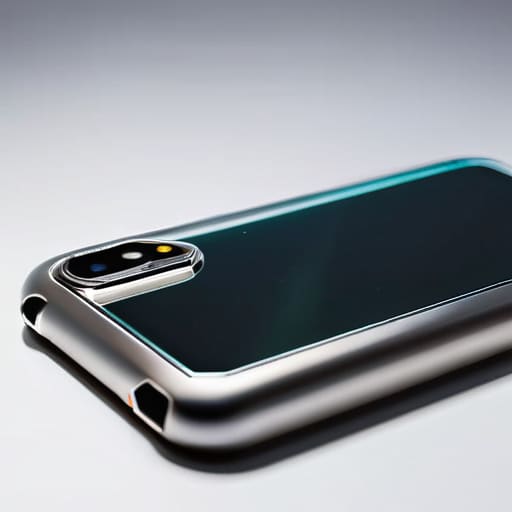
Look, I spend my days looking at how seams hold up under tension and how fabric weight dictates whether a garment looks expensive or just cheap. A phone case is no different; it’s an engineering problem, not a decorative one. When you’re looking at options, ignore the pretty patterns for a second and look at the actual architecture. You want to see a raised bezel design around the screen and camera lenses. If the case is flush with the glass, you aren’t buying protection; you’re just buying a colorful sticker that will fail the moment it hits the pavement.
Don’t get blinded by the term “military grade protection” either—it’s become a bit of a marketing buzzword that means very little without context. Instead, look for actual impact resistant materials that have some give. If a case is hard as a rock, it’s just going to transfer that energy straight into your phone’s internals. You need something with genuine shock absorption technology that can actually dissipate the force of a drop. If the brand can’t explain how their material handles energy, they’re just selling you an aesthetic, and that’s a waste of your money.
Key Things to Know
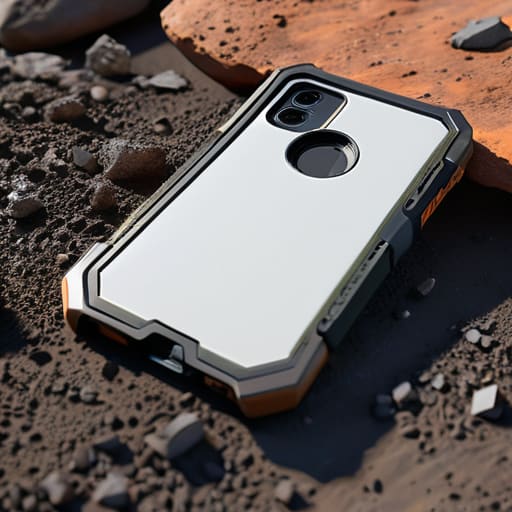
First, let’s talk about the structural integrity of the thing. I spend my life looking at seams and hem allowances, so I tend to look at phone cases the same way—I want to know if the construction actually holds up under pressure. Don’t just take a brand’s word for it; look for actual drop test ratings that aren’t just marketing fluff. If a company claims “military grade protection” but can’t tell you the specific height or surface type they tested against, they are selling you a vibe, not a shield. You want something with genuine shock absorption technology built into the corners, because that’s where the energy of a fall actually lives.
Secondly, look at the edges. A case that is perfectly flush with your screen is a disaster waiting to happen. You need a raised bezel design that gives the glass a literal buffer zone when it hits the pavement. I also check for the quality of the finish; an anti-scratch coating is the difference between a case that looks decent in three months and one that looks like it’s been through a rock tumbler. If the material feels thin or “squishy” in a way that lacks density, it’s not going to provide the structural support your phone needs.
Practical Tips and Steps
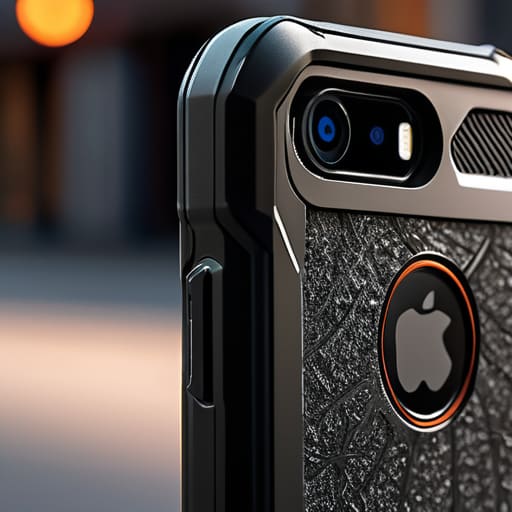
First, stop looking at the pretty patterns and start looking at the edges. If you’re holding a case and the screen feels flush with the phone’s surface, run. You need a raised bezel design—that slight lip that sits higher than your glass—to act as a sacrificial buffer when the phone hits the pavement. It’s the difference between a minor scuff and a shattered screen that costs more to fix than the phone is worth.
Next, let’s talk about the “feel” of the material. If it’s that super-thin, flimsy silicone that feels like a gummy candy, it isn’t going to provide any real shock absorption technology. Look for something with a bit of structural integrity. If the brand starts throwing around terms like military grade protection, don’t just take their word for it; check if they actually cite specific drop test ratings. I want to see the maths on how many feet it survived, not just a flashy logo. A case that survives a year isn’t about looking expensive; it’s about having enough density to actually do its job when you inevitably drop it while looking for your keys.
Common Mistakes to Avoid
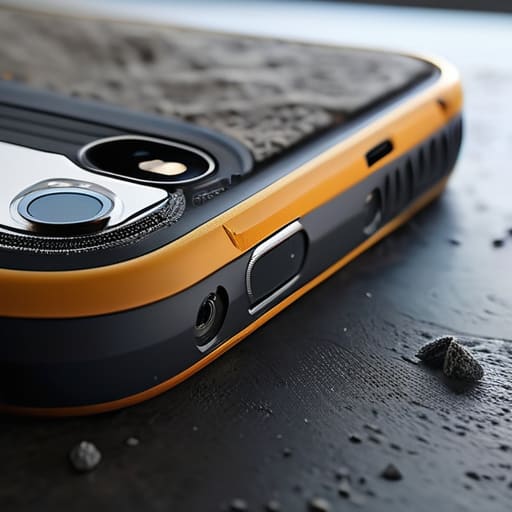
The biggest mistake I see people make is falling for the “aesthetic trap.” You see a slim, gorgeous case on your feed, you buy it because it looks expensive, and three weeks later, the edges are peeling or the corners have cracked. People treat phone cases like seasonal accessories, but if you aren’t looking at the material durability comparison, you’re just buying expensive landfill. A case that looks like a piece of art but lacks actual shock absorption technology is just a very pretty way to break your screen.
Another huge blunder is ignoring the structural details in favor of a brand name. Don’t get blinded by a logo if the case is completely flush with the screen. If there isn’t a clear raised bezel design to create a buffer between your glass and the pavement, you’re essentially gambling every time you set your phone down. I’ve seen plenty of “luxury” cases that fail a basic drop test because they prioritized thinness over protection. Stop paying for the marketing and start looking at the build quality—if it feels flimsy in your hand, it’s going to fail you the moment it hits the ground.
Final Thoughts
Look, at the end of the day, a phone case is just another piece of kit that needs to do its job without falling apart after three months of being shoved into a bag. You don’t need the flashiest aesthetic or a brand name that costs more than your weekly grocery shop; you just need something that respects the hardware inside. If you’re looking at the specs, stop getting distracted by the pretty patterns and start looking for a legitimate raised bezel design and decent impact resistant materials. That is the difference between a minor scuff and a cracked screen.
Don’t let the marketing jargon bully you into overspending. If a company starts throwing around terms like “military grade protection” without actually showing you their drop test ratings, they are probably just selling you a very expensive piece of silicone. Treat your tech like I treat a vintage wool blazer: check the construction, verify the substance, and make sure it actually serves a purpose. Buy for the utility, skip the hype, and save your money for something that actually matters.
The "No-Nonsense" Checklist for a Case That Won't End Up in a Landfill by Tuesday
- Check the bumper integrity. Just like I look at a jacket’s shoulder seam to see if it’s built to hold its shape, you need to look at the edges of the case. If the corners aren’t reinforced or if the material looks thin enough to peel away from the phone after three drops, walk away. A case that only protects the back is just a pretty sticker.
- Stop falling for the “aesthetic” silicone trap. I see this all the time with cheap fabrics—they look great in the shop, but they pill and lose their structure after a week. Cheap silicone cases get “sticky” or start flaking at the edges. If it doesn’t feel substantial in your hand, it’s not going to survive a month of being shoved into a bag or dropped on pavement.
- Look for tactile precision, not just a logo. A good case should fit like a tailored garment—zero wiggle room. If you can slide a piece of paper between the case and your phone, it’s a bad fit. That tiny gap is where the friction happens, and that’s exactly how you end up with scratches on your device that no amount of “polishing” can fix.
- Do the math on the “luxury” markup. If a brand is charging you thirty pounds more just because they put a minimalist logo on a piece of TPU, you’re paying for their marketing budget, not better protection. Look at the actual material specs. Is it recycled polycarbonate? Is it high-density TPU? If they can’t tell you what it’s made of, they’re just selling you a vibe, and vibes don’t stop cracks.
- Test the button response. This is the “seam allowance” of phone cases. If you have to fight the case just to turn the volume up, the construction is sloppy. A case that’s too stiff or poorly molded around the cutouts will eventually fatigue the material or, worse, make you frustrated enough to take it off—which is exactly when you’ll end up dropping it.
The real cost of a "pretty" case
Stop falling for the aesthetic trap; a case that looks incredible in a mirror selfie but has zero structural integrity is just expensive landfill. If the material doesn’t have enough weight to absorb a drop and the edges don’t snap onto the frame with zero wiggle room, you aren’t buying protection—you’re just paying for a temporary sticker that’s going to fail you by next month.
Neve Okonkwo-Barr
The Bottom Line
At the end of the day, choosing a phone case shouldn’t be about which brand has the prettiest Instagram feed or which logo makes you feel like you’ve arrived. It’s about the mechanical reality of what happens when your phone meets a concrete pavement. Look for the material density, check that the edges actually hug the screen, and for the love of everything, don’t fall for “luxury” branding if the case feels like flimsy, recycled plastic. If it doesn’t have the structural integrity to survive a drop, it’s not a tool; it’s just an expensive bit of clutter. Stop paying for the aesthetic markup and start looking for the build quality that actually justifies the price tag.
My grandmother used to say that if you take care of your things, they’ll take care of you, and that applies to your tech just as much as a vintage wool coat. We live in a world that tries to convince us that everything is disposable, but there is a real, quiet power in owning things that actually last. When you stop chasing the trend of the month and start investing in things that serve a purpose, you save money, you reduce waste, and you stop being a victim of bad manufacturing. Buy the case that feels solid in your hand, and then let it do its job so you can get on with your life.
Frequently Asked Questions
If I buy a cheap silicone case because it looks good, is there any way to make it last longer, or am I just throwing money away?
Look, if you’re buying a cheap silicone case just for the aesthetic, you’re basically buying a temporary mood rather than a tool. Silicone is notorious for picking up lint and stretching out until it feels like a loose sock. You can try cleaning it with isopropyl alcohol to kill the grime, but once the structural integrity goes, it’s gone. If you can’t afford the better one now, just budget for the replacement.
How can I tell if a "rugged" case is actually built to take a drop, or if it’s just thick, cheap plastic designed to look tough?
Look, “rugged” is often just marketing speak for “unnecessarily bulky.” If it’s just a thick slab of cheap, shiny plastic, it’s going to crack or peel within months. A real heavy-duty case needs internal architecture—think TPU bumpers or air-cushion corners. Give it a squeeze; if it feels like a single, rigid piece of hollow junk, skip it. You want layered materials that actually absorb impact, not just a shell that looks like it belongs in a construction site.
Is it actually worth paying the extra £20 for a brand-name case, or can I get the same durability from a generic one if I know what to look for?
Look, I’m allergic to paying for logos, but I’m even more allergic to buying something twice. If that extra £20 is paying for a patented shock-absorption system or high-grade TPU that won’t turn yellow in three weeks, pay it. But if it’s just a fancy name on a piece of cheap silicone, walk away. Check the seam tolerances and the material density; if the generic one feels flimsy, it’ll fail you by next month.
