Stop treating your wardrobe like a landfill and calling it “decluttering.” I see people dumping bags of pilled polyester and stained fast-fashion basics into donation bins every single week, thinking they’ve done something virtuous. They haven’t; they’ve just outsourced their waste to a charity shop that’s already drowning in low-grade scraps. If you actually want to learn how to pass clothes on well, you have to stop thinking about volume and start thinking about integrity. It’s not about how much you get rid of, it’s about making sure the person receiving that garment isn’t inheriting a headache that’ll end up in the bin by next Tuesday.
I’m not here to give you a “minimalist lifestyle” pep talk or tell you to sell your soul on a resale app for three pounds. I’m going to show you the actual mechanics of it: how to spot a seam that’s going to fail, which fabrics are worth the effort of a quick mend, and where to send the heavy wools so they actually get worn. We’re going to talk about real value, from checking button security to knowing which resale platforms actually pay out for quality.
Stop Treating Your Wardrobe Like a Trash Heap How to Pass Clothes on Well
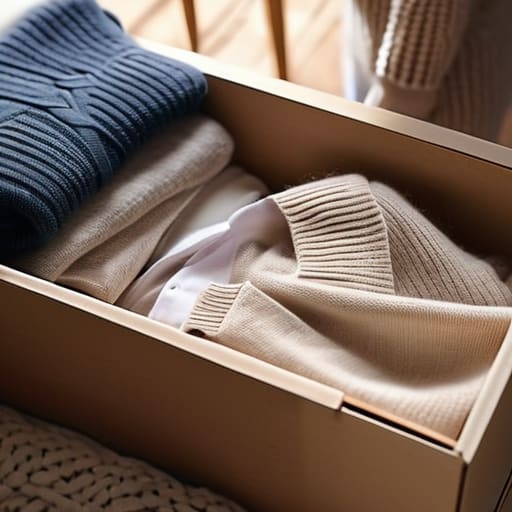
Stop treating your wardrobe like a trash heap: How to Pass Clothes On Well
If you’re just shoving everything into a black bin bag, you aren’t “decluttering”—you’re just outsourcing the problem to a landfill. Most people think sustainable wardrobe decluttering means tossing anything that doesn’t fit or feels “out,” but that is a massive waste of good construction. Before you decide something is rubbish, look at the fiber content on that care label. If it’s a heavy cotton, a sturdy linen, or a real wool, it has life left in it. If it’s a thin, scratchy polyester that’s already pilling, then yes, let it go, but do it properly through textile recycling options rather than the general waste.
When you actually want to see some money back, you have to be ruthless about quality. Don’t waste your energy on resale platforms for clothing listing fast-fashion basics that will fall apart after three washes; nobody is hunting for a five-pound jersey top that’s lost its shape. Instead, focus on the pieces with good seam allowances and decent fabric weight. If you can prove the garment is built to last, you’ll actually maximize your resale value instead of just adding to the digital noise.
The Math of Maximizing Clothing Resale Value Before You List
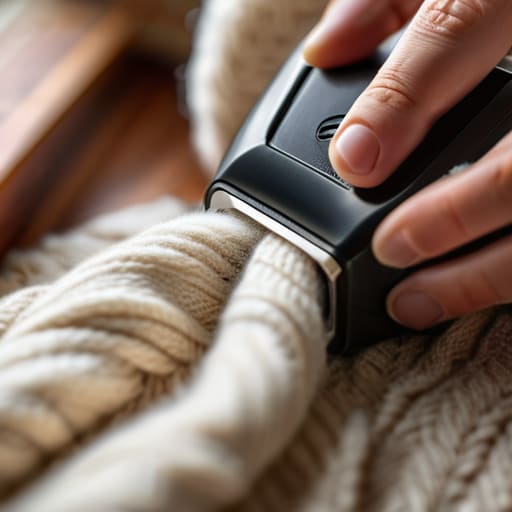
If you want to actually make money on resale platforms for clothing, you have to stop thinking like a consumer and start thinking like a technician. Most people list a sweater the second they realize it doesn’t fit, but if that knit has even a hint of pilling on the elbows, your “profit” is going to evaporate into a return request. Before you snap a single photo, grab a fabric shaver. It costs about ten quid and a bit of time, but it’s the difference between a garment looking “pre-loved” and looking “discarded.”
I also need you to check your seams. If you’re trying to maximize clothing resale value, a loose thread or a slightly stretched-out neckline is a red flag that screams low quality. If a button is hanging by a thread, sew it back on properly now. It’s a five-minute job that adds twenty percent to your asking price. We aren’t just dumping old stuff; we are participating in a clothing circular economy, which means the next person deserves a piece that actually holds its shape. Don’t let a cheap repair stand in the way of a good payout.
Navigating Resale Platforms for Clothing Without Wasting Your Weekend
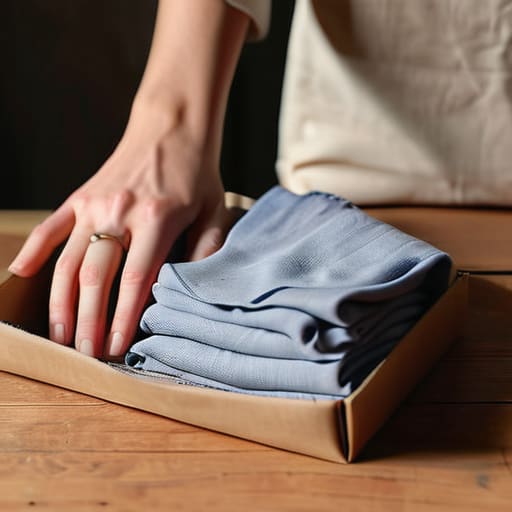
Look, if you think you’re going to spend your entire Saturday photographing every single item in your closet to make a profit, you’re delusional. Most resale platforms for clothing are designed to be addictive, but they can also be massive time-sinks if you don’t have a strategy. I always tell my clients: don’t list the high-street basics that have lost their shape. If the hem is fraying or the elastane has gone crunchy, just move it straight to textile recycling options. It’s not worth the mental load of answering “is this still available?” for a shirt that’s barely worth a coffee.
Instead, batch your work like a professional. Pick three items that actually have structural integrity—think heavy denim, structured blazers, or 100% wool knits—and list those together. Focus your energy on pieces where the resale value actually justifies the effort of shipping. If you’re looking for a more hands-off approach to sustainable wardrobe decluttering, consider curated consignment shops. You’ll take a smaller cut, sure, but you get your weekend back, and that is a trade-off I will take every single time.
Sustainable Wardrobe Decluttering When to Sell and When to Shred

Here is the reality: not everything deserves a second life on a resale platform, and trying to force it is just a recipe for burnout. If you’re doing sustainable wardrobe decluttering, you have to be ruthless about fabric integrity. If a sweater has pilled so badly it looks like it’s growing moss, or if the elbows are thinning to the point of transparency, stop. Trying to sell “distressed” items that are actually just falling apart is a waste of your time and the buyer’s money. If the seam allowance is gone or the fabric is too delicate to survive another wash, it’s time to admit defeat.
When a garment is truly past its prime, look for legitimate textile recycling options rather than just tossing it in the bin. We need to support a real clothing circular economy, which means sending those shredded cotton tees or stained linens to facilities that can actually break them down into new fibers. If it’s a high-quality natural fiber like pure wool or heavy linen that’s just slightly damaged, it might still be worth a trip to a tailor to see if it’s salvageable—but if it’s dead, let it go gracefully.
Beyond the Bin Ethical Clothing Disposal and the Clothing Circular Economy
If it’s too far gone to sell—we’re talking stained collars, blown-out elastic, or that dreaded pilling that no fabric shaver can touch—don’t just chuck it in the general waste. That is where the “circular economy” becomes a buzzword rather than a reality. When a garment is truly dead, you need to look into specific textile recycling options. Many cities have dedicated bins for scraps and rags that actually get processed into insulation or industrial wipes, rather than sitting in a landfill for a century.
I always tell my clients that ethical clothing disposal is about honesty. If you wouldn’t give it to a friend, don’t give it to a charity shop; they have limited space and a huge backlog of stuff they can’t actually sell. If the seams are splitting or the fabric is thinning, it’s better to find a dedicated textile collector. It feels a bit more clinical than a cozy thrift shop, but it’s much more effective for sustainable wardrobe decluttering when you’re actually trying to reduce your footprint instead of just moving your mess from your bedroom to a donation bin.
The Quick-and-Dirty Guide to Not Passing On Your Problems
- Check the seams and the pits before you even think about listing. If there’s pilling under the arms or a loose thread on a hem that’s going to cost someone £15 to fix, just be honest about it or bin it. Passing on a “fixer-upper” that actually requires a professional tailor is just passing on a headache, and nobody wants to pay for your laundry day mistakes.
- Prioritize natural fibers for the resale market. If you’re trying to move a piece, a 100% wool sweater or a heavy linen shirt will sell ten times faster than that “silky-feel” polyester blend that’s going to melt the first time it hits an iron. People who know quality—and there are more of them than the marketing departments want you to think—look for the fabric composition tag first.
- Don’t bother with the “aesthetic” flat lays if you don’t have the time to do them properly. Just hang the garment on a decent wooden hanger against a plain wall in natural light. I can tell if a jacket has a structural issue just by how it hangs on a hanger, so if it looks wonky in the photo, it’s going to look wonky in person.
- Group your “low-effort” items for charity shops rather than trying to sell them individually. If it’s a basic cotton tee with a slightly faded neck or a pair of fast-fashion leggings, don’t waste your energy photographing them. Bundle the basics and get them out of your house so you can save your mental energy for the high-value pieces like the structured blazers or the heavy denim.
- Be specific about the “why” in your descriptions. Instead of saying “great condition,” tell them “no pulling on the buttons” or “original hem preserved.” If you’ve already done a minor repair, like sewing a loose button back on, say so. It shows the garment has been cared for, and that’s the kind of math that makes a buyer feel like they aren’t gambling with their money.
The Real Value of a Hand-Me-Down
Stop thinking about resale as just clearing out your closet; think about it as preserving the labor. If a jacket has a heavy wool blend and solid seam allowances, it deserves a second life with someone who actually knows how to wear it, not a landfill because you didn’t want to spend ten minutes writing a decent description.
Neve Okonkwo-Barr
The Final Stitch
At the end of the day, passing on your clothes well isn’t about being a perfect minimalist or a high-volume reseller; it’s about being honest with what you own. If you’ve done the work—checked the seams, identified the heavy wools that actually hold value, and decided which polyester blends are better off being recycled than sold—you’ve already done more than most. Remember that the goal is to stop the cycle of “buy, wear once, bin.” Whether you are chasing a bit of extra cash on a resale app or sending a sturdy coat to a charity shop where it will actually be worn, you are making a choice to treat fabric as a resource rather than a disposable commodity. It’s about knowing when a garment has more life left in it than you have room for in your closet.
Stop letting your wardrobe become a graveyard of “maybe one day” pieces and expensive mistakes. Every time you choose to pass something on with intention, you are reclaiming your space and your budget for things that actually fit your life and your body. Style isn’t about having a mountain of newness; it’s about the intelligence of your curation. Build a life where your clothes work for you, and when they stop doing that, let them go gracefully so someone else can find the magic in them.
Frequently Asked Questions
I found a beautiful vintage silk blouse, but the side seams are slightly puckered—is it worth trying to sell, or should I just donate it?
Don’t donate it just yet. Puckered seams on silk usually mean the tension was off during sewing or the thread shrunk, but it’s often fixable. If the fabric itself isn’t pulling or thinning, a decent tailor can rip those seams and re-stitch them for about £15–£20. If you can fix it, you’ve turned a “damaged” item into a “vintage gem” and can actually recoup your money. If the silk is shredding? Then let it go.
How much should I actually be spending on a quick repair or a button replacement to make a piece look "resale ready" without losing my profit?
Don’t overthink it, but don’t ignore it either. If a button is hanging by a thread, spend £3 on a pack of decent horn or metal ones and do it yourself. If you’re paying a pro, don’t spend more than £10 on a simple fix; if the repair cost eats 30% of your expected sale price, it’s not a repair, it’s a bad investment. Fix the visible flaws, but leave the structural stuff for the next owner.
If I’m selling a heavy wool coat that’s lost its shape slightly, can a simple steam fix it, or am I better off being brutally honest in the description?
Steam is a great tool, but don’t mistake a temporary puff for a permanent fix. If the wool has actually stretched at the elbows or the hem is pulling unevenly because the internal structure is shot, a steamer won’t save it. Be brutally honest. Tell them it’s lost some shape but is still structurally sound. If you try to “steam it back to life” and hide a structural sag, you’re just inviting a return and a headache.
