I spent three years in a basement studio pinning hems for a bridal shop, and if there is one thing I learned, it’s that a high price tag is the most unreliable indicator of quality. I’ve seen women drop six hundred pounds on a “designer” silk blouse only to have the seams fray after two wears, while my grandmother could make a five-pound charity shop find look like couture just by adjusting the shoulder slope. The industry loves to gaslight us into thinking that spending more automatically equals better, and that is exactly how the word investment is misused to justify astronomical markups on mediocre construction. If the fabric is a synthetic blend that pills the moment it touches a handbag, it isn’t an investment; it’s just expensive trash.
I’m not here to sell you a dream or a new capsule wardrobe collection. Instead, I’m going to show you the actual maths of a wardrobe that lasts. We are going to talk about fabric weight, seam allowances, and the specific cost of alterations so you can stop falling for marketing fluff. I’ll help you distinguish between a piece that survives a decade of Wednesday mornings and a piece that’s just a well-packaged mistake.
Understanding How the Word Investment Is Misused
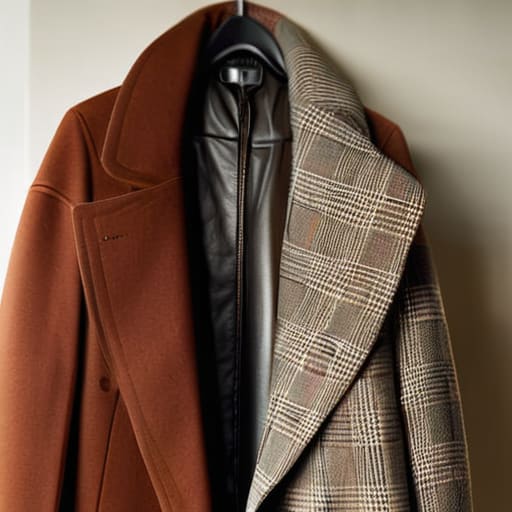
We’ve reached a point where “investment” has become a linguistic mask for basic consumerism. Marketing departments have hijacked the word to make you feel like a savvy financier rather than a person buying a sweater. They want you to believe that because a coat costs £400, it is automatically a long-term asset, but they rarely mention the resale value reality check that happens when you actually try to sell it two years later. If the lining is cheap polyester and the buttons are glued on, that coat isn’t an investment; it’s just a high-priced depreciating asset that will look tired by next season.
The real trick is that they sell you on the psychology of luxury spending—the idea that buying better means buying less—without actually giving you the specs to prove it. An actual investment is a garment with a high thread count, reinforced seams, and a silhouette that isn’t tied to a specific TikTok trend. If I can’t look at the fabric composition and the construction and tell you exactly how many years it will actually survive a Wednesday morning commute, then it’s not an investment. It’s just a very expensive way to participate in a cycle that was never designed to last.
Key Things to Know
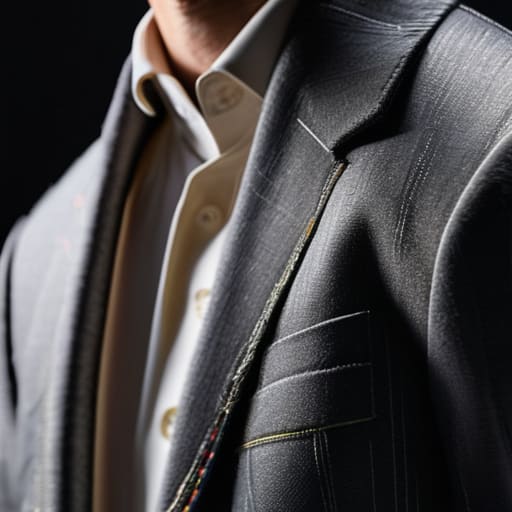
First, we need to talk about the difference between depreciating assets vs investments. If you buy a polyester-blend blazer for £300 because the brand name feels “important,” that money is gone the second you walk out the door. It has zero resale value, and it’ll look like a crumpled napkin by next season. A true investment is a garment with high-quality natural fibers—think heavy wool or thick linen—that maintains its structure and can actually be passed down or sold.
Second, stop falling for the marketing tactics for high-end goods that equate price with permanence. Luxury branding often uses “exclusivity” to distract you from poor construction. I’ve seen £800 trousers with single-stitch seams that would fall apart if you sat down too quickly. Before you tap your card, look at the inside. Check the seam allowance and the weight of the fabric. If the construction is flimsy, you aren’t investing; you are simply participating in a very expensive form of unconscious consumerism.
Practical Tips and Steps
First, stop looking at the brand name and start looking at the fiber content and the seam construction. If you’re standing in a boutique staring at a $400 polyester blend blouse, you aren’t making a smart move; you’re falling for marketing tactics for high-end goods. A real investment is a heavy-weight wool coat or a 100% cotton button-down that can actually handle a professional cleaning or a simple hem adjustment. Before you tap your card, ask yourself: if I take this to my tailor to fix the waist, will the fabric actually hold the tension, or will it just tear?
Next, do a quick resale value reality check before you commit to a “luxury” piece. Most people confuse the psychology of luxury spending with actual asset building. A designer bag might hold value, but a trendy, logo-heavy blazer is often just a depreciating asset that will be in a landfill in eighteen months. If you can’t see yourself wearing it on a rainy Wednesday three years from now, it isn’t an investment—it’s just expensive clutter.
Common Mistakes to Avoid
The biggest trap is falling for the “luxury halo” effect, where you assume a high price tag automatically equals longevity. Marketing tactics for high-end goods are designed to make you feel like you’re buying a piece of history, but if that designer silk blouse has zero seam allowance and the stitching is loose, it’s not an investment—it’s a depreciating asset. I’ve seen £400 trousers fall apart at the crotch after three wears because the fabric was too thin for the construction. That isn’t smart spending; it’s just expensive fragility.
Another mistake is ignoring the “alteration math.” People often buy something “investment grade” that fits poorly, thinking they can just fix it later. But if you buy a heavy wool coat that’s too big in the shoulders, a tailor might charge you more than the coat was worth just to restructure it. You need to distinguish between consumerism vs investing by looking at the actual utility. If the cost of making the garment actually fit your body pushes the total price into the stratosphere, you haven’t bought a staple; you’ve just bought an expensive hobby.
Final Thoughts
At the end of the day, your wardrobe shouldn’t feel like a series of bad financial decisions. We need to stop falling for the marketing tactics for high-end goods that suggest a higher price tag automatically equals a better lifecycle. If you’re buying a polyester-blend blazer just because the brand name is prestigious, you aren’t building a collection; you are just participating in a very expensive cycle of depreciating assets.
Real style is about the math of longevity. It’s knowing that a mid-range wool trouser, once taken in at the waist by a decent tailor for twenty quid, will outlast a “luxury” silk slip dress that loses its shape after two wears. When you look at your closet, stop asking if it looks expensive and start asking if it’s actually worth the cost per wear. If you can’t see the path from the shop to the tailor to the five-year mark, it isn’t an investment—it’s just a receipt you’ll eventually regret.
The Real Math: How to Spot a Fake 'Investment'
- Stop looking at the brand name and start looking at the fiber content; if that “investment” blazer is 100% polyester, it’s not a long-term asset, it’s a plastic garment that will pill and trap heat until you want to peel it off your skin.
- Check the seam allowance before you tap your card; if the seams are finished with a cheap overlock that barely covers the edge, there is zero room for a tailor to let it out if your body changes, making it a dead-end purchase.
- Run the cost-per-wear math against the alteration budget; a £200 wool skirt is only an investment if it fits your hips, so if you have to spend another £40 getting it taken in, that’s a £240 skirt—calculate that before you call it “smart shopping.”
- Beware of “trend-adjacent” luxury; if a piece is high-end but follows a hyper-specific silhouette that will look dated by next October, you aren’t buying an investment, you’re just paying a premium to look like a time capsule.
- Test the weight and the drape; real investment pieces—the ones that actually survive a decade—usually have a certain structural integrity in the fabric that doesn’t vanish the moment you hang them up or sit down.
The "Investment" Trap
Stop letting a luxury label trick you into thinking a garment is an ‘investment’ just because the price tag is high; an actual investment is a piece with enough seam allowance to be tailored, fabric that won’t pill after three wears, and a construction that justifies the math of its cost-per-wear.
Neve Okonkwo-Barr
The Bottom Line
At the end of the day, stop letting marketing departments do your math for you. An “investment” isn’t a piece of clothing just because it has a high entry price or a minimalist aesthetic; it’s a piece that survives the reality of your life. If the fabric pills after three wears, if the seams are held together by prayers instead of sturdy stitching, or if the fit is so rigid you can’t actually sit down in it, you haven’t bought an asset—you’ve just bought an expensive mistake. Real value lives in the intersection of fabric durability, repairability, and how much you actually use it on a random Tuesday. If you can’t see a path to wearing it fifty times, it’s not an investment; it’s just clutter with a better PR team.
My hope is that you start looking at your wardrobe through a lens of utility rather than status. You don’t need a closet full of “investment pieces” that you’re too afraid to live in; you need a collection of clothes that actually work for the person you are. Build your style around things that can be tailored, things that can be mended, and things that feel like they belong to you. When you stop chasing the label and start respecting the construction, you realize that true style isn’t about how much you spent, but how much you’ve made that money actually last.
Frequently Asked Questions
If a piece is high-quality but doesn't fit me perfectly, is it still a bad investment if I have to pay a tailor to fix it?
Absolutely not. In fact, that’s usually the smartest way to shop. If the fabric is heavy, the seams are reinforced, and the pattern matches at the joins, you’ve already won the hardest part of the battle. A £15 hem or a £30 waist nip is a small price to pay to turn a “good” garment into one that actually looks like it was made for you. If the math works, buy it.
How can I tell if a fabric is actually durable or if the brand is just using "premium" marketing to hide cheap construction?
Stop reading the tag and start touching the fabric. “Premium” is a marketing word; “density” is a reality. Grab the cloth and give it a gentle tug; if the weave shifts or gaps visibly, it’s flimsy, no matter the price. Check the seams, too. If the stitching is thin or the tension looks uneven, that “luxury” item will unravel by Tuesday. Look for weight and tight weaves—if it feels like paper, it’s just expensive paper.
At what point does the cost of alterations actually outweigh the savings of buying a cheaper, second-hand item?
It’s a math problem, not a vibe. If you find a £10 vintage blazer but the shoulders are too wide, walk away. You can’t fix shoulder construction without rebuilding the whole garment, and that’ll cost you £40 plus the blazer. If the alteration cost is more than 50% of what a decent, well-fitting new version would cost, you aren’t “saving” money—you’re just paying for a very expensive lesson in fabric geometry.
