I spent two years in a cramped basement studio pinning hems for a bridal shop, and if there’s one thing I learned, it’s that people are being lied to about what makes a “good” pair of jeans. Most fashion magazines will give you a complete guide to denim that focuses entirely on the latest silhouette or a specific brand name, but they never mention the actual construction. They want you to believe that if the price tag is high enough, the fit will magically solve itself. It won’t. I’ve seen $400 designer denim that falls apart after three washes because the cotton weight is pathetic, and I’ve seen thrifted vintage pairs that look better than anything in a luxury boutique because the seam allowance was actually built to last.
I’m not here to sell you on a trend or tell you that you need a new wardrobe every season. My promise is much simpler: I’m going to show you how to read a fabric composition label like a pro, which rises and falls in the wash, and exactly what a tailor can—and cannot—do to make a cheap pair look expensive. This is the math of denim, minus the marketing fluff.
Understanding Complete Guide to Denim
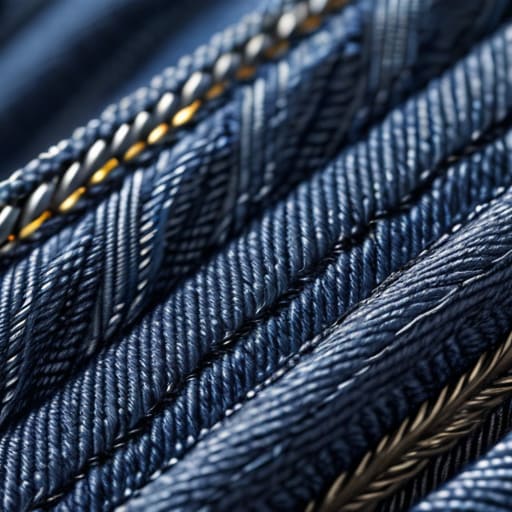
Before you even look at the price tag, you need to understand what you’re actually holding in your hands. Most people think denim is just denim, but the real magic—and the real cost—is in the denim fabric construction. You’re looking at a twill weave, usually a right-hand twill, which gives it that diagonal ribbing we all recognize. But there is a massive divide between the mass-market stuff that loses its shape after three washes and the heavy-duty stuff that feels like wearing a cardboard box.
The biggest fork in the road is deciding between raw denim vs washed denim. If you go raw, you’re buying a blank canvas; it’s stiff, unwashed, and undergoes a unique indigo dyeing process that allows the fabric to break down specifically to your body. This is how you get those personal denim fade patterns that make a pair of jeans look like they were molded to your legs. If you want comfort from day one, go pre-washed. Just know that once that factory softening happens, you’ve lost the ability to “grow” into the garment.
Key Things to Know
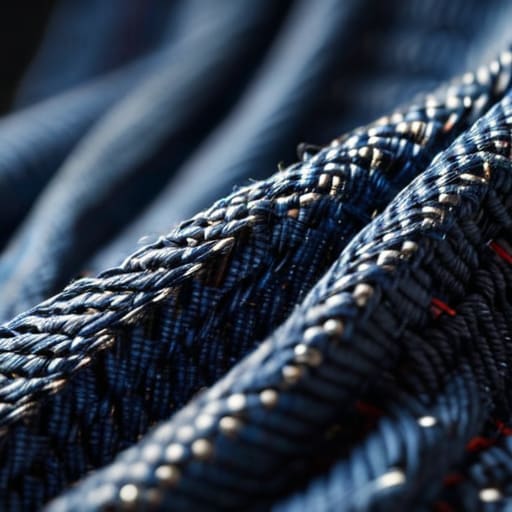
First, stop looking at the price tag and start looking at the weight and the weave. Most people think “denim” is just one thing, but the denim fabric construction is what actually determines if those jeans will be in your rotation in six months or in a landfill by June. You need to check the grain; if the fabric feels flimsy or looks unevenly thin, it’s going to lose its shape the moment you sit down. I always tell my clients to feel for density. A heavier weight might feel stiff at first, but it holds the structure that makes a silhouette look intentional rather than accidental.
Then, you have to decide if you’re playing the long game with raw denim vs washed denim. If you buy pre-washed, you’re buying comfort and a finished look right out of the box, which is fine for a Tuesday morning when you have zero patience. But if you go raw, you’re essentially buying a blank canvas. It’s a commitment to the indigo dyeing process and the way those blues eventually break down into your own personal denim fade patterns. It’s more work, but it’s the only way to own something that actually belongs to your body.
Practical Tips and Steps
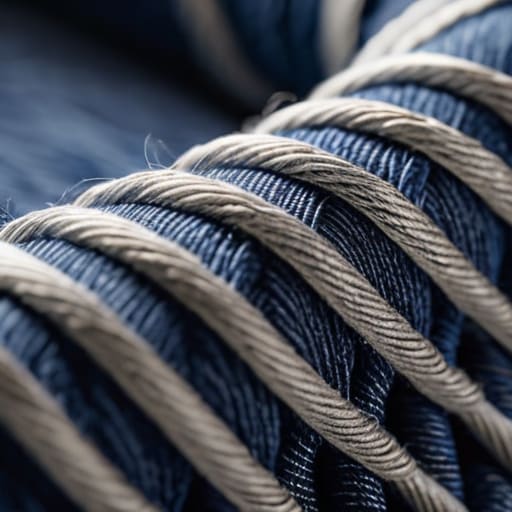
First, stop buying jeans based on how they look on a mannequin that doesn’t have hips or a digestive system. When you’re in the fitting room, check the denim fabric construction by looking at the weight and the tightness of the weave. If the fabric feels thin and overly stretchy, it’s likely going to lose its shape by lunchtime, and no amount of tailoring can fix a saggy seat. If you want longevity, look for a higher percentage of cotton and less elastane; it’s harder to break in, but it actually holds its structure.
Next, decide if you’re actually prepared for the commitment of raw denim vs washed denim. If you go raw, you’re signing up for a period of stiffness and unique denim fade patterns that are entirely personal to how you move. If that sounds like a chore rather than a hobby, stick to pre-washed. Finally, learn how to care for denim without killing it: stop washing them every week. Heat is the enemy of fit. Wash them in cold water, air dry them, and for heaven’s sake, stop using the dryer if you want them to last longer than a season.
Common Mistakes to Avoid
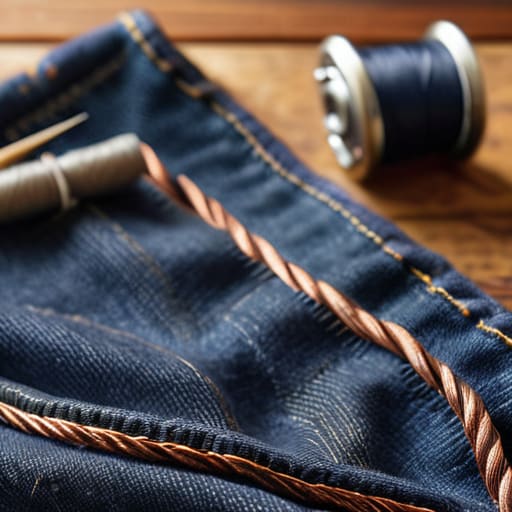
The biggest mistake I see is people buying into the “pre-distressed” lie. Brands will charge you a premium for jeans that have been chemically blasted or sandpapered to look lived-in, but all you’re actually paying for is a weakened fabric structure. When you buy jeans that are already shredded at the thighs, you’re essentially buying a garment that’s halfway to the bin. If you want those beautiful, unique denim fade patterns that tell a story about your actual life, you have to earn them. Buy something sturdy and let the wear happen naturally.
Another trap is ignoring the math of the fabric itself. I see so many people panic-buying “stretch” denim because it feels comfortable in the dressing room, only to realize three months later that the elastane has gone limp and the knees are bagging out permanently. If you want longevity, look at the denim fabric construction—specifically the weight and the percentage of cotton. High-stretch blends are fine for a quick Tuesday errand, but if you want a pair that actually holds its shape through a hundred washes, stop chasing the comfort of polyester and start looking at the weave.
Final Thoughts
Look, at the end of the day, stop treating denim like a disposable commodity. Most people treat jeans like a T-shirt—buy them, wear them out, bin them. But if you actually pay attention to the denim fabric construction and the weight of the material, you’ll realize you aren’t just buying pants; you’re buying a foundation. Whether you end up choosing the stiff, predictable life of raw denim vs washed denim, the goal is the same: find the pair that actually respects your proportions.
Don’t let the marketing jargon intimidate you. You don’t need a massive budget to look put-together; you just need to understand that a $40 pair of jeans with a perfect waist and a $15 hem adjustment will always look more expensive than a $300 designer pair that sags in the wrong places. Learn how to care for denim—stop drowning them in hot water and harsh detergents—and let them age with you. Style isn’t about having the newest drop; it’s about having the clothes that actually fit your life on a random Tuesday.
The Real-World Denim Checklist: What to Look For Before You Pay
- Check the fabric composition, not the brand name; if it’s more than 2% elastane, those jeans are basically leggings in disguise and will lose their shape (and your silhouette) by lunchtime.
- Run your hand over the fabric to feel the weight—if it feels paper-thin in the shop, it’s going to blow out at the inner thigh within six months, no matter how much you paid.
- Inspect the rise against your actual torso, not a model’s; a “high rise” that sits an inch too low is just a mid-rise that will constantly slide down every time you sit in a car or at a desk.
- Look at the stitching and the pocket lining; if the denim is heavy but the internal pockets are made of flimsy, single-layer scrap fabric, the whole garment is going to warp and pull unevenly.
- Budget for a hem immediately; most off-the-rack denim is cut for a generic height, so factor in an extra £15 to a tailor to get that length right so you aren’t tripping over your own feet.
The Real Cost of Denim
Stop looking at the price tag to tell you if a pair of jeans is ‘quality.’ Look at the weight of the denim, the way the seams hold a tension, and whether the brand expects you to buy a new pair every six months because they used 2% elastane that’s going to bag out by lunchtime. A $40 pair of vintage Levi’s with a slightly worn inseam and a £15 hem adjustment will outlast and outwear a $200 pair of ‘designer’ stretch jeans every single time.
Neve Okonkwo-Barr
The Bottom Line on Your Denim
At the end of the day, finding the perfect pair of jeans isn’t about chasing the latest silhouette or falling for a brand’s “premium” marketing. It’s about understanding the weight of the denim, checking the composition for a bit of stretch if you actually need it, and—most importantly—looking at the construction of the seams. If you can find a pair with a decent fabric weight that fits your hips but gaps at the waist, don’t walk away just because they aren’t perfect off the rack. Take them to a tailor. Spending twenty quid to take in a waist or shorten a hem is the difference between a pair of jeans that sits in your drawer and a pair that becomes your daily uniform.
Stop treating your wardrobe like a collection of disposable items and start treating it like a toolkit for your actual life. You don’t need a mountain of denim to look put-together; you just need three or four pairs that actually respect your shape and survive a heavy wash cycle. Style isn’t something you buy; it’s something you refine through better fit. So, next time you’re standing in a changing room feeling like the clothes are the problem, remember that the fabric is just raw material. With a little bit of math and a steady sewing machine, you can make almost anything work for a Wednesday, a wedding, or whatever else life throws at you.
Frequently Asked Questions
I found a pair of vintage Levi's at a charity shop that fit perfectly in the waist but are way too long; is it actually worth paying a tailor to hem them, or will it ruin the original wash?
If the waist fits, you’re already halfway there. Most people waste money on “perfect” jeans that need a waist nip, which is a nightmare. For these, ask your tailor about an “original hem” or “euro hem.” It costs about £15–£25 extra, but they cut the bottom off, trim the excess, and sew that original distressed edge back on. It keeps the vintage character intact so they don’t look like they were butchered.
How can I tell if a pair of jeans is actually high-quality denim or just cheap cotton with too much elastane that's going to bag out by lunchtime?
Pull them apart. Seriously. If you grab the fabric and it stretches easily with almost zero resistance, run. That’s a high elastane count masquerading as comfort; it’ll bag out at your knees by lunchtime. You want weight and “snap.” Real denim should feel substantial, not like yoga pants. Look for a tight weave and a bit of grit. If it feels more like a t-shirt than a trouser, it’s not going to last a season.
If I buy jeans that are a bit too tight in the thighs, can a seamstress actually let them out, or am I stuck with that fit forever?
It depends entirely on the seam allowance. Flip them inside out and look at the fabric running along the inner leg seam. If there’s a generous strip of extra fabric tucked inside, a tailor can let them out. If they’re stitched close to the edge, you’re stuck. Don’t buy them hoping for a miracle; it’ll cost you more in labor than the jeans are worth, and you’ll end up with weirdly shaped side seams.
