I spent three years in a basement studio pinning hems for brides who had spent more on their veils than their entire wardrobes, and if there is one thing I learned, it’s that most people treat accessories like an afterthought when they should be treating them like engineering. I see it all the time: someone buys a gorgeous pair of high-waisted linen trousers, only to ruin the entire silhouette with a massive, logo-heavy designer belt that’s too wide for the loops or too stiff to actually hold the fabric. If you’re staring at a rack of leather straps wondering how to choose a belt for trousers that won’t make you look like you’re wearing a costume, stop looking at the brand name and start looking at the width.
I’m not here to sell you a “must-have” seasonal trend or convince you that you need a gold buckle to look expensive. Instead, I’m going to give you the actual maths of it: how to match leather weight to fabric drape, why the loop width is your only true North Star, and how to spot a cheap, cracking synthetic before you waste your money. We’re going to build a toolkit for your waist that actually works on a Tuesday morning.
Understanding How to Choose a Belt for Trousers
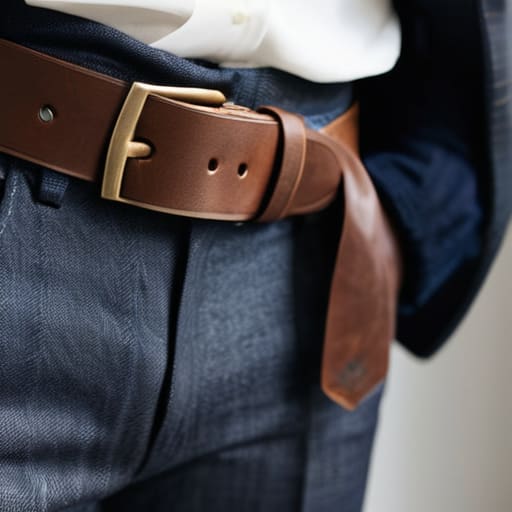
First, stop treating a belt like a piece of jewelry meant to show off a logo. A belt is a structural tool; its primary job is to keep your trousers where they belong without distorting the silhouette of the fabric. If you’re wearing heavy denim, a thin, flimsy strap is going to buckle and look ridiculous under the tension. You need weight to match weight. On the flip side, if you’re in lightweight wool trousers, a massive, chunky work belt will pull the waistband down and create those annoying little fabric bunches that make you look like you’re wearing a diaper.
You also need to understand the fundamental divide between a dress belt vs casual belt. A formal dress belt is usually slimmer, has a smoother finish, and features a more understated buckle that won’t distract from a sharp suit. A casual belt can be wider and more textured, but it still needs to respect the trouser loop size. If your belt is too thick to slide through the loops, you’re just fighting your clothes all day. And please, for the love of everything, stop worrying about perfectly matching your belt with your shoes—as long as the tones are in the same family, you’re fine.
Key Things to Know
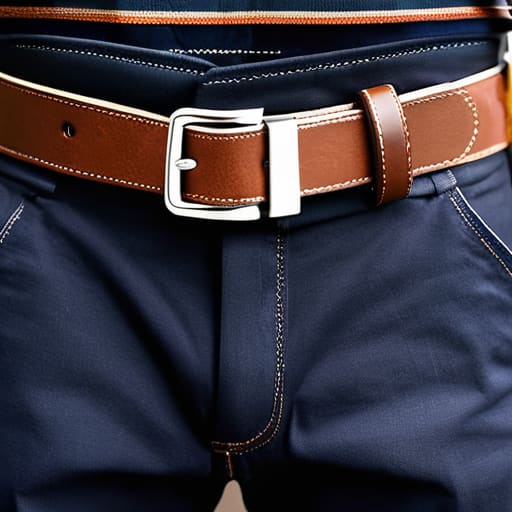
First, let’s talk about the math of the loop. I see people all the time trying to force a thick, heavy-duty work belt through slim-cut chinos, and it looks ridiculous. It bunches the fabric and ruins the silhouette you actually paid for. You need to respect the trouser loop size guide—which is really just common sense: if the belt is too thick, it’ll strain the stitching; if it’s too flimsy, it’ll slide around like a wet noodle.
Then there is the constant confusion between a dress belt vs casual belt. If you are wearing formal trousers with a crisp crease, a chunky, distressed leather strap is going to look like a mistake, not a “choice.” You want something sleek with understated belt buckle styles that don’t scream for attention. On the flip side, don’t go overboard with a shiny, thin strap on denim. It’s not about following a rulebook; it’s about matching the weight of the leather to the weight of the fabric. If the fabric can support the belt, you’re halfway there.
Practical Tips and Steps
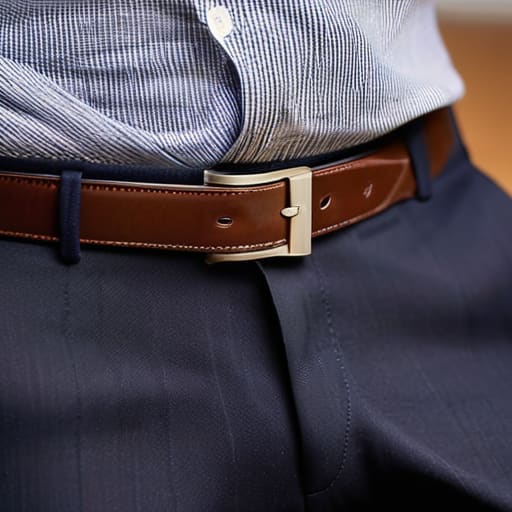
First, stop trying to force a thick, chunky western belt through the loops of your slim-cut chinos. It’s not a “look”; it’s just a way to ruin the silhouette of your trousers. You need to check your trouser loop size guide—or just use your eyes—to ensure the leather width actually fits the fabric. If you’re wearing something lightweight like linen or fine wool, a heavy, wide belt will pull the waistband down and create those annoying little fabric bunches that make you look like you’re wearing a diaper.
When it comes to the actual vibe, you have to understand the difference between a dress belt vs casual belt. If you’re heading to a wedding or a big meeting, you want a slim, polished leather strap with a subtle buckle. If you’re just heading to a pub, a textured or matte leather works fine. And please, for the love of everything, stop obsessing over whether your belt perfectly matches your shoes. You don’t need an identical shade of mahogany; you just need them to be in the same family of tones so they don’t fight each other for attention.
Common Mistakes to Avoid
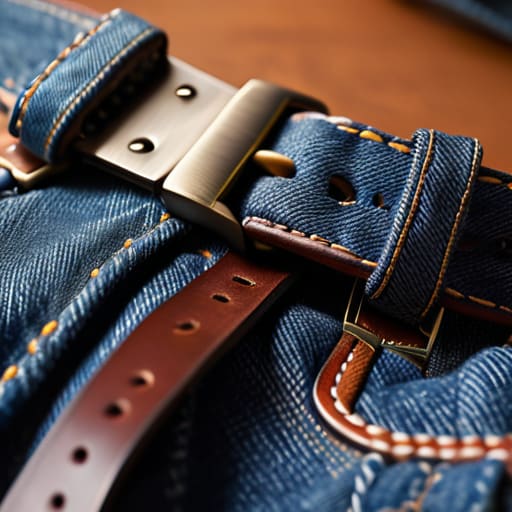
The biggest mistake I see is people treating a belt like an afterthought rather than a structural component. If you’re wearing heavy denim or thick chinos, don’t try to force a slim, delicate dress belt through those loops. You’ll end up with a belt that’s permanently creased or, worse, a buckle that’s constantly slipping. You need to respect the trouser loop size guide that exists in your own head: wide loops need substance. A flimsy strap looks like a mistake, not a choice.
Then there’s the “matching” trap. People think they need to spend a fortune to achieve the perfect matching belt with shoes, but they often go overboard. You don’t need a mirror image; you just need to stay in the same family. If you have chocolate brown suede boots, don’t reach for a high-shine black patent leather strap. It creates a visual clash that makes the whole outfit look disjointed.
Lastly, stop buying “investment” belts that are actually just cheap bonded leather with a heavy metal buckle. If the leather is too stiff, it won’t contour to your hips, and you’ll spend the whole day tugging at it. Cheap materials fail at the stress points, and no amount of styling can fix a belt that’s already peeling by month three.
Final Thoughts
Look, at the end of the day, a belt isn’t a centerpiece; it’s the structural glue that keeps your outfit from looking like a pile of laundry. If you’ve spent any time staring at a rack of options, just remember that the goal isn’t to find the “trendiest” piece, but the one that actually functions with what you already own. Whether you are navigating the subtle differences between a dress belt vs casual belt or just trying to figure out if a buckle is too chunky for your waistline, keep it simple.
Stop overthinking the “rules” and start looking at the hardware and the hide. If you are investing in quality, pay attention to the integrity of the leather—if it feels like plastic, it’s going to crack by next season, and no amount of styling will save a peeling strap. Once you master the basics of matching belt with shoes and respect your trouser loop size, you’ll stop treating belts as an afterthought and start seeing them as the tool they are. Build a wardrobe that works for your real life, not a mannequin’s.
5 Rules for Not Wasting Money on a Belt
- Match your loop width, not just your vibe. There is nothing more annoying than a beautiful, thick leather belt that refuses to slide through your trouser loops because the designer thought “statement” was more important than “functionality.” If it doesn’t fit the loop, it’s just a piece of scrap leather.
- Check the leather weight against your fabric. If you’re wearing lightweight summer linen, a heavy, chunky work belt is going to pull the waistband down and create this weird, sagging silhouette that looks messy. Conversely, a flimsy belt on heavy denim looks like an afterthought. Match the “heft” of the belt to the weight of the trouser.
- Don’t get seduced by the “designer” buckle. A massive, gold-plated logo buckle is usually a sign of poor construction. It’s heavy, it’ll pull your trousers forward, and it screams that you bought it for the brand rather than the build. A solid, understated brass or steel buckle will last ten years; a cheap alloy one will flake and turn green in six months.
- The “Extra Hole” Math. When buying, don’t just look at the size on the tag; look at where the buckle sits. You ideally want the belt to fasten in the middle hole. If you’re buying a belt that only works on the very last hole, you’ve left yourself zero room for when your trousers sit differently or you’ve had a big lunch. It’s a tight fit that offers no flexibility.
- Look at the stitching, not the shine. A belt can look expensive because it’s polished to a high gloss, but if the stitching is uneven or looks like it’s struggling to hold the leather layers together, it’s going to snap at the first stress point. I’d rather have a matte, slightly rugged belt with reinforced stitching than a shiny one that falls apart by next season.
The Math of the Loop
Stop treating a belt like a piece of jewelry and start treating it like a structural component; if you’re buying a designer leather strap that’s too thin for your heavy denim or too wide for your trouser loops, you haven’t bought an accessory, you’ve just bought a very expensive way to ruin your silhouette.
Neve Okonkwo-Barr
The Bottom Line
At the end of the day, choosing a belt isn’t about chasing a logo or buying the most expensive leather you can find in a window display. It is about the math of your wardrobe: does the width actually fit your loops, does the weight of the leather hold up your trousers without sagging, and does the color actually work with your existing rotation? If you stop treating belts like accessories and start treating them like functional hardware, you’ll stop wasting money on pieces that end up sitting at the bottom of a drawer. Remember, a cheap, well-matched belt that actually fits your waist is infinitely better than a designer strap that makes your trousers look like they’re sliding off your hips.
Please, stop letting marketing convince you that you need a new belt every time a trend shifts. Most of the time, you don’t need a new purchase; you just need to look closer at what you already own or find a local tailor who can help you adjust a piece to make it feel custom. Style isn’t about how much you can spend to hide a bad fit—it’s about having the confidence to wear what works for your actual life, on a Tuesday, a Wednesday, or a Saturday. Build a kit that lasts, focus on the construction, and stop buying junk.
Frequently Asked Questions
If my trousers have those tiny, narrow loops, can I actually wear a standard belt or am I just going to ruin the silhouette?
No, don’t do it. If those loops are narrow, a standard belt is going to bunch the fabric and ruin the line of your trousers—it’ll look messy, not intentional. You’ll end up with those annoying little lumps around your waist that make even expensive tailoring look cheap. Look for a slim belt, ideally under 2.5cm, or just skip the belt entirely. If the trousers fit right, you don’t need to fight the silhouette.
Is it worth paying a tailor to add extra holes to a high-quality leather belt, or should I just buy a smaller size?
If it’s high-quality leather, absolutely pay the tailor. Buying a smaller size is a gamble; you might get the length right but end up with a different buckle weight or a leather grain that doesn’t match your existing trousers. Adding a hole is a ten-minute job that costs about the same as a latte. It’s much better to have a bespoke-feeling fit than to throw away a good piece of leather just because the manufacturer’s sizing was off.
How can I tell if a belt is real leather or that cheap, plastic-coated stuff that’s going to crack and peel by next Tuesday?
Smell it. Real leather has a distinct, earthy scent; that “new car” or chemical smell usually means it’s just plastic (PU) sprayed over a fabric base. Next, look at the edges. If it’s a clean, raw edge, it’s likely real. If it has a painted, “sealed” edge that looks like it’s part of a single molded piece, run. Finally, check the grain. If the pattern is perfectly identical everywhere, it’s a print, not a hide.
