I spent two years in a basement studio pinning hems for a bridal shop, and if there’s one thing I learned, it’s that people treat a single drop of coffee like a death sentence for a garment. The internet is currently flooded with “miracle” cleaning products that cost more than the shirt you’re trying to save, and frankly, most of them are just expensive ways to ruin your fiber integrity. You don’t need a specialized chemical kit for every minor mishap; you need to understand how the fabric reacts to the liquid. If you’re frantically searching for how to remove common stains using whatever aggressive bleach is on sale, please stop—you’re likely about to turn a fixable spot into a permanent hole.
I’m not here to sell you a subscription to a boutique laundry detergent or tell you to panic-buy a specialized cleaner. Instead, I’m going to give you the actual, unfiltered physics of stain removal. We’re going to talk about which fabrics can handle a bit of salt and soda water, which ones require you to immediately call a professional, and how to salvage your clothes without spending a fortune. This is about protecting your wardrobe, not buying your way out of a spill.
Stop Panic Buying an Emergency Stain Removal Guide for Your Favorites
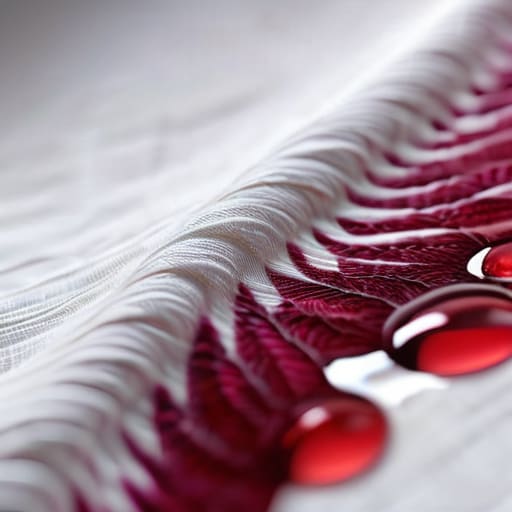
First, take a breath. That red wine splash on your linen shirt feels like a tragedy, but most decent fabrics can handle a quick intervention if you don’t go into full-blown panic mode. If you’re removing wine stains from clothes, the absolute golden rule is to blot, never rub. Rubbing just pushes the pigment deeper into the fibers, and once it’s lodged in the weave, even a professional will struggle to get it out without risking the fabric’s integrity. Keep a club soda handy; it’s one of those simple natural cleaning solutions for stains that actually works by diluting the liquid before it sets.
If you’ve managed to drop a bit of pasta sauce or salad dressing on your favorite trousers, you’re likely dealing with oil. The best way to treat grease stains isn’t a heavy-duty chemical soak, but a bit of honest dish soap. A tiny drop on the spot can break down the lipids without destroying the seam allowance or the finish. Just remember: if it’s silk or a delicate dry-clean-only blend, stop immediately. Don’t try to be a hero with home remedies on high-end weaves; just get it to a professional before you turn a small spot into a permanent bald patch.
The Math of Laundry Stain Removal Tips Versus Total Replacement
Let’s talk numbers, because this is where the “investment piece” lie usually falls apart. I see people freak out over a tiny oil spot on a £150 linen shirt and immediately decide the garment is “ruined,” heading straight to a website to replace it. But let’s do the math: a professional dry cleaner might charge you £15 to attempt the best way to treat grease stains, whereas a new shirt is £150 plus tax and shipping. Even if the cleaning fails, you’ve only lost the price of a lunch, not the cost of a new wardrobe staple.
The same logic applies to those “miracle” laundry stain removal tips you see on TikTok that promise instant results with harsh chemicals. If you use a caustic DIY concoction on a delicate silk blouse, you aren’t just cleaning it; you are potentially dissolving the fibers. That is how a £200 mistake happens. Using fabric safe cleaning methods—even if they take a little more patience—is almost always cheaper than replacing a structural piece. If you’re dealing with something high-stakes, like removing wine stains from clothes, the math favors a professional over a panicked, DIY experiment every single time.
How to Remove Common Stains Without Destroying the Fiber Integrity
The biggest mistake people make is treating a stain like an enemy to be conquered with brute force. If you grab a stiff brush and start scrubbing a delicate knit, you aren’t cleaning it; you’re felting the fibers and creating a permanent fuzzy patch that no amount of steaming will ever fix. Instead, think about the physics of the fabric. For something like a coffee spill on cotton, you want to blot—never rub—using a clean, white cloth. If you’re looking for natural cleaning solutions for stains, a gentle mixture of white vinegar and water works wonders on most stable weaves without stripping the dye, but please, check that care label first.
When it comes to the heavy hitters, like an oil spill on a blazer, you need to act before the grease settles into the core of the thread. The best way to treat grease stains is to apply a tiny bit of clear dish soap to the spot to break down the lipids, but you have to be careful with silk or high-end wools. For those, the risk of water spotting is often higher than the stain itself. In those cases, stop the DIY madness and take it to a dry cleaner. It might cost you ten pounds, but it’s cheaper than a new jacket.
Mastering Removing Wine Stains From Clothes and Other Liquid Disasters
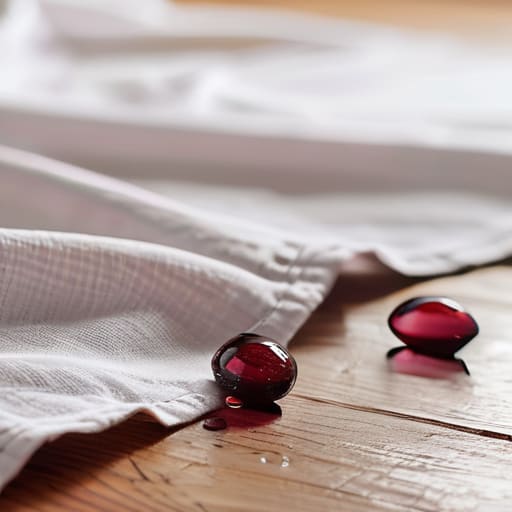
If you’ve just tipped a glass of Malbec onto a white linen shirt, your first instinct is probably to grab the salt shaker or, worse, a heavy-duty chemical spray. Stop. Salt is a myth that mostly just leaves gritty residue in the weave, and those harsh sprays can actually set a stain into synthetic fibers forever. When it comes to removing wine stains from clothes, the goal is dilution, not aggression. Blot—do not rub—with a clean cloth to lift the excess liquid. If you’re at a restaurant, a tiny bit of club soda can help, but the real magic happens when you get home with a bit of dish soap or a specialized enzyme cleaner that respects the fiber.
Liquid disasters aren’t always colorful, though. If you’ve dropped oily pasta sauce on a blazer, you’re dealing with a grease nightmare. The best way to treat grease stains without ruining the structure of a tailored piece is to apply a small amount of cornstarch or talcum powder to the spot. Let it sit for twenty minutes to pull the oil out of the threads before you even think about a washing machine. It’s much cheaper to spend ten minutes on a spot treatment than it is to pay a dry cleaner to try and salvage a ruined seam.
Finding the Best Way to Treat Grease Stains Using Natural Cleaning Solution
Grease is the absolute enemy of a good silhouette. Unlike a water-based spill, oil doesn’t just sit on the surface; it migrates into the fibers, and once it settles into a heavy knit or a structured cotton, it can make a garment look “tired” and lived-in in a way that no amount of steaming can fix. If you’ve just dropped a bit of salad dressing on your favorite trousers, don’t reach for the harsh chemical solvents that strip the dye. Instead, look toward natural cleaning solutions for stains that actually respect the textile.
The best way to treat grease stains without compromising the structural integrity of the piece is to use an absorbent powder first. I always tell my clients to grab some cornstarch or even talcum powder and let it sit on the spot for at least thirty minutes. It draws the oil out of the weave before you even touch it with water. If that doesn’t do the trick, a tiny drop of clear, grease-cutting dish soap—applied with a soft-bristled brush in circular motions—is your best friend. It’s a low-cost, high-reward method that beats a £50 dry cleaning bill every single time.
The "Don't Ruin Your Clothes" Cheat Sheet
- Stop the scrubbing immediately. If you see a stain, your first instinct is to scrub it like you’re cleaning a kitchen floor, but that just pushes the pigment deeper into the fiber and frays the surface. Blot—always blot—with a clean, white cloth. If you’re working on something delicate like silk or a high-twist wool, even blotting can be risky, so just get it to a dry cleaner before you turn a small spot into a permanent bald patch.
- Check the care label before you touch the chemicals. I see people dumping heavy-duty enzyme detergents on everything, but if you put a high-protein stain (like blood or dairy) on a garment treated with certain enzymes, you can actually “set” the stain or eat away at the fabric fibers. If the label says “Dry Clean Only,” that isn’t a suggestion; it’s a warning that the structural integrity of the piece can’t handle your DIY chemistry set.
- Temperature is a trap. We’ve been told hot water is the enemy of stains, and for many—like protein-based ones—that’s true because heat cooks the stain into the thread. But if you’re dealing with a wax or a heavy grease, cold water will just make it harder. Know your enemy: heat for oils, cool for organic matter, and lukewarm for almost everything else.
- Test your “natural” remedies on the inside seam first. People swear by lemon juice or vinegar, which is fine for a sturdy cotton tee, but if you drop lemon juice on a bright synthetic or a delicate silk and then hit it with sunlight to “bleach” the stain, you’ve just created a permanent sun-bleached patch. Always test a tiny, hidden area first to see if the color holds up.
- The “Is it worth it?” calculation. Before you spend twenty minutes wrestling with a stain, look at the garment. If it’s a cheap polyester blend from a fast-fashion haul that’s already pilling, let it go. If it’s that heavy-weight wool coat that actually fits your shoulders perfectly, spend the time (or the £15 at the cleaners) to save it. Don’t waste your energy trying to perform surgery on a garment that’s already past its expiration date.
## The cost of a panic scrub
“A stain is just a temporary chemical problem, but a ruined fiber is a permanent structural one. Before you grab that scrub brush and start attacking your favorite wool sweater like it owes you money, remember: you can always treat a spot, but you can’t un-thin a fabric that’s been scrubbed into oblivion.”
Neve Okonkwo-Barr
The Bottom Line
Look, at the end of the day, stain removal isn’t about magic potions or buying every “miracle” spray your local supermarket is shoving down your throat. It’s about understanding the difference between a polyester blend that can take a bit of a beating and a delicate silk that will disintegrate if you even look at it wrong. We’ve covered the basics: blot, don’t rub; treat grease with logic rather than aggression; and always, always check the care label before you go rogue with a cleaning solution. If you can master the art of spotting a stain before it sets and knowing when to call in a professional instead of DIY-ing your way into a ruined hemline, you’ve already won half the battle. It’s about protecting the structural integrity of what you already own, rather than treating every spill like a reason to go out and buy something new.
My grandmother used to say that a well-loved garment tells a story, but a ruined one just tells a tale of poor maintenance. I want your clothes to tell the story of your life, not the story of a spilled latte or a greasy dinner mishap. Stop viewing a stain as a death sentence for your favorite trousers and start seeing it as a manageable maintenance task. When you learn to care for your fibers, you stop being a victim of the trend cycle and start becoming a curator of a truly functional wardrobe. You don’t need a bigger closet; you just need to learn how to keep the one you have in one piece.
Frequently Asked Questions
If I’ve already tried a DIY method and the stain is still there, is it better to keep scrubbing or is the fabric already a lost cause?
Stop scrubbing immediately. Seriously. If you keep attacking that spot, you aren’t “cleaning” it anymore; you’re just mechanicaly destroying the fibers. Once you see a fuzzy patch or a change in the fabric’s sheen, you’ve moved from a stain problem to a structural one. At that point, the math changes. Put the brush down, let it dry, and take it to a professional. It’s cheaper to pay for a specialist than to replace the whole garment.
How do I know if a stain is actually permanent or if it’s just sitting on the surface of a high-quality natural fiber?
Look, don’t assume a shadow on your linen is a death sentence. High-quality natural fibers like silk, wool, or heavy cotton are porous—they breathe, which means they absorb. If the color looks “flat” and integrated into the weave, it’s likely deep in the fiber. If it looks like a film sitting on top, there’s hope. Blot it, don’t rub. If it doesn’t budge after a gentle soak, it’s likely chemically bonded.
Is it worth paying for professional dry cleaning for a minor stain, or am I just paying for the marketing of "luxury care"?
Look, if it’s a tiny coffee splash on a sturdy cotton poplin shirt, don’t waste the £15. You’re just paying for a fancy hanger and a branded bag. But if that stain is on silk, wool, or anything with a structured lining, stop. Trying to DIY a delicate fiber is how you end up with a permanent water ring or a puckered seam. In those cases, the dry cleaner isn’t “luxury”—they’re insurance for your clothes.
