I spent two years in a basement studio watching people panic-rub red wine into expensive linen, thinking that more scrubbing meant more cleaning. It doesn’t; it just means you’re permanently embedding the pigment into the fibers. The fashion industry loves to sell you “miracle” enzyme sprays in fancy packaging that cost twenty quid and do half the work of a bit of dish soap and some patience. Most of those “all-in-one” solutions are just marketing fluff designed to make you feel like you need a specialized chemistry kit for every minor spill. If you’re looking for a complete guide to stain removal that actually respects your bank account and your fabric’s integrity, you won’t find it in a glossy magazine ad.
I’m not here to give you a list of expensive products to hoard; I’m here to tell you how to actually save your clothes. We are going to look at the science of what can be rescued and what is a lost cause, focusing on fabric weight and seam strength. I’ll show you when to reach for the club soda and when to admit that a certain silk is a goner, so you can stop throwing money down the drain.
Understanding Complete Guide to Stain Removal
Before you grab the bleach, stop. I’ve spent too many hours in a basement studio looking at “ruined” garments that were actually just victims of a panicked person with a bottle of heavy-duty chemicals. To actually master this, you have to stop treating every spill like a catastrophe and start treating it like a chemistry problem. You need to understand the difference between a protein-based spill and a synthetic dye; if you treat a milk stain like an oil stain, you aren’t cleaning, you’re just setting the stain into the fibers forever.
The secret to removing organic stains from clothes without shredding the weave is knowing your textile limits. A heavy denim can handle a bit of scrubbing, but a delicate viscose will pill and tear if you’re too aggressive. I always tell my clients to look for fabric safe cleaning methods that prioritize the integrity of the seam and the weight of the cloth over immediate “whiteness.” We aren’t just trying to hide the spot; we are trying to prevent the kind of permanent discoloration that turns a perfectly good vintage blazer into a rag.
Key Things to Know
First things first: stop panic-scrubbing. I have seen more ruined fibers from a frantic person with a dish sponge than from the actual spill itself. When you’re removing organic stains from clothes—think coffee, sweat, or that accidental splash of pesto—the goal is to lift the pigment, not grind it into the weave. If you rub a delicate knit too hard, you aren’t just moving the stain; you’re felting the wool or fraying the cotton, and no amount of professional cleaning will fix a structural texture change.
You also need to get realistic about your toolkit. While everyone loves a DIY hack, you shouldn’t treat every garment like a test subject for best household cleaning agents. Vinegar and baking soda are great for some things, but they can be absolute nightmares for certain dyes. Before you go rogue, check the care label. If it says “Dry Clean Only,” that isn’t a suggestion—it’s a warning that the fabric lacks the structural integrity to survive your kitchen sink. Knowing which fabrics can handle a spot treatment versus which ones need a professional touch is the difference between a saved blouse and a very expensive rag.
Practical Tips and Steps
First things first: stop the panic-scrubbing. I’ve seen more ruined fibers from a frantic person with a wet paper towel than from the actual spill itself. When you’re removing organic stains from clothes—think coffee, grass, or that accidental smear of pesto—the goal is to lift the pigment, not grind it into the weave. If you’re dealing with something like a red splash on a nice linen shirt, don’t reach for the bleach. Instead, look for emergency stain removal techniques that involve blotting with club soda or a tiny bit of pH-neutral dish soap. You want to work from the outside of the spot toward the center to prevent that dreaded ring of discoloration.
If you’re looking for the best household cleaning agents, keep it simple. A bit of white vinegar or baking soda can work wonders, but you have to be smart about the textile. I always tell my clients: check the seam allowance and the fiber content before you try anything DIY. If it’s a delicate silk or a heavy wool, your “home remedy” might actually be more expensive than a professional cleaner if it ends up shrinking the garment or stripping the dye. Always test a tiny, hidden patch first.
Common Mistakes to Avoid
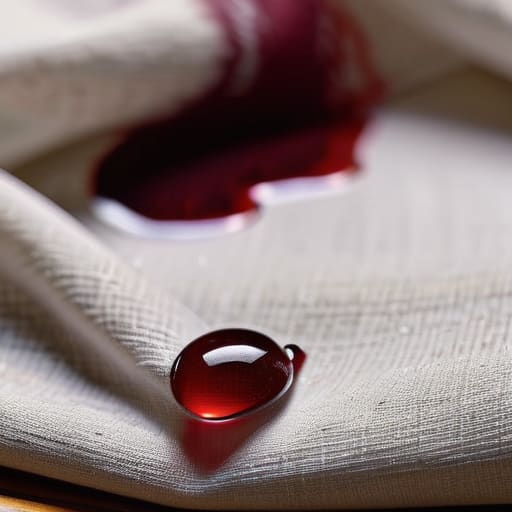
The biggest mistake I see? People treat a stain like a battle to be won with brute force. If you see a splash of red on a nice linen shirt, your instinct is to scrub it like you’re cleaning a kitchen floor. Stop. Scrubbing just drives the pigment deeper into the fibers and can actually fray the weave, making the damage permanent. Instead, think of emergency stain removal techniques as a game of patience. Blot, don’t rub. If you’re removing organic stains from clothes—like sweat or food—the goal is to lift the substance out, not mash it into the fabric.
Another massive blunder is the “heat trap.” I cannot stress this enough: stop putting stained clothes straight into the dryer. High heat is the enemy; it effectively bakes the stain into the molecular structure of the fiber. Even if you think you’ve gotten it out, that tumble dryer might just seal it there forever. Always check the garment in natural light after washing to ensure the spot is truly gone before you even think about applying heat. If you aren’t sure, wait until it’s dry to judge the success.
Final Thoughts
Look, at the end of the day, a stain isn’t a death sentence for your clothes; it’s just a math problem involving chemistry and timing. Most people panic and reach for the harshest bleach they can find, which is the fastest way to turn a minor mishap into a permanent disaster. Instead of treating every spill like a crisis, try to stay calm and remember that preventing permanent discoloration is much easier than trying to reverse it once the fibers have been cooked by heat or aggressive chemicals.
If you’ve mastered the basics of removing organic stains from clothes, you’re already ahead of 90% of the people I see in my studio. Just remember: always check the care label first, and if you’re ever in doubt about whether a specific fabric safe cleaning method will ruin a delicate seam, ask a professional. It’s much cheaper to pay a dry cleaner twenty quid to save a vintage blazer than it is to replace it because you tried to be a DIY hero with a bottle of dish soap. Keep your wits about you, and your wardrobe will actually last.
Five Rules for Saving Your Clothes (Before You Reach for the Bleach)
- Stop the “scrubbing” reflex immediately. When you see a mark, your instinct is to attack it with a brush, but all you’re doing is fraying the fibers and pushing the pigment deeper into the weave. Blot, don’t rub. If you’re working on a delicate silk or a fine knit, rubbing is a one-way ticket to a permanent fuzzy patch that no tailor can fix.
- Check the care label before you even touch the stain. I’ve seen people try to use heavy-duty enzyme cleaners on wool or silk, which is basically like trying to wash a kitten with industrial degreaser. If it says “Dry Clean Only,” don’t play chemist in your kitchen. You’ll end up with a permanent water ring that costs more to fix than the garment was worth.
- Test your “cure” on a hidden seam first. Whether you’re trying salt on a wine spill or vinegar on a sweat mark, do it on the inside of the hem or a tiny bit of the seam allowance. I don’t care how much you love that vintage blazer; if your DIY solution bleaches the dye out of the fabric, you’ve just turned a salvageable piece into landfill.
- Temperature is a math problem, not a guessing game. Heat sets stains. If you hit a protein-based stain—like blood, milk, or egg—with hot water, you aren’t cleaning it; you are effectively cooking the stain into the fibers. Always start with cool water. Heat is for the final wash once you’re sure the mark is actually gone.
- Know when to fold and walk to the dry cleaner. There is a difference between a smudge of dirt and a complex chemical reaction. If you’re dealing with oil-based stains on high-quality synthetics or something that has already sat for three days, stop experimenting. A professional cleaning might cost £15, but it’s cheaper than replacing a £200 coat because you tried to be a hero with dish soap.
The Real Cost of a Spill
“Stop treating a stain like a death sentence for your clothes. Most of the time, you aren’t looking at a ruined garment; you’re just looking at a fabric that needs a specific intervention. Before you bin that linen shirt because of a wine splash, remember: the difference between a permanent mark and a quick fix is usually just knowing whether you’re fighting the pigment or the fiber.”
Neve Okonkwo-Barr
The Bottom Line on Spills
Look, at the end of the day, stain removal isn’t about magic potions or those overpriced “miracle” sprays that promise to save your life but mostly just eat through your fibers. It’s about reading the care label before you do anything else and knowing the difference between a protein stain and an oil one. We’ve covered the basics: blot, don’t rub; test a hidden seam first; and for the love of all things holy, stop using hot water on a fresh blood or dairy stain unless you want to set it in stone forever. If you can identify the fabric weight and the chemical nature of the mess, you’ve already won half the battle. Most of the time, a bit of patience and the right pH-balanced approach is all it takes to stop a disaster from becoming a permanent part of your wardrobe.
My grandmother used to say that a well-loved garment is one that has survived a life lived, but I think we can do better than just letting things rot in the back of the closet. Don’t let a single coffee splash or a smudge of sauce convince you that a perfectly good jacket is “done.” Most clothes are much tougher than the marketing suggests, provided you treat the fabric with a little respect. Saving a piece of clothing isn’t just about saving money—though, let’s be honest, a £15 professional cleaning is always better than a £150 replacement—it’s about breaking the cycle of “buy, spill, discard.” Fix the stain, keep the clothes, and wear them on a Wednesday like you mean it.
Frequently Asked Questions
Is it actually worth paying for professional dry cleaning for a small spot, or am I just paying for the brand name?
Look, if it’s a tiny coffee splash on a cotton tee, don’t bother—you’re just paying for their overhead. But if it’s an oil spot on a structured wool blazer or a wine bloom on silk, take it in. I’ve seen people try to “DIY” expensive fabrics only to end up with a permanent ring that costs more to fix than the cleaning itself. If the fabric is delicate, pay the pro. If it’s sturdy, save your money.
How can I tell if a stain has already permanently altered the fabric fibers before I try to treat it?
Look at the light. Hold the fabric up to a window and check the weave. If the stain is just sitting on top, the fibers are intact. But if the area looks thin, fuzzy, or has a different sheen than the surrounding cloth, the chemical or heat has already eaten the structural integrity. If the “stain” is actually a patch of structural damage, no amount of scrubbing will fix it—you’re looking at a repair job, not a cleaning one.
Which cheap household cleaners are actually going to eat through my clothes versus which ones actually work?
Look, don’t go grabbing the heavy-duty bleach just because a spot looks stubborn; you’ll strip the dye and ruin the fiber before you even hit the stain. White vinegar is your best friend for odors and salt, and dish soap is a miracle for grease—just use the clear stuff so you don’t leave a residue. Avoid anything with “extra whitening” or harsh abrasives unless you’re washing heavy-duty cottons. If it’s silk or wool, leave the chemicals alone.
