I spent two years in a basement studio pinning hems for a bridal shop, and if there is one thing I learned, it’s that “luxury” is often just a polite word for “fragile.” I see people dropping three hundred pounds on a “designer” sweater only to have it pill into a fuzzy mess before their first pay cycle is even over. Marketing teams want you to think high price equals high performance, but they aren’t telling you how wool behaves and why it lasts compared to those glorified plastic blends. A synthetic blend might feel soft in the shop, but it’s basically a ticking time bomb of static and shape-loss; real wool is a structural powerhouse that actually knows how to breathe.
I’m not here to sell you on a lifestyle or tell you to go buy a new wardrobe. I’m here to show you the math behind the fabric. I’ll be breaking down exactly how to spot a high-twist weave that won’t sag, why certain weights are worth the extra twenty quid for a tailor to nip in, and how to tell if a coat is actually built to survive a rainy Wednesday. This isn’t about chasing trends; it’s about buying things that actually work.
Understanding How Wool Behaves and Why It Lasts
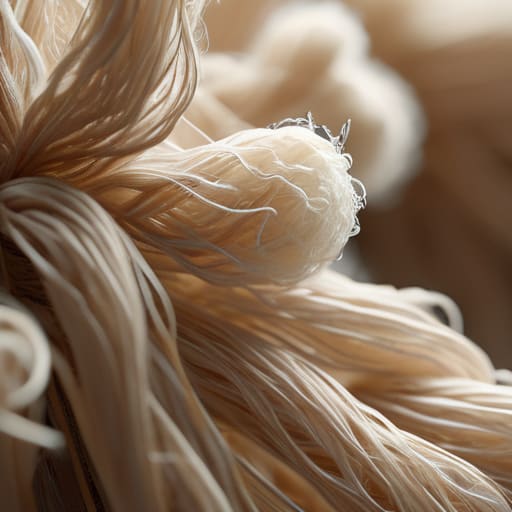
To understand why wool behaves the way it does, you have to stop looking at it as just “fabric” and start looking at it as a structural material. Unlike a polyester blend that essentially acts like a plastic sheet against your skin, wool is a complex protein fiber. It has this incredible wool fiber elasticity and resilience that allows the garment to bounce back. When you sit down in a wool skirt or trousers, the fibers stretch to accommodate your body and then actually spring back into shape rather than leaving you with permanent “sitting bags” at the hips by lunchtime.
The magic is really in the microscopic level. Because it’s a natural fiber, it offers built-in natural fiber moisture wicking, meaning it pulls sweat away from your skin and lets it evaporate. This is why a wool sweater doesn’t feel like a damp sponge after a long commute. You’ll also notice a massive difference between merino and worsted wool; merino is that soft, fine stuff great for base layers, while worsted is combed to be smoother and more durable for structured blazers. It’s not just about feeling expensive; it’s about how the physics of the fiber actually supports your daily life.
Key Things to Know
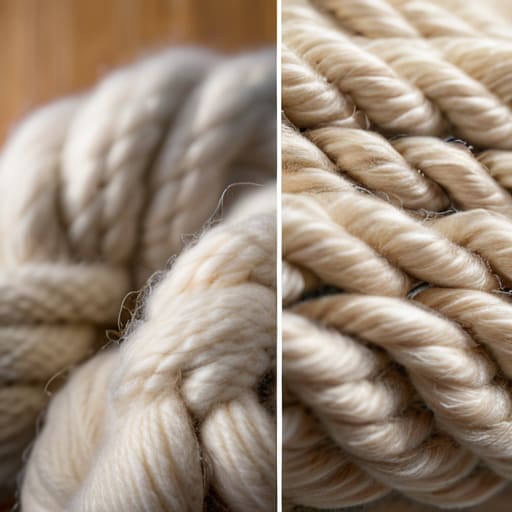
First, stop treating every sweater like it’s the same thing. There is a massive difference between merino and worsted wool, and if you don’t know which is which, you’re going to end up with a garment that either feels like a scratchy carpet or loses its shape by lunchtime. Merino is that soft, fine stuff that breathes with you, while worsted is combed tighter to make it smoother and more durable for things like suits or structured trousers. If you want something that actually survives a Tuesday morning commute without looking like a crumpled paper bag, pay attention to the weave.
You also need to understand that wool isn’t just a fabric; it’s an active system. Because of its natural fiber moisture wicking abilities, it handles sweat and humidity without feeling damp against your skin. It’s essentially nature’s own thermostat. But here is the catch: that magic comes with a cost in maintenance. If you toss a good wool piece into a hot wash, you aren’t just cleaning it—you are permanently shrinking the fibers. To get real sustainable textile longevity, you have to respect the machine (or rather, avoid it).
Practical Tips and Steps
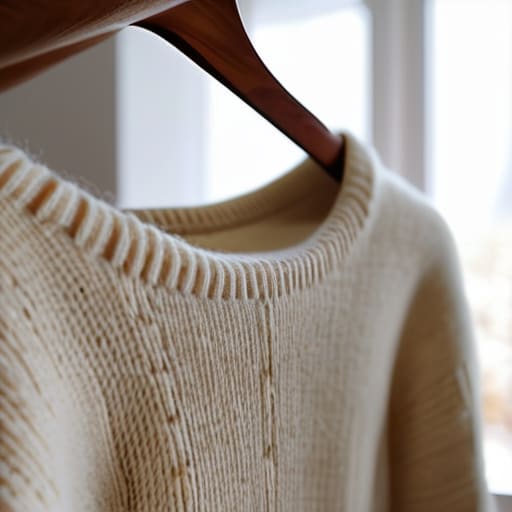
First, stop treating your wool like it’s disposable. If you’re constantly throwing your sweaters into a hot wash, you’re essentially paying to ruin them. The secret to preventing wool shrinkage and damage isn’t a fancy expensive detergent; it’s just letting the garment breathe. When you can, hang your wool pieces in a well-ventilated room instead of shoving them back into a cramped drawer. Because of natural fiber moisture wicking, wool can actually handle a bit of wear without smelling, so you don’t need to wash it after every single outing.
Second, learn to read the label before you tap your card. There is a massive difference between merino and worsted wool, and knowing which is which dictates how you’ll live in them. Merino is your soft, everyday hero for layering, while worsted is the structured, tightly spun stuff meant for trousers that actually need to hold a crease. If you buy a piece that feels “bouncy” and returns to shape immediately, you’re seeing wool fiber elasticity and resilience in action. That’s the kind of physics that makes a garment actually worth the price tag.
Common Mistakes to Avoid
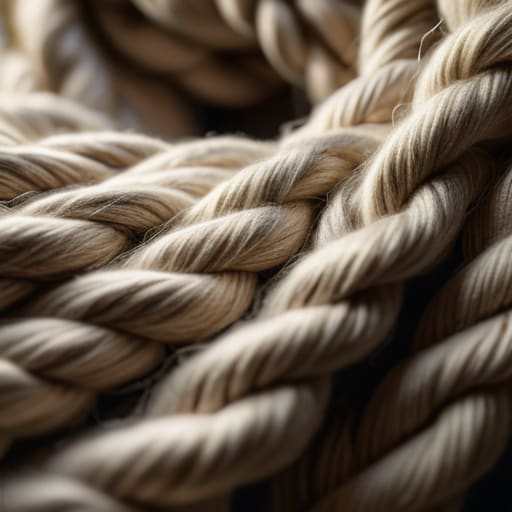
The biggest mistake I see is treating wool like a high-maintenance diva when it’s actually one of the hardiest things in your closet. People often panic and throw it in a hot wash because they saw a “dry clean only” tag, which is the fastest way to ruin the wool fiber elasticity and resilience that makes the garment worth owning. Once those fibers snap or felt together from heat, that beautiful drape is gone forever, and no amount of steaming will bring it back.
Another trap is buying “wool blends” that are actually 70% polyester and calling it a win. You aren’t getting the natural fiber moisture wicking or the breathability you think you are; you’re just buying a sweater that will pill by Friday and trap sweat by Monday. If you can’t feel the texture or if it feels suspiciously “plastic-y,” walk away. It’s not a bargain if it loses its shape after three wears. Also, stop hanging your heavy knits on thin wire hangers. It’s an instant death sentence for the shoulders, and fixing those permanent bumps usually costs more than the sweater did.
Final Thoughts
Look, at the end of the day, building a wardrobe isn’t about chasing every micro-trend that hits your feed. It’s about knowing what actually holds up when life gets messy. If you choose pieces with genuine wool fiber elasticity and resilience, you aren’t just buying a sweater; you’re buying a garment that won’t lose its shape the second you sit down in a lecture or a long meeting. It’s the difference between a piece that looks expensive for three weeks and one that actually lives with you.
Don’t let the marketing fool you into thinking “luxury” always equals “long-lasting.” A high-priced blend of cheap synthetics will pill and trap heat in all the wrong ways, whereas a solid wool piece works with your body, not against it. Focus on the math of the material. If you invest in quality natural fibers and learn the basics of preventing wool shrinkage and damage, you’ll spend less money over time and look significantly more put-together on a random, rainy Wednesday. Stop shopping for the “look” and start shopping for the structure.
Five Ways to Actually Make Your Wool Work for You
- Stop wearing the same sweater three days in a row. Wool fibers are like tiny springs; they need time to relax and bounce back to their original shape after being stretched by your elbows or waist. If you give it twenty-four hours of rest on a flat surface, it won’t look bagged out by Friday.
- Check the composition tag before you even touch the hanger. If it says “wool blend” but the polyester percentage is higher than the wool, you aren’t buying longevity, you’re buying a ticking time bomb of pilling. Real wool breathes; cheap synthetics trap heat and sweat, which eventually breaks down the fibers.
- Ditch the aggressive brushing. If you see a little fuzz, don’t go at it with a lint roller like you’re trying to scrub a floor; that just pulls the fibers apart. Use a dedicated garment brush to sweep the pills away gently. It keeps the nap looking intentional rather than neglected.
- Steaming is your best friend, but the iron is your enemy. A heavy steam relaxes the crimp in the wool and kills odors without the risk of “shining” the fabric. If you press a hot iron directly onto wool, you can actually melt the surface fibers, leaving a permanent, ugly-as-hell glossy patch that no tailor can fix.
- Learn the “Weight vs. Weave” math. A heavy, dense wool twill will survive a rainy commute much better than a thin, loosely woven cashmere knit. If you’re looking for a daily driver, go for weight. You can always layer a thin knit under a heavy wool blazer, but you can’t make a flimsy fabric act tough.
The Truth About the "Investment" Label
Stop letting brands call a polyester-blend coat an ‘investment’ just because the price tag has extra zeros; real longevity isn’t about the brand name, it’s about the fiber. Wool survives because it actually has the structural integrity to bounce back after a long day, whereas cheap synthetics just surrender to gravity and start looking like a crumpled paper bag by lunchtime.
Neve Okonkwo-Barr
The Bottom Line on Wool
At the end of the day, choosing wool isn’t about chasing some high-fashion aesthetic; it’s about doing the math on how much wear you’re actually getting for your money. We’ve covered why the fiber’s natural resilience matters, how to spot a decent weave versus a flimsy blend, and why a quick trip to a tailor to adjust a shoulder can make a mid-range wool blazer look like a bespoke masterpiece. Remember, a garment only lasts as long as you respect its construction. If you avoid the temptation of cheap, high-poly blends that pill after three wears and instead focus on natural fibers with actual substance, you aren’t just buying a sweater—you’re investing in a piece of kit that actually works for your life.
Stop letting marketing departments convince you that “new” is a synonym for “better.” A well-loved, perfectly fitted wool coat that has seen five winters is infinitely more stylish than a trendy synthetic jacket that loses its shape by lunchtime. Style isn’t a shopping problem you can solve with a credit card; it’s a relationship between you, your clothes, and how well they hold up when life gets messy. Buy better, fix what breaks, and stop apologizing for wanting clothes that actually last. Your wardrobe—and your bank account—will thank you.
Frequently Asked Questions
If I find a beautiful vintage wool coat at a charity shop, is it actually worth the £30 it'll cost me to fix the lining and the hem?
It depends on the math, doesn’t it? If that coat is a heavy, 100% wool melton that actually holds its shape, then yes—pay the £30. You’re basically buying a high-end garment for the price of a cheap, polyester-blend fast-fashion disaster that will pill by next Tuesday. But check the composition tag first. If it’s mostly acrylic masquerading as wool, walk away. Don’t spend thirty quid fixing a lie.
How can I tell if a wool blend is actually "good" or if it's just a bunch of cheap polyester masquerading as a high-end fabric?
Don’t let the “wool blend” label fool you; a 10% wool/90% polyester tag is just plastic in a fancy suit. Grab the fabric and give it a gentle squeeze. Real wool has a springy, resilient bounce; cheap synthetics feel limp or strangely oily. Check the weave, too—if it’s paper-thin and shiny, run. A decent blend should be mostly wool (at least 60%) to actually breathe and hold its shape.
Is it actually possible to save a wool sweater that’s gone all fuzzy and pilled, or is that the point where I should just give up?
Don’t bin it. Pilling isn’t a death sentence; it’s just friction. If it’s a decent wool, those little fuzzballs are just fibers that have migrated to the surface because of your bag strap or your commute. Get a proper fabric shaver—not one of those cheap battery ones that eats holes in your knit—and gently take the surface down. If it’s a structural issue, like a hole, a tailor can darning it for less than a latte.
