I spent two years in a basement studio pinning hems for a bridal shop, and if there is one thing I learned, it’s that people treat “dry clean only” like it’s a religious commandment. We’ve been conditioned to believe that if a garment has a single natural fiber, it’s too fragile for a domestic machine and needs a professional touch to survive. That is a lie designed to keep you spending money you don’t have on services you often don’t need. Most of the time, when people ask me how to wash wool and delicates, they aren’t actually looking for a luxury spa treatment for their clothes; they’re just terrified of accidentally turning a £60 knit into a doll’s sweater.
I’m not here to give you a list of expensive, specialized detergents that cost more than your lunch. Instead, I’m going to show you the actual mechanics of fabric care—the stuff that matters, like water temperature, agitation, and why the way you dry a sweater is more important than how you wash it. I’ll give you the math on when to actually pay for a professional clean and when you can trust your own hands to do the job without ruining the seam allowance.
Stop Treating Your Wardrobe Like a Disposable Commodity
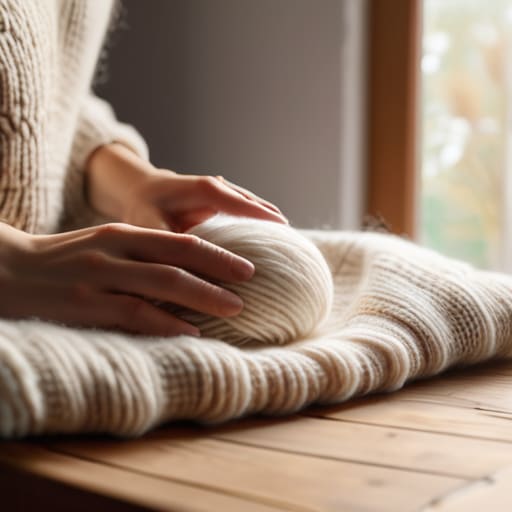
We have been conditioned to think that if a sweater loses its shape or pilling starts, it’s time to hit ‘add to cart’ on a replacement. That is a lie sold to you by brands that profit from your lack of maintenance. Most of the time, you aren’t dealing with a ruined garment; you’re dealing with a misunderstanding of fiber science. If you treat every knit like a piece of fast-fashion scrap, you’ll be stuck in a cycle of constant replacement.
The reality is that washing cashmere at home doesn’t have to be a high-stakes gamble if you stop being lazy with your settings. If you keep using heavy-duty cycles or aggressive agitation, you aren’t just cleaning the clothes; you’re physically beating the life out of the fibers. Instead, focus on the small math of preservation: switching to a proper wool detergent vs regular detergent is a non-negotiable. Regular detergents often have enzymes designed to break down organic matter, which sounds fine until they start attacking the protein structure of your precious wool. It’s a cheap fix that prevents a very expensive mistake.
The Real Math of How to Wash Wool and Delicates
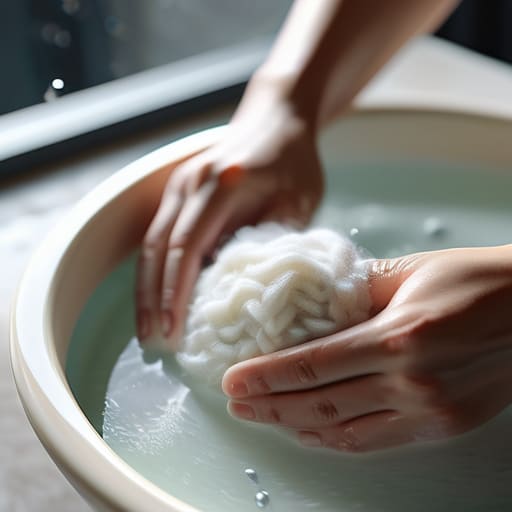
Here is the math: if you buy a £120 cashmere sweater and ruin it in the first wash because you used a heavy-duty cycle, you didn’t save money; you just paid £120 for a very expensive rag. Most people think they need a specialist dry cleaner for everything, but that’s often just a way to bleed your bank account dry. If you are washing cashmere at home, the secret isn’t a magic machine; it’s the chemistry. Using a standard detergent with high pH levels is like using sandpaper on a silk thread. You need a proper wool detergent to keep the fibers from becoming brittle and snapping.
The real cost-saving move is learning the art of air drying delicate fabrics. The heat from a tumble dryer is the primary culprit behind preventing wool shrinkage—or rather, the lack of it. If you put a wool blend in a high-heat dryer, you aren’t just shrinking it; you are felting the fibers together, making it impossible for a tailor to ever restore that original drape. Spend the ten minutes to lay it flat on a towel instead. It’s a tiny investment of time that keeps your clothes in rotation for years rather than weeks.
Why Wool Detergent vs Regular Detergent Actually Matters
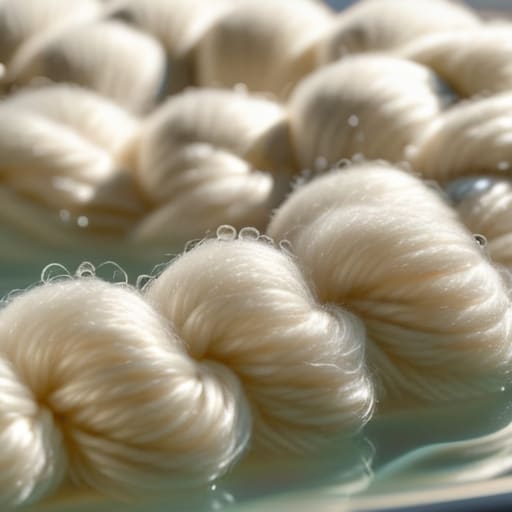
Look, I know the “specialty detergent” aisle feels like a marketing scam designed to make you spend an extra five pounds on a bottle of scented water. But here is the reality from someone who has spent way too many hours deconstructing ruined sweaters: regular detergent is built to strip everything away. It’s formulated with enzymes that are aggressive—they’re meant to eat through organic matter, which is great for a grass stain on denim, but disastrous for protein fibers.
When you use standard soap on a knit, you aren’t just cleaning it; you are essentially microscopic-sanding the fibers. This leads to that dreaded pilling or, even worse, the structural breakdown that makes a high-quality sweater look like a dishcloth after three months. If you are serious about washing cashmere at home, you need a pH-neutral liquid. It’s the difference between keeping the scales of the fiber smooth and having them fray and tangle. It’s a small upfront cost, but it’s the most effective way of preventing wool shrinkage and fiber fatigue. If the math doesn’t add up, just remember: a £30 bottle of soap is cheaper than replacing a £150 jumper.
Preventing Wool Shrinkage and Mastering Gentle Laundry Cycle Settings
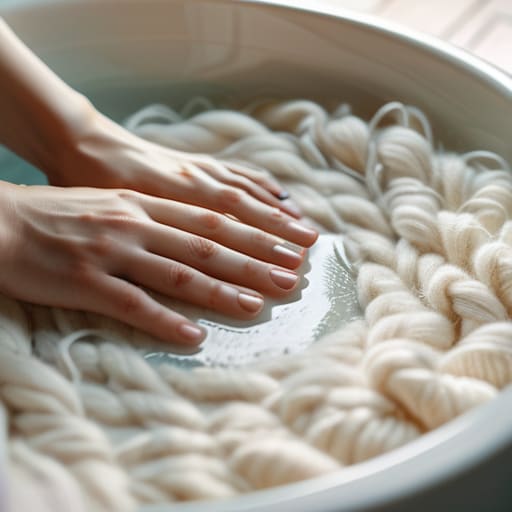
If you’ve ever pulled a sweater out of the wash only to realize it’s suddenly sized for a toddler, you know the heartbreak. Most of that panic comes down to two things: temperature and agitation. When it comes to preventing wool shrinkage, heat is your absolute enemy. Even if your machine has a “wool” button, I still get nervous about it. If you can, hand wash in a basin with cool water. If you must use the machine, ensure you are using the most conservative gentle laundry cycle settings available—think low spin speed and lukewarm water at most. High agitation is what physically tangles those tiny fibers into a felted mess that no tailor on earth can unshrink.
Once the wash is done, forget the tumble dryer exists. It is a graveyard for nice knits. Instead, focus on air drying delicate fabrics by laying them flat on a clean towel. If you hang a wet wool jumper on a hanger, the weight of the water will stretch the shoulders out into those permanent, ugly “hanger bumps” that ruin the silhouette. Lay it flat, reshape it with your hands while it’s damp, and let gravity work with the garment rather than against it.
From Washing Cashmere at Home to Air Drying Delicate Fabrics
If you’re nervous about washing cashmere at home, I get it. There is a specific kind of panic that sets in when you realize a high-end knit is sitting in a basin of lukewarm water. The trick is to stop thinking about “laundry” and start thinking about “soaking.” Don’t scrub. If you find yourself rubbing the fabric against itself to get a spot out, you’re essentially felting it in real-time. When it comes to removing stains from wool, use a gentle pressure—think dabbing, not scrubbing—and let the chemistry of the wool detergent do the heavy lifting while it sits.
Once the rinse is done, the most dangerous part begins: the drying. Please, for the love of your wardrobe, never hang a wet knit on a hanger. The weight of the water will pull the shoulder seams out of shape, and no amount of steaming will ever bring that silhouette back. Instead, roll the garment in a clean towel like a burrito to squeeze out the excess moisture, then lay it flat. Air drying delicate fabrics on a flat rack is the only way to ensure the fibers stay where they belong, rather than turning into a shapeless puddle of expensive yarn.
The "don't ruin it" cheat sheet
- Stop using those heavy-duty liquid detergents; they’re basically designed to strip everything down to the fibers, which is exactly how you end up with a sweater that feels like sandpaper after three washes.
- If you’re seeing pilling, don’t panic and throw it away—get a decent fabric shaver or a sweater stone, and treat the pills like a loose thread rather than a death sentence for the garment.
- Never, under any circumstances, hang a wet knit; the weight of the water will pull the shoulder seams out of shape and turn your jumper into a cropped, misshapen mess that no amount of steaming can fix.
- Buy a mesh laundry bag even if you think your machine is “gentle,” because it’s the only way to stop your delicate lace or thin knits from getting tangled up in a heavy denim zipper and shredded.
- Check your labels, but don’t treat them like gospel—if a tag says “dry clean only” on a simple wool blend, it’s often just a legal shield for the brand; a cold hand wash in your sink is usually much kinder to your wallet and the planet.
The cost of a shortcut
If you treat a high-quality wool jumper like a gym shirt and toss it in a hot cycle, you aren’t just washing clothes; you’re paying for a brand-new wardrobe next month because the one you actually like just shrunk two sizes.
Neve Okonkwo-Barr
The Bottom Line on Your Best Bits
Look, if you take nothing else away from this, remember that laundry isn’t just a chore; it’s the maintenance phase of owning clothes. You’ve done the work of finding the right wool, you’ve checked the seam allowances, and you’ve invested the time to learn that a pH-balanced detergent is worth the extra couple of pounds. Stop rushing the process. If you skip the gentle cycle or try to save ten minutes by tossing a cashmere knit in a high-heat dryer, you aren’t saving time—you’re just paying for a replacement that you didn’t actually need to buy. Treat the fabric with the respect its construction deserves, and it will actually stay in your rotation instead of ending up in a landfill by next season.
At the end of the day, a great wardrobe isn’t built on a constant stream of new deliveries; it’s built on the things you refuse to let go of. There is a specific kind of confidence that comes from wearing a sweater that has been cared for, shaped, and kept exactly as the maker intended. When you master the art of the gentle wash, you aren’t just cleaning clothes—you are extending the life of your identity. Stop shopping for the next trend and start looking after the pieces that actually make you feel like yourself on a Tuesday morning. Your bank account, and your future self, will thank you.
Frequently Asked Questions
Is it actually worth paying for a professional dry cleaner for every wool piece, or can I really get away with hand-washing everything in my sink?
Look, if it’s a high-quality wool sweater you can actually feel the weight of, hand-washing in your sink is fine—just don’t wring it like a wet towel. But if you’re dealing with structured pieces, like a tailored blazer or a heavy wool coat with shoulder pads, stay away from the sink. You’ll ruin the internal architecture. For those, pay the professional. It’s cheaper to spend £15 on a dry clean than £200 replacing a ruined silhouette.
If I accidentally shrunk my favorite sweater in the wash, is it actually fixable by a tailor or is that just a myth?
It’s not a myth, but it’s also not magic. If it’s just “felted” a little tight, you can sometimes massage it back with hair conditioner and lukewarm water at home. But if the fibers have truly locked together? That’s a structural change. A tailor can’t un-shrink wool, but they can sometimes let out seams or add side panels to give you your shape back. It’ll cost more than a coffee, though.
Can I use fabric softener on my delicates to make them feel less stiff, or am I just going to ruin the fibers?
Stop right there. If you’re thinking about dumping fabric softener into your delicates, you’re basically coating those expensive fibers in a layer of wax. It might feel soft for ten minutes, but you’re actually suffocating the breathability of the wool and trapping dirt deep inside the weave. Instead of the chemical shortcut, invest in a decent wool wash or a tiny bit of hair conditioner in a soak. It’s cheaper than replacing a ruined sweater.
