I spent two years in a damp basement studio pinning hems for a bridal shop, and if there is one thing I learned, it’s that most people are trying to solve a structural problem with a shopping spree. You don’t need a “capsule collection” or a fresh haul of linen trousers to fix your morning routine; you probably just have a closet full of things that don’t actually talk to each other. We’ve been sold this lie that feeling uninspired is a symptom of having nothing to wear, when really, the secret to how to identify wardrobe gaps isn’t about finding what’s missing from the racks at the mall, but finding what’s failing in your own drawers.
I’m not here to give you a curated list of “must-have” trends that will look dated by next Tuesday. Instead, I want to show you how to look at your clothes through the lens of a tailor and a realist. We are going to look at fabric durability, how much a simple hem adjustment actually costs, and how to spot the specific functional holes in your rotation. By the end of this, you’ll know exactly what you actually need to buy—and more importantly, what you can already own if you just fix the fit.
Understanding How to Identify Wardrobe Gaps
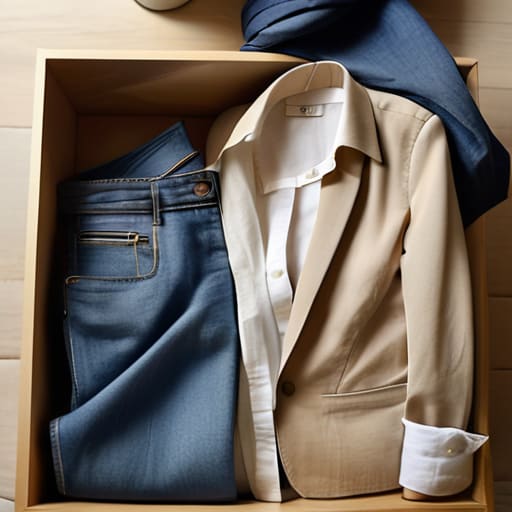
Before you go hunting for something new, you need to perform a proper outfit versatility assessment on what you actually own. Most people think they have a “gap” because they lack a specific item—like a black midi skirt or a decent blazer—but usually, the problem is that their current clothes don’t talk to each other. I want you to lay everything out on your bed. If you find a beautiful silk blouse that only works with one specific pair of trousers, that isn’t a gap; that’s a lonely garment. A real gap is when you realize you have five ways to wear a pair of jeans but zero ways to dress up for a Tuesday dinner.
Instead of a massive, overwhelming purge, try a simple clothing inventory checklist focused on utility. Look for the “orphans”—the pieces that sit there looking pretty but have no partner in crime. If you can’t mentally pair an item with three different things already in your closet, it’s not a missing piece of your style; it’s just noise. We aren’t looking for more stuff; we are looking for the connective tissue that makes a wardrobe actually functional.
Key Things to Know
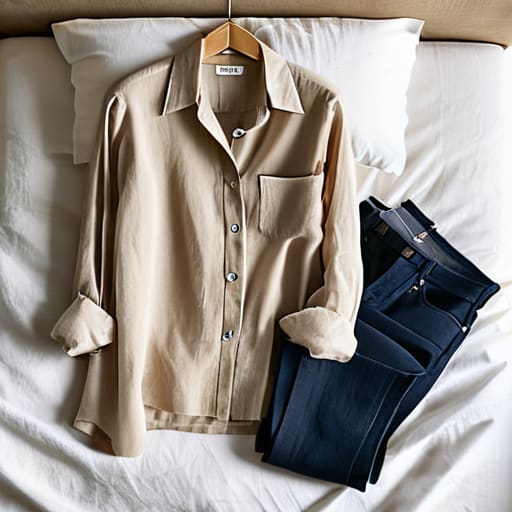
Before you even think about hitting “add to cart,” you need to understand that a gap isn’t just a missing item; it’s a breakdown in how your clothes actually talk to each other. I always tell my clients to perform a quick outfit versatility assessment before they blame their lack of style on a “missing” piece. Lay everything out on the bed. If you find a shirt that looks great but can’t be worn with at least three different bottoms you already own, that’s not a gap—that’s a soloist. And soloists are expensive, high-maintenance, and usually end up gathering dust.
You also need to be honest about the structural integrity of what you’re holding. A gap often exists because you’re trying to bridge the space between “work clothes” and “life clothes” with pieces that don’t actually function in either. Instead of a massive shopping spree, try a clothing inventory checklist focused on fabric and utility. Ask yourself: Can I sit in this for eight hours? Does the weight of this knit work with my existing trousers? If the answer is no, you don’t have a wardrobe problem; you have a math problem.
Practical Tips and Steps

First, stop treating your closet like a storage unit and start treating it like a toolkit. Grab a notebook and run a quick clothing inventory checklist—not to count how many things you own, but to see how they actually behave. I want you to pull out every single item and ask: “Can I wear this on a Tuesday afternoon without feeling like I’m wearing a costume?” If the answer is no, it’s not a gap; it’s just noise. Lay everything out by category so you can actually see the imbalance. If you have twelve silk blouses and zero trousers that don’t pinch your waist, you don’t have a style crisis; you have a math problem.
Once you see the patterns, perform a quick outfit versatility assessment. Pick your favorite piece—the one that makes you feel like a human being—and try to style it three different ways. If you find yourself reaching for the same three items every morning, that is your real gap. You don’t need more “statement pieces” that sit there looking pretty; you need the connective tissue, like a decent mid-weight blazer or a pair of trousers with enough seam allowance to actually move in.
Common Mistakes to Avoid
The biggest mistake I see is treating a wardrobe audit like a shopping trip in disguise. You start a closet decluttering method thinking you’re looking for what’s missing, but you end up just staring at the things you already hate, convincing yourself you need a “replacement” for every single item. Stop that. If you’re looking at a pile of clothes and thinking, “I need a new version of this,” you haven’t actually identified a gap; you’ve just identified a garment that has failed you. A gap is a functional void—like having five great trousers but zero shirts that actually tuck in properly—not a desire for a new colorway.
Another trap is ignoring the math of the fabric. People often try to build a cohesive wardrobe by buying “staples” that look good on a mannequin but have zero structural integrity. I’ve seen so many people buy a “gap-filler” blazer only to realize three months later it’s pilled, lost its shape, or the lining has shredded because it was 100% polyester. If you aren’t doing a quick outfit versatility assessment before you buy, you aren’t filling a gap; you’re just adding more clutter that won’t survive a single season.
Final Thoughts
Look, at the end of the day, identifying what’s missing isn’t about finding a magical piece that completes your life; it’s about realizing that your current clothes aren’t doing their job. If you’ve gone through a proper clothing inventory checklist and realized you have ten “going out” tops but nothing that works for a Tuesday morning meeting, that’s not a shopping failure. It’s just data. Use that data to stop the impulse buys and start looking for the missing link that actually adds utility to your week.
Don’t get caught up in the trap of trying to build a perfect, Pinterest-ready capsule wardrobe essentials list overnight. Real style is messy and evolves. Instead, focus on building a cohesive wardrobe through small, intentional fixes—like taking that one high-quality blazer to a tailor rather than buying three cheap ones to fill a “gap.” If you can fix the fit and bridge the functional holes, you’ll stop feeling like you have nothing to wear. Your closet should work for you, not the other way around.
5 Ways to Spot the Real Holes in Your Closet
- The “Wednesday Test.” Lay out your clothes for a standard, boring Wednesday. If you’re staring at a pile of “going out” tops and nothing that works for a Tuesday meeting or a grocery run, your gap isn’t a new trend; it’s a lack of functional mid-week layers.
- Check your fabric fatigue. Look at the pile of clothes you actually reach for. If they are all thin, jersey-knit basics that have lost their shape, your gap is structural. You don’t need more clothes; you need one high-quality, heavy-weight cotton or wool piece that won’t turn into a rag after three washes.
- Audit your “almost” pile. We all have that one skirt or pair of trousers that sits there because the waist is a centimeter too big or the hem is dragging. That isn’t a “gap” in your wardrobe—it’s a gap in your maintenance. A £15 hem adjustment turns a “nothing to wear” moment into a “this is my favorite” moment.
- Identify the “Missing Link” silhouette. If you have five great skirts but zero tops that tuck in properly, you don’t have a skirt problem; you have a proportion problem. Stop buying more bottoms and start looking for tops with the right seam placement to actually bridge the gap between your pieces.
- The “Cost-per-Wear” math. Before you say you have a gap, look at the items you don’t wear. If they’re sitting there because they’re uncomfortable or the fabric is itchy, you haven’t identified a gap—you’ve just accumulated clutter. A real gap is a specific functional void, not a feeling of “nothing to wear” caused by a closet full of things that don’t work.
The Gap Myth
A wardrobe gap isn’t a missing black blazer or a specific shade of sage green; it’s that feeling of standing in front of a full closet and realizing none of it actually works for the life you’re living on a Tuesday morning. Stop looking for what’s missing from the rack and start looking at why the things you already own are letting you down.
Neve Okonkwo-Barr
The Bottom Line
At the end of the day, identifying wardrobe gaps isn’t about finding a reason to head to the high street; it’s about realizing that your current clothes are failing you because they don’t align with your actual, daily reality. We’ve looked at how to audit your fabrics, how to spot those missing middle-ground pieces that bridge the gap between “fancy” and “functional,” and why a lack of options usually means a lack of properly fitted basics. Before you click ‘add to cart’ on that new trend piece, ask yourself if it actually fills a structural void or if it’s just more noise. Remember, a gap is often just a missing connection between what you own and how you actually live your life on a Tuesday morning.
Stop treating your closet like a puzzle that can only be solved with more pieces. Most of the time, you don’t need a whole new collection; you just need to stop buying things that require you to change your lifestyle to fit them. Focus on the math of the garment—the cost per wear, the durability of the seam, and the utility of the silhouette. When you stop chasing the “new” and start focusing on the “right,” you stop being a consumer and start being a curator. You deserve a wardrobe that works as hard as you do, without costing you your entire paycheck or your sanity.
Frequently Asked Questions
I’ve realized I have nothing to wear, but my closet is actually full—does that mean I have a gap in my clothes or just a gap in how they fit my actual life?
It’s almost certainly a gap in how they fit your life, not a gap in your inventory. You don’t need more stuff; you need stuff that works on a Tuesday at 10:00 AM. If you have ten beautiful silk blouses but zero trousers that don’t pinch your waist when you sit down, you don’t have a “wardrobe problem”—you have a utility problem. Stop shopping for the person you wish you were and start dressing the one who actually exists.
How do I know if a "gap" is something I actually need to buy, or if it's just a trend I'm feeling pressured to follow?
Ask yourself: “If I saw this in a charity shop for five pounds, would I still want it?” If the answer is no, you don’t need the item; you’re just chasing a dopamine hit from a marketing campaign. A real gap is a functional void—like a decent pair of trousers that actually hits your ankle. A trend is just a temporary itch. Don’t spend money fixing a gap that only exists in your feed.
If I find a gap, how do I tell if I should be looking for a specific item or if I just need to take what I already own to a tailor to make it usable?
Before you reach for your card, do the math. Look at the item you’re missing and ask: Is this a functional gap or a fit gap? If you’re missing a specific vibe—like a sturdy blazer for interviews—buy the item. But if you’re staring at a closet of “nothing to wear” because your trousers are too long or your waist is gaping, that’s a tailor problem. Don’t buy a new pair; spend £15 to fix the old ones.
