I spent three years in a basement studio pinning hems for brides who had more money than sense, and if there is one thing I learned, it’s that most “resale experts” are selling you a dream that doesn’t exist. They make it sound like you just snap a photo of a fast-fashion top and suddenly you’re a mogul, but they never mention the hours of wasted time or the shipping fees that eat your profit alive. If you’re looking for a magic button on how to sell clothes secondhand, you’re going to be disappointed. Most people approach resale like a hobby, but if you want to actually see money in your bank account, you have to treat it like material science. You need to know the difference between a polyester blend that will pill in two weeks and a heavy-weight wool that people will actually hunt for.
I’m not here to give you a list of trendy apps and call it a day. I’m going to show you how to spot the high-value fabrics that actually move, how to price based on the real cost of the garment’s construction, and exactly how to photograph a seam so a buyer knows it’s sturdy. We’re going to skip the fluff and focus on the math of a successful sale.
Understanding How to Sell Clothes Secondhand
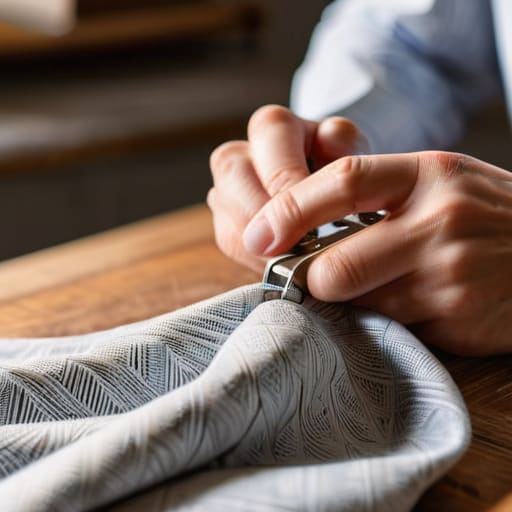
Before you even think about snapping a photo for an app, you need to do a brutal clothing condition assessment. I spent two years in a basement studio looking at the underside of hems and the tension in seams; I can tell you that a “great condition” shirt with a tiny pill under the arm or a loose thread at the collar is going to result in a return or a scathing review. Don’t lie to yourself or the buyer. Check the zippers, the buttons, and the fabric weight. If the structure is gone, it’s not a sale; it’s a donation.
If you want to move from just cleaning out your closet to actual decluttering wardrobe for profit, you have to stop thinking like a consumer and start thinking like a curator. The current resale market trends are moving away from “hauls” of cheap, polyester fast fashion that falls apart after three washes. People are actually looking for substance now—natural fibers, decent seam allowances, and pieces that have some life left in them. If you’re trying to move something that’s basically disposable, you’re better off letting it go to a textile recycler than wasting your time fighting for a three-dollar margin.
Key Things to Know
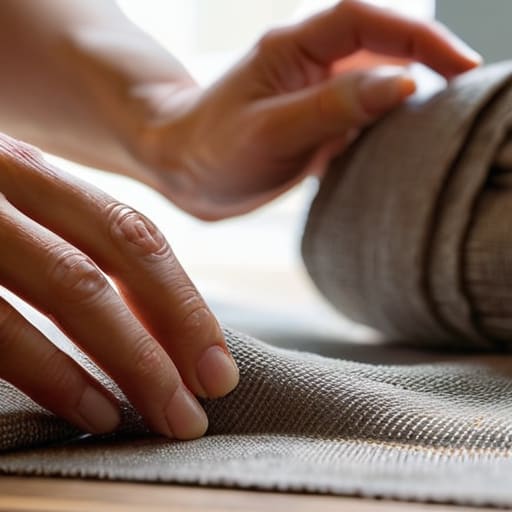
Before you even snap a single photo, you need to do a brutal clothing condition assessment. I’m not talking about “it looks fine in this lighting.” I mean looking at the inner seams for loose threads, checking the armpits for discoloration, and feeling the fabric to see if it’s gone pilled or thin. If a zipper sticks or a button is hanging by a prayer, that’s not a “vintage charm”—it’s a reason someone will demand a refund. If you can’t fix it yourself with a needle and thread in ten minutes, be honest about it in the description.
Next, stop thinking about your closet as a pile of clothes and start thinking about maximizing profit margins. You aren’t just dumping fabric; you’re looking for pieces with structural integrity. I look for heavy cottons, sturdy wools, and intact linings. If you’re decluttering your wardrobe for profit, prioritize the items that have “good bones.” A high-quality blazer with a slight stain is a much better bet than a trendy polyester top that’s already losing its shape. Know your fabric, know your flaws, and you won’t waste your time shipping back items that people only bought because they didn’t read the fine print.
Practical Tips and Steps
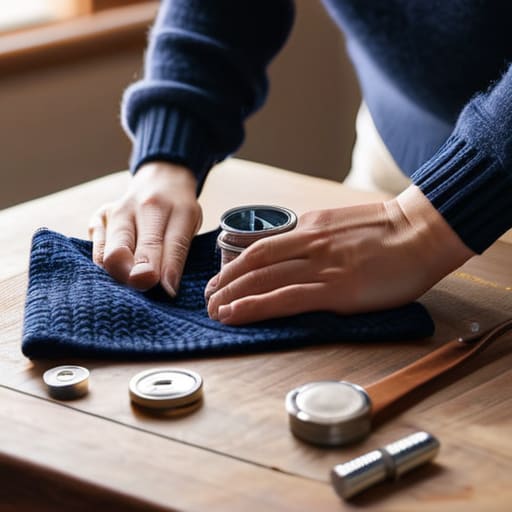
First, stop looking at your pile of clothes as “stuff” and start looking at it as inventory. A proper clothing condition assessment is where most people fail; they list a sweater that’s pilled or a skirt with a loose seam and then act shocked when the buyer asks for a refund. If a garment has a tiny loose thread, fix it. If it’s pill-heavy, get a fabric shaver. Spending ten minutes on maintenance is the difference between a “clearance” price and actually maximizing profit margins.
Next, let’s talk about the logistics of photography and shipping. You don’t need a studio, but you do need natural light and a clean background—don’t photograph a silk blouse on a messy bed. When you’re shipping secondhand items, remember that your packaging is part of the service. Use a poly mailer instead of a heavy box to keep costs down, but don’t skimp on the tape. If you’re serious about decluttering your wardrobe for profit, treat it like a tiny business. The goal isn’t just to get the clothes out of your house; it’s to make sure the person receiving them feels like they actually bought something worth the money.
Common Mistakes to Avoid
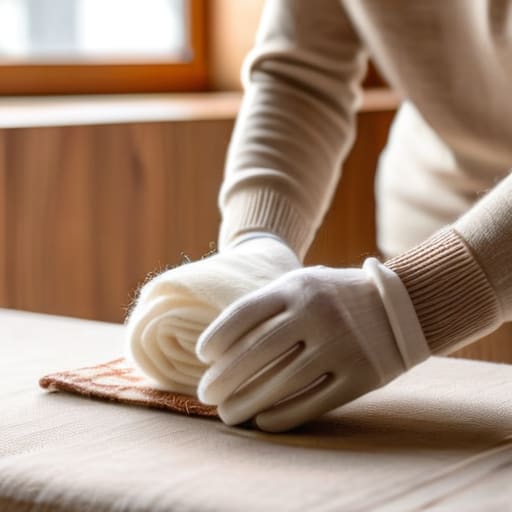
The biggest mistake people make is treating a resale listing like a junk drawer. If you’re just dumping everything from your closet into a bag without a proper clothing condition assessment, you aren’t decluttering for profit—you’re just creating more landfill. I see it all the time: someone lists a sweater with a pill in the armpit or a hem that’s dragging because it wasn’t properly measured. If you don’t mention the flaws, you’ll end up stuck in a cycle of returns and bad reviews that kill your reputation before you’ve even started.
Another trap is ignoring the math of the transaction. You might think you’re making money, but once you factor in platform fees and the actual cost of shipping secondhand items, that “profit” evaporates. Don’t get blinded by high asking prices; if your shipping costs more than the garment’s value, you’re working for free. Stop trying to chase every fleeting micro-trend and instead focus on pieces with structural integrity. A well-made wool blazer will always outsell a polyester fast-fashion top, even if the trend is “in” this week.
Final Thoughts
Look, I’m not going to tell you that cleaning out your closet is going to make you a millionaire, but it can certainly stop your money from rotting in a pile of polyester. Selling your stuff isn’t just about a quick cash injection; it’s about a more intentional approach to decluttering your wardrobe for profit. When you stop treating your clothes like disposable paper towels and start seeing them as assets, your relationship with your closet changes. You start looking for quality, checking seam allowances, and thinking about how a piece will hold up in the hands of someone else.
Don’t get discouraged if your first few listings don’t sell overnight. The resale market trends shift constantly, and sometimes you just have to time your posts better or sharpen your photography. Just remember: be honest about the condition. If there’s a tiny snag or a faint mark, say it. It’s better to lose a few pounds on the sale than to deal with a return because you tried to mask a flaw. Treat the process like a skill, keep your margins realistic, and eventually, your closet will start paying you back.
The Real Math of Making a Sale
- Stop trying to sell the “vibe” and start selling the fabric. If it’s 100% wool or heavy-weight cotton, say it in the first sentence. People will pay a premium for a garment that won’t pill after three washes, but they’ll skip over your “cute top” if they can’t tell if it’s polyester or silk.
- Be brutally honest about the seamstress tax. If a pair of vintage trousers needs a hem or a button replaced, tell the buyer upfront. It’s better to price them £5 lower and be transparent than to deal with a return because the buyer realized they can’t wear them straight out of the bag.
- Lighting is your only friend, but natural light is your best friend. Don’t take photos under that yellow bedroom light that makes everything look dingy. Take them near a window so the buyer can actually see the texture of the weave and the true color of the dye.
- Don’t waste your time on “fast fashion” landfill. If it’s a brand that’s designed to fall apart in six months, don’t bother listing it unless it’s a specific cult item. You’re better off selling three high-quality pieces that people actually want to keep than fifty cheap scraps that just clutter up your shipping space.
- Check your measurements, not just the tag size. A “Medium” in a 90s blazer is a completely different beast than a “Medium” in a modern Zara bodysuit. Grab a tape measure, check the pit-to-pit and the waist, and put those numbers in the description. It saves you from the “it doesn’t fit” headache later.
The Real Value of Your Closet
Stop trying to sell your clothes like they’re disposable plastic. If you want actual money, stop listing every fast-fashion rag that’s lost its shape; find the pieces with decent seam allowances and heavy fabrics, clean them properly, and sell the quality, not the clutter.
Neve Okonkwo-Barr
The Bottom Line
At the end of the day, selling secondhand isn’t about clearing out a mountain of junk to make a quick buck; it’s about knowing your inventory. If you’ve done the work—checked your seams, cleaned the lint off your wool blends, and written descriptions that actually mention the fabric weight—you’re already ahead of 90% of the people clogging up Depop or Vinted. Remember that a well-photographed blazer with a sturdy shoulder construction will always outsell a fast-fashion piece that’s losing its shape. Don’t be afraid to price things realistically; you have to factor in the cost of your time and the shipping materials, otherwise, you’re just working for free. Treat your resale like a small business, not a garage sale.
My grandmother used to say that if you take care of your things, they’ll take care of you, and that applies to the clothes you’re passing on, too. When you sell something high-quality, you aren’t just getting cash back; you are ensuring that a good garment actually gets worn instead of ending up in a landfill. We need to stop the cycle of buying things that fall apart after three washes and start valuing the craftsmanship that lasts. Go ahead, list that vintage coat, take the photos, and realize that style is about longevity, not just how much you can spend at the mall.
Frequently Asked Questions
How do I know if a piece is actually worth the effort of listing, or if it's just going to sit in my "to sell" pile forever?
Look at the fabric, not the label. If it’s thin, polyester-heavy fast fashion that’s already pilling, bin it. It’s not worth the listing fee or the mental energy. I only list things with “staying power”—natural fibers like wool, heavy cotton, or silk that actually hold a shape. If it’s a classic silhouette that a tailor could easily tweak to fit someone else, it’s a winner. If it’s just a “trendy” scrap of fabric, let it go.
Is it better to sell a high-end designer item through a curated platform or just stick to the big, high-volume apps?
If it’s a real designer piece—we’re talking decent construction, heavy silk, or a coat that actually holds its shape—go curated. High-volume apps are a race to the bottom where people hunt for steals, and you’ll get lowballed by bots. Curated platforms attract buyers who actually understand why a specific seam or fabric weight matters. It’s the difference between selling a piece of history and just clearing out your clutter. Pay the higher fee; it’s worth the math.
When does the cost of cleaning or fixing a garment actually eat up my entire profit margin?
It eats your profit the second you start treating “refurbishing” like a hobby instead of a business. If you’re selling a £20 vintage blazer but spending £12 on dry cleaning and £10 on a tailor to fix a broken zip, you’ve just paid £2 to own someone else’s clutter. Do the math before you list: if the fix costs more than 30% of your expected sale price, walk away. It’s not a bargain; it’s a liability.
