Stop scrolling through those “capsule wardrobe” Reels that suggest you need a fresh $400 silk scarf or a new designer bag just to look put-together. It is a total lie. Most of the time, when you’re staring at the mirror wondering how to make an outfit feel finished, the solution isn’t sitting in a shopping cart—it’s usually sitting in your junk drawer or a local tailor’s bin. I spent two years in a basement studio pinning hems for brides who were more terrified of a loose thread than a bad guest list, and if there is one thing I learned, it’s that intentionality beats acquisition every single time.
I’m not here to sell you a lifestyle or a new aesthetic; I’m here to show you the mechanics of clothes. In this post, I’m going to break down the actual, tangible ways to bridge the gap between “just wearing clothes” and having a look that actually holds its own. We’ll talk about the weight of your jewelry, why a $15 hem job is the ultimate secret weapon, and how to use the pieces you already own to create structural cohesion. No fluff, no trend-speak—just the practical math of looking like you actually meant to walk out the door looking that way.
Stop Shopping and Start Seeing How to Make an Outfit Feel Finished
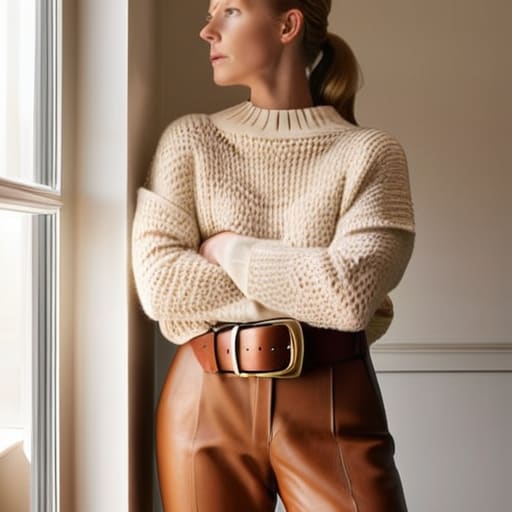
Stop looking at your “saved” folder on Instagram and start looking at what is actually hanging in your closet. Most people think they need a new piece to complete a look, but usually, you just need to understand balancing clothing proportions. If you’re wearing a massive, oversized knit that makes you look like a shapeless blob, you don’t need a new sweater; you need to tuck it into a structured waistband or add a slim belt to reclaim your frame. It’s about the geometry of the clothes, not the price tag of the next trend.
Next, stop ignoring the tactile side of things. I see so many outfits that are “fine” but completely flat because they lack depth. This is where the role of texture in fashion becomes your best friend. If you’re wearing a basic cotton tee and denim, it’s going to feel unfinished because it’s visually one-note. Throw on a heavy corduroy jacket or a silk scarf—something with a different weight or grain—to give the eye something to actually grip onto. It’s the difference between looking like you just rolled out of bed and looking like you actually meant to wear those clothes.
The Math of Proportions Balancing Clothing Proportions Without Buying More
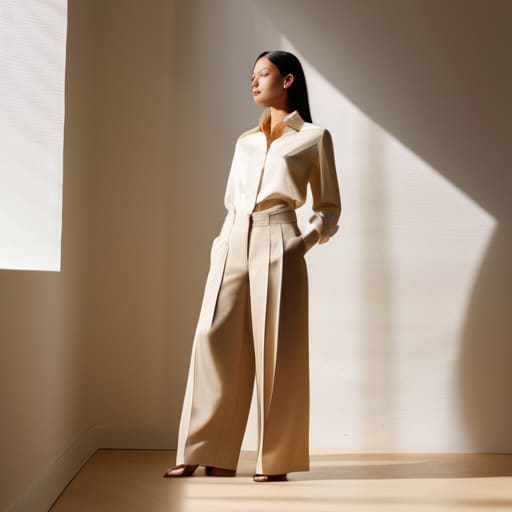
Most people think they need a new blazer to fix a “frumpy” silhouette, but they actually just need to understand balancing clothing proportions. If you’re wearing wide-leg trousers, you don’t necessarily need a tiny crop top to look intentional; you might just need to tuck in your shirt to define your waistline. It’s about the math of where your body begins and ends. When you wear volume on both the top and bottom without a clear point of division, you aren’t “styling,” you’re just drowning in fabric.
I tell my clients all the time: look at the visual weight. If you have a heavy, oversized knit, pair it with something structured or slim to provide a counterpoint. This is where layering techniques for style actually become useful—not to add more “stuff,” but to create lines that guide the eye. If the outfit feels bottom-heavy, a structured bag or a boot with a bit of a heel can shift that weight back into alignment. You don’t need a bigger budget; you just need to stop treating your clothes like a flat list and start seeing them as a series of shapes.
Texture Over Trends the Role of Texture in Fashion Longevity
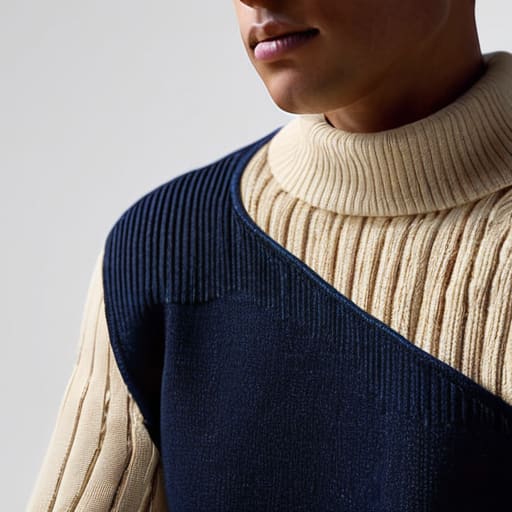
We spend so much time obsessing over whether a color is “in” or if a specific silhouette is trending, but we completely ignore the tactile reality of what we’re wearing. If you put on a flat, thin cotton t-shirt with basic polyester trousers, you’re going to look like you’re wearing a uniform, even if the fit is perfect. This is where the role of texture in fashion actually matters. A heavy-weight ribbed knit or a piece of brushed denim adds a visual depth that a smooth, cheap synthetic fabric just can’t touch. Texture is the secret to elevating casual looks without needing to add more layers or expensive jewelry; it’s about creating interest through the way light hits the fabric rather than how much gold you’ve strapped to your neck.
When you’re building an outfit, think about the friction between materials. If you have a smooth silk skirt, pair it with a chunky, oversized wool sweater. That contrast—the grit against the glide—is what makes an outfit look intentional rather than accidental. It’s a much more sustainable way to approach your wardrobe than chasing micro-trends. Instead of buying a new “statement” piece every month, look at what you already own and ask if the textures are talking to each other. A little bit of tactile variety goes a long way in making a simple, three-piece outfit feel like a complete thought.
Layering Techniques for Style Building Depth for a Wednesday Morning
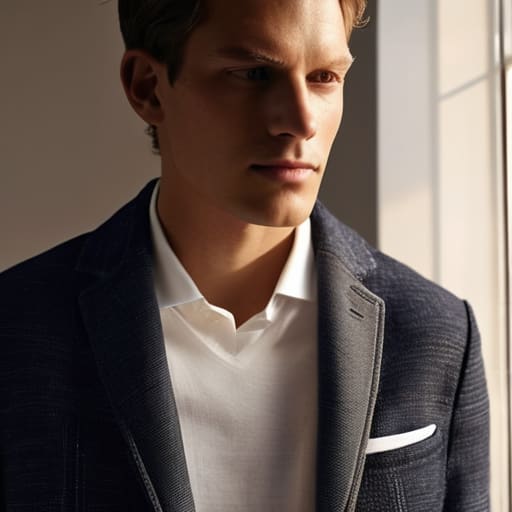
Layering isn’t about piling on clothes because you’re cold; it’s about creating visual interest through weight and dimension. When I look at a flat, uninspired outfit, it’s usually because there is nothing breaking up the silhouette. One of my favorite layering techniques for style is the “sandwich method”—pairing a structured piece, like a denim jacket or a heavy wool blazer, over something lightweight like a cotton tee. This creates a hierarchy of fabrics that makes even a basic jeans-and-t-shirt combo feel intentional rather than accidental.
If you want to master elevating casual looks without spending a dime, look at your collars and hems. A crisp button-down peeking out from under a crewneck sweater adds a layer of “finished” that a single garment simply can’t achieve. Just watch your seam allowances; if you layer a heavy coat over a bulky knit, you’ll end up looking like a shapeless blob. The goal is to play with varying levels of thickness so the eye has something to move through, making your outfit feel like a composed thought rather than just a pile of laundry you grabbed on your way out the door.
Accessorizing Basics for Beginners Elevating Casual Looks With Intent
Most people treat accessories like an afterthought—something you grab from a bowl on your dresser because you’re already five minutes late. But if you want to master elevating casual looks, you have to stop thinking about “adding stuff” and start thinking about intentionality. A plain white tee and jeans can look like a deliberate outfit or a laundry-day accident depending entirely on your hardware. If you’re looking into accessorizing basics for beginners, start with the weight of your jewelry. A chunky, heavy gold hoop paired with a lightweight linen shirt creates a visual friction that makes the outfit feel purposeful rather than just thrown on.
The same logic applies to styling footwear and bags. I see so many people wearing a delicate, thin-strapped sandal with a heavy, oversized wool coat; it creates a structural mismatch that makes the whole silhouette feel unstable. If your clothes have volume, your accessories need enough “visual weight” to anchor them. Don’t go out and buy a designer bag to fix a boring outfit; instead, look at what you already own and ask if the scale of your belt or your bag actually matches the energy of your fabric.
The Final Five: Small Fixes for a Finished Look
- Check your hemline height. If you’re wearing trousers that are bunching around your ankles like an accordion, you don’t need new pants; you need a twenty-pound hem. A clean line at the ankle instantly makes a cheap pair of trousers look like they were made for you.
- Mind the button tension. If your shirt is pulling across the chest and creating those tiny, stressful horizontal lines, it’s not a “fitted look”—it’s a fit problem. Either size up and have the waist taken in, or stop wearing it until you can afford a tailor.
- The “Third Piece” rule isn’t about buying a blazer. It’s about visual weight. If you have a top and a bottom, you have a base; adding a textured cardigan, a heavy scarf, or even a structured belt adds the intentionality that makes it look like an outfit rather than just clothes.
- Evaluate your fabric weight. If you’re pairing a heavy wool skirt with a flimsy, see-through jersey top, the outfit will feel “unbalanced” in a way you can’t quite name. Match the gravity of your pieces so they look like they belong in the same season.
- Fix the hardware. If you’re wearing a beautiful vintage coat but the buttons are cheap, shiny plastic that looks like they came from a craft kit, spend five pounds on some heavy horn or metal buttons. It’s the fastest way to trick the eye into seeing quality.
The Truth About "Finished"
Most people think a “finished” look requires a new bag or a trending necklace, but usually, it just means you finally addressed the fact that your trousers are pooling around your ankles or your shirt is swallowing your waist. You don’t need more stuff; you need a seamstress and twenty minutes of intentionality.
Neve Okonkwo-Barr
The Bottom Line
Look, making an outfit feel “finished” isn’t some mystical talent you’re born with, and it definitely isn’t something you can solve by clicking ‘add to cart’ on a new pair of statement earrings. We’ve talked about the math of proportions, the way a heavy wool weave adds more value than a flimsy polyester blend, and why a simple $15 hem adjustment can suddenly make a thrifted skirt look like it was made for your specific body. It comes down to intentionality. Whether you are playing with texture, layering a structured blazer over a soft knit, or just ensuring your seams are sitting where they actually belong, you are moving away from just “wearing clothes” and toward actually constructing a look.
At the end of the day, I want you to stop apologizing for what you own and start interrogating it. Stop asking “what do I need to buy?” and start asking “how does this sit on my shoulders?” or “does this fabric have enough weight to hold its shape?” Style isn’t a luxury tax you pay to the fashion industry; it is a set of skills you build with the pieces already hanging in your closet. You don’t need a bigger wardrobe to look better; you just need to stop treating your clothes like disposable props and start treating them like the tools they are. Now, go check your hemlines.
Frequently Asked Questions
I found a great vintage blazer at a charity shop, but the sleeves are way too long and the shoulders feel heavy; is it worth paying for alterations, or am I just throwing money away?
It depends on the shoulder. If the shoulder pads are built into the structure, fixing them is a nightmare and a waste of money. But if it’s just a heavy fabric, a tailor can often deconstruct the lining to slim it down. Sleeves? Absolutely worth it. A hem job is usually thirty to fifty bucks and instantly transforms “hand-me-down” into “bespoke.” If the fabric is high-quality wool, do the math—it’s a win.
I have a lot of basic cotton tees and denim, but everything I put on looks flat and boring—how do I add depth without buying a whole new wardrobe of "statement" pieces?
You don’t need “statement” pieces; you need intentionality. If your cotton tees and denim feel flat, it’s likely because the textures are too similar. Grab a heavy leather belt or a structured knit cardigan to break up the visual plane. Also, check your hems. A crisp, tailored cuff on a pair of jeans costs less than a latte and instantly makes “basic” look like a deliberate choice rather than an afterthought.
When you talk about "balancing proportions," does that mean I have to change my clothes, or can I fix a bulky silhouette just by tucking in a shirt or changing my footwear?
It’s almost never about buying new clothes; it’s about how you manipulate what you already own. A bulky silhouette is usually just a lack of a “break” in the visual line. Tucking in a shirt to define your waist or swapping chunky sneakers for a slimmer boot changes the entire geometry of your body. You’re just redirecting where the eye stops. If that fails, a quick belt or a cuff on your trousers does the job for free.
