Stop falling for the lie that dressing a teenager requires a revolving door of fast-fashion hauls that lose their shape before the first wash. Marketing departments want you to believe that “economical” means buying ten cheap polyester shirts a month, but that is just a fast track to a landfill and a lighter wallet. If you want to learn how to dress a teenager economically, you have to stop looking at the price tag on the rack and start looking at the fabric composition and the seam allowance. I spent two years in a basement studio pinning hems for people who thought a “bargain” was anything under twenty pounds, only to realize they were paying for clothes that were structurally destined to fail.
I’m not here to give you a list of trendy brands to scout on TikTok. Instead, I’m going to show you the actual maths of a wardrobe. I’ll tell you which secondhand finds are worth the hunt, which fabrics actually survive a school week, and exactly when it makes sense to spend fifteen quid at a tailor to make a thrifted blazer look like a designer piece. This is about building a kit that actually lasts, not just surviving until next season.
Understanding How to Dress a Teenager Economically

First, we have to stop treating teenage years like a revolving door of disposable micro-trends. If you’re chasing every single viral TikTok aesthetic, you aren’t building a wardrobe; you’re just funding a landfill. The math doesn’t work. Instead of chasing affordable teen fashion trends that are made of thin, itchy polyester, look for the heavy hitters. I’m talking about denim with actual weight and cotton hoodies that don’t turn into transparent rags after three washes. When you prioritize buying durable teen apparel, you aren’t just saving money in the long run—you’re actually making sure they have something decent to wear on a random Tuesday in November.
The secret weapon here is actually a bit of “charity shop archaeology.” I tell my clients all the time: a second-hand vintage sweatshirt with a sturdy seam is worth ten brand-new ones from a fast-fashion giant. Thrifting clothes for adolescents allows you to snag better fabrics—wool, heavy denim, thick jersey—for the price of a mediocre latte. If the fit is slightly off, don’t panic. A quick hem or a taken-in side seam is a small price to pay to make a five-pound find look like a hundred-pound piece.
Key Things to Know
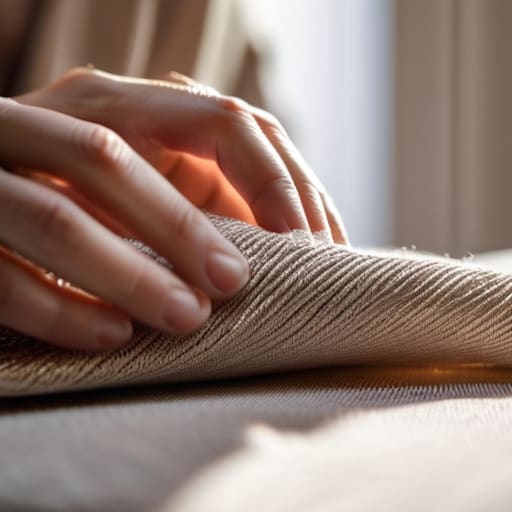
First, stop looking at the “New Arrivals” section of fast-fashion websites; that’s where the marketing budget goes, not the quality control. If you want to actually save money, you have to look at the fiber content on the inner tag. A polyester blend might look like a piece of the latest affordable teen fashion trends, but it’s going to pill and lose its shape after three washes, meaning you’ll be back in the shops by next month. I always tell my clients: if the fabric feels thin or suspiciously shiny, walk away. You aren’t saving money if you’re replacing a shirt every six weeks.
Second, learn the art of thrifting clothes for adolescents with an eye for construction. I don’t care if the brand name is obscure; I care if the shoulder seams are reinforced and the hem is deep enough to be let down. A heavy cotton hoodie from a charity shop is infinitely better than a designer one made of flimsy jersey. If you find something with a great silhouette but the sleeves are too long, don’t panic. That’s a fifteen-minute fix at a local machine, and it turns a hand-me-down into a custom fit.
Practical Tips and Steps
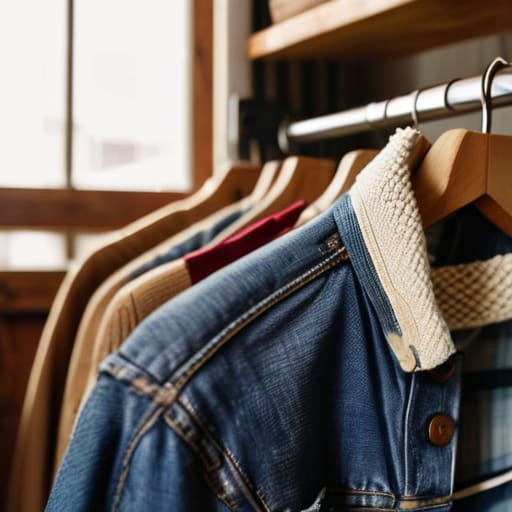
First, stop looking at the “New In” section of fast-fashion sites; that’s where the money goes to die. Instead, start thrifting clothes for adolescents with a very specific eye for fabric. I’m talking about heavy cottons, real denim, and wool blends. If you find a vintage Levi’s jacket at a charity shop for five pounds, it’s going to outlast three polyester ones from a high-street sale combined. If the shoulders fit but the waist is huge, don’t walk away—just factor in a fifteen-pound alteration fee. That’s still cheaper than buying a “trendy” piece that loses its shape after two washes.
Second, stop trying to buy a whole new identity every season. You can build a functional capsule wardrobe for teenagers by focusing on “bridge pieces” that work year-round. Think of a sturdy pair of black trousers or a thick denim shirt; these handle seasonal clothing transitions easily if you just layer them correctly. My rule of thumb: if you can’t wear it on a Tuesday, a Thursday, and a Saturday, it’s not a piece of clothing, it’s a costume. Focus on structural integrity over fleeting aesthetics.
Common Mistakes to Avoid

The biggest mistake I see is the “trend trap.” Parents see an influencer wearing something specific and think they need to buy the whole look to keep their teen happy. But most affordable teen fashion trends are built on polyester blends that pill after three washes and lose their shape by Tuesday. If you buy into the hype, you aren’t saving money; you’re just paying a subscription fee to a landfill. Instead of chasing every micro-trend, look for weighty fabrics—heavy cottons or sturdy denim—that can actually handle a teenager’s lifestyle.
Another massive blunder is ignoring the math of the “cheap” find. I’ve seen people spend forty pounds on a fast-fashion jacket that looks great in the shop, only to realize the armholes are cut so poorly that the whole garment is unwearable. That’s a wasted forty pounds. It is much smarter to focus on buying durable teen apparel that has enough seam allowance to be adjusted. If the shoulders fit and the fabric is solid, a quick trip to a local tailor to nip in the waist costs less than a lunch date and makes a thrifted find look like a designer piece.
Final Thoughts
Look, at the end of the day, dressing a teenager shouldn’t feel like a losing battle against a credit card statement. It’s easy to get sucked into the vortex of affordable teen fashion trends that look great in a thirty-second video but disintegrate after three washes. I’ve seen too many parents panic-buy a mountain of polyester because it’s cheap, only to end up spending more when those clothes end up in the bin by mid-semester.
Instead of chasing every micro-trend, aim for a functional capsule wardrobe for teenagers. If the fabric has some weight to it and the seams aren’t screaming under pressure, you’ve already won half the battle. Don’t be afraid to lean into thrifting clothes for adolescents or even hitting up a local tailor to nip in the waist of a secondhand find. If you prioritize how a garment actually sits on their body over how many logos are printed on the chest, you aren’t just saving money—you’re teaching them that style is about how you wear it, not how much you spent.
The Neve Method: 5 Ways to Stop Wasting Money on Teenager Clothes
- Prioritize fabric weight over brand names. A teenager is going to be rough on their clothes; they’ll be throwing bags on the floor and sitting on concrete. Skip the thin, trendy polyester blends that pill after three washes and look for heavy cotton or sturdy denim. A $15 heavy-weight cotton tee will outlast a $40 “designer” thin blend every single time.
- The “Tailor vs. Trend” Math. If your teen finds a vintage jacket at a charity shop that has a killer print but the sleeves are two inches too long, don’t walk away. A simple hem costs about the same as a fancy latte. Buying the secondhand piece and spending £10 at a local seamstress to make it fit perfectly is a better “investment” than buying a new, mediocre fast-fashion piece that’s already designed to fall apart.
- Shop for “Seam Allowance” and Growth. When buying trousers or skirts, check the inside of the seam. If there is extra fabric tucked in there (seam allowance), you can let them out as they grow. It’s a small detail, but it’s the difference between a garment lasting six months or two years. If the seam is raw or finished too tightly, you’re buying something that has an expiration date.
- Avoid the “Micro-Trend” Trap. If a garment only looks “right” because of a specific TikTok aesthetic that will be dead by next semester, do not buy it. These clothes are engineered for a single moment of social media relevance and are usually made with the cheapest possible construction. Stick to silhouettes that work on a Wednesday, not just for a Friday night photo.
- Learn the “Shoulder Test.” You can fix a waist, you can fix a length, and you can even fix a hem, but you cannot easily fix a shoulder that is too wide. When shopping economically, make sure the shoulder seams actually sit where the shoulder ends. If the shoulders are wrong, the whole garment is structurally broken, and no amount of cheap alterations will make it look like it wasn’t bought off a rack in a rush.
The Math of Looking Good
Stop treating a teenager’s wardrobe like a subscription service you can’t cancel. You don’t need a mountain of fast-fashion polyester that loses its shape after three washes; you need three heavy-weight cotton tees, a pair of trousers with enough seam allowance to be let out as they grow, and the foresight to spend twenty quid at a tailor to make a thrifted blazer actually fit their shoulders. Style isn’t a shopping problem, it’s a construction problem.
Neve Okonkwo-Barr
The Bottom Line
Look, dressing a teenager doesn’t require a massive credit limit; it requires a bit of tactical thinking. We’ve talked about why you should prioritize fabric weight and durability over whatever logo is currently trending on TikTok, and why a cheap pair of trousers can actually look high-end if you just spend fifteen quid to have the hem hit at the right spot. Remember that the goal isn’t to curate a Pinterest board, but to build a rotation of clothes that can survive a Tuesday morning bus ride and a Thursday afternoon hangout without falling apart at the seams. If you focus on fit and fabric rather than the brand name on the tag, you’ve already won half the battle.
At the end of the day, style isn’t about how much money you pour into a shopping bag; it’s about how much utility you get out of what you actually own. Don’t let the marketing departments make you feel like your teenager is “behind” just because they aren’t wearing a three-hundred-pound hoodie. A well-fitted, sturdy thrifted find or a properly altered high-street staple will always look better than an expensive garment that fits poorly and wears out in a month. Build a wardrobe that actually works for their life, and you’ll save your sanity and your bank account in the long run.
Frequently Asked Questions
If I find a great vintage jacket at a charity shop, how do I know if the fabric is actually worth the cost of getting the sleeves taken up?
Check the weight and the “give.” Give it a gentle tug; if the fibers feel brittle or the fabric sounds like paper when you scrunch it, walk away—that’s dry rot, and no amount of tailoring can fix structural decay. Look for natural blends like wool or heavy cotton. If it’s a dense, heavy weave that holds its shape, it’s worth the £15 to take up the sleeves. If it’s thin polyester that feels like a glorified bin bag? Leave it.
Is it actually cheaper to buy one high-quality heavy cotton hoodie or three cheap polyester ones that will pill after three washes?
It is significantly cheaper to buy the one heavy cotton hoodie. Let’s do the maths: those three polyester ones will pill, lose their shape, and start looking like felted scrap by month two. You’ll be back at the shops spending more money just to replace them. A heavy cotton piece has the weight to hold its structure and the fiber strength to survive a washing machine. Buy once, wash often, and stop funding the fast-fashion cycle.
At what point does the cost of alterations actually make a "bargain" item more expensive than just buying something that fits reasonably well from the start?
It’s a math problem, not a fashion one. If a vintage blazer is £10 but needs a hem, a waist nip, and new buttons, you’re looking at £40 in labor. If a high-street version is £45 and fits “okay,” buy the high-street one. The “bargain” becomes a trap when the alteration cost exceeds 50% of the garment’s retail value. Only dive in if the fabric is superior; don’t pay premium tailoring prices for polyester.
