I spent two years hunched over a sewing machine in a damp basement, pinning hems for brides who were paying thousands for dresses that were essentially held together by prayers and cheap polyester thread. It taught me one thing very quickly: a price tag is a lie. Marketing teams love to use the word “investment” to make you feel like buying a high-priced blazer is a financial strategy, but if the seam allowance is non-existent and the fabric pills after three wears, you haven’t bought an asset—you’ve bought a temporary costume. Learning how to decide what a garment is worth isn’t about knowing the designer’s name; it’s about knowing how much it’s going to cost you in repairs, alterations, and eventual landfill.
In this guide, I’m stripping away the brand hype to give you the actual math of style. I’m going to show you how to look at a fiber composition label like a pro, how to spot a seam that will actually survive a washing machine, and exactly when a “bargain” becomes a money pit because of the tailoring required to make it wearable. We aren’t shopping for trends here; we are building a wardrobe that actually works on a Wednesday.
The Math of Style How to Decide What a Garment Is Worth
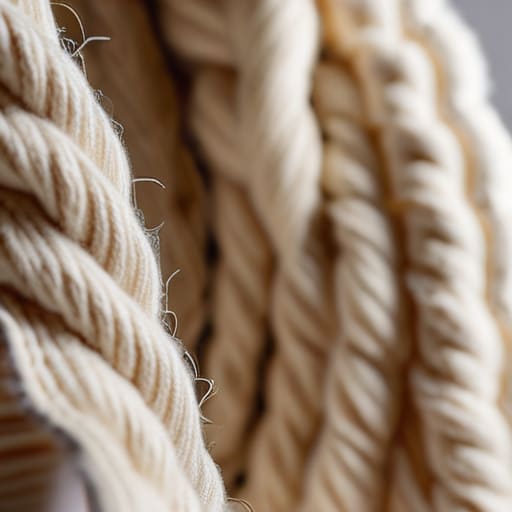
Stop looking at the price tag in isolation; that’s exactly how they get you. To figure out if a piece actually makes sense, you have to look at the seams and the fiber content. I always tell my clients to check the care label before they even touch the hanger. If it’s a high-percentage synthetic blend that’s going to pill after three washes, it’s not a “sustainable fashion investment”—it’s just expensive trash. I look for natural fibers with actual weight, like heavy cotton or wool, because clothing fabric durability is the only thing that keeps a garment from looking like a rag by next season.
Then, you have to factor in the “fix-it” tax. If you love a vintage blazer but the sleeves are two inches too long, you aren’t just paying the sticker price; you’re paying the sticker price plus £25 for a decent tailor. I use a mental version of the calculating cost per wear formula to see if the math holds up. If that £150 skirt only works for one specific wedding, it’s a bad deal. But if it survives the washing machine and works on a Tuesday morning, the math finally starts to work in your favor.
Beyond the Label Evaluating Garment Construction and Real Value
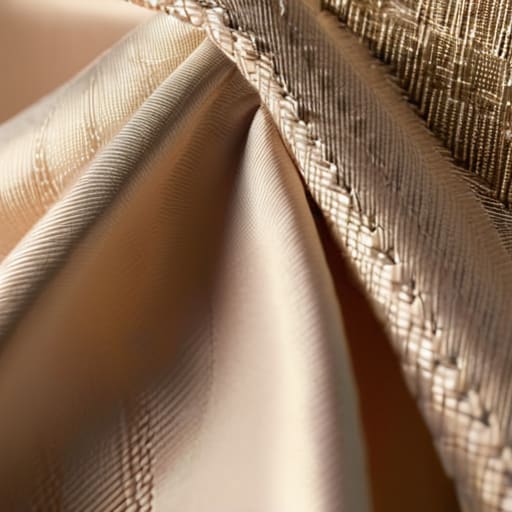
Stop looking at the price tag and start looking at the seams. When I’m sitting at my machine, I can tell within ten seconds if a piece is built to last or built to fall apart in a washing machine cycle. You need to start evaluating garment construction by turning the item inside out. If the seams are raw and fraying, or if there’s no binding on the edges, that “deal” is actually a ticking time bomb. A high-quality garment should have clean, finished internal edges and enough seam allowance that a tailor can actually work their magic if your body changes.
Don’t let a heavy weight fool you into thinking it’s quality; sometimes brands just use thicker, cheaper polyester to give a garment “heft.” Real clothing fabric durability comes from natural fibers like wool, linen, or heavy cotton that actually breathe and move with you. If the fabric feels scratchy or looks unnaturally shiny under the shop lights, walk away. You aren’t just buying a look; you’re buying a structural foundation for your life. If the construction is rubbish, no amount of styling will make it a sustainable fashion investment.
The Fabric Test Clothing Fabric Durability vs Pretty Marketing
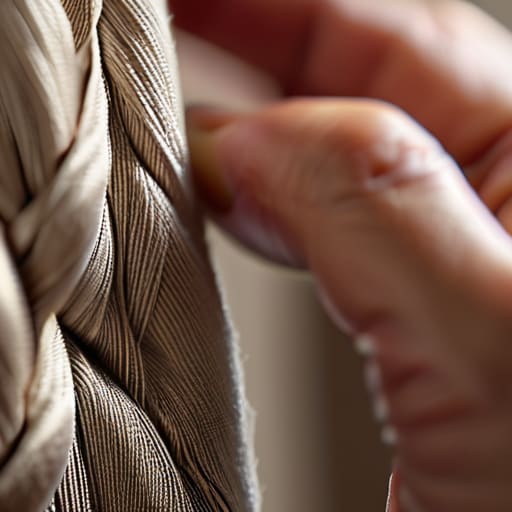
Marketing teams are masters at using words like “luxurious” or “premium” to describe things that are actually just shiny polyester. Don’t let the adjectives fool you; if you want real clothing fabric durability, you have to stop reading the blurb and start touching the actual weave. I always tell my clients to do the “scrunch test.” Grab a handful of the fabric, squeeze it tight for five seconds, and let go. If it stays looking like a crumpled piece of paper, that’s a sign the fibers are weak and won’t survive a single wash cycle without looking tragic.
You also need to look at the weight and the composition. A thin, flimsy knit might look cute on a mannequin, but it’s going to pill and lose its shape by Tuesday. When I’m evaluating garment construction, I’m looking for natural fibers like wool, linen, or heavy cotton that actually have some structural integrity. A heavy-weight cotton twill will hold a shape and withstand a tailor’s needle much better than a synthetic blend. If the fabric feels like it has no soul, it won’t have the wardrobe longevity you’re actually paying for.
Luxury vs Fast Fashion Value When Expensive Is Actually Worse
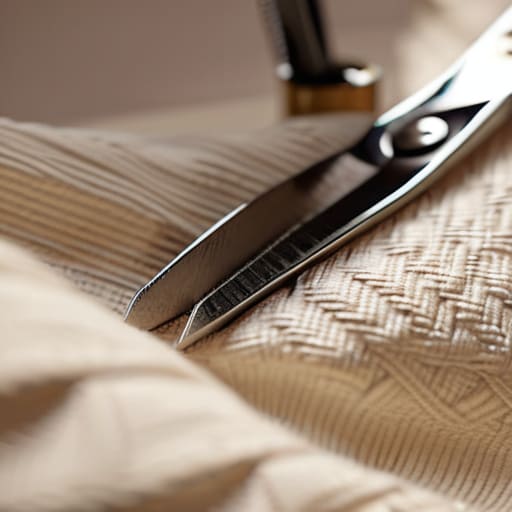
We need to stop treating “expensive” as a synonym for “quality.” I’ve spent enough time in basement studios to know that a £600 designer blazer can sometimes be a total disaster if it’s held together by nothing but brand recognition and thin, synthetic linings. I’ve seen luxury pieces with zero seam allowance—meaning if you even slightly change shape or the seam pops, a tailor can’t actually save it. On the flip side, a mid-range piece with a heavy cotton drill and reinforced stitching might actually win the luxury vs fast fashion value debate because it can survive a decade of washing and wearing.
The real trap is when a brand uses “luxury” marketing to mask poor construction. If a high-end shirt feels flimsy or the buttons are just sewn on with single-ply thread, it’s not an investment; it’s an expensive mistake. To get the math right, you have to look past the logo and check if the garment is actually built to be repaired or altered. If the construction is too delicate for a needle and thread to do its job, you aren’t buying a piece for your wardrobe; you’re just renting a status symbol that will fall apart by next season.
Mastering the Calculating Cost Per Wear Formula for Longevity
Stop looking at the price tag as a single, terrifying number and start looking at it as a weekly subscription. If you buy a £120 pair of trousers that you wear every single Tuesday for two years, that’s about £1.15 per wear. If you buy a £30 “bargain” top that loses its shape after three washes and sits at the bottom of a drawer, you haven’t saved money; you’ve just wasted £30. Using the calculating cost per wear formula is the only way to strip the emotion out of shopping. It turns a “treat yourself” impulse into a cold, hard logic check.
But here is the caveat that most influencers won’t tell you: the math only works if the item actually survives the journey. You can’t calculate the value of a garment that falls apart because the clothing fabric durability is non-existent. Before you run the numbers, check the seams. If the construction is flimsy, your cost per wear will skyrocket the moment the hem unravels. Real wardrobe longevity tips aren’t about buying more; they are about ensuring that every pound you spend is actually working for you every time you get dressed.
The Neve Okonkwo-Barr Checklist for Not Getting Ripped Off
- Check the seam allowance before you hit the till. If the fabric is cut so close to the stitching that there’s no room to let it out, you’ve bought a garment with a shelf life. If you gain even half a size or the seam puckers after one wash, that piece is dead to you.
- Do the “Light Test” on every single knit and woven. Hold the fabric up to the shop lights; if you can see the distinct pattern of the weave through it and it feels flimsy, it’s going to pill or lose its shape by next Tuesday. Real value lives in the weight of the cloth.
- Factor in the “Tailor Tax” immediately. Before you decide a £60 blazer is a steal, remember it’ll cost you £30 to nip the waist and another £20 to shorten the sleeves so they don’t swallow your hands. If the math doesn’t work with the alterations included, it’s not a bargain; it’s a project you can’t afford.
- Inspect the hardware like you’re looking for a reason to reject it. Zippers that feel like they’re made of recycled soda cans and buttons that are just glued on are red flags. A garment with cheap hardware is a garment that is designed to be thrown away, regardless of what the price tag says.
- Ask yourself if the garment is “Wednesday-ready.” If a piece is so high-maintenance or trend-heavy that you can only wear it to a specific wedding or a very specific brunch, its value is plummeting. A piece is worth its weight only if it can survive a boring, rainy Wednesday without making you feel like you’re wearing a costume.
The Real Price Tag
Stop looking at the number on the receipt and start looking at the seam allowance; a £200 jacket that needs £60 of tailoring just to sit right on your shoulders is a much more expensive mistake than a £40 thrift find that actually fits your life.
Neve Okonkwo-Barr
The Bottom Line
At the end of the day, deciding if a piece is worth your hard-earned money isn’t about following a trend or trusting a fancy logo; it’s about looking at the seams and the math. You have to weigh the cost of the item against the reality of its construction, the durability of the fiber, and—most importantly—the cost of the alterations needed to make it actually fit your life. If a jacket looks great but the fabric is paper-thin and the shoulders need a complete reconstruction, it isn’t a bargain; it’s a financial trap. Stop letting marketing departments convince you that a high price tag is a proxy for quality.
Building a wardrobe that works for you on a random Wednesday isn’t about having a closet full of “investment pieces” that you’re too afraid to actually wear. It’s about owning fewer, better things that have been vetted by your own eyes and your own calculator. When you stop shopping for an identity and start shopping for longevity and fit, you reclaim your power from the industry. You aren’t just buying clothes; you are building a toolkit for your life. So, next time you’re in that changing room, put the tag aside for a second, feel the weight of the fabric, and ask yourself: does this actually work, or am I just being sold a dream?
Frequently Asked Questions
If I find a high-quality vintage piece that fits perfectly but has a tiny tear or a missing button, is the cost of the repair actually worth the "savings" of buying second-hand?
If the fit is perfect and the fabric is real, the answer is almost always yes. A missing button is a £2 fix; a tiny tear in a silk blouse is a £15–£20 repair. Compare that to the £80 you’d spend trying to find a new one that actually sits right on your shoulders. If the repair cost is less than 20% of the garment’s replacement value, you haven’t lost money—you’ve won.
How can I tell if a cheap polyester blend is actually going to hold its shape after three washes, or if I'm just paying for a garment that will look like a crumpled paper bag by next month?
The “scrunch test” is your best friend here. Grab a handful of the fabric, squeeze it tight for five seconds, and let go. If it bounces back, you’re golden. If it stays looking like a crushed soda can, that polyester blend is going to look like a crumpled paper bag by Tuesday. Also, check the weight; if it feels flimsy or “crunchy,” it lacks the density needed to hold a shape once the water hits it.
At what point does the cost of professional alterations make a "bargain" item more expensive than just buying something that fits reasonably well from the start?
It’s a math problem, not a fashion one. If you find a gorgeous vintage blazer for £10 but it needs a £30 hem and £40 sleeve shortening, you’ve just spent £80 on a mid-range high street jacket. If the alteration cost pushes the total price above what a decent, ready-to-wear version costs, walk away. Only pull the trigger if the fabric and construction are so superior that the “total cost” still beats the alternative.
