I once spent three hours of a very expensive holiday in a hotel bathroom, hovering over a steaming shower like a madwoman, just trying to coax a linen shirt back to life. It was humiliating, and frankly, it was a waste of my time. The fashion industry loves to sell you these “travel-ready” capsules that are basically just expensive polyester blends masquerading as luxury, promising you’ll look pristine from the plane to the dinner table. But here is the truth: no amount of fancy packing cubes or “wrinkle-resistant” marketing jargon is going to solve your problem if you don’t understand the physics of fabric. If you want to learn how to travel without creasing everything, you have to stop looking for a magic gadget and start looking at your labels.
I’m not here to sell you a new way to fold a t-shirt; I’m here to show you the fabric math of a functional suitcase. I will tell you which weaves actually bounce back after a twelve-hour flight, which heavy silks are worth the weight, and exactly which items are a total scam for anyone who doesn’t want to live in a hotel steamer. We are going to build a wardrobe that survives the transit so you can actually enjoy your trip instead of fighting your clothes.
The Fabric Math Choosing Best Fabrics for Travel That Dont Fail
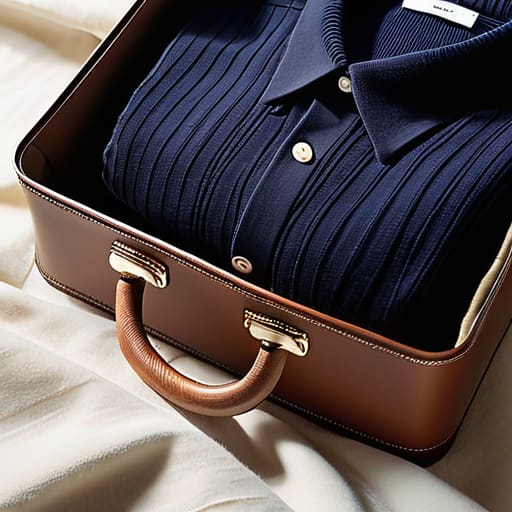
Before you even touch your suitcase, you need to look at the fiber content on those care labels. Most people think “expensive” equals “durable,” but I’ve seen £400 silk blouses turn into crumpled tissue paper the second they hit a hotel floor. If you want to avoid the nightmare of wondering how to remove wrinkles from clothes while traveling, you have to play the long game with your fabric choices. Synthetic blends—I’m talking polyester and nylon—are actually your best friends here because they have a “memory” that resists folding. If you’re looking for natural fibers, steer clear of lightweight linen unless you enjoy looking like you slept in a hedge; instead, opt for merino wool or heavy-weight crepe, which tend to bounce back much better after a long flight.
It’s also about weight and weave. A tightly woven cotton poplin will crease the moment you sit down in a taxi, whereas a heavier twill or a jersey knit will forgive almost anything. If you’re stuck with a piece that’s looking a bit sad, a quick spritz of wrinkle release spray for travel can do wonders, but it’s a band-aid, not a strategy. The real math is in the composition: if it’s 100% linen or thin silk, it’s not a travel piece; it’s a liability.
How to Travel Without Creasing Everything Using Smart Suitcase Organization
Forget everything you’ve seen in those aesthetic “pack with me” videos where everything is perfectly color-coordinated. Real travel is messy, and your luggage is essentially a high-pressure sandwich. If you want to avoid looking like you slept in a laundry basket, you need to stop treating your suitcase like a storage unit and start treating it like a structural engineering project.
The great debate is usually packing cubes vs rolling method, but here is the truth: neither is a magic wand if you don’t understand weight. I always tell my clients to put the heavy, structured items—think denim or heavy cotton twill—at the bottom near the wheels to create a flat foundation. Then, use the rolling method for your lighter knits and t-shirts to minimize surface tension. For those delicate silk blouses that refuse to cooperate, slip them inside a dry cleaner’s plastic bag before folding them; the air trapped in the plastic acts as a buffer, which is one of the most underrated suitcase organization tips for preventing clothing creases in luggage. It’s not about being neat; it’s about managing friction.
Packing Cubes vs Rolling Method the Engineering of Preventing Clothing Crea
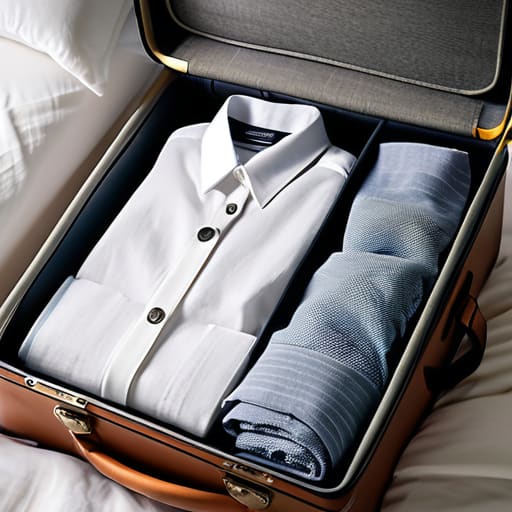
Look, I see people treating their suitcases like a game of Tetris, but if you aren’t thinking about tension, you’re just asking for a wrinkled mess. When you’re debating packing cubes vs rolling method, you have to realize they serve two different masters: space and structural integrity. Rolling is great for soft knits and jersey—things that don’t have a “memory” of being folded—but if you roll a crisp linen shirt, you’re just creating deep, circular canyons in the fabric. I usually tell my clients to roll the basics to save space, but leave the structured pieces for a flat lay.
Packing cubes are actually a secret weapon for preventing clothing creases in luggage, provided you don’t overstuff them. If you cram a cube until the zipper is screaming, you are essentially pressing your clothes with the weight of your entire wardrobe. That’s not organization; that’s a DIY iron. Use the cubes to compartmentalize your heavy denim away from your delicate silks, and you’ll find that your clothes actually arrive looking like they were hung in a closet rather than survived a wrestling match.
The Emergency Kit How to Remove Wrinkles From Clothes While Traveling

So, you’ve done the math, you’ve mastered the packing cubes vs rolling method, and you’ve arrived at the hotel only to find your linen shirt looks like it’s been through a paper shredder. Don’t panic and don’t immediately go hunting for a hotel iron—those things are often crusty, unmaintained, and liable to scorch a delicate synthetic blend. If you’re looking for how to remove wrinkles from clothes while traveling without a dedicated steamer, your best friend is actually physics and a bit of humidity.
The “Shower Steam” method is a classic for a reason: hang your garment on a sturdy hanger in the bathroom while you take a scorching hot shower. The ambient moisture helps relax the fibers, but it’s not magic. For stubborn creases, I swear by a DIY wrinkle release spray for travel. You don’t need to buy the expensive branded bottles; just mix a tiny bit of hair conditioner with water in a small spray bottle. It softens the fabric just enough to let the weight of the garment pull the wrinkles out. Just remember: test a small patch on the inside seam first. I’ve seen too many people ruin a good silk slip because they thought a heavy-handed spray was a substitute for actual care.
Why Wrinkle Release Spray for Travel Is a False Promise
Look, I get the appeal. You’re standing in a cramped hotel bathroom, staring at a linen shirt that looks like it was balled up in a gym bag, and you think a bottle of magic scented water is going to save you. But let’s be real: wrinkle release spray for travel is mostly just expensive, scented water. It works by adding moisture to the fibers to encourage them to relax, which is fine for a light cotton tee or a thin jersey knit, but it is absolutely useless against a heavy weave or a structured garment. If you’re trying to fix a crushed linen blazer or a heavy twill trouser with a spray, you aren’t solving the problem; you’re just making your clothes damp and slightly more fragrant.
The truth is, once a crease is set into a high-quality fabric through compression in a suitcase, a spray isn’t going to “reset” the memory of that fiber. If you rely on these sprays as your primary strategy for how to remove wrinkles from clothes while traveling, you are setting yourself up for a very frustrating morning. Instead of chasing a quick fix that doesn’t work, spend that energy on better suitcase organization tips or choosing the right textiles in the first place. A spray is a band-aid; a good wardrobe strategy is the actual cure.
The Practical Checklist: Five Ways to Outsmart Your Suitcase
- Stop packing your “nice” linen shirts in the middle of the pile; they are structural liabilities, not heavy-duty workers, so keep them on top or in a separate garment bag.
- Use the “inside-out” trick for patterned or delicate fabrics to protect the face of the cloth from friction, which is what actually causes those stubborn, permanent-looking creases.
- If you’re bringing a blazer, don’t fold it into a ball; use the “shoulder tuck” method where you turn one shoulder inside out and tuck the other into it to create a protective fabric cocoon.
- Check your fabric composition before you zip the bag—if it’s more than 40% synthetic like cheap polyester, it might resist wrinkles, but if it’s a low-quality blend, it’ll trap heat and set creases like concrete.
- Always leave a little “breathing room” in your suitcase; if you’re cramming clothes in until the zipper struggles, you’re essentially pre-pressing every single item with sheer force.
The Myth of the Perfect Suitcase
Stop looking for a magic packing cube or a miracle spray to save your look; if you pack a high-twist wool or a heavy jersey, you’ve already won. Travel creasing isn’t a packing problem, it’s a fiber problem.
Neve Okonkwo-Barr
The Bottom Line on Better Packing
Look, at the end of the day, preventing creases isn’t about buying a magic wrinkle-release spray that smells like a chemical factory; it’s about understanding the physics of what you’re putting in your bag. It’s the math of choosing a heavy jersey over a flimsy linen, the engineering of rolling versus folding, and knowing that fabric weight dictates how much stress a seam can take in a cramped suitcase. If you prioritize high-quality fibers and smart organization over more “travel gadgets,” you stop fighting your wardrobe and start actually wearing it. Don’t let a poorly planned suitcase dictate whether you look put-together or like you just rolled out of a laundry basket.
My final piece of advice is this: stop treating travel like a reason to abandon your personal style. You don’t need a brand-new “travel capsule” from a fast-fashion site that will fall apart by the second flight; you just need the clothes you already own to work for the reality of transit. Style isn’t about being pristine and untouchable; it’s about feeling capable in what you’re wearing, whether you’re at a business lunch or catching a delayed train. Pack for the life you’re actually living, not the aesthetic you saw on a curated feed, and I promise you’ll spend less time steaming and more time actually being there.
Frequently Asked Questions
If I have a linen shirt that’s already a mess, is it actually worth paying a local tailor to press it, or am I just throwing money away?
Look, if it’s just a few soft ripples, don’t bother. But if it’s that deep, structural “I slept in this” kind of mess, a local press is worth the £10–£15. A professional steam press hits the fibers differently than your hotel iron ever will. However, if the linen is thin or the seams are puckering, no amount of heat will save it. If the fabric is shot, save your money and buy a cotton blend next time.
How much should I realistically expect to spend on a decent steamer versus just trying to make do with a hot shower?
Look, the hot shower trick is a myth for anything heavier than a silk camisole; it just leaves you damp and frustrated. If you’re traveling for a week of meetings or weddings, budget £30–£50 for a decent handheld steamer. Don’t buy the £15 plastic ones that run out of water in three minutes—they’re a waste of money. A mid-range steamer actually hits the fibers with enough heat to relax them, saving you a frantic trip to a hotel laundry.
Are there specific types of heavy-duty garment bags that actually work, or is that just more marketing nonsense?
Most of them are just glorified plastic bags with a higher markup. If it’s thin, flimsy polyester, it’s marketing nonsense; it won’t stop a heavy coat from crushing a silk blouse. Look for structured, padded bags with a decent weight to the fabric—something that actually holds its shape. But honestly? Unless you’re hauling a bespoke suit or a heavy beaded gown, a sturdy garment bag is often just extra weight in your luggage.
