I spent three years pinning hems in a basement studio, and if there is one thing I learned, it’s that most “travel capsule” advice is absolute rubbish. You see these influencers posting about their perfectly curated, color-coordinated linen sets, acting like the secret to how to travel with fewer clothes is just buying a whole new wardrobe of expensive, matching neutrals. It’s a lie. They aren’t telling you that those thin, trendy fabrics will look like crumpled paper after one flight, or that a “minimalist” wardrobe is useless if the seams aren’t sturdy enough to handle a suitcase. You don’t need more aesthetic clothes; you need clothes that actually work.
I’m not here to sell you a lifestyle or a new collection of overpriced basics. Instead, I’m going to show you the actual math of a functional suitcase. We’re going to talk about fabric weight, why a heavy-duty wool blend is worth the extra kilo, and how to pick pieces that survive a wash in a hotel sink without losing their shape. I’ll tell you exactly what to look for in a seam so you can stop overpacking and start actually wearing your clothes.
Stop Packing Outfits and Start Calculating Versatile Clothing Combinations
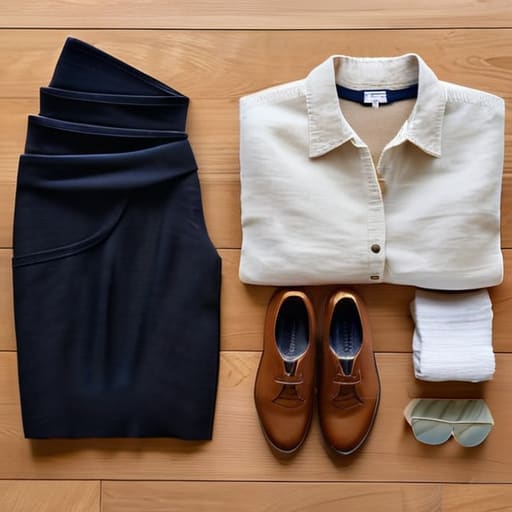
Stop thinking in terms of “outfits.” When you pack a “Tuesday outfit” and a “Wednesday outfit,” you’re essentially treating your suitcase like a series of separate, non-negotiable events. That is the fastest way to end up with a heavy bag and nothing to wear. Instead, I want you to look at your clothes as modular components. If you pick five pieces that all play well together, you aren’t just packing clothes; you are building a math equation that solves your morning routine.
The secret to versatile clothing combinations isn’t about having a million options; it’s about ensuring your top half works with every single bottom half. I always tell my clients to test the “three-way rule” before they even touch a suitcase: if a shirt can’t be worn with at least three different trousers or skirts, it’s dead weight. Focus on fabric choices for easy washing—think merino wool or high-quality synthetics that won’t look like a crumpled paper bag after an hour in a backpack. If you can’t wear it twice in different ways, it doesn’t make the cut.
The Fabric Math Choosing Lightweight Travel Essentials That Actually Last
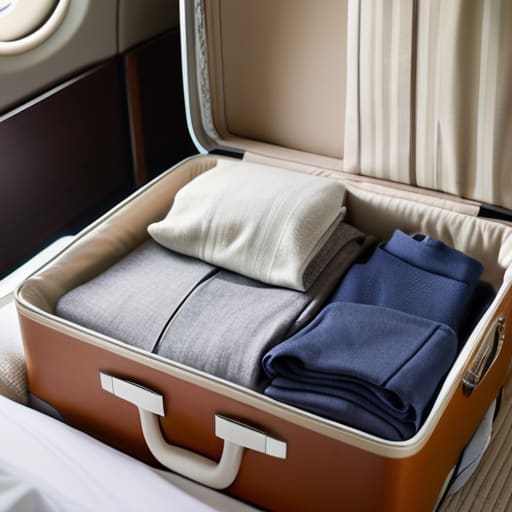
Here is the reality of the “vacation glow”: most people pack a suitcase full of heavy, high-maintenance fabrics only to realize by day three that they have nothing clean to wear. If you are trying to master carry-on only travel hacks, you have to stop looking at the print and start looking at the composition tag. I see it all the time—people bringing linen trousers that wrinkle the second you sit down in a taxi, or heavy cotton tees that take three days to air-dry in a hotel room. That isn’t a style choice; it’s a logistical nightmare.
Instead, do the math on your fabric choices for easy washing. Look for technical blends or high-quality merino wool. Merino is the holy grail because it doesn’t hold onto smells like a sponge, meaning you can wear it three times before it needs a sink-wash. If you’re opting for synthetics, make sure they have a decent weight so they don’t look like cheap gym gear. You want fabrics that hold their shape after being stuffed into a compression bag, not items that turn into a crumpled heap the moment you arrive.
How to Travel With Fewer Clothes Using a High Utility Capsule Wardrobe for
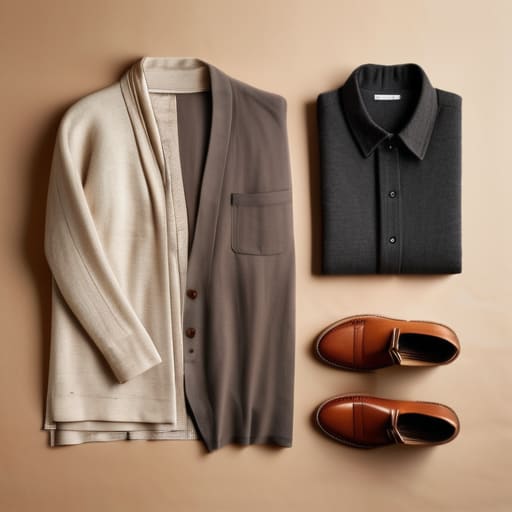
The secret to a successful capsule wardrobe for vacation isn’t about buying a “travel collection” from a fast-fashion site; it’s about looking at the math of your itinerary. If you are heading somewhere with varying temperatures, you need pieces that can bridge the gap between a breezy afternoon and a chilly dinner. I always tell my clients to pick a single color palette—usually neutrals with one accent—so every single top works with every single bottom. When you stop thinking in “outfits” and start thinking in interchangeable layers, you realize you can survive a ten-day trip with just six or seven well-made items.
Don’t let the weight of your bag dictate your style. Instead of cramming in five mediocre cotton tees that will lose their shape the moment they hit a hotel sink, invest in a few high-utility pieces. If you use packing cubes for efficiency, you can organize by category, which stops that frantic “where is my only clean shirt?” panic on day four. Just remember: if a garment doesn’t work with at least three other things in your bag, it stays on the hanger at home.
Beyond the Hype Minimalist Travel Wardrobe Tips for Real Life
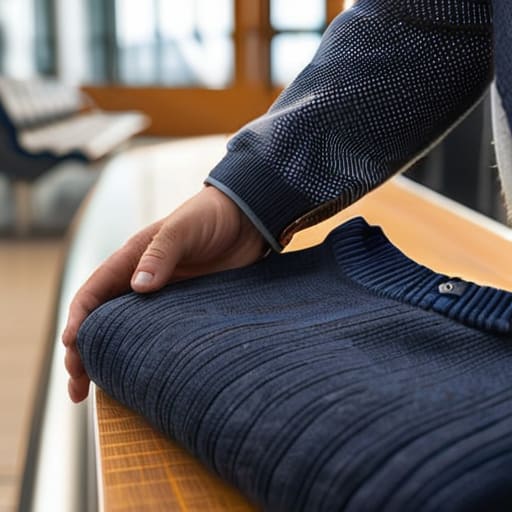
Let’s be real: most minimalist travel wardrobe tips you see on TikTok involve aesthetic linen sets that look great in a still photo but wrinkle the second you sit down in a cramped economy seat. If you’re actually moving through an airport, you don’t need “vibes”; you need structural integrity. I always tell my clients to look at the seam construction of their travel layers. If a shirt is so thin that the seams start to pucker after one wash, it’s not a travel essential—it’s a future rag. You want mid-weight synthetics or high-twist wools that can handle being stuffed into a bag and still look intentional by Tuesday.
Also, can we talk about the obsession with packing cubes for efficiency? They are great for organization, sure, but they aren’t magic. They won’t fix a wardrobe full of clothes that don’t talk to each other. If you’re trying to master carry-on only travel hacks, your real secret weapon is the “wear one, pack one” rule for heavy items like denim or structured blazers. Don’t waste precious cubic centimeters on a heavy jacket that you’re just going to wear on the plane anyway. Use that space for the high-utility pieces that actually do the heavy lifting.
Mastering Carry on Only Travel Hacks and Packing Cubes for Efficiency
Look, I’m going to be blunt: if you are trying to master carry-on only travel hacks by simply shoving more things into a smaller bag, you’ve already lost. You aren’t just fighting space; you’re fighting the physics of fabric. If you pack a heavy, unstructured denim jacket alongside a silk slip dress, you’ve wasted half your volume on one item that doesn’t play well with others. Instead, use packing cubes for efficiency to categorize by function rather than just “tops” and “bottoms.” I treat my cubes like a modular system—one for my base layers, one for my heavy-duty items, and one for the things that actually need to stay wrinkle-free.
The real secret to making this work is understanding how much weight your bag can actually handle before the zipper screams for mercy. Don’t just buy any cheap set of cubes; get the ones with mesh tops so you can actually see your versatile clothing combinations without exploding the whole bag on a hotel floor. If you can see the contents, you can plan the outfit. It’s about making the math work so you aren’t digging through a dark abyss for a clean sock at 6:00 AM.
The Practicality Check: 5 Rules for a Wardrobe That Doesn't Weigh You Down
- Audit your seams, not just your style. Before anything goes in the bag, check the stress points. If a shirt has a fraying collar or a loose hem, it’s going to look like a disaster by day three of travel. If it’s a quick fix, spend the £10 at the tailor now; if it’s a structural failure, leave it at home.
- The ‘Wednesday Test’ for every single item. Ask yourself: “Can I wear this on a boring, rainy Wednesday without feeling like I’m wearing a costume?” If an item only works for a specific “vacation vibe” or a fancy dinner, it’s dead weight. You need clothes that work when you’re just grabbing a coffee or walking to a museum.
- Prioritize natural fiber blends over “performance” synthetics. I see so many people packing cheap, shiny polyester because it’s “wrinkle-free,” but it smells like a gym locker after one wear and holds onto sweat. Bring a wool-blend or a heavy cotton; they breathe better, they hang better, and they don’t need an iron to look intentional.
- Stop packing “just in case” layers. If you’re packing a heavy sweater because it might get cold, you’re wasting space. Instead, bring one high-quality mid-weight layer that can be layered over a tee or under a coat. If you can’t mathematically prove that an item serves at least three different temperature scenarios, it doesn’t make the cut.
- Check your footwear’s footprint. One pair of versatile, broken-in boots or high-quality leather sneakers is worth more than three pairs of “trendy” shoes. Remember, the cost of a shoe is the cost of the blisters it gives you while you’re trying to navigate a new city. If it’s not comfortable enough to walk 15,000 steps in, leave it on your bedside table.
The Real Cost of Overpacking
Stop treating your suitcase like a safety net for every ‘what if’ scenario. If you pack based on outfits instead of fabric utility, you’re just hauling a heavy, wrinkled mess across three time zones. Real travel style isn’t about having a backup plan for every mood; it’s about picking five pieces with enough seam allowance and decent weight that they actually work together when you’re exhausted on a Tuesday night.
Neve Okonkwo-Barr
The Math of the Carry-On: Final Thoughts
At the end of the day, traveling light isn’t about deprivation; it’s about being smart with your resources. We’ve looked at why you need to stop thinking in “outfits” and start thinking in interchangeable layers, why fabric weight determines if you’re carrying a heavy burden or a lightweight asset, and how a few well-planned alterations can make a single pair of trousers work for both a hike and a dinner. If you prioritize high-utility pieces and understand the actual cost of what you’re stuffing into that bag, you aren’t just saving space—you are optimizing your mobility. Don’t let a bulky suitcase dictate how much of the world you actually get to see.
The industry wants you to believe that a “vacation wardrobe” requires a mountain of new, trendy pieces that will sit in your closet gathering dust the moment you get home. I’m telling you that’s a lie. Real style is about having the right tools for the job, and the job of travel is to move through the world with ease. When you build a wardrobe based on fit and function rather than seasonal hype, you stop managing your clothes and start managing your experiences. Pack less, move faster, and remember: the best thing you can take on a trip is a sense of freedom, not a third backup cardigan you’ll never actually wear.
Frequently Asked Questions
If I'm buying clothes specifically for travel, how do I know if the seam allowance is actually enough to let a tailor take them in if my weight fluctuates?
Turn the garment inside out. You’re looking for that extra flap of fabric between the stitching and the raw edge. If it’s less than half an inch, walk away—that’s a “dead end” garment. You want at least an inch of seam allowance; that’s the math that allows a tailor to let the waist or hips out if you’ve been living on pasta and wine. Don’t pay for “slim fit” if there’s no room to move.
Is it actually worth paying a professional to hem my trousers for a trip, or can I just do a temporary roll without looking like a mess?
If you’re just doing a weekend in a hostel, a neat cuff is fine. But if you’re trying to look intentional—not like you’re wearing your dad’s hand-me-downs—pay the twenty quid for a professional hem. A temporary roll adds bulk at the ankle, which ruins the line of the leg and makes cheap fabric look even cheaper. If the trousers are high-twist wool or heavy denim, they’ll hold a roll; if they’re flimsy viscose, skip it.
Which synthetic blends are actually durable enough to survive being stuffed into a carry-on without looking like a crumpled paper bag by Tuesday?
Look, if you’re packing a carry-on, stay away from 100% linen or cheap viscose; they’ll look like a crumpled paper bag by Tuesday. You want a high-twist wool blend or a heavy-weight polyester-viscose mix. Look for “technical” synthetics with a bit of elastane—about 2-5%—to help the fibers bounce back after being crushed. If the fabric has a bit of weight and a tight weave, it’ll survive the suitcase and the flight.
