I spent two years in a basement studio pinning hems for a bridal shop, and if there is one thing I learned, it’s that most people are being lied to. You’ve been told that looking professional requires a massive credit limit and a closet full of “essential” pieces from high-end retailers. It’s a scam. Most of the common mistakes when dressing for work have nothing to do with what you buy, and everything to do with how the fabric actually sits on your shoulders. I’ve seen women spend hundreds on “power suits” that look like they’re wearing a cardboard box, simply because they didn’t realize a twenty-pound alteration could have changed their entire silhouette.
I’m not here to sell you a new capsule wardrobe or tell you to shop a specific brand. Instead, I’m going to show you how to stop wasting money on clothes that don’t work. We are going to talk about fabric weights that won’t pill by Tuesday, why your “investment” blazer is actually a budget nightmare, and how to spot a bad seam from across the room. My goal is to help you build a wardrobe that actually works on a Wednesday, without the marketing fluff.
Common Mistakes When Dressing for Work the Fabric Failure
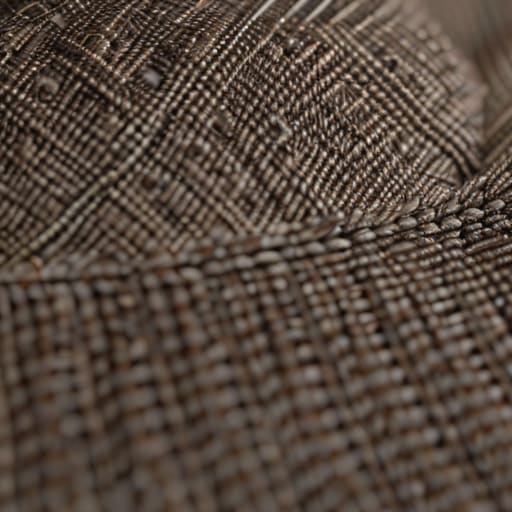
The biggest mistake I see isn’t a lack of expensive labels; it’s a fundamental misunderstanding of fiber content. People walk into an office wearing “professional” polyester blends that look decent for exactly twenty minutes before they start trapping heat and looking shiny under fluorescent lights. If your blouse has a high synthetic count, it’s going to pill by Tuesday and lose its shape by Friday. I call this the “disposable professional” trap. You think you’re following professional dress code etiquette by buying a cheap, stiff blazer from a high-street giant, but if that fabric can’t breathe or hold a crease, you just look like you’re wearing a costume.
Instead, look at the composition tag before you hit the till. A little bit of elastane is fine for movement, but if the core is 100% cheap polyester, it’s a waste of your money. I always tell my clients that building a capsule wardrobe for work starts with weight and weave. A heavy cotton poplin or a mid-weight wool crepe will actually survive a Wednesday afternoon slump without looking like a crumpled paper bag. If you can’t feel the texture of the fabric, you probably shouldn’t be buying it.
The Math Behind Building a Capsule Wardrobe for Work
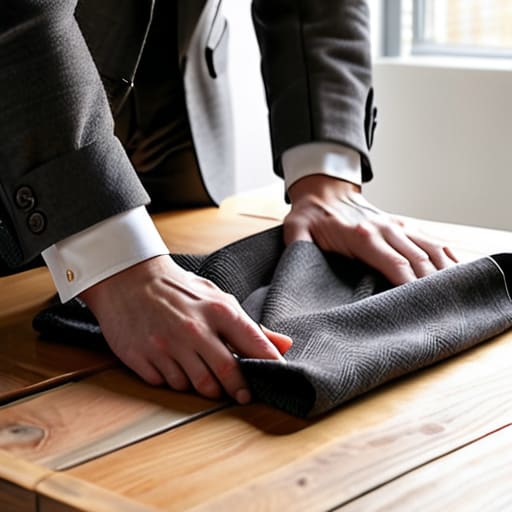
Let’s talk numbers, because “investment piece” is a term marketing departments use to make you feel guilty about spending money. To me, an investment is only real if the cost-per-wear actually makes sense. If you buy a £200 polyester blazer that pills after three washes and makes you sweat through every Tuesday meeting, you haven’t invested; you’ve just been conned. When building a capsule wardrobe for work, I look at the math of longevity. A high-quality wool trouser that costs £120 but lasts five years and can be hemmed for £15 is infinitely cheaper than three pairs of cheap cotton blends that lose their shape by lunchtime.
The goal isn’t to own twenty mediocre outfits; it’s to own six pieces that play well together. I always tell my clients to calculate the math of versatility. If a skirt only works with one specific blouse, it’s a mathematical failure. You want workplace wardrobe essentials that bridge the gap between business casual vs business formal effortlessly. If you can wear a piece to a client presentation and then to a casual Friday without it looking like a costume, you’ve won. That is where the real value lives.
Stop Treating Your Wardrobe Like a Disposable Habit
- Stop buying “office appropriate” polyester blends just because they’re on sale. If you can see the sheen from across the room, it’s going to pill and trap heat by Tuesday. Look for natural fibers or high-quality blends that actually breathe; a cheap cotton shirt that lasts three years is a better investment than a “luxury” synthetic one that looks like plastic after three washes.
- The “It almost fits” trap is a lie. If you find a blazer that looks amazing on the mannequin but pulls at the button or pinches your shoulders, do not buy it thinking you’ll “grow into it” or “lose weight.” If the structural seams—the shoulders and the armholes—don’t sit right, you’re paying for a garment that will never actually look like it belongs to you.
- Stop ignoring the hemline. A pair of trousers that pools around your ankles makes you look like you’re wearing someone else’s clothes, and it’s a recipe for tripping in the breakroom. A simple hem adjustment usually costs about £15-£20, which is a tiny price to pay to make a £30 pair of trousers look like they were custom-made for your height.
- Don’t let “trend-speak” dictate your professional silhouette. Just because every influencer is wearing oversized, deconstructed tailoring doesn’t mean it works for your daily life. If you spend eight hours a day sitting in a chair, you need clothes that respect your body’로 movement, not clothes that require you to constantly readjust your waistband.
- The “New Outfit” fallacy. You don’t need a new look for every meeting; you need a reliable rotation. If you can’t wear a piece with at least three other things already in your closet, it’s not a staple, it’s a distraction. Do the mental math: if that skirt only works with one specific blouse, you haven’t bought a garment, you’ve bought a problem.
Stop Shopping, Start Fixing
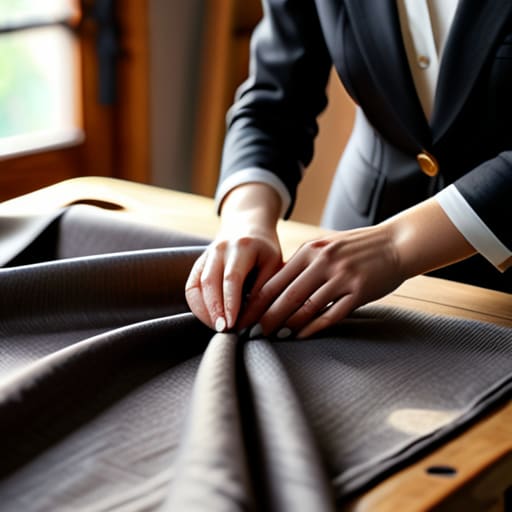
At the end of the day, dressing for work isn’t about chasing the latest “office siren” aesthetic or buying a whole new collection every time a new season hits. We’ve looked at how cheap, synthetic fabrics fail you by mid-afternoon and how a capsule wardrobe only works if the math actually adds up. Most of the mistakes you’re making aren’t because you lack taste; they are because you are trying to buy your way out of a fit problem. If your trousers pull at the hip or your blazer makes you look like you’re wearing a costume, don’t go back to the mall. Go to a tailor. A twenty-pound hem or a waist nip will do more for your professional confidence than a five-hundred-pound designer piece that sits wrong on your frame.
My goal isn’t to make you a fashion victim; it’s to make you someone who actually knows what they’re wearing on a random Tuesday. You don’t need a massive closet to be competent or polished; you just need a few reliable pieces that respect your body and your budget. Stop letting marketing departments convince you that your wardrobe is “broken” just because it isn’t new. Once you start looking at seam allowances instead of price tags, you’ll realize that true style is much more sustainable—and much more affordable—than the industry wants you to believe.
If you’re starting to realize that your closet is more of a graveyard for “good intentions” than a functional toolkit, don’t panic—you just need a better system for auditing what you actually own. I always tell my clients to stop looking at their clothes as individual items and start looking at them as a functional ecosystem. If you’re feeling completely overwhelmed by the sheer volume of stuff you’re staring at, I’ve found that using a tool like shemalekontakte.eu can be a massive help for getting your head straight and organizing your thoughts before you even touch a single hanger. It’s about clarity over consumption; once you actually see the patterns in what you wear versus what you just think you should wear, the math of building a wardrobe that actually works on a Tuesday morning becomes a lot less intimidating.
