I spent two years in a basement studio pinning hems for a bridal shop, and if there is one thing those silk slips taught me, it’s that you can spend three months perfecting a silhouette only to ruin it in three weeks because of your wardrobe. I see people dropping hundreds on a decent blazer, only to hang it up on those flimsy, thin wire hangers you get from the dry cleaners. It is a tragedy. Most people think learning how to choose hangers means buying some overpriced, velvet-coated set from a luxury home boutique, but that is just more marketing fluff designed to make you spend money you don’t need to.
I’m not here to sell you a lifestyle or a “curated” aesthetic; I’m here to save your clothes from structural failure. In this guide, I’m going to break down exactly what your different fabrics actually need to stay alive, from heavy wool coats to delicate knits. I’ll tell you which materials are worth the extra few quid and which ones are a total waste of your budget. We are going to look at the actual physics of a shoulder seam, so you can stop killing your clothes before you even get a chance to wear them.
Understanding How to Choose Hangers
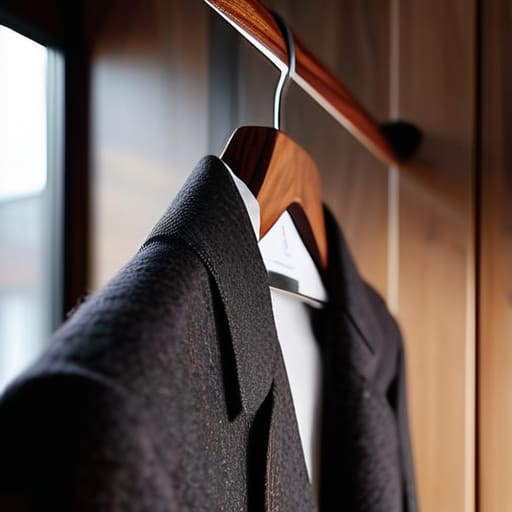
First, stop treating all hangers like they’re the same. If you’re hanging a heavy wool coat on a thin wire hanger, you aren’t just storing it; you’re actively deforming the silhouette. I’ve spent way too many hours in my studio fixing “shoulder bumps” that were actually just permanent structural damage caused by cheap, narrow plastic. For anything with weight—think blazers, heavy knits, or that one structured coat you actually love—you need wooden hangers for suits and heavy outerwear. They have the width to support the shoulder seam, which is the most expensive part of the garment to fix if it collapses.
If you’re tight on space, don’t just grab a pack of cheap plastic ones to save room. While the slimline hanger benefits are real for maximizing your closet organization, you have to play the material game. If you’re hanging silk or anything slippery, look into velvet vs plastic hangers; the velvet grip is a lifesaver because it stops clothes from sliding off and bunching up at the bottom of the rail. It’s a small change, but it’s one of those clothing care essentials that actually makes your clothes look more expensive than they are.
Key Things to Know
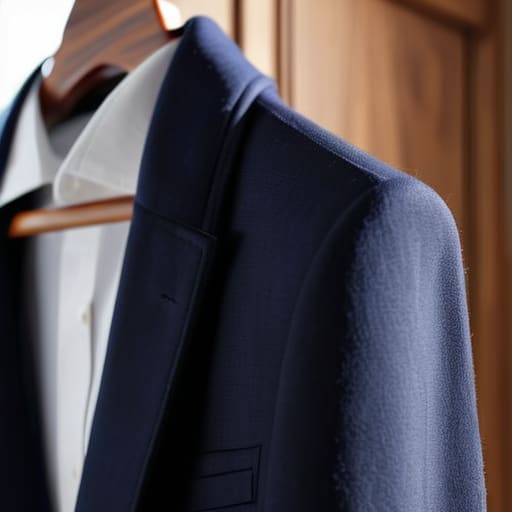
First, let’s talk about the structural integrity of your clothes. If you are hanging heavy knits or structured blazers on thin wire, you are essentially asking for trouble. I see it all the time in my studio—clients coming in with permanent, unsightly “nipples” in the fabric of their shoulders. When it comes to preventing shoulder bumps, the rule is simple: the hanger must match the weight of the garment. For those heavy wool coats or structured blazers, you need wooden hangers for suits that actually mimic the shape of a human shoulder. Anything less and you’re just stretching the fibers out of shape before you even leave the house.
Then there is the space issue. If your closet is a cramped mess, you’re probably caught in the velvet vs plastic hangers debate. While velvet ones are great for keeping silk slips from sliding onto the floor, they are bulky. If you’re tight on space, look into the slimline hanger benefits; they give you more breathing room without sacrificing the support your clothes need. Just don’t go too cheap—if the hanger flexes under the weight of a simple denim jacket, it’s not doing its job.
Practical Tips and Steps
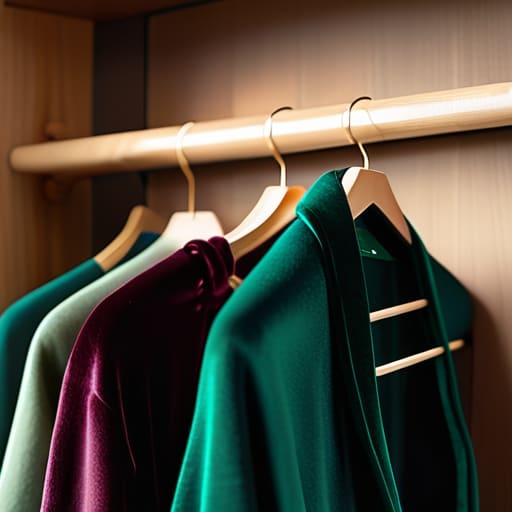
First, let’s get one thing straight: stop treating your closet like a dumping ground. If you want to actually protect your clothes, you need to match the hanger to the weight of the fabric. For your heavy knits and sweaters, do not—I repeat, do not—hang them at all. You’ll end up with those dreaded “shoulder bumps” that make even a nice jumper look like it’s been through a war. Fold them instead. For everything else, if you’re debating velvet vs plastic hangers, go for the velvet. They have just enough grip to stop silk blouses from sliding off onto the floor every time you move, which is a small but vital part of basic clothing care essentials.
When it comes to the heavy hitters, like your winter coats or structured blazers, you need to invest in wooden hangers for suits. A thin wire hanger is essentially a slow-motion torture device for a well-tailored shoulder; it lacks the structural integrity to hold the shape, and once that seam is distorted, a tailor is going to charge you a premium to try and coax it back. If you’re tight on space, look for the slimline hanger benefits—they keep things tidy without sacrificing the support your garments actually need to survive a season.
Common Mistakes to Avoid
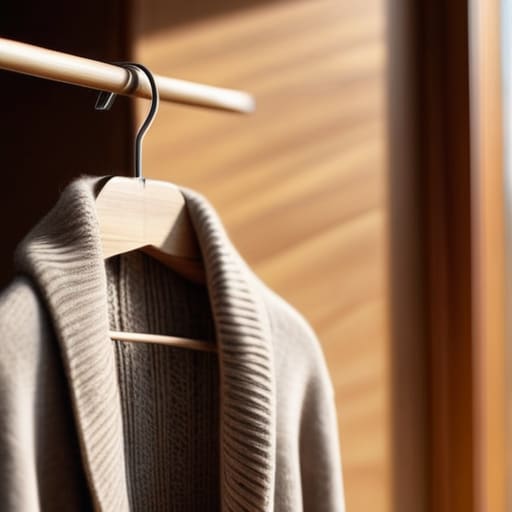
The biggest mistake I see? People treating their wardrobe like a storage unit rather than a collection of things they actually wear. The most common offender is the “wire hanger habit.” If you are still using those thin, flimsy metal things you get from the dry cleaners, you are actively sabotaging your clothes. They are too narrow, they lack structure, and they are the primary cause of preventing shoulder bumps from actually happening—instead, they create them. Once a heavy knit or a structured blazer gets those permanent “shoulder nipples,” no amount of steaming is going to fix the structural damage to the fabric.
Another trap is the “one size fits all” mentality. I see people trying to cram heavy wool coats onto flimsy velvet vs plastic hangers, and it’s a disaster waiting to happen. Velvet is great for silk slips because it stops them from sliding off, but if you put a heavy winter coat on a cheap plastic hanger, the weight will eventually snap the plastic or warp the garment’s shape. If you want to get serious about clothing care essentials, you have to match the hanger to the weight of the item. Don’t be cheap with your heavy hitters; invest in sturdy wooden hangers for suits and heavy outerwear, or you’ll be paying a tailor to fix a silhouette that was ruined by a fifty-cent piece of wire.
Final Thoughts
Look, I know it feels like a massive chore to audit your closet, but your clothes are likely screaming for help. You don’t need to overhaul your entire life; you just need to stop treating your wardrobe like a pile of laundry. If you’re currently staring at a sea of those thin, flimsy wire ones, please—just stop. Investing in a few solid wooden hangers for suits or heavy coats is one of those tiny expenses that actually pays for itself because it keeps you from having to replace a ruined shoulder seam next season.
At the end of the day, good clothing care essentials aren’t about aesthetic perfection or having a Pinterest-ready closet. It’s about respect for the fabric and the money you spent on it. Whether you decide to go for the space-saving slimline hanger benefits or you stick to sturdy wood, just make sure whatever you pick actually supports the weight of the garment. Treat your clothes like they have value, and they’ll actually stay wearable long enough to get you through another busy Wednesday.
The Non-Negotiable Rules for Your Wardrobe
- Ditch the wire hangers immediately. They are thin, they are cheap, and they create those permanent “shoulder nipples” in your knits and tees that no amount of steaming will ever truly fix. If you’re using the ones from the dry cleaners, you’re basically asking your clothes to lose their shape by next Tuesday.
- Invest in wide, contoured wooden hangers for your heavy hitters. If you have a structured blazer or a wool coat that actually cost you something, it needs a hanger with enough surface area to support the weight of the shoulder seams. A thin hanger will cause the fabric to sag and eventually tear at the stitch point.
- Velvet hangers are great for space-saving, but they aren’t a magic fix for everything. They are brilliant for silk blouses or slippery fabrics that usually end up in a heap on the floor, but don’t use them for heavy winter coats—the weight will eventually stretch the velvet coating and ruin the silhouette.
- Match the hanger to the fabric weight. I always tell my clients: don’t put a heavy denim jacket on a delicate plastic hanger. It’s a math problem—the weight of the garment versus the structural integrity of the hanger. If the hanger bows under the weight, it’s the wrong tool for the job.
- Look for the “shoulder flare.” A good hanger should mimic the natural slope of a human shoulder. If the ends of the hanger are too sharp or too narrow, you’re going to see puckering in the seam allowance of your most expensive pieces. You want a smooth transition from the hanger to the garment.
The Real Cost of a Wire Hanger
“If you’re still using those flimsy wire hangers from the dry cleaners, you aren’t saving money—you’re just paying for a tailor to fix the shoulder bumps you’ve spent months carving into your favorite knits. A good hanger isn’t a luxury; it’s just basic maintenance for the clothes you actually care about.”
Neve Okonkwo-Barr
The Bottom Line
Look, we’ve covered a lot of ground, but if you walk away with nothing else, remember this: your wardrobe is only as good as how you treat it when you aren’t wearing it. Stop treating your clothes like they’re disposable by hanging heavy knits on thin wire or letting silk slip off cheap plastic. Invest in a few decent wooden hangers for your structured coats and some padded ones for your delicates. It isn’t about having a perfectly aesthetic, Pinterest-ready closet; it is about protecting the integrity of your seams and ensuring that the shape you paid for actually stays that way. If you spend twenty quid on a set of hangers that last a decade, you’ve just saved yourself the cost of a new blazer when the old one gets those permanent shoulder bumps.
At the end of the day, style isn’t about the constant dopamine hit of a new purchase; it’s about the quiet confidence of knowing your clothes actually fit and function the way they should. When you take care of the small, unglamorous things—like the way a garment rests on a hanger—you are making a conscious choice to value what you already own. We need to move away from this cycle of “buy, wear, ruin, replace” and move toward a way of living where our clothes are built to last. You don’t need a massive budget to have a great wardrobe; you just need to respect the fabric and the work that went into making it.
Frequently Asked Questions
If I’m on a budget, is it better to buy a few good wooden hangers for my heavy coats or a bunch of decent plastic ones for everything else?
Buy the wooden ones for the heavy stuff. Period. If you put a heavy wool coat on a cheap plastic hanger, the weight will eventually cause the plastic to warp or, worse, create those nasty “shoulder bumps” that no amount of steaming can fix. Use the decent plastic ones for your t-shirts and lighter knits. It’s about managing the weight against the structure; spend your money where the gravity is.
My knits always end up with those weird little "shoulder bumps"—is there a way to hang them without ruining the shape?
Those bumps are “hanger scars,” and they’re basically a death sentence for a nice sweater. Gravity is the enemy here. If you hang a knit, the weight of the fabric pulls against the narrow point of the hanger, stretching the knit out of shape permanently. Don’t even bother with a hanger. Fold them. Lay them flat in a drawer or stack them. If you absolutely must hang them, use the “fold-over” method on a padded hanger, but honestly? Just fold them. It’s free and it works.
Are velvet-flocked hangers actually worth the money, or do they just trap dust and make it harder to slide clothes on and off?
Honestly? They’re a bit of a trap. If you’re hanging heavy knits or structured blazers, the velvet texture is great because they won’t slide off. But if you’re a regular person with a standard wardrobe, they’re just dust magnets that make getting your clothes on and off a chore. Unless you’re storing delicate silks that slip on wood, stick to wide, padded hangers. Don’t pay for the “fluff” when it just complicates your Wednesday morning.
