Stop letting fashion magazines convince you that “business casual” is a secret language only the elite can speak. It’s not a riddle, and it certainly isn’t something you can solve by dropping a month’s rent on a designer blazer that fits like a cardboard box. Most people think they’re failing a dress code because they don’t own the “right” brands, but that is total nonsense. The truth about how dress codes are actually read has nothing to do with your price tag and everything to do with the signals your silhouette sends before you even open your mouth. If your trousers are pooling around your ankles or your shoulder seams are sagging two inches too low, you aren’t looking “relaxed”—you’re looking unkempt.
I’m not here to sell you a new capsule wardrobe or a subscription to a trend report. Instead, I’m going to show you how to decode these social signals using the clothes you already own and a bit of strategic tailoring. We are going to talk about fabric weight, how a crisp collar changes your perceived authority, and exactly which small, cheap fixes can make a high-street shirt look like it was made for you. I’ll show you how to master the code without becoming a slave to the shopping mall.
Stop Buying Outfits How Dress Codes Are Actually Read

When you see a line on an invitation like “semi-formal vs cocktail attire,” your first instinct is probably to open a shopping app and start scrolling. Stop. You aren’t looking for a new outfit; you are looking for a way to signal that you understand the room. People aren’t scanning you for the brand name on your label; they are looking at the weight of your fabric and the crispness of your silhouette. A cheap polyester blend that clings in all the wrong places will scream “I panicked and bought this on Tuesday,” regardless of how much it cost.
Instead of chasing a trend, focus on deciphering invitation terminology through the lens of structure. If it’s a formal event, it’s about the architecture of the garment—the sharp shoulder, the heavy drape, the way a seam holds its line. Understanding event dress codes is really just about reading the social cues in fashion: are you meant to blend into a structured environment, or are you there to provide a bit of texture? Once you stop treating every event like a costume change and start treating it like a matter of correct proportions, you’ll realize you already own most of what you need.
Deciphering Invitation Terminology Without a Personal Stylist
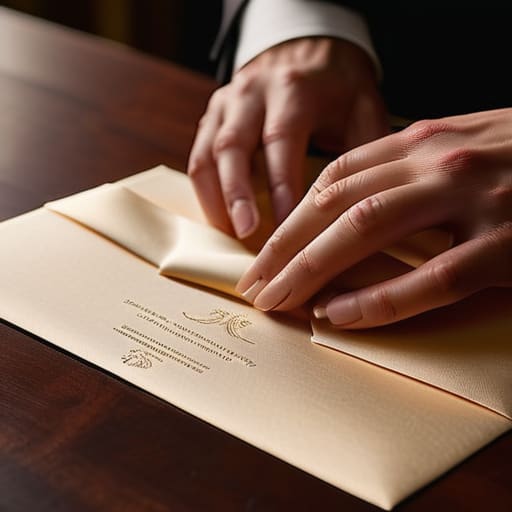
When you open an invitation and see a term that sounds like it was plucked from a Victorian novel, don’t panic and immediately refresh your shopping cart. Most people treat deciphering invitation terminology like a high-stakes exam, but it’s actually just a shorthand for how much effort the host expects you to put into your silhouette. If you see “Cocktail,” they aren’t asking for a ballgown; they’re asking for a polished version of what you’d wear to a nice dinner. If it says “Semi-formal,” you have a bit more breathing room with fabric weight and structure.
The real trap is the grey area between semi-formal vs cocktail attire, where people often overspend on cheap, shiny synthetics thinking “fancy” equals “expensive.” It doesn’t. A well-tailored, matte wool trouser or a heavy silk slip dress will always read higher than a polyester sequin number that fits poorly. Stop trying to decode the mystery with a credit card. Instead, look at the social cues of the venue. A garden wedding requires different breathability than a hotel ballroom, regardless of what the card says.
The Real Cost of Misreading Social Cues in Fashion

The real cost of misreading a dress code isn’t just a moment of awkwardness; it’s the mental tax of feeling like you’re wearing a costume instead of clothes. When you show up to a wedding in a stiff, polyester suit because you thought “semi-formal vs cocktail attire” meant “wear your best cheap suit,” you aren’t just dressed down—you’re out of sync. You spend the entire evening tugging at a collar that’s too tight or worrying that your fabric looks too casual against the heavy silks of everyone else. That discomfort is a distraction you didn’t pay for, and it’s a waste of a perfectly good evening.
More importantly, misreading these signals can actually change how people interact with you. It’s not about being snobby; it’s about the energy you bring to the room. If you completely miss the nuances of black tie, you might feel like an outsider looking in, rather than a participant. I see this constantly: people spending hundreds on a “statement piece” that completely ignores the social cues in fashion, only to realize later that the garment is too loud for the setting. You don’t need a bigger budget; you just need to read the room before you reach for your credit card.
Semi Formal vs Cocktail Attire the Nuances That Matter
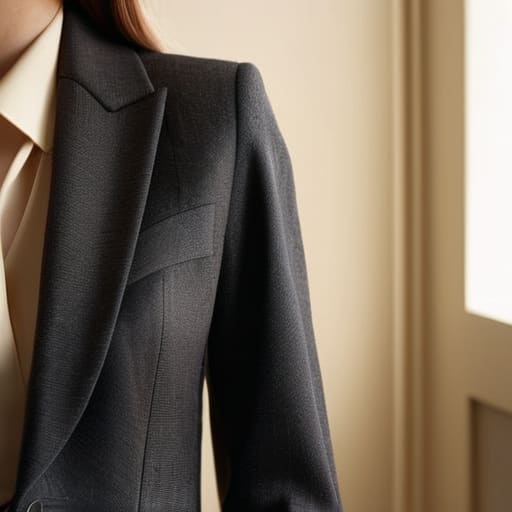
This is where the most people trip up, usually by overspending on something they’ll only wear once. When you’re deciphering invitation terminology, the jump from semi-formal to cocktail isn’t about how much money you spent; it’s about the vibe of the room. Semi-formal is the “polite” middle ground. It’s about looking put-together without looking like you’re headed to a gala. Think structured fabrics—crepe, a nice wool blend, or a heavy silk—and silhouettes that feel intentional. It’s less about the sparkle and more about the neatness of the lines.
Cocktail attire, however, is where the social cues in fashion shift toward personality. If semi-formal is a conversation, cocktail is a statement. You can play with textures, deeper colors, or slightly more daring cuts, but you still need to respect the occasion. I always tell my clients: if you’re staring at a dress and wondering if it’s “too much,” it’s probably perfect for cocktail, but it’ll make you look like you’re trying way too hard for a semi-formal dinner. The goal is to match the energy, not just the label.
Mastering the Nuances of Black Tie and Formal Etiquette
Now, let’s talk about the big one: Black Tie. When people see this on an invite, they often panic and think they need to drop a month’s rent on a designer tuxedo or a floor-length gown. Stop. The nuances of black tie aren’t about the brand name on the label; they are about the rigidity of the silhouette. Black tie is a uniform for a reason. It’s meant to create a streamlined, cohesive visual field where no one person stands out more than the occasion itself. If you’re a man, that means a crisp, well-pressed dinner jacket and trousers with a silk stripe—and if the trousers are pulling at the crotch because you bought them off the rack, go see a tailor. For women, it’s about fabric weight and length. A heavy silk crepe or a structured velvet will hold its shape much better than a flimsy polyester blend that clings to every seam.
Understanding event dress codes at this level means realizing that “formal” is a structural commitment. You aren’t just putting on clothes; you are adhering to a specific set of formal attire etiquette that relies on clean lines and high-quality textiles. If you’re working with something vintage, check the shoulder construction first. A sagging shoulder on a formal gown ruins the entire intentionality of the look. Remember, the goal isn’t to look expensive—it’s to look correct.
The Non-Negotiable Cheat Sheet for Not Looking Like You’re Trying Too Hard
- Read the fabric, not the label. A “formal” invitation doesn’t care if your dress cost £500 or £5; it cares if the fabric is a flimsy, shiny polyester that screams “fast fashion” or a heavy, matte crepe that holds its shape. If the fabric looks like it’ll be inside-out by the time you reach the buffet, it’s the wrong code.
- Respect the silhouette’s integrity. You can take a cheap blazer to a tailor and have the waist nipped in for about £20, and suddenly it looks like it belongs in a different tax bracket. Conversely, if you take an expensive, structured piece and try to “relax” it with a belt that puckers the fabric, you’ve just wasted your money. Fit is the signal; don’t muddle it.
- Stop using “accessories” as a band-aid for bad construction. If you’re trying to make a casual linen shirt work for a cocktail event by just adding a statement necklace, you’re losing the battle. A dress code is read through the weight and drape of your primary layers, not the shiny things you’ve draped over them to distract from a lack of structure.
- The “One Step Up” rule is a lie—aim for “One Step Consistent.” If the code is Business Casual, don’t show up in a full suit just to feel “safe.” You’ll look like you’re interviewing for a job that doesn’t exist. Instead, pick one high-quality, well-fitted element—like a heavy cotton chino or a structured knit—and build around that level of formality.
- Check your seams before you check your hair. People read your clothes from the ground up and the shoulder down. If your trousers are pooling around your ankles because you didn’t hem them, or your shoulder seams are drooping halfway down your bicep, you aren’t “effortlessly chic”—you’re just poorly fitted. A £15 hem job is the cheapest way to signal you actually know what you’re doing.
The Signal in the Seam
People think a dress code is a list of forbidden items, but it’s actually just a way of checking if you understand the room. You aren’t being judged on the brand name on your tag; you’re being read by the weight of your fabric, the sharpness of your silhouette, and whether your clothes look like they were actually meant to be worn by you.
Neve Okonkwo-Barr
The Bottom Line
At the end of the day, navigating a dress code isn’t about owning a specific brand or having a closet full of “event” wear; it’s about reading the room and understanding the signals your silhouette sends. We’ve covered how to decode the jargon, why the distinction between cocktail and semi-formal actually matters, and how to avoid the trap of thinking a higher price tag equals better etiquette. Remember, a dress code is just a set of social guardrails, and you don’t need to buy your way into compliance. Whether it’s a black-tie gala or a casual garden wedding, the goal is to match the energy of the event without looking like you’re wearing a costume. Focus on the fabric weight, the structure of the garment, and the appropriateness of the hemline, rather than the label on the neck.
Stop letting the fear of “getting it wrong” drive you into a cycle of panic-buying cheap, polyester pieces that will fall apart before the thank-you notes are even sent. Real style—the kind that actually works on a Wednesday or at a wedding—comes from knowing what you already own and knowing how to tweak it to fit the moment. If a blazer feels too boxy for a cocktail event, don’t buy a new one; take it to a tailor and spend twenty quid to nip in the waist. Confidence doesn’t come from a new outfit; it comes from the peace of mind that your clothes actually fit the occasion.
Frequently Asked Questions
If I have a blazer that fits perfectly in the shoulders but looks "too casual" for a semi-formal invite, can a tailor actually elevate the vibe, or am I just wasting my money?
If the shoulders fit, you’re halfway there. A tailor can’t change the fabric, but they can change the silhouette. Swapping out cheap, plastic buttons for heavy brass or matte horn can instantly signal “intentional” rather than “office casual.” You could also ask them to nip the waist slightly to sharpen the line. It’ll cost you about £20–£30, but it’s better than spending £200 on a new blazer that’s just going to sit in your closet.
How do I know if a fabric is "too much" for a specific dress code—like, will a heavy silk satin make me look overdressed if the event is just 'smart casual'?
It’s not the fabric itself that’s the problem; it’s the light it catches. Heavy silk satin is a high-sheen signal that screams “evening.” If you wear it to a smart casual lunch, you’ll look like you’re heading to a gala while everyone else is in matte cotton. To make it work, ground it. Pair that satin skirt with a chunky knit or a structured denim jacket. Control the shine, or the fabric will control you.
Is it actually possible to bridge the gap between a 'business casual' office and a 'cocktail' evening using the same base pieces, or does the math on the alterations never quite add up?
It’s absolutely possible, but you have to stop thinking about “outfits” and start thinking about fabric weight and structure. A heavy cotton chino will never survive a transition to cocktail, no matter how much you polish it. You need a high-twist wool trouser or a heavy silk slip dress—pieces that have enough “heft” to look professional at 10 AM and intentional at 8 PM. The math works if your base is quality; the cost is just a good steamer and a change of shoes.
