Stop letting fashion influencers convince you that the solution to a social anxiety spike is a three-hundred-pound “statement piece” you’ll never wear again. There is this toxic idea that if you’re nervous about a wedding, a funeral, or a corporate mixer, you need to buy your way into a new persona to mask the discomfort. It’s total nonsense. When people ask me how to dress for an occasion you dread, they aren’t looking for a costume; they are looking for a way to feel contained. You don’t need a wardrobe overhaul to survive a Tuesday night cocktail hour; you just need clothes that don’t feel like they’re actively fighting against your body while you’re trying to breathe.
I’m not here to sell you a trend or a “must-have” capsule collection that costs a month’s rent. Instead, I’m going to show you how to use the clothes you actually own to build a sense of physical security. We’re going to talk about fabric weight, why a structured blazer can act like a literal shield, and exactly which minor alterations will make a thrifted find feel like custom armor. I’ll give you the honest maths on what’s worth fixing and what’s just a waste of a trip to the tailor, so you can walk into that room feeling steady, not staged.
The Mathematics of Armor How to Dress for an Occasion You Dread
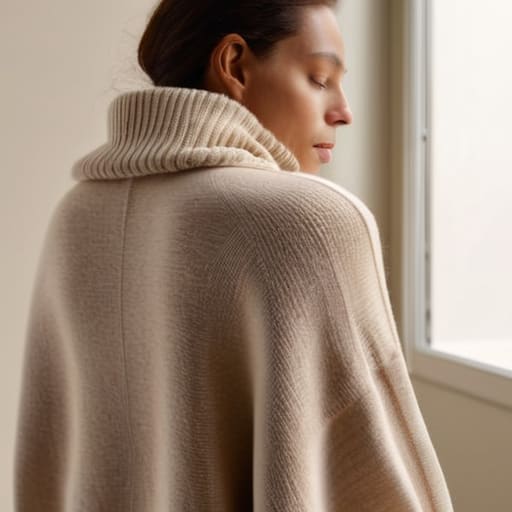
When I talk about the “maths” of an outfit, I’m not looking at the price tag; I’m looking at the ratio of physical comfort to psychological distraction. If you are dressing for social anxiety, your brain is already doing enough heavy lifting. You do not need to be calculating whether your waistband is digging into your ribs or if your shirt collar is scratching your neck every thirty seconds. That is mental bandwidth you cannot afford to waste. I always tell my clients: if the fabric feels like a sensory assault, the “look” doesn’t matter because you won’t actually be present in the room.
Instead of chasing a trend that makes you look like a stranger, lean into clothing for sensory comfort by selecting high-quality, predictable fabrics. Think a mid-weight cotton poplin or a brushed wool that has enough structure to feel like a hug but enough breathability to keep you from overheating when the room gets crowded. If you have a piece that fits perfectly in the shoulders but feels “off” elsewhere, spend the £15 at a local tailor to nip the waist. That small investment turns a garment from a costume into actual armor.
Sensory Comfort Over Trends Choosing Fabrics That Wont Betray You
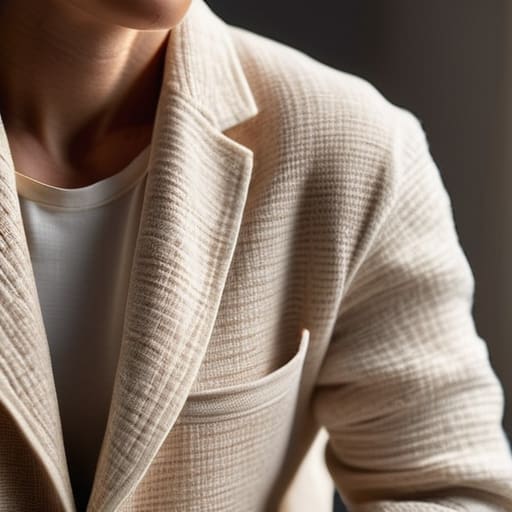
When you’re already bracing for a difficult conversation or a crowded room, the last thing you need is a polyester blend that feels like wearing a plastic bag. I see it all the time in the studio: someone buys a “statement piece” for a big event, only to realize three hours in that the fabric is scratchy, non-breathable, and making their skin crawl. If you are dressing for social anxiety, your nervous system is already on high alert; don’t add tactile irritation to the mix. Stick to natural fibers like cotton, wool, or linen. They have weight, they breathe, and they don’t hold onto static like a nightmare.
The goal here is clothing for sensory comfort that acts as a buffer between you and the world. A heavy silk or a high-quality jersey won’t just look better; they move with you rather than fighting against you. Avoid anything with stiff, unlined seams or cheap metallic threads that itch. If the fabric feels like a distraction, the outfit has failed. You want to be able to forget what you’re wearing so you can actually focus on getting through the door.
Dressing for Social Anxiety Using Wardrobe Staples for Difficult Situations

When you’re already spiraling about a wedding or a networking mixer, the last thing you need is a waistband that digs in every time you take a breath. I always tell my clients that wardrobe staples for difficult social situations shouldn’t be “statement pieces”—they should be reliable ones. Think of a perfectly tailored blazer or a mid-weight knit. These aren’t just clothes; they are your baseline. If you know the shoulder seam sits exactly where it should and the fabric doesn’t shift weirdly when you sit down, you have one less thing to worry about when you’re trying to hold a conversation.
Effective outfit planning for stressful events means removing the element of surprise. Do not, under any circumstances, try on a “new” outfit for the first time ten minutes before you leave the house. If you’re dressing for social anxiety, you need to know exactly how that shirt feels against your skin after three hours of wear. Stick to the pieces you’ve already stress-tested. If a pair of trousers requires a constant tug to stay in place, leave them in the closet; they will only make you feel more exposed.
Navigating Formal Dress Codes Without Breaking Your Bank or Spirit

The biggest lie in fashion is that “formal” has to mean “uncomfortable.” We’ve been conditioned to think that a wedding or a gala requires stiff, itchy polyester or a suit that pinches your armpits every time you breathe. When you’re already navigating formal dress codes that feel alien to your daily life, the last thing you need is a garment that feels like a costume. If you’re already feeling on edge, a scratchy lace sleeve or a waistband that digs in will turn your social anxiety into a full-blown sensory meltdown.
Instead of panic-buying a “special occasion” piece that you’ll only wear once, look at your existing wardrobe through a structural lens. Can a well-cut blazer from last year be elevated with a silk camisole? Can a midi skirt be tailored to sit perfectly on your hips so you aren’t constantly tugging at it? Outfit planning for stressful events should be about finding the intersection of “looks appropriate” and “feels like me.” If you do need to buy something, prioritize natural fibers like wool or cotton blends; they breathe, they drape, and they don’t feel like wearing a plastic bag.
Strategic Outfit Planning for Stressful Events and Last Minute Confidence
Stop treating your outfit like a last-minute math problem on the morning of the event. When you’re already spiraling about a wedding or a high-stakes networking mixer, the last thing you need is a waistband that digs in or a sleeve that won’t stay put. Real outfit planning for stressful events starts three days early, in front of a mirror, not ten minutes before you have to leave the house. I want you to physically put the clothes on. Check the seams, feel the weight of the fabric against your skin, and make sure you can actually sit down without a wardrobe malfunction. If it feels “fine” while you’re standing still but becomes a nuisance when you move, it’s a trap.
If you realize the night before that your “reliable” trousers are actually pinching your hips, don’t panic-buy something new from a fast-fashion site. That is how you end up in a polyester nightmare that makes you itch for four hours. Instead, look for your wardrobe staples for difficult social situations—that one blazer that actually hits your shoulders or the knit that doesn’t pill—and see if a quick hem or a button adjustment can save the look. Confidence isn’t about looking like a magazine spread; it’s about knowing your clothes aren’t going to betray you mid-conversation.
The Survival Kit: 5 Non-Negotiable Rules for When You’d Rather Be in Bed
- Check the seam allowance before you commit. If you’re buying something specifically for a stressful event, make sure there’s enough fabric in the seams to let it out slightly if your anxiety makes you feel bloated or tense. A garment that can breathe with you is a garment that won’t make you feel trapped.
- Prioritize weight over “fluff.” Avoid thin, flimsy jersey or cheap synthetics that cling to every nervous sweat patch; instead, go for a mid-weight cotton or a structured crepe. You want a fabric that holds its own shape so you don’t have to spend the whole night adjusting it.
- The “Sit Test” is more important than the mirror test. Before you leave the house, sit down in a chair for ten minutes. If the waistband digs into your ribs or the hemline rides up to an uncomfortable height, do not wear it. If you’re fighting your clothes, you won’t have the mental bandwidth to handle the actual event.
- Budget for the “Emergency Tailor” fee. If you find a piece that is 90% perfect but the sleeves are too long or the waist is a fraction too loose, don’t dismiss it. Factor in an extra £20 to a local seamstress to fix that final 10%. That small spend is the difference between feeling like you’re wearing a costume and feeling like you’re wearing armor.
- Stick to a predictable color palette. Now is not the time to experiment with a “statement” neon or a difficult print that requires constant checking in every reflective surface. Choose colors you already know work with your skin tone so you can stop thinking about your face and start focusing on getting through the room.
The Real Cost of Confidence
Stop looking for a ‘confidence boost’ in a new shopping bag. If you’re dreading an event, you don’t need a trend; you need a garment that doesn’t fight you. Find the piece you already own that actually fits your shoulders and doesn’t itch, take it to a tailor to fix the hem, and stop letting marketing companies convince you that your anxiety is a wardrobe deficit.
Neve Okonkwo-Barr
The Final Stitch
At the end of the day, dressing for a day you’re dreading isn’t about performing a version of yourself that doesn’t exist; it’s about tactical preparation. We’ve talked about choosing fabrics that won’t make you itch when your heart rate climbs, finding that middle ground between a formal dress code and your own comfort, and understanding that a well-placed hem or a cinched waist can do more for your confidence than a brand-new designer label ever could. Stop looking at your wardrobe as a collection of “looks” and start seeing it as a toolkit. If the seams are sturdy, the fabric is breathable, and the fit actually respects your body, you’ve already won half the battle before you even walk through the door.
Please, stop letting marketing departments convince you that a bad mood requires a bad bank balance. You don’t need to buy your way into bravery. True style isn’t found in a shopping bag; it’s found in the quiet confidence of a garment that actually works for you instead of against you. Whether you’re heading to a high-pressure wedding or a networking event that makes your stomach turn, remember that your clothes are there to serve you, not the other way around. Take what you own, fix what is broken, and go face the day knowing that you are more prepared than the outfit suggests.
Frequently Asked Questions
If I have a formal event coming up and my only "nice" dress is pulling at the seams or feels suffocating, is it actually worth paying a tailor to let it out, or am I just throwing money at a lost cause?
Check the seams first. Flip the dress inside out and look for “seam allowance”—that extra flap of fabric inside the stitch line. If there’s at least an inch of wiggle room, a tailor can let it out for maybe £20–£30, and you’ve saved a “nice” dress. But if the fabric is cut edge-to-edge with zero margin, stop. You’re paying for a miracle that won’t happen. Don’t fix a lost cause; find a better base.
I struggle with sensory issues—are there specific fabric blends I should avoid that might look professional but feel like sandpaper after an hour of sitting still?
Avoid anything with high percentages of cheap, scratchy polyester or low-grade acrylic blends; they don’t breathe, and they trap heat until you feel like you’re vibrating. If a “professional” blazer feels stiff, it’s likely a synthetic blend with zero give. Look for cotton-viscose mixes or Tencel—they drape beautifully and feel cool against the skin. If you find a wool piece you love but it’s itchy, check if it’s a wool-silk blend; the silk softens the friction significantly.
How do I tell the difference between a garment that is "high quality" and one that is just being marketed as an "investment piece" when I'm on a tight budget?
Stop looking at the price tag and start looking at the seams. An “investment piece” is usually just marketing fluff designed to make you ignore a bad construction. Check the weight of the fabric—does it feel substantial or like paper? Look at the stitching; if it’s uneven or loose, it won’t survive a wash. Most importantly, check the seam allowance. If there’s no extra fabric inside to let it out, it’s a trap, not an investment.
